Here is the complaint in Agua Caliente Band of Cahuilla Indians v. Riverside County (C.D. Cal.):
News coverage here.
Here.
An excerpt:
Alaska, we have a rape problem. Apparently that’s acceptable to most of us or we’d be storming the castle for change.
My blood pressure is still in the stratosphere after reading a recent fundraising letter from our governor. As part of his pitch for money, Sean Parnell listed his “accomplishments.” Most of them were your garden-variety political credit-snatching and posturing, but one had me apopletic.
“… Our Choose Respect initiative has freed Alaskans from domestic violence and sexual assault.”
I’ll wait while you re-read that sentence. …
As the cliche goes, “I may have been born in the morning but not this morning.”
I’m tempted to take off on a name-calling tear, but let’s look at the facts instead.
Alaska was recently rated as the third most violent of the 50 states. (The FBI apparently didn’t get Parnell’s letter, so it continues to work with these things called “crime statistics,” a practice I would recommend to the governor’s office.)
Here.
Here.
Edith Brashares and Siobhan O’Keefe have posted “Indian Tribal Government Access to Tax-Exempt Bond Financing” on SSRN.
Here is the abstract:
While prior research focuses on Federal assistance to Native American tribal governments through spending programs, we examine tax incentive use by tribes. Tribal governments can issue tax-exempt bonds where the interest rates are lower because the Federal government does not tax bondholder on the interest they receive. To provide context, we briefly summarize the tax rules for tax-exempt bonds and describe tribal tax-exempt borrowing between 1987 and 2010. These data have not been published previously. Unlike most studies of tax-exempt bonds that examine how much is borrowed, we start by modeling the decision of a tribal government to borrow using tax-exempt bonds. We find tribes with resources, either gaming income or royalties, but that have members in need are more likely to borrow using tax-exempt bonds. Of those tribes that do borrow, the amount increases with the interest rate spread relative to Treasuries, gaming income and per capita income.
Caroline Mayhew, Christine Zuni Cruz, and Alex Skibine

Bethany Berger, our own Kate Fort, and Solangel Maldonado
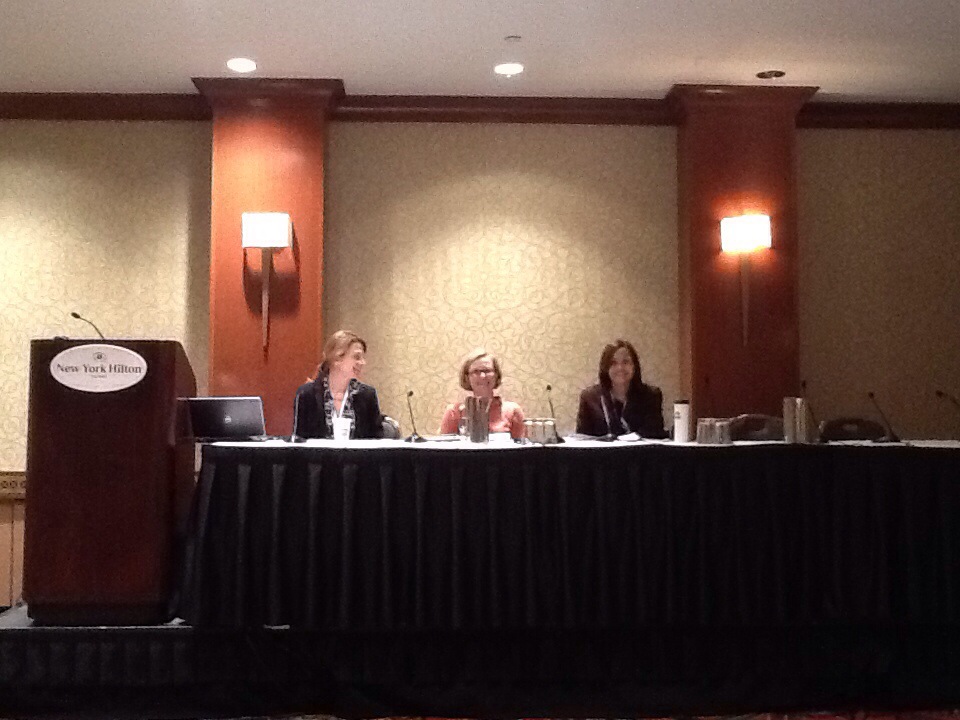
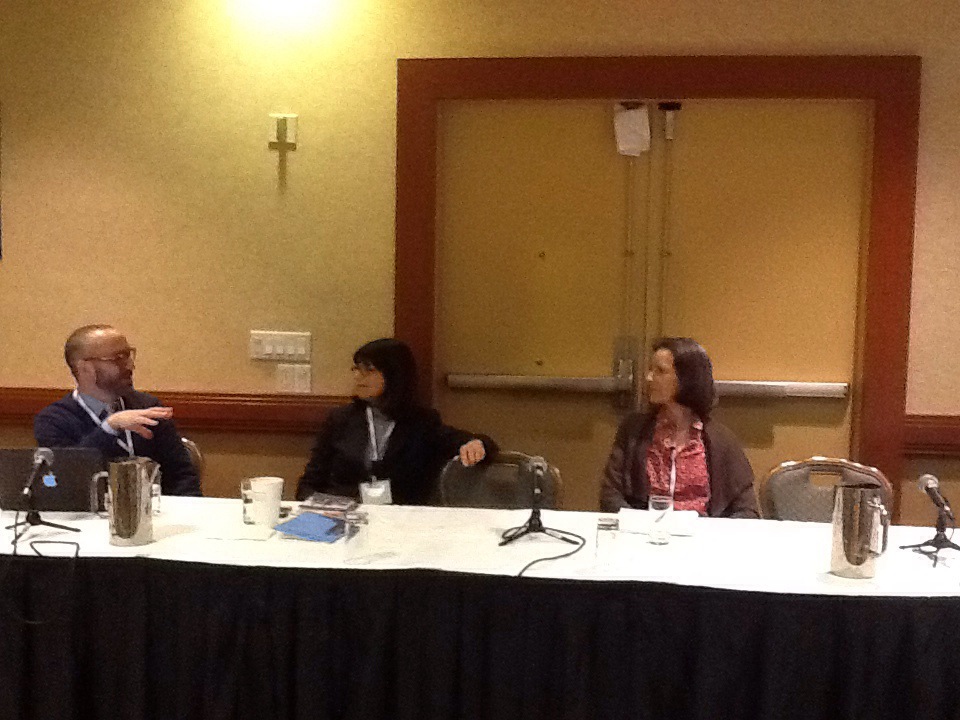
Featuring Allison Dussias, Carole Goldberg, Justin Richland, and Matthew Fletcher!



You must be logged in to post a comment.