The event is tomorrow at 2pm in the Castle Board Room.

You can read more about Prof. Duthu’s book here.
IMPORTANT REMINDER: Deadline for Purchase Offers Fast Approaching for Landowners with Interests at Pine Ridge, Makah Reservations
The Department of the Interior announced in December 2013 that owners of fractionated land interests at the Pine Ridge and Makah Reservations were the first to receive purchase offers under the Department’s Land Buy-Back Program for Tribal Nations (Buy-Back Program). The Pine Ridge Reservation is among the most highly-fractionated locations in the United States; landowners with purchasable interests have been located in 46 states across the country.
Owners Must Respond Soon. The due date for the first round of purchase offers is quickly approaching, with responses due between January 29 and February 10, 2014. Purchase offers are valid for 45 calendar days from the date of the Cover Letter that is included in the Offer Package provided to owners.
Staff Ready to Answer Owner Questions. Landowners can contact the Trust Beneficiary Call Center at (888) 678-6836 with questions about their purchase offers, visit their local Office of the Special Trustee for American Indians (OST) office, contact their tribe’s staff working with the Buy-Back Program, or find more information atwww.doi.gov/buybackprogram.
Sellers Receive Fair Market Value. The Buy-Back Program was created to implement the land consolidation component of the Cobell Settlement, which provided a $1.9 billion fund to purchase fractionated interests in trust or restricted land from willing sellers, at fair market value, within a 10-year period. Interested sellers will receive payments directly into their IIM accounts. Consolidated interests will be transferred to tribal governments for uses benefiting the tribes and their members.
Sellers receive fair market value for their land, based on objective appraisals. In addition, sellers also receive a base payment of $75 per offer, regardless of the value of the land. Some owners have already received more than $100,000 for their interests (offer amounts will vary based on the particular interests held). Interests purchased from individuals through the program will be restored to Indian tribes.
Outreach Events Are in Progress. For more than a year, tribes and Interior have conducted outreach events throughout Indian Country, such as pow-wows, community meetings, and large Indian organizational gatherings to get the word out about the program and give landowners the opportunity to gather information in order to make informed decisions about their land. Additional events are scheduled to occur in the next two weeks in Neah Bay and Auburn, Washington, regarding Makah fractional interests, and in Rapid City, South Dakota, and communities on the Pine Ridge Reservation. For information about this week’s event for Makah, contact Dale Denney at 360-645-3106. For details about the Pine Ridge events, contact Georgine Looks Twice at 605-867-2610.
Participation Is Voluntary. Participation in the Buy-Back Program is voluntary and selling land does not jeopardize a landowner’s ability to receive individual settlement payments from the Cobell Settlement. Cobell Settlement payments are being handled separately by the Garden City Group, (800) 961-6109.
Articles from the 2013 Arctic Law Symposium held at Michigan State University College of Law have been published in the Michigan State International Law Review. Included in this volume are several articles specifically addressing how Indigenous peoples may be impacted by the current changes and developments in the region including:
Closing the Citizenship Gap in Canada’s North: Indigenous Rights, Arctic Sovereignty, and Devolution in Nunavut
Tony Penikett and Adam Goldenberg
Risk, Rights and Responsibility: Navigating Corporate Responsibility and Indigenous Rights in Greenlandic Extractive Industry Development
Rutherford Hubbard
Legal Questions Regarding Mineral Exploration and Exploitation in Indigenous Areas
Susann Funderud Skogvang
Permanent Sovereignty over Natural Resources from a Human Rights Perspective: Natural Resources Exploitation and Indigenous Peoples’ Rights in the Arctic
Dorothée Cambou and Stefaan Smis
Climate Change, Indigenous Peoples and the Arctic: The Changing Horizon of International Law
Sumudu Atapattu
Link to the the full issue here.
Link to previous coverage here.
Here:
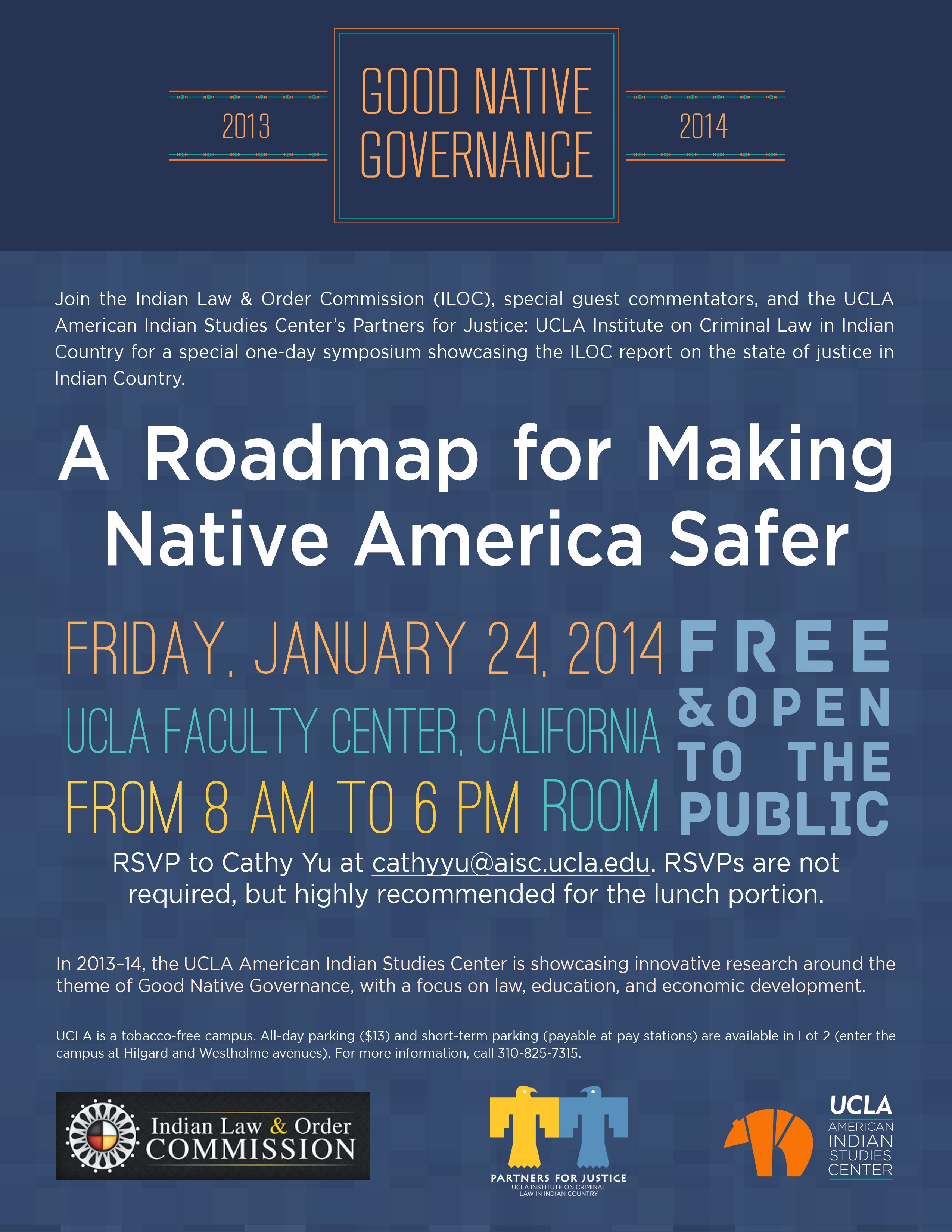
Frank Ettawageshik, our mentor and former LTBB tribal chair, helped to organize this one: “Who Decides You’re Real? Fixing the Federal Recognition Process.”
Agenda is here.
Today, January 13, 2014, 12:15 pm EST on Livestream:
Interior’s Office of Policy Analysis monthly speaker series will feature a panel discussion on U.S. implementation of the Extractive Industries Transparency Initiative (USEITI). The EITI is a global standard that promotes revenue transparency and accountability in the extractive sector. Forty-one countries are in various stages of implementing EITI, and many more have committed to sign up.
Link to event information here.
Link to more information about the Extractive Industries Transparency Initiative here.
Here:

Here:
 Turtle Talk
You must be logged in to post a comment.