Craig Corn

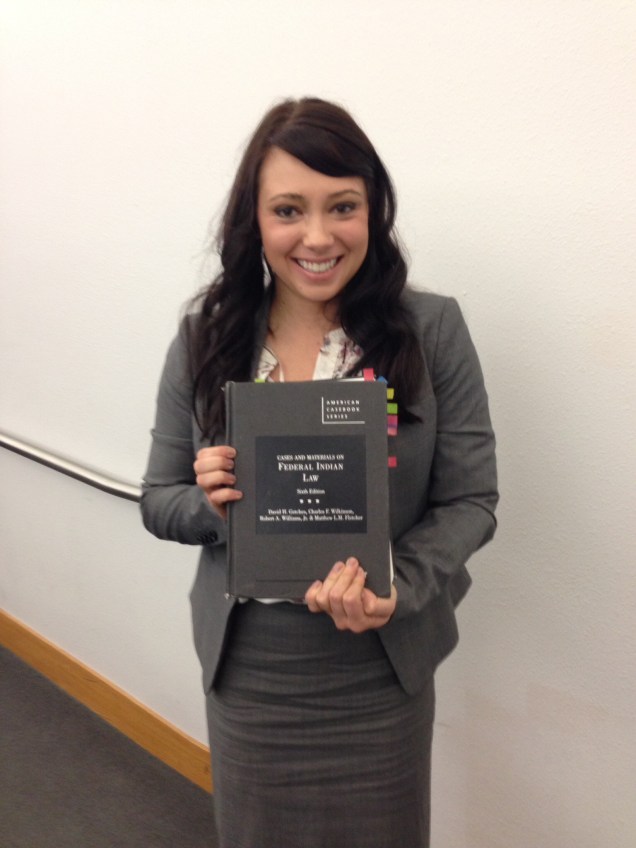
MSU Alum/ILSA Secretary Kathryn Allen
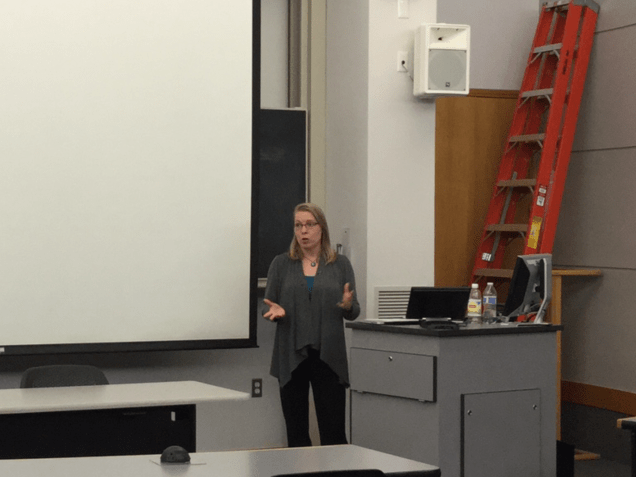
Bonnie Shucha
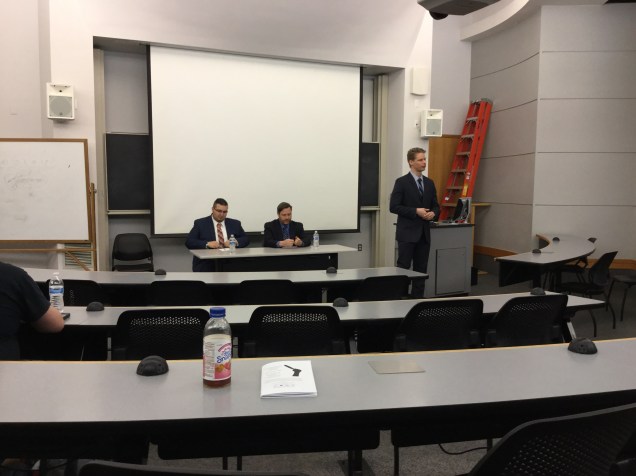
Nicholas Duke, Elliott Milhollin, and David Wilson
Craig Corn
MSU Alum/ILSA Secretary Kathryn Allen
Bonnie Shucha
Nicholas Duke, Elliott Milhollin, and David Wilson
Selfies with former students
Fletcher and Fred Urbina (PLSI ’05)

Fletcher and Melissa Burkland (UND ’06)

Madison, Wisconsin

It’s my mom’s birthday today! She’s 39, younger than I am now.

She designed and made these lovely ribbon shirts.

And she’s a huge Star Wars fan


Yes she designed these too.
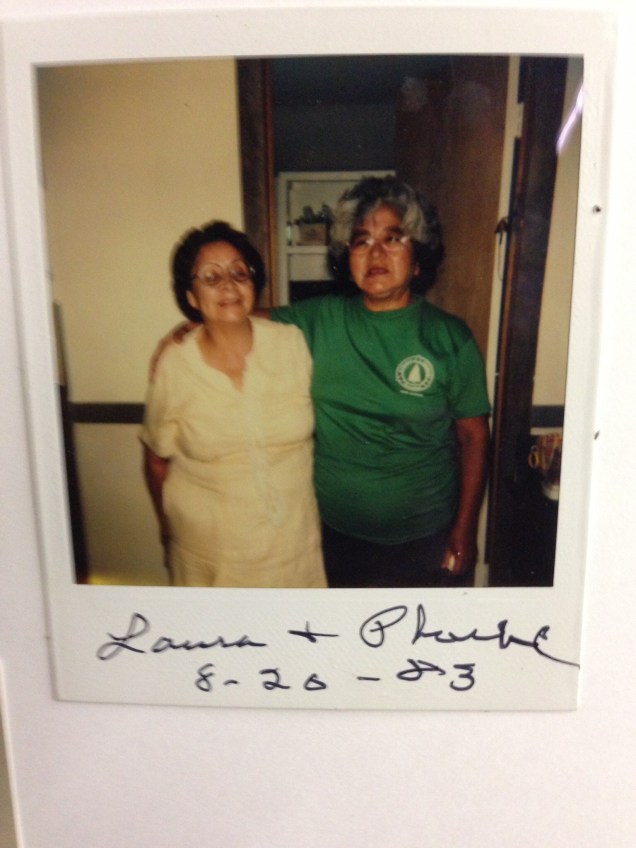
And this is her mom Laura and her auntie Phoebe
Here.
An excerpt:
FRED URBINA: In 19 of our cases, we had 18 children involved; the average age being around 4 years old. Some of them were assaulted. A lot of times it was the children that were calling to report these domestic violence incidents.
MORALES: The Justice Department chose the Pascua Yaqui to pilot the program because they have state certified judges and lawyers and a brand new courthouse and jail. Police Chief Michael Valenzuela says the old jail was a two-bedroom house with a cage.
M. VALENZUELA: In the past, if someone was in jail people could go outside and knock on the window and talk – yeah and they did. We’d have to shoo them away. It was not safe. We had people assaulted.
MORALES: Now, thanks to federal stimulus money, they have a 65,000-square-foot justice complex.
New Mexico Appleseed
STAFF ATTORNEY
Santa Fe, New Mexico (possibly Albuquerque)
Practice Areas: Hunger, homelessness, community development, poverty law, Native American
Job Description
The Staff Attorney is responsible for high-quality research, analysis, and writing for the organization on a wide variety of poverty-related issues such hunger, homelessness, and foster care. Primary responsibilities include legal research and writing, policy analysis and advocacy, legislative drafting, negotiation, community education, and collaboration with non-profit, community-based, and governmental organizations. This position does not involve litigation or individual client representation. Diverse candidates are encouraged to apply.
Qualifications
Responsibilities:
Personal Qualities:
Salary: Depending Upon Experience. Great office atmosphere and generous vacation.
Application Instructions:
To apply, send a cover letter, law school transcript, writing sample and resume to Jennifer Ramo at jramo@nmappleseed.org.
Here are the materials in LeBeau v. United States (D. S.D.):
An excerpt:
Plaintiffs’ claims accrued decades ago and are therefore barred by the statute of limitations. As this court stated in 2013, it is sympathetic to the claims made by plaintiffs. But even sympathetic claims must comply with jurisdictional requirements. Because there is no valid waiver of sovereign immunity, this court has no jurisdiction to entertain this suit. Plaintiffs may deserve compensation, but that compensation must come from Congress.
Prior suit materials are here.
In the March 2015 edition of the Montana Lawyer (page 18).
Part 1 was here.
Here (PDF):

Here are the materials in Williams v. CashCall (E.D. Wis.):
4 CashCall Motion to Dismiss or Compel Arbitration
An excerpt:
So why didn’t the court appoint an arbitrator in Jackson? The court there held that the arbitration provision (like the one signed by Ms. Walker) was void “because it provides that a decision is to be made under a process that is a sham from stem to stern.” 764 F.3d at 779. Not only was there no authorized representative of the Tribe to preside over the proceeding, “the Tribe has no rules for the conduct of the procedure.” Id. (emphasis in original). By providing the option of using the consumer dispute rules of the AAA or JAMS, Mr. Williams’s contract solves that problem. And by allowing the parties to use an arbitrator from either the AAA or JAMS systems, the bias concerns that the Jackson court had about using a Tribal member as the arbitrator, id. at 779-80, are eliminated.
Mr. Williams’s only argument as to why the arbitration provision is unenforceable is that it calls for the arbitrator to apply Tribal law, which he contends is law that does not exist. (ECF No. 16 at 9.) But that is not true, as evidenced by substantive Tribal law on contract disputes, including contract cases in the Tribe’s courts, and the Tribe’s Commercial Code, Rules of Civil Procedure, Constitution and By-Laws, and Law & Code. (ECF Nos. 12-4, 12-5, 12-6, 12-7, 12-8, 21.) Mr. Williams does not raise any of the procedural or substantive unconscionability concerns expressed by the court in Jackson.
The most reasonable reading of Mr. Williams’s loan agreement is that he has the option of choosing to arbitrate any claims that he has relating to his agreement before the AAA, JAMS, or another mutually acceptable organization, applying the consumer dispute rules of the selected administering organization and conducted by an arbitrator from the selected organization’s system. Therefore, unlike Ms. Walker, Mr. Williams is required to pursue his claims against CashCall in arbitration. His complaint shall be dismissed.
 Turtle Talk
You must be logged in to post a comment.