Fletcher on Teaching Indian Law in the 21st Century

Here is “Teaching Indian Law in the 21st Century,” (hopefully) forthcoming in an edited collection of papers on teaching law in the 21st century.

The abstract:

Since the first Indian law classes were offered in the late 1960s and early 1970s, law teachers mostly have considered the field a niche specialty, even a backwater, unnecessary to anyone not likely to go into law practice in Indian country. In those days, law teachers focused on treaty rights fights. Treaty rights are a critical but small part of Indian country practice. Lawyers in modern day Indian country handle virtually every kind of matter taught in law schools in addition to the Indian law-specific subject matters. Beginning in the 1990s, American Indian tribal nations started to become critical factors in governmental and economic activity throughout much of the United States.
In the 21st century, many law schools offer Indian law — and occasionally offer additional, specialized courses — but generally are still far behind the curve. Worse, when it is offered, the Indian law canon tends to be taught in ways that ignore contemporary tribal agency by emphasizing historical events over modern issues. Modern tribal nations make their own laws. Here I give examples of tribal court cases and tribal statutes law teachers can use to incorporate Indian law into virtually any common law course.

“NRA Sets 1,000 Killed In School Shooting As Amount It Would Take For Them To Reconsider Much Of Anything”

Here.

Nothing to do with nothing

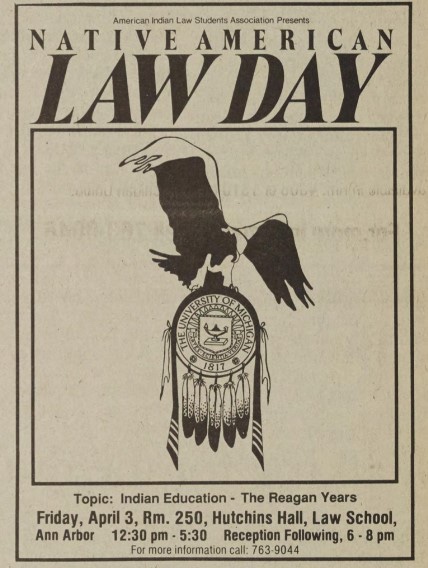
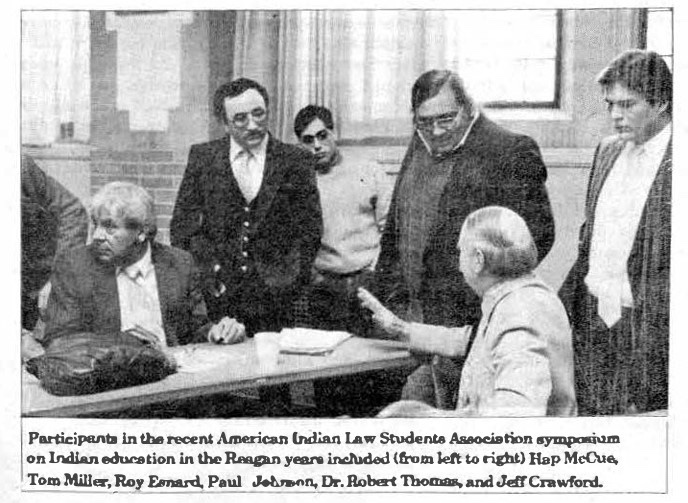
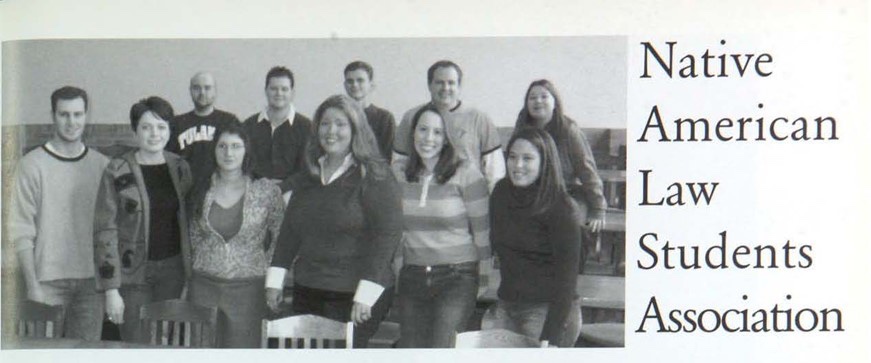
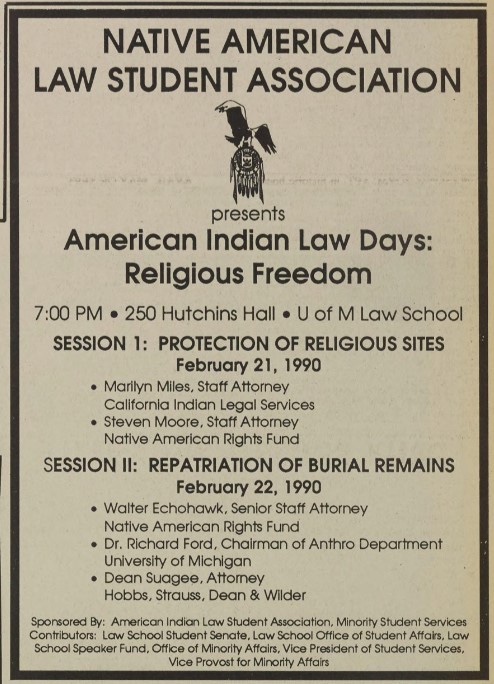
A Look Into the U of M NALSA’s Past

1992
1987
1987
2003
2003
1990
1981

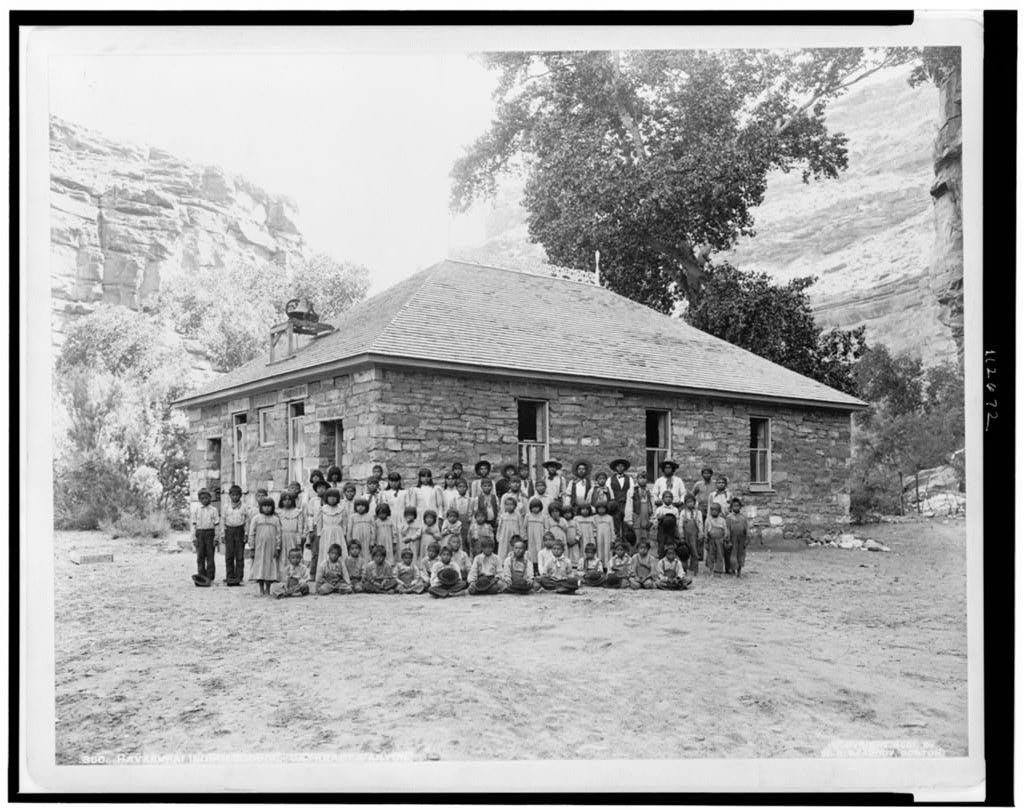
Ninth Circuit Reverses Dismissal of Havasupai Students’ Claims against BIE School

Here is the unpublished opinion in Stephen C. v. Bureau of Indian Education:

Briefs here.

Ninth Circuit Argument in Stephen C. v. Bureau of Indian Education

Here:

Briefs here.

Briefs here.

Ninth Circuit Briefs in Challenge to Arizona School District Ban on Beaded Graduation Cap

Here are the materials in Waln v. Dysart School District:

Opening Brief

Answer Brief

Wisconsin Law School’s Hastie Program — Applications Due 2/1/22

Highly recommended!

The University of Wisconsin Law School invites applications for its William H. Hastie Fellowship Program. For over 40 years, the Hastie Fellowship has provided aspiring scholars an outstanding opportunity to prepare for a career in law teaching.  Hastie Fellows have succeeded at securing tenure-track positions at law schools throughout the country, including Columbia, UCLA, Indiana, Colorado, ASU, Texas A&M, Ohio State, UNC, Washington & Lee, UC Irvine, and USC. The Fellowship reflects a commitment to diversity and inclusion in the legal profession and especially encourages applications from candidates of color and other underrepresented communities in the legal academy. Hastie Fellows devote the majority of their time to their own research agenda, researching and writing scholarly articles with support from a faculty advisor and the Hastie Fellowship Committee. Fellows also have the option of teaching a course or seminar during the program. The Hastie Fellowship Program encourages scholarship in the full range of law studies. Wisconsin has a particularly strong tradition supporting interdisciplinary work.

For further information, please visit https://law.wisc.edu/grad/hastie/index.html. Applications are due February 1, 2021.

Prior Native Hastie fellows now teaching in law schools (clockwise from upper left, Stacy Leeds, Richard Monette, and Mike Oeser).

News Coverage of UC Hastings Law College Name Change Directive

UC Hastings presser: “UC Hastings Board Directs Chancellor & Dean to Pursue Name Change

CNN: “California law school, named for a man who funded the killing of Native Americans, moves to change its name

LA Times: “UC Hastings College of the Law to rename school after reviewing founder’s role in mass killings of Yuki Indians

San Francisco Examiner: “High-powered Hastings Law alums applaud coming name change

UC Hastings Indigenous Law Center here.

Louisiana Federal Court Dismisses Most Discrimination Claims in Suit to Stop Closure of Pointe-aux-Chênes Elementary School

Here are the materials in Billiot v. Terrebonne Parish School Board (E.D. La.):

1 Complaint

27 DCT Order Denying TRO

42 Motion to Dismiss

54 Response

60 DCT Order