Here are materials from the tribe:
Michigan Indian
NLRB Reaffirms Its Jurisdiction over Little River Band on Remand
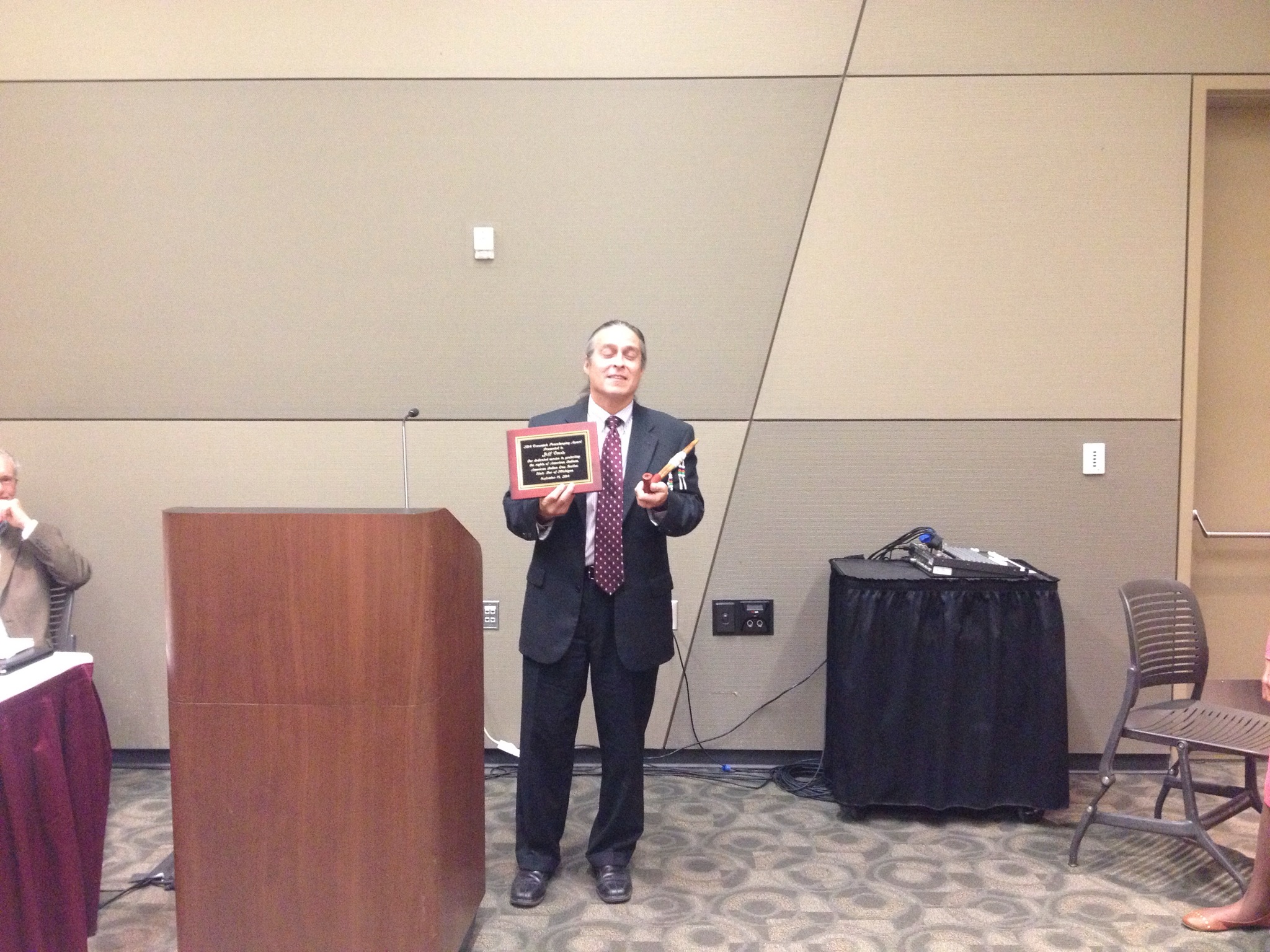
Jeff Davis Accepting Tecumseh Award from Michigan State Bar Indian Law Section
Jeff Davis, Lynn Marie Johnson, and Bill Gregory

The ever-humble Jeff Davis
And the accompanying program on Michigan v. Bay Mills, featuring Riyaz Kanji, Kathryn Tierney, Louis Reinwasser, and Doug McIntyre

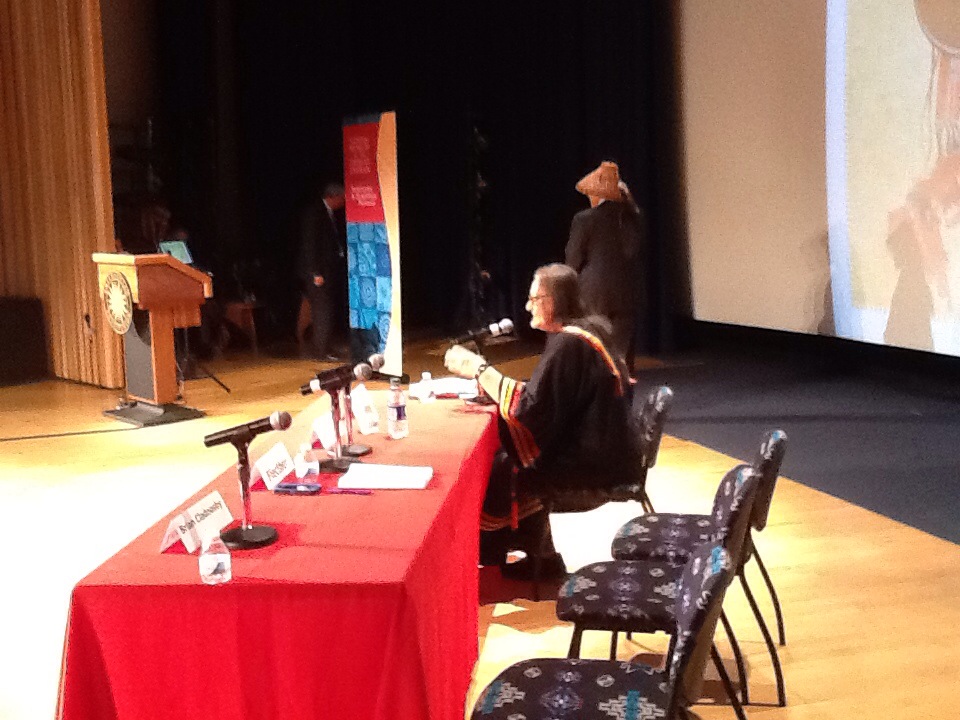
NMAI Treaties Symposium Final Panel
Phil Deloria
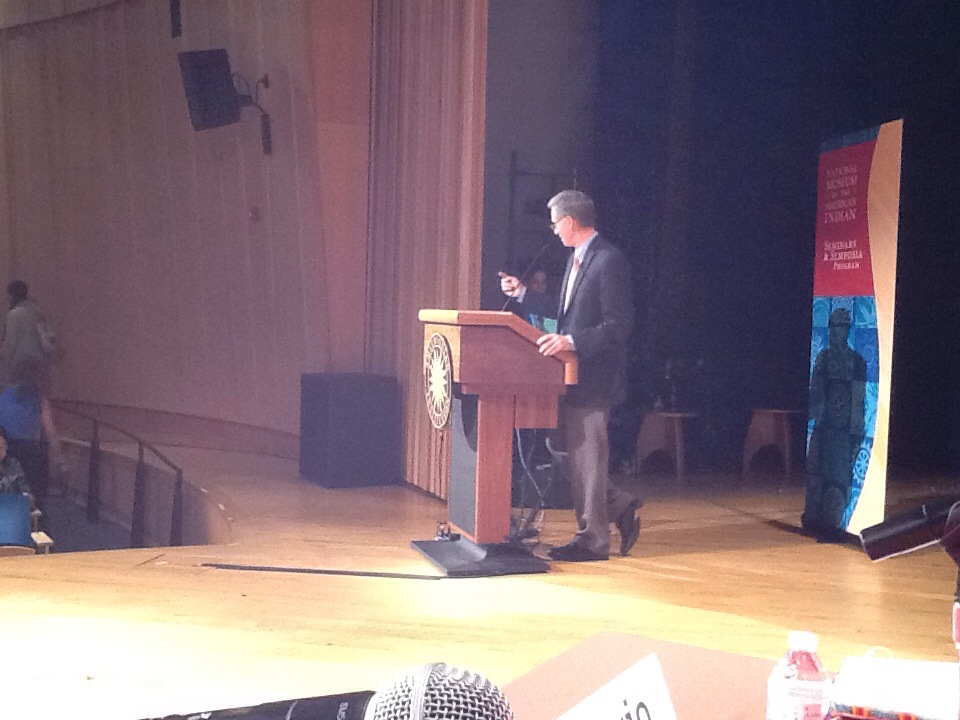
Hon. Brian Cladoosby
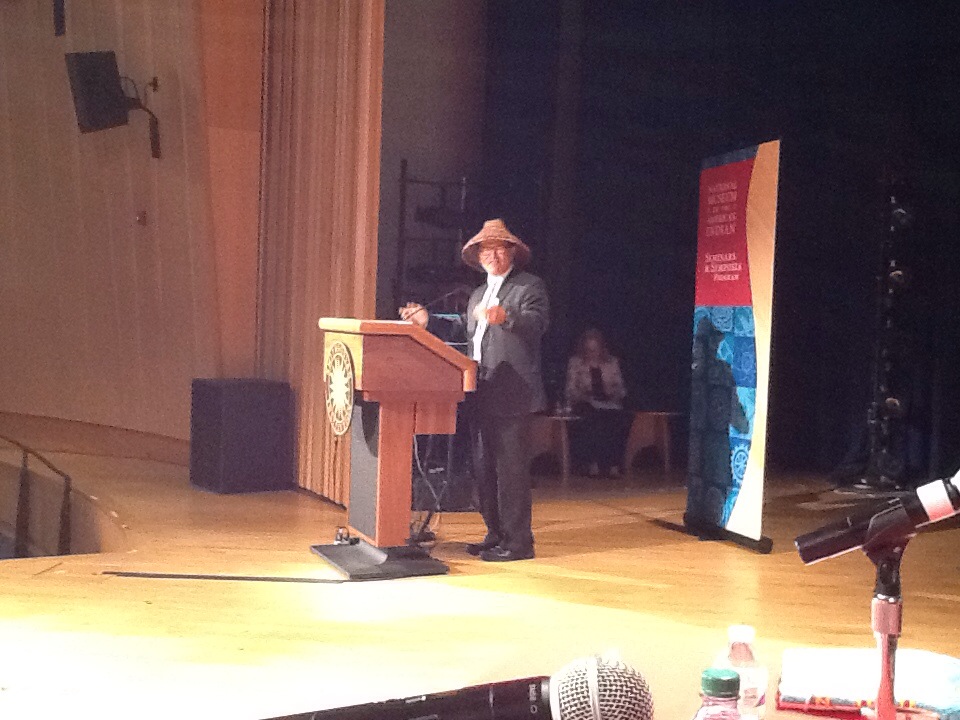
Suzan Shown Harjo
Kevin Gover
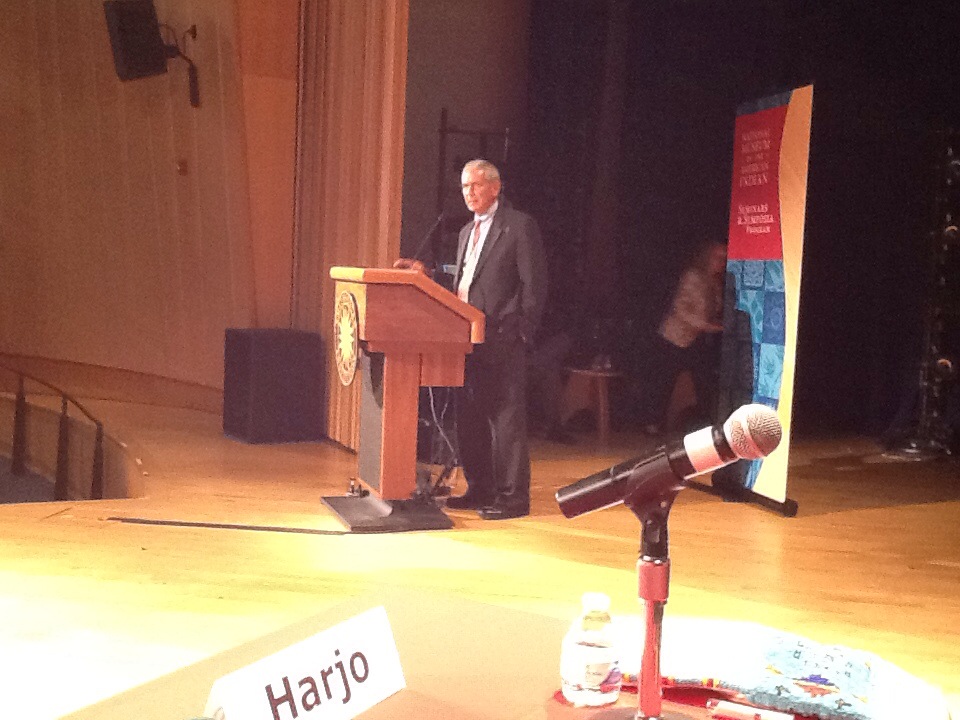
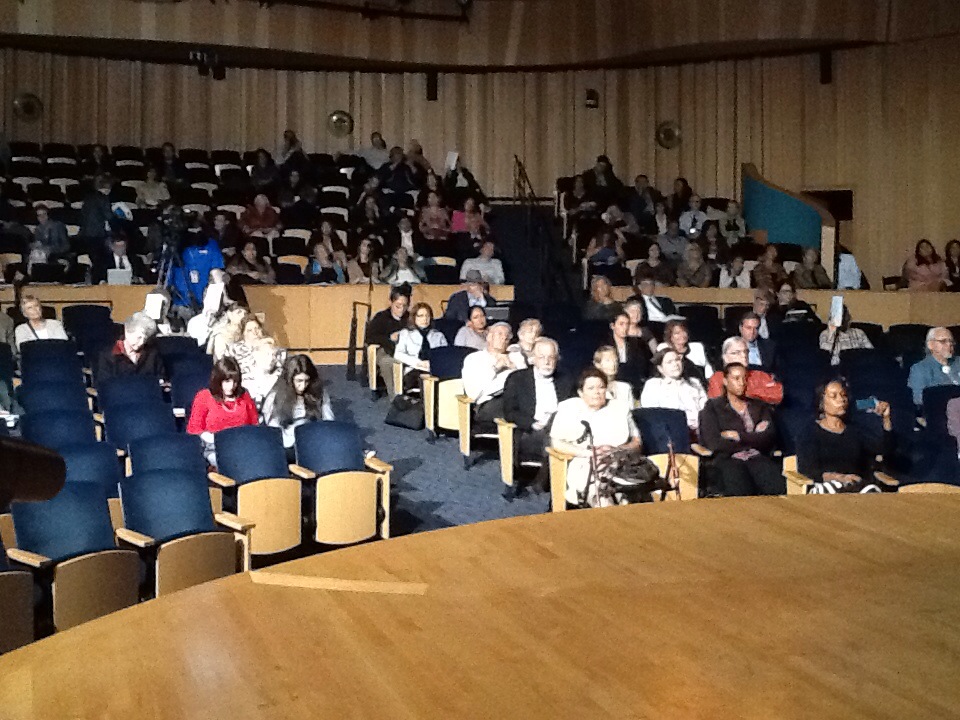
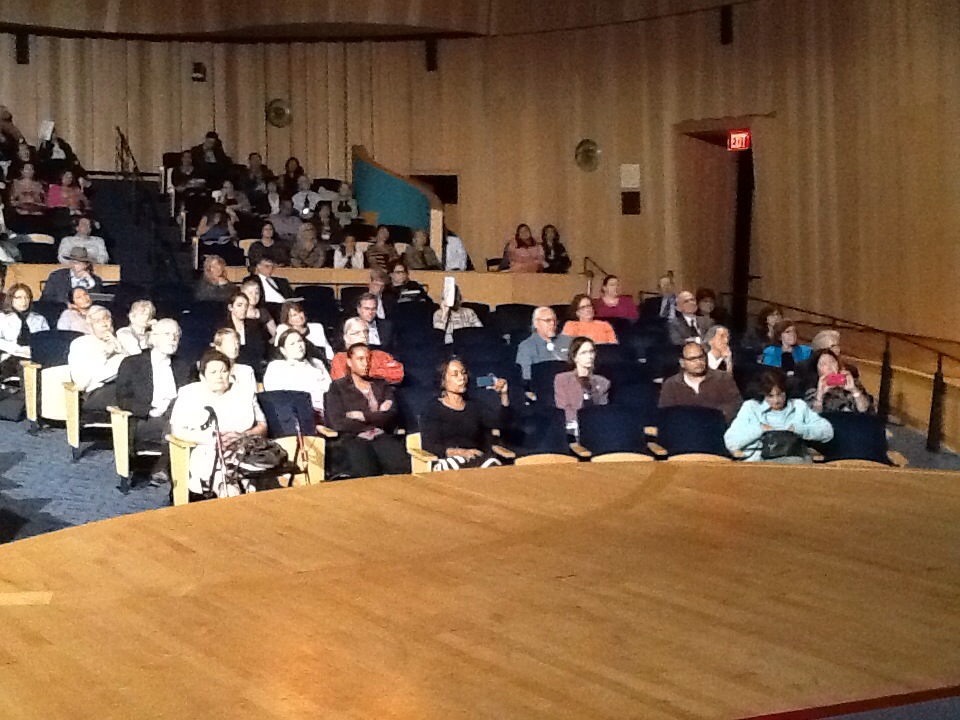
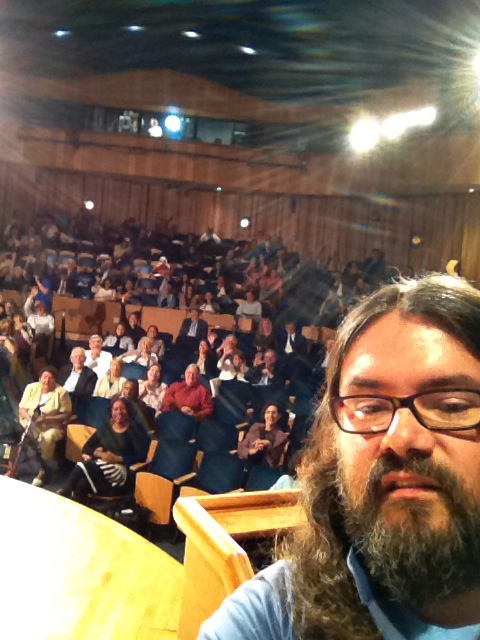
Audience shots
Gun Lake Trust Land Reaffirmation Act Passed by Congress
Michigan Journal of Race & Law Reunion This FRIDAY
I hope to have more pics to include later in the week but here’s a taste — copies of two of the first four issues of the Journal:
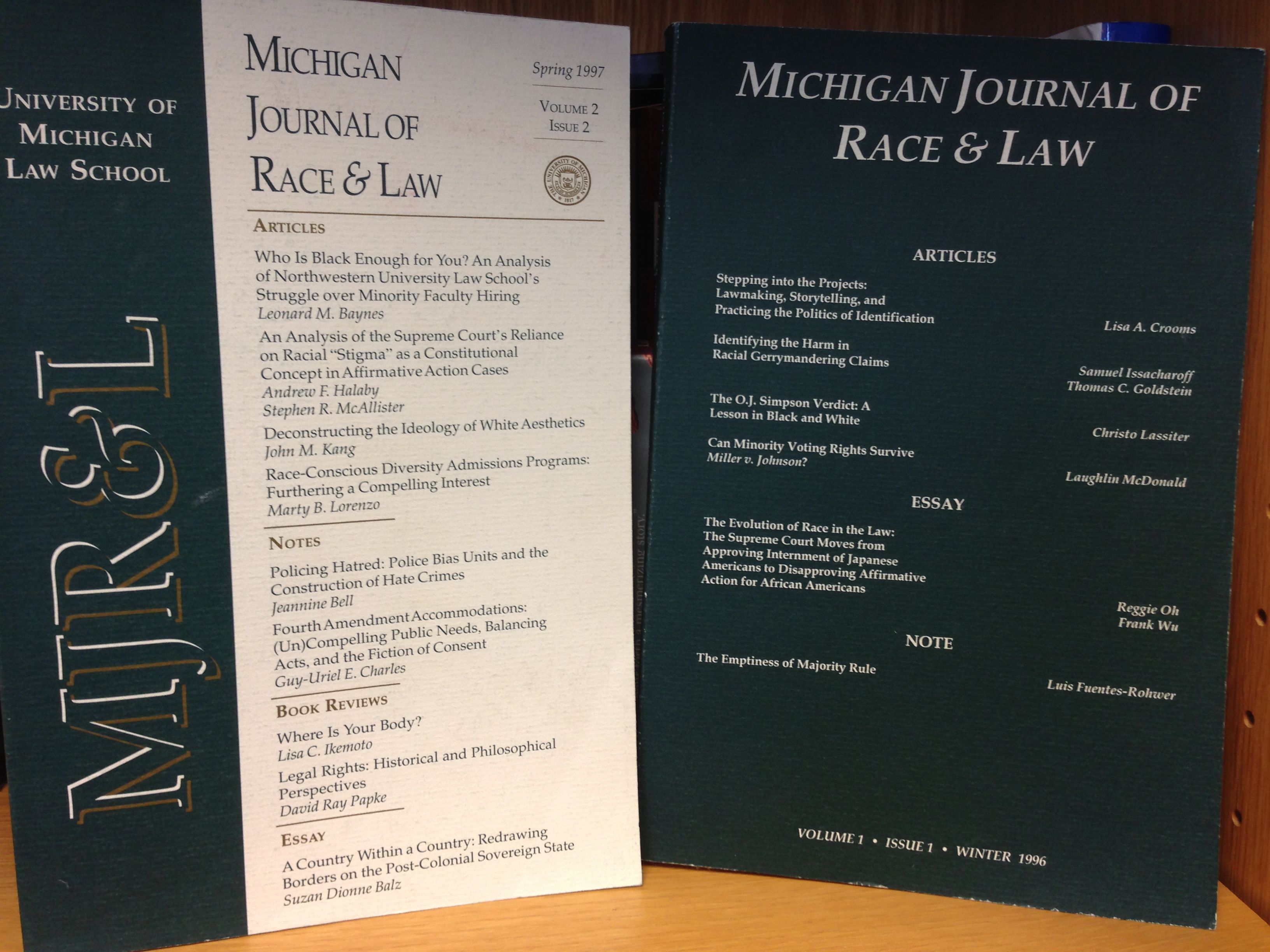
Agenda here. My panel:
Panel I: Beginnings
9:00-10:15 A.M.
Moderator: Matthew Fletcher, ’97, Professor of Law and Director if the Indigenous Law & Policy Center, Michigan State University College of Law
Todd Aagaard, ’97, Associate Professor of Law, Villanova University School of Law
Emily M.S. Houh, ’96, Gustavus Henry Wald Professor of the Law of Contracts, University of Cincinnati College of Law
Travis Richardson, ’96, Richardson & Mackoff
Hardy Vieux, ’97, Martin & Gitner PLLC
MSU Native American Institute Director Job Posting
MICHIGAN STATE UNIVERSITY NATIVE AMERICAN INSTITUTE
Position Announcement—National Search
POSITION: Associate Professor/Professor and Director
START DATE: On or about January 1, 2015 or as soon as a suitable candidate is selected
APPOINTMENT: Full-time (12 month): Tenure Position—Director duties for 5 years with the possibility of renewal. Additional duties of the faculty member selected will be devoted to work in what will become the director’s tenure academic department or school.
QUALIFICATIONS: Ph.D. in urban and regional development or related field. Academic record must be commensurate with tenure appointment. Candidate must be an effective and dynamic leader who will foster excellence in engagement and research connecting the resources of Michigan State University with tribal communities in Michigan. Successful candidate will have community leadership experience and outstanding administrative, management, and interpersonal skills.
Candidate must also possess:
- Experience working with Great Lakes/Michigan Native American communities
- Demonstrated knowledge of, and cultural competence in, Great Lakes/Michigan Native American culture and traditions
- Demonstrated commitment to research on Native American community issues and the development of Native American scholars and researchers
- Demonstrated ability to engage tribal and urban communities
- Experience in and ability to engage faculty and students in research and campus-community partnerships, and
- A record of publication and grantsmanship on Native American issues
BACKGROUND: The Native American Institute (NAI) works with tribes, Native American organizations, and various Michigan State University units to enhance the sovereignty, cultural continuity, and well-being of tribes, Native American communities, and Native American people.
Located in MSU’s College of Agriculture and Natural Resources, NAI undertakes outreach and engagement scholarship. NAI works across units in the College and the University. Of special note is NAI’s close working relationship with MSU Extension (MSUE). NAI and MSUE jointly administer two tribally-focused MSU Extension programs.
NAI is undergoing a reorganization of purpose, approach, and strategy to best assist Michigan’s Native American population. The Director will provide leadership for this effort in concert with Native American communities and university stakeholders, thereby carrying NAI into its next phase of vibrant community engagement.
Second Panel at CU
Rick Collins, Harold Bruff, Wenona Singel, Bill Wood
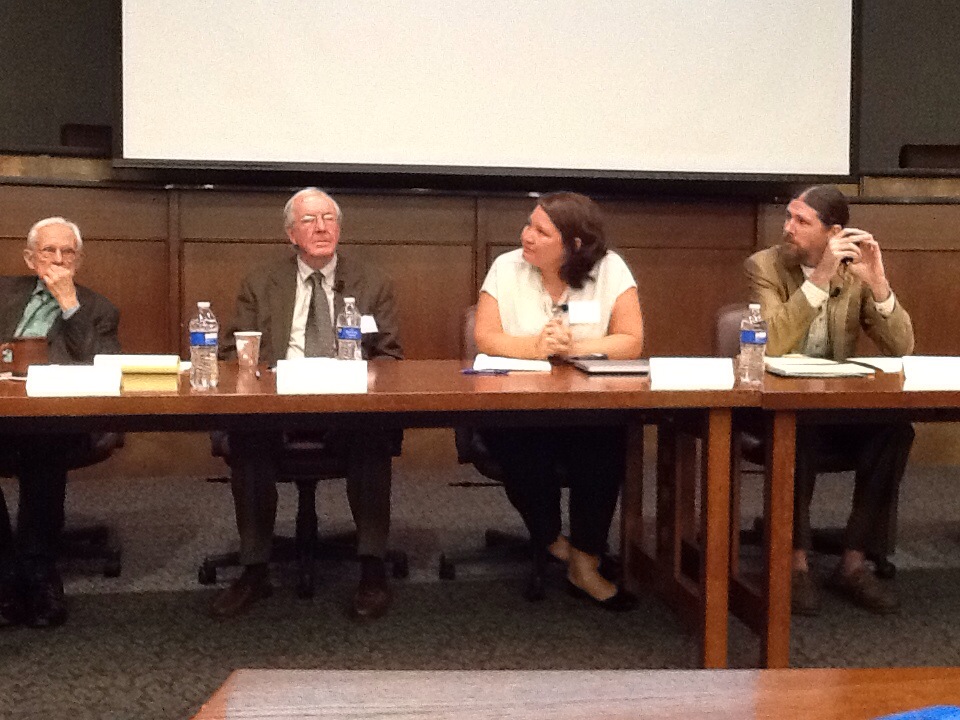
Kristen Carpenter

Introductory Remarks and Opening Panel at CU
Carla Fredericks and Rick Collins

Kathryn (Candy) Tierney

Fletcher

Colorado Law Symposium on Bay Mills Decision
Wenona Singel and I are delighted and honored to speak at Colorado’s symposium on Michigan v. Bay Mills Indian Community. Thanks to Rick Collins, Sarah Krakoff, Carla Fredericks, Kristen Carpenter, and the rest of the great people at CU.
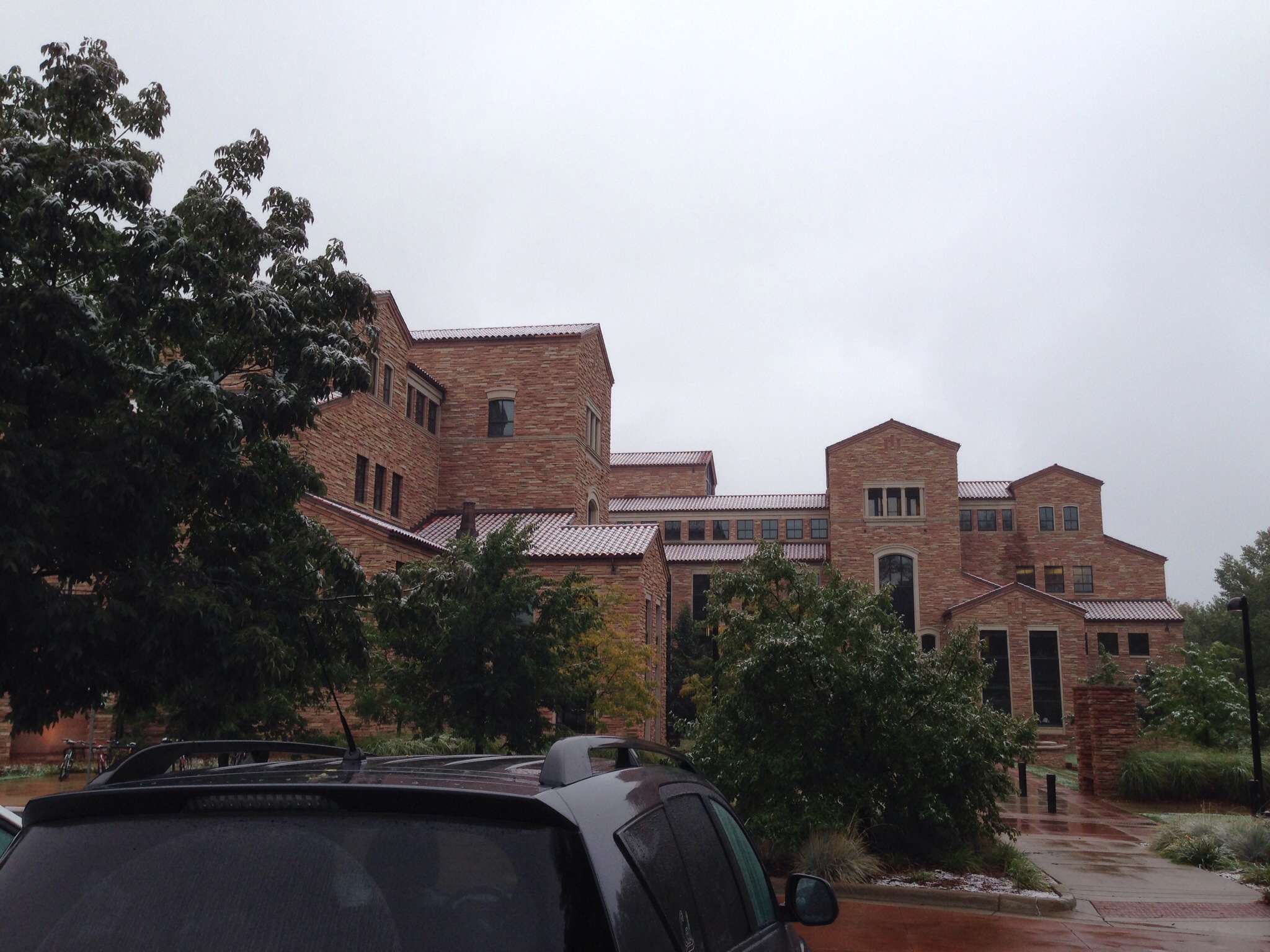
In honor of the Michigan-centric character if this symposium, it snowed in Boulder.
I am honored to share the stage with Kathryn Tierney, the general counsel for the Bay Mills Indian Community. She is a legend, going back to her work on the LCO treaty rights cases in Wisconsin, the LeBlanc matter in Michigan, and United States v. Michigan. Wenona and I know her from the more calmer days of negotiating the Michigan tax agreements a decade ago.
I’ll be patching together a short talk about lessons we can learn from the decision from the successful strategic moves made by Bay Mills.
 Turtle Talk
You must be logged in to post a comment.