Ilanoli isht unowa. We tell our own stories. A single historical event has many stories. Although this nation’s official chronicle expected and even hoped for Indigenous peoples to fade away, we are still here. Our histories are marked by resistance, survival, sovereignty, and renaissance. Only now, in the later stages of the American experiment, do our histories have the chance to matter in new forms and spaces. How much these stories matter within contemporary contexts depends upon where they are spoken and more importantly, who is listening. On the pages of a U.S. Supreme Court opinion, what stories are told can make all the difference between advancing age-old rights and defending the very right to exist. In almost all Supreme Court opinions dealing with tribal nations, the stories from outsider perspectives dominate the narratives, affecting the construction of facts and the application of abstract legal principles. When beginning with a contrived image, it comes as no surprise that the lens of law will only further exaggerate those inaccuracies through a judicial opinion. The stories of tribal nations found in judicial opinions are like a fun house mirror—a misrepresentation of them. This warped version of Indigenous history is the American Mythology from which the federal common law derives its conceptualization of Indian tribes. But Supreme Court opinions need not continue this tradition of misrepresentation. They could instead detail history from Indigenous viewpoints, wherein Indigenous stories take on new relevance and legal import. This Article offers a methodological solution as an alternative to the Court’s current approach and provides evidence from recent opinions for why this option is more than wishful thinking.
What duties do Americans owe the state? Today, this question seems almost incomprehensible. Compulsions in the common interest are received coolly in our rights-obsessed culture, and the Supreme Court has never announced a framework for identifying the burdens of citizenship. Yet the concept of civic duty has played a central role in America’s constitutional tradition. From shoveling snow to repairing roads to fighting overseas, private individuals have long been forced to serve the public in ways menial and profound. Strangely, the discourse of obligation that legitimated numerous compulsions has largely faded from professional view. Judges’ mawkish tributes to liberty pay no heed to the magnitude of state-ordered servitude.
This collective forgetting has not eliminated the need to reason about civic duties, however. Courts continue to review compulsions grounded in contested visions of social obligation. In ruling on the Affordable Care Act’s individual mandate, for example, the Supreme Court seriously impeded Congress from implementing novel conceptions of civic duty. This hostility closely tracks a leading scholarly account of civic duties as fixed by historical tradition. According to this narrative, living Americans are powerless to alter the basic obligations of citizenship.
This Article corrects the historical record by documenting how civic duties have developed over time. The evidence reveals that these obligations are constantly in motion; society has constructed, reshaped, and discarded them in decades-long struggles over the meaning of freedom. Put simply, the duties of citizenship are not fixed features of our constitutional order. They are necessarily—and properly—responsive to moral and cultural change. These findings undercut the Court’s use of rigid historical methodologies for reviewing laws that tacitly presume the existence of duties owed to the public. Most prominently, abortion restrictions compel women to continue their pregnancies in service of state-defined goals. And a panoramic view of civic duties casts new light on congressional efforts to preserve Indian tribes as flourishing governments. The federal Indian Child Welfare Act draws conceptual support from compulsory education and military conscription, both of which have long prioritized communal survival over individual choice.
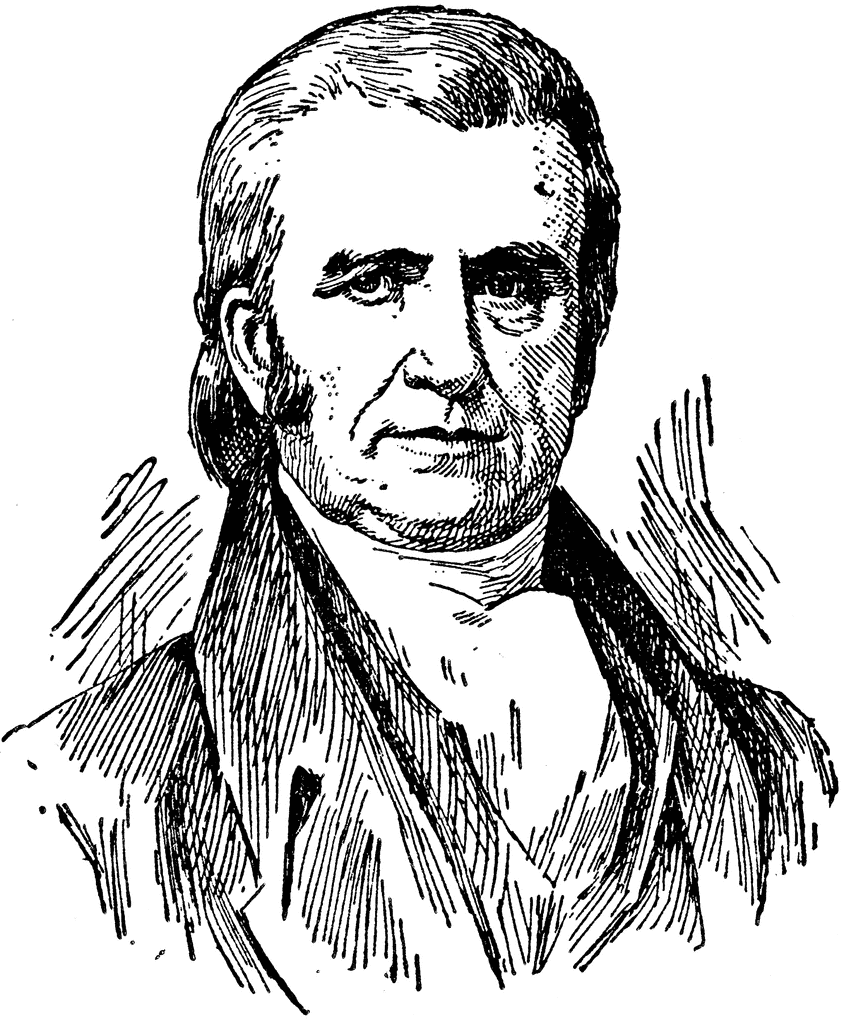
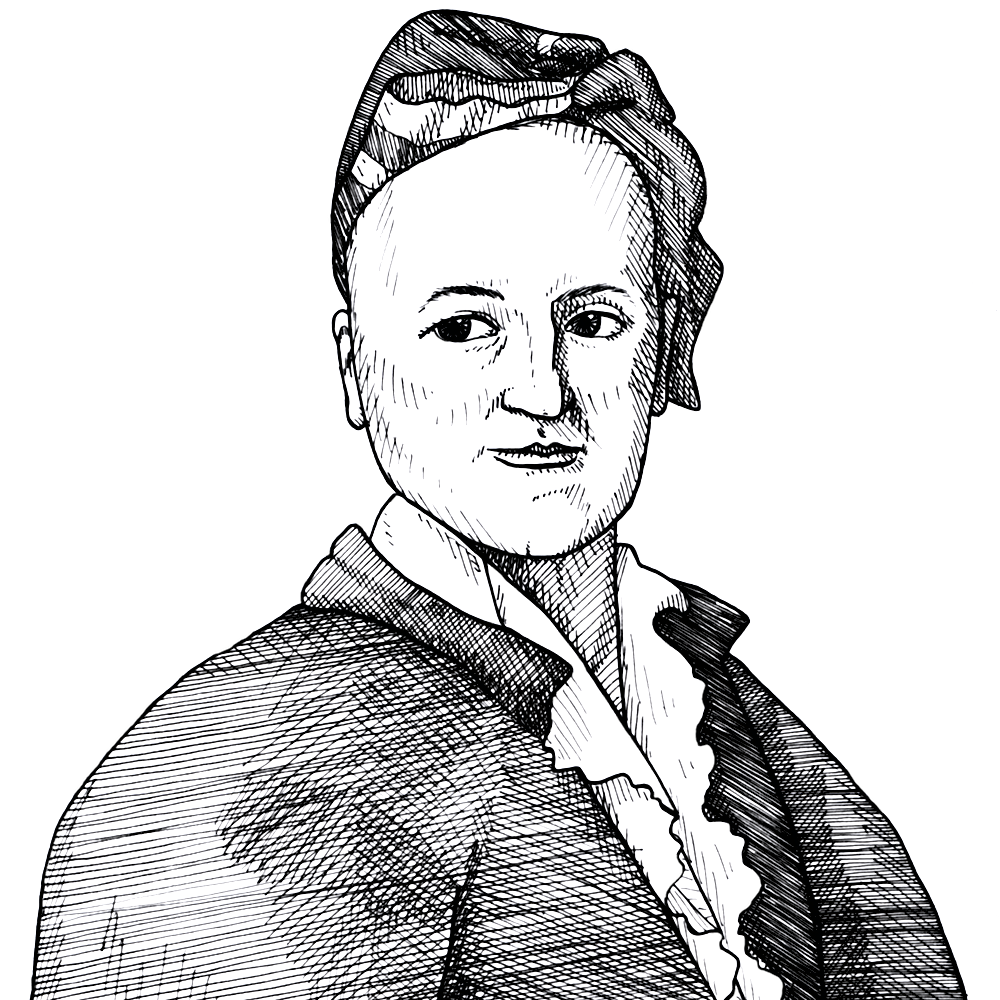
Federal Indian law is sometimes seen as a purely domestic part of American law, but its origins are in the law of nations. The Marshall Trilogy—Johnson v. M’Intosh, Cherokee Nation v. Georgia, and Worcester v. Georgia, three Supreme Court decisions authored by Chief Justice Marshall that are foundational for American federal Indian law—relied on law-of-nations sources. In particular, The Law of Nations, an eighteenth-century treatise by Emer de Vattel, provided a central influence on Marshall’s opinion in Worcester. In early national American legal thought, Vattel was a leading authority on the law governing the rights and obligations subsisting among nations. Recognizing the important role that the law of nations played in the foundations of federal Indian law under-scores the deep roots of tribal sovereignty in American law and clarifies current doctrinal disputes.
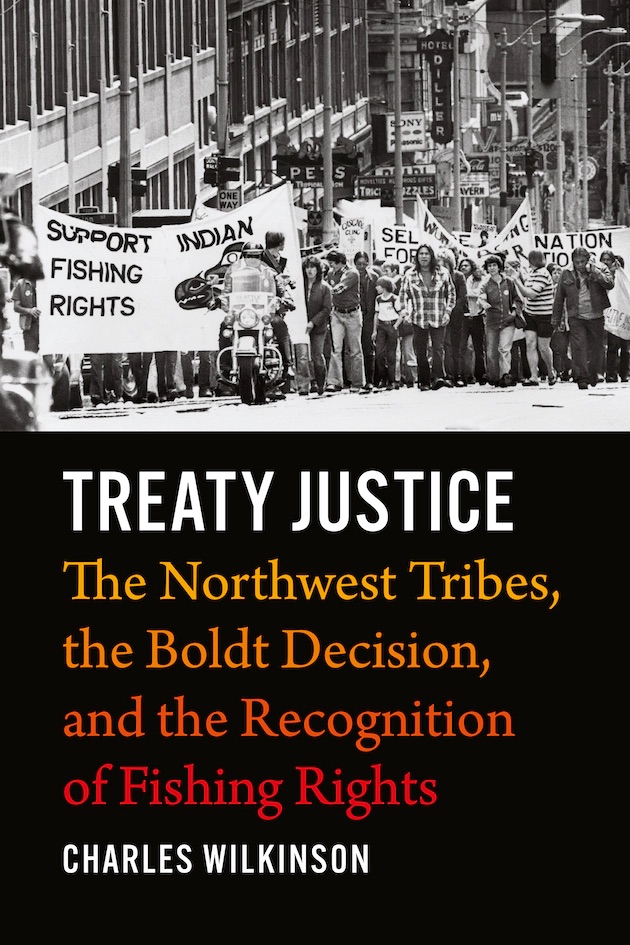
In 1974, Judge George Boldt issued a ruling that affirmed the fishing rights and tribal sovereignty of Native nations in Washington State. The Boldt Decision transformed Indigenous law and resource management across the United States and beyond. Like Brown v. Board of Education, the case also brought about far-reaching societal changes, reinforcing tribal sovereignty and remedying decades of injustice.
Eminent legal historian and tribal advocate Charles Wilkinson tells the dramatic story of the Boldt Decision against the backdrop of salmon’s central place in the cultures and economies of the Pacific Northwest. In the 1960s, Native people reasserted their fishing rights as delineated in nineteenth-century treaties. In response, state officials worked with non-Indian commercial and sport fishing interests to forcefully—and often violently—oppose Native actions. These “fish wars” spurred twenty tribes and the US government to file suit in federal court. Moved by the testimony of tribal leaders and other experts, Boldt pointedly waited until Lincoln’s birthday to hand down a decision recognizing the tribes’ right to half of the state’s fish. The case’s long aftermath led from the Supreme Court’s affirmation of Boldt’s opinion to collaborative management of the harvest of salmon and other marine resources.
Expert and compelling, Treaty Justice weaves personalities and local detail into the definitive account of one of the twentieth century’s most important civil rights cases.
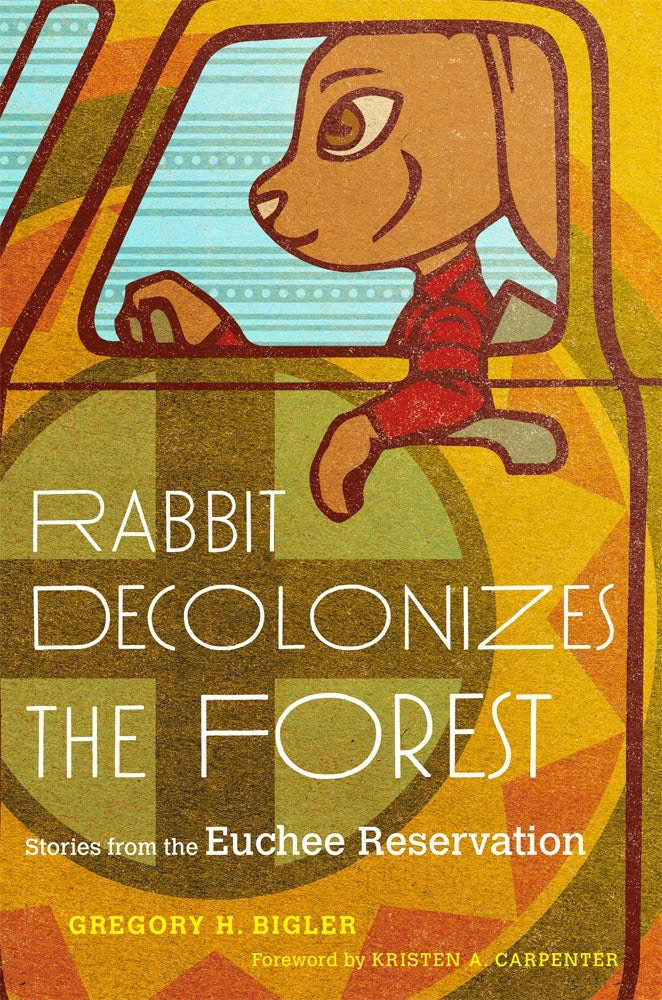
Before their forced removal to Oklahoma in the 1830s, the Euchee people lived in Georgia and other southeastern territories. Today the Euchees are enrolled members of the Muscogee Nation of Oklahoma, but they possess their own language, culture, and traditions. This unique collection by Euchee citizen Gregory H. Bigler combines traditional di’ile (Euchee tales), personal recollections, and contemporary stories to portray a way of life often hidden from view.
Written in an engaging, down-to-earth style, the stories in this book immerse the reader in the everyday experiences of the Euchee community. With his gift for storytelling, Bigler welcomes readers into the lives and culture of the people whose stories he has heard or observed throughout his life and career as a lawyer and judge. Unforgettable characters appear or reappear in various settings, and these figures, whether animal or human, are bound to bring forth a chuckle or leave the reader wanting to learn more about their history. Some of the tales address serious legal injustices, while others poke gentle fun at lofty academic constructs. In the title story, for example, the mischievous character Shajwane (Rabbit), resolves to decolonize the forest, to strip away its “false narrative,” by literally removing all new growth from the trees.
These stories bring to life Euchee traditions that include family ties, the stomp dance, and communal cooking and feasting. Woven throughout is the sacred element of spirit. As Bigler explains in his introduction, the “spiritual” for Euchees signifies not a Western quest for peace or centeredness but a world filled with animate spirits that interact with all of us—as we see them, feel them, or seek them out.
The Euchee people are unknown to most Americans. They inhabit a small area southwest of Tulsa and have yet to receive federal recognition. Yet even in their modern-day lives—as these stories capture so beautifully—the Euchee people remain fiercely determined to show “they are still here.”
The Yale Law Journal’s submissions season opened on February 1, and we are reaching out to see if you would be able to share a call for submissions on Turtle Talk. The Articles and Essays submissions guidelines can be found here.
We greatly appreciate your time, and we hope to hear from you soon!
Best,
Ashlee Fox, Meghan Gupta, and Lily Moore-Eissenberg, on behalf of the Yale Law Journal
This Note argues for a change in the Supreme Court’s treatment of free exercise claims over Indigenous sacred sites. First, this Note reasons that, in Lyng v. Northwest Indian Cemetery Protective Association, the Court set an impossibly high standard for parties bringing sacred site free exercise claims against the government. This insurmountable standard, masking itself as strict scrutiny, implicitly precludes any claimant from prevailing against a government action designated for a sacred site. Further, statutes aimed at protecting religious liberty have resolved little, leaving no choice but to rework the standard.
Next, this Note delves into three pre-existing theories from like-minded critics of Lyng, analyzing the pros and cons of their proposed approaches to sacred site free exercise claims. Lastly, this Note sets forth a novel test which modifies the framework courts currently use in free exercise jurisprudence. Appreciating the fundamental distinctions between religious land and religious acts, this new test is uniquely tailored to address claims over sacred lands. This proposed test seeks to (1) give religious claimants a realistic opportunity to meet their initial burden in court, (2) put sacred site claims on equal footing with other free exercise claims, and (3) address the Supreme Court’s concerns with overexpanding free exercise doctrine.






 Turtle Talk
You must be logged in to post a comment.