New Scholarship on the Morrill Act and Native Lands Dispossession

Teresa M. Miguel-Stearns, Samantha Ginsberg, and Kristen Cook have posted “More Than Morrill: The Intertwined History of Indian Land Dispossession, Arizona Statehood, and University Enrichment,” published by the Arizona Journal of Environmental Law and Policy, on SSRN.

Here is the abstract:
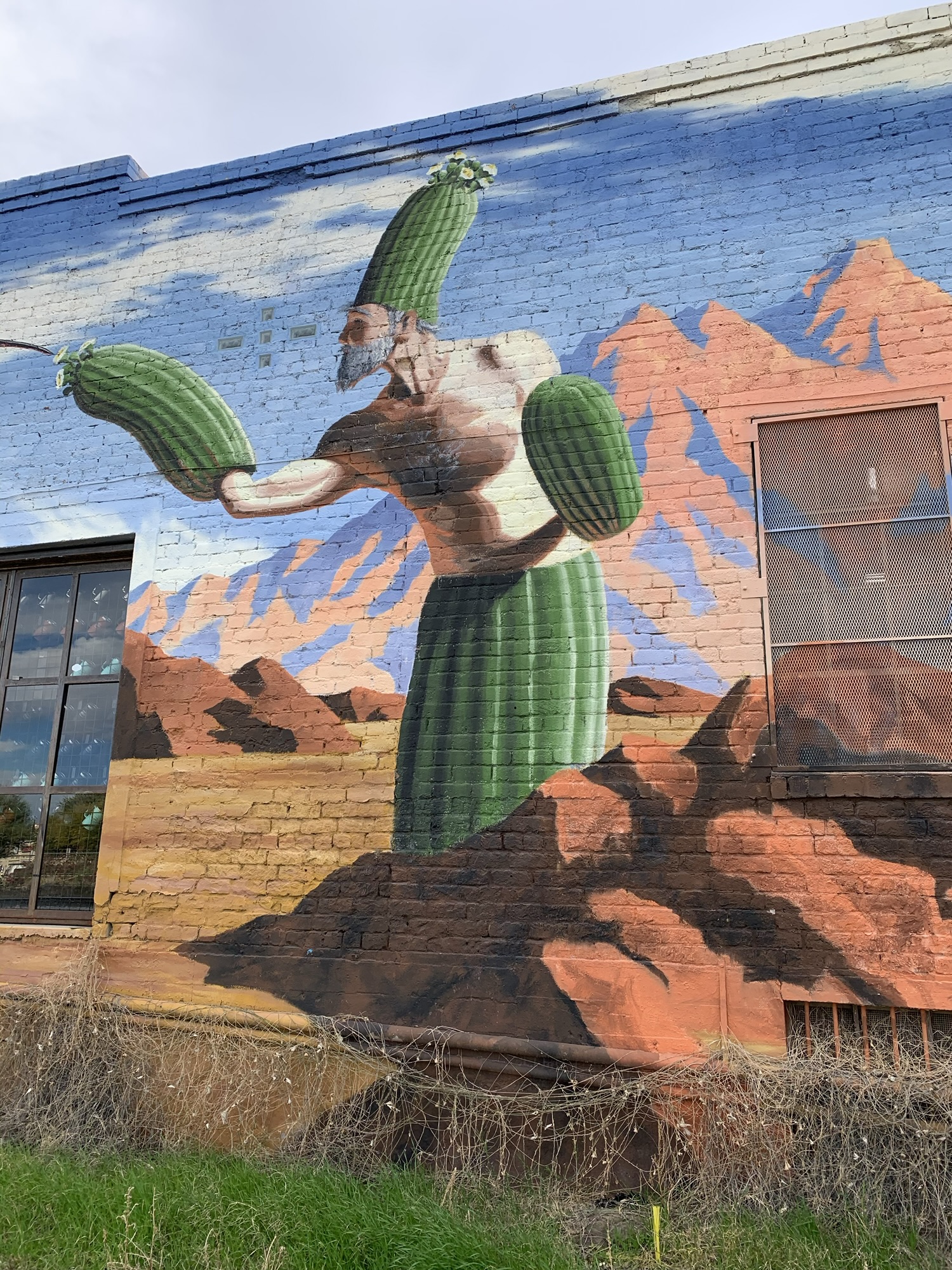
Through the federal government’s university land-grant programs, which began with the Morrill Act in 1862 and continue today, Congress has systematically allocated millions of acres of land in the western United States to states to create endowments to support the public higher education of its citizens. In Arizona, land was taken from Indigenous peoples, communities, tribes, and nations by treaty, act of congress, executive order, and force to accomplish this. As a result, by the time of statehood in 1912, the state of Arizona had accumulated approximately 850,000 acres of land around the state on behalf of higher education, including the University of Arizona, then the state’s only university and its designated land-grant institution. Today, the Arizona State Land Department still holds and manages 688,706 acres of land in trust for the benefit of public higher education. All three of Arizona’s public universities receive distributions from the revenue generated by these trust lands. The goal of this paper is to explore and analyze the University of Arizona’s historical and ongoing enrichment from land taken from Indigenous peoples by the federal government and transferred to the territory and, later, the state of Arizona in the nineteenth and early twentieth centuries for the benefit of institutions of higher education. A comprehensive understanding of Arizona’s history and the state’s current holdings and financial benefits is required to examine the policy implications and moral and legal obligations that Arizona and its universities have to Indigenous peoples in Arizona. 
Stroble v. Oklahoma Tax Commission — State Brief in Opposition to Cert

Here:

Oklahoma Brief in Opposition

Cert petition here. Amicus briefs in support of the petition here.

Sault Tribe v. Michigan — Briefs in Opposition to Cert

Here:

Federal Brief in Opposition

Tribal Brief in Opposition

Petition here.

Oklahoma Indian Bar Association CLE: “McGirt: The Promise Continues” — Dec. 8, 2025

Register here.

Christian McMillen on Forced Fee Patents

Christian McMillen has published “I Didn’t Know That a Patent Was a Dangerous Thing”: Forced Fee Patents, Native Resistance, and Consent” in the Western Historical Quarterly.

Here is the abstract:

Between 1906 and 1920 the Bureau of Indian Affairs (BIA) issued more than 32,000 fee patents, covering 4.2 million acres of land. More than half of the patents were issued between 1917 and 1920. The BIA forced many of these patents upon Native people without their consent. When individually allotted land went from trust to fee, the land was taxed and could be sold. The consequences were devastating. Was this legal? Many Native people protested their fee patents, but others did not. Indeed, protesting dispossession was an act of courage and defiance. Native protest led to a legal precedent that had an impact across Indian country: consent was required. But was compliance synonymous with consent? Must one resist a policy found to be illegal in order for it not to apply? For a time, the answer was yes. Ideas about consent began to change leading to another series of legal challenges to the Bureau’s forced fee patent policy.

Wisconsin Federal Court Rejects Hobart’s Challenge to Oneida Trust Land Acquisition

Here are the materials in Village of Hobart v. Dept. of the Interior (E.D. Wis.):

Wisconsin Federal Court Dismisses Non-Indian Property Owners’ Suit Asserting Menominee Tribe is to Blame for Their Tax Bill

Here are the materials in Legend Lake Property Owners Assn. v. Menominee County (E.D. Wis.):

Prior post here.

New Scholarship on the Boarding School Initiative

Diane Marie Amman has posted “Child-Taking Justice and the Federal Indian Boarding School Initiative,” published in the American Journal of International Law and the Supreme Court Law Review, on SSRN.

Here is the abstract:

The focus of this article is the 2022–2024 Federal Indian Boarding School Initiative undertaken the U.S. Executive Branch. The article chronicles this three-year process, which included sessions with survivors and their descendants, and which resulted in a two-volume report, in an apology by President Joe Biden, and in designation of a national memorial at one of the most notorious school sites. This article examines the initiative as an example of “child-taking justice”; that is, as a process of what is called “transitional justice”, done in an effort to redress the takings of children from their community, followed by efforts to alter, erase, or remake the children’s identities. The initiative shed glaring light on the past history and present effects of a centuries-old practice by which the United States took Indigenous children from their families and forced them to attend residential schools where they were compelled to submit to Westernized and Christianized notions of “civilization.” 

Unfolding within the internal constitutional framework of the United States, the U.S. initiative benefited from meaningful engagement with affected communities. This article nonetheless argues for a framing that also addresses external frameworks; to be specific, one that engages fully with applicable international law and lessons learned elsewhere. The argument runs counter to the United States’ longstanding practice of holding international human rights law at arm’s length, while pressing other countries to conform to that law’s strictures. Efforts of a U.S. human-rights-at-home movement have not reversed that trend. Thus the U.S. initiative made only a hesitant overture to international issues and to three countries, Canada, Australia, and New Zealand, with which it claimed kinship. The 2025 inauguration of a President hostile to rights-based justice pointed to limitations of this approach.

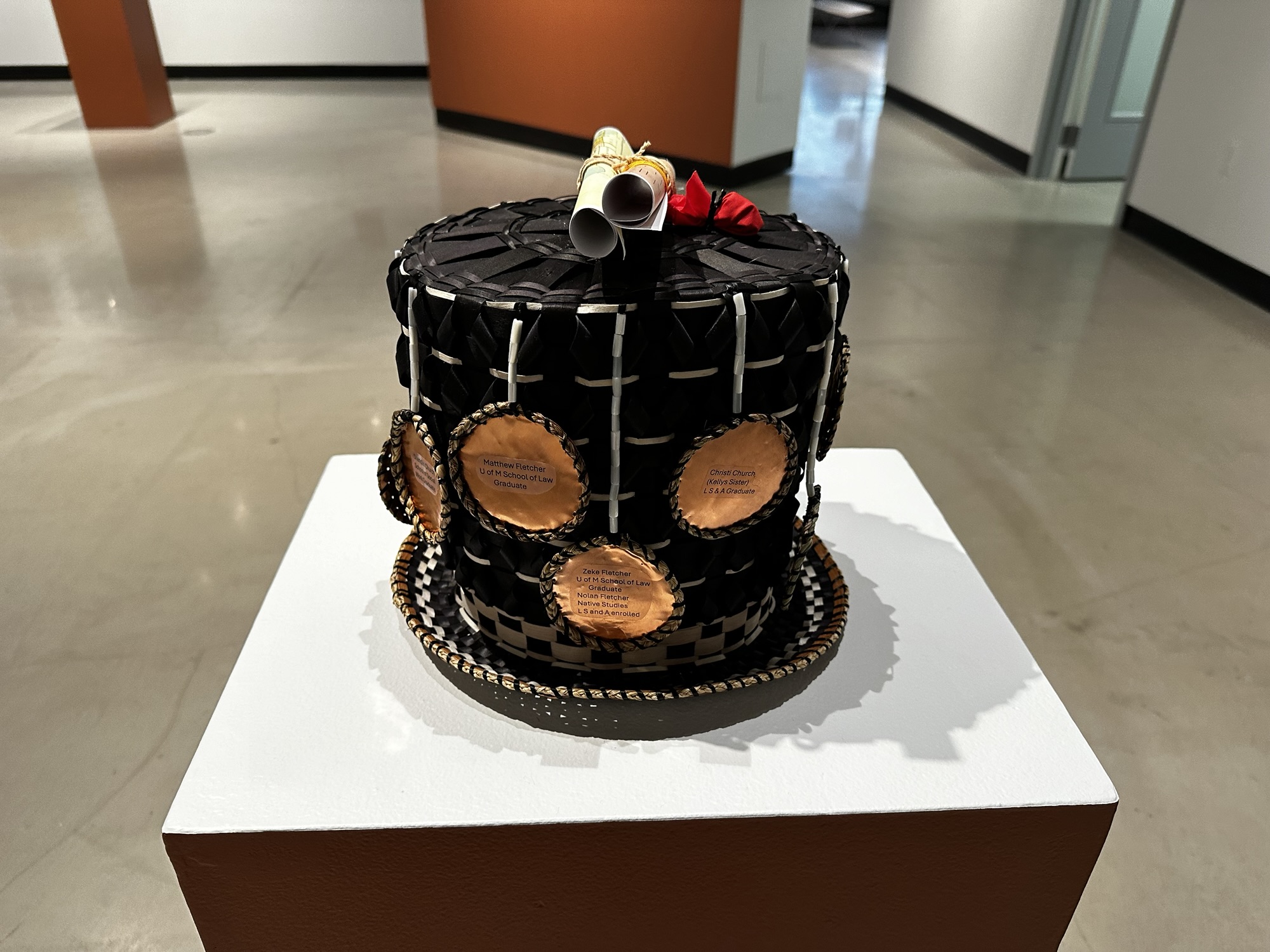
Kelly Church

Michigan COA Holds Mackinac Band Member Possesses Fishing Rights

Here is the opinion in People v. Caswell.

Prior opinion here.

Briefs when we get them

Ute Tribe Amends Complaint in Lands Suit

Here is the amended complaint in Ute Indian Tribe of Uintah and Ouray Indian Reservation v. Ure (D. Utah):

Prior post here.