Oral Argument in Oklahoma Tax Commission v. Sac and Fox Nation: Bill Rice Addresses the Court

For one of the finest oral arguments of our time, and a very good thing for National NALSA moot court competitors to hear as they prep for the competition a few weeks away, check out Bill Rice arguing before the Supreme Court, beginning at about 34:20:

Here.

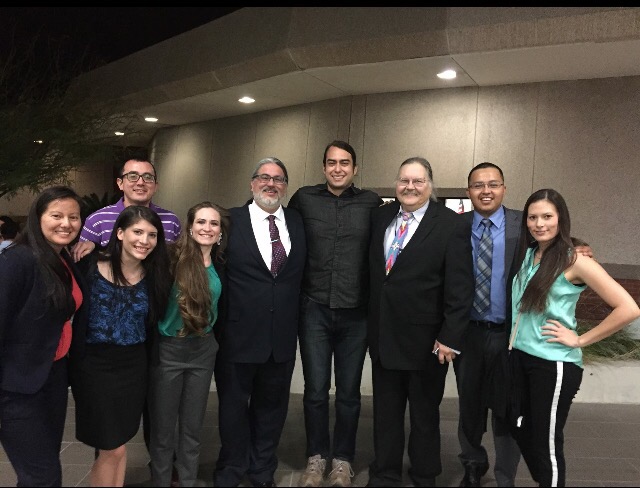
Bill Rice with Students — A Legend in Indian Law Has Walked On

  
Thanks to Tamera Begay for sending this along.

Justice Scalia Reported Dead

Here from BBC.

San Antonio press.

CBS. NBC.

LA Times.

NYTs.

Karuk Tribe Housing Authority Request for Qualifications

Download announcement and description for general counsel here.

Amicus Briefs in Pro-Football v. Blackhorse (4th Cir.)

59 Brief of Amici Curiae Native American Organizations in Support of Appellees

60 Brief of the Navajo Nation as Amicus Curiae in Support of Defendants-Appellees

61 Brief of Amici Curiae Fred T. Korematsu Center for Law and Equality, National Native American Bar Association, National Asian Pacific American Bar Association, Native Hawaiian Bar Association, and California Indian Law Association in Support of Defendants-Appellees and Affirmance

Link to previous postings in the trademark case here.

North Dakota Motion to Dismiss in Brakebill v. Jaeger

Download memorandum in support here.

Link to complaint in previous post here.

ASU e-Commerce Legal Update

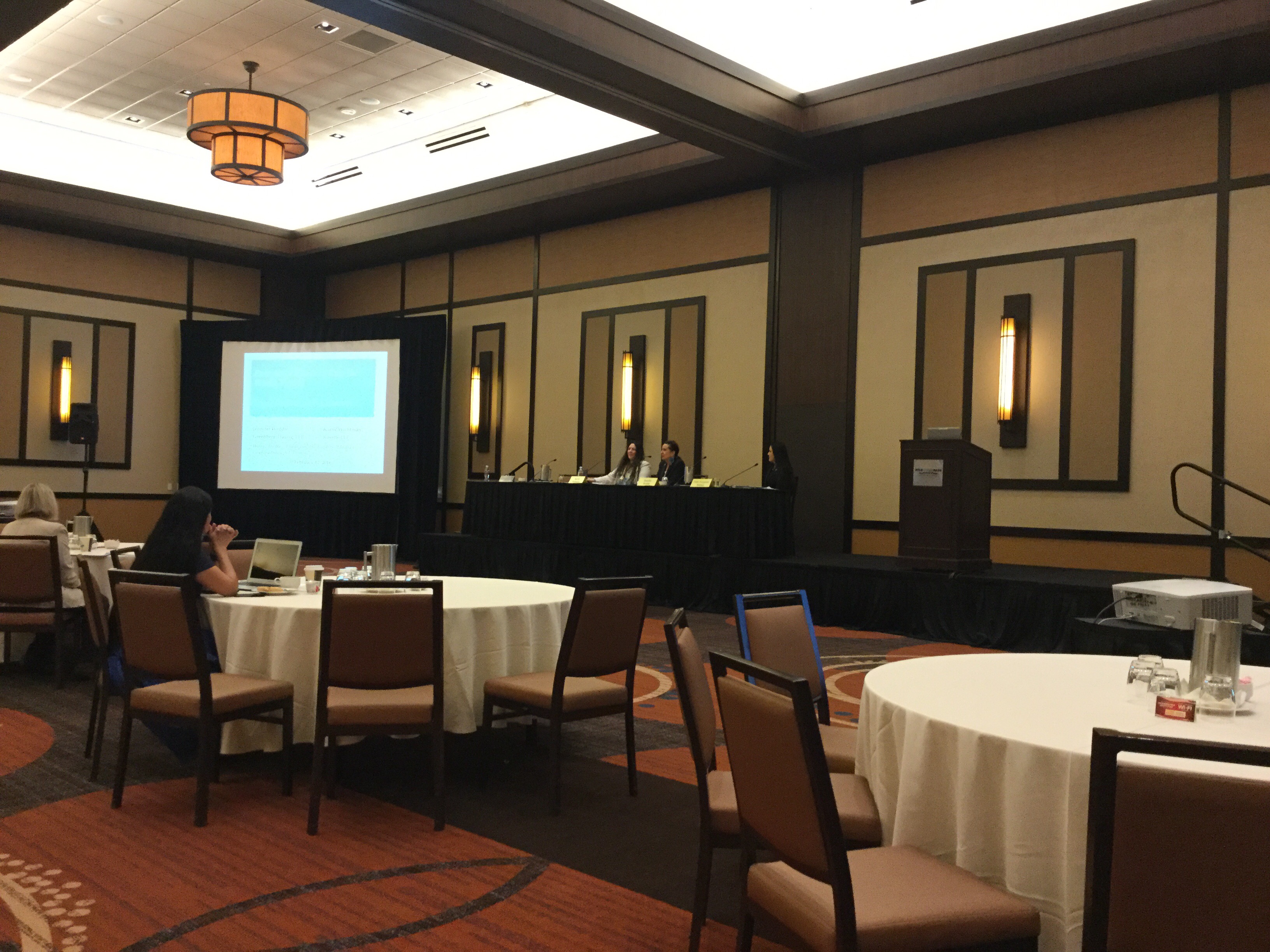
Karrie Wichtman and Jen Weddle


Arizona State e-Commerce Conference

Patty Ferguson-Bohnee

  
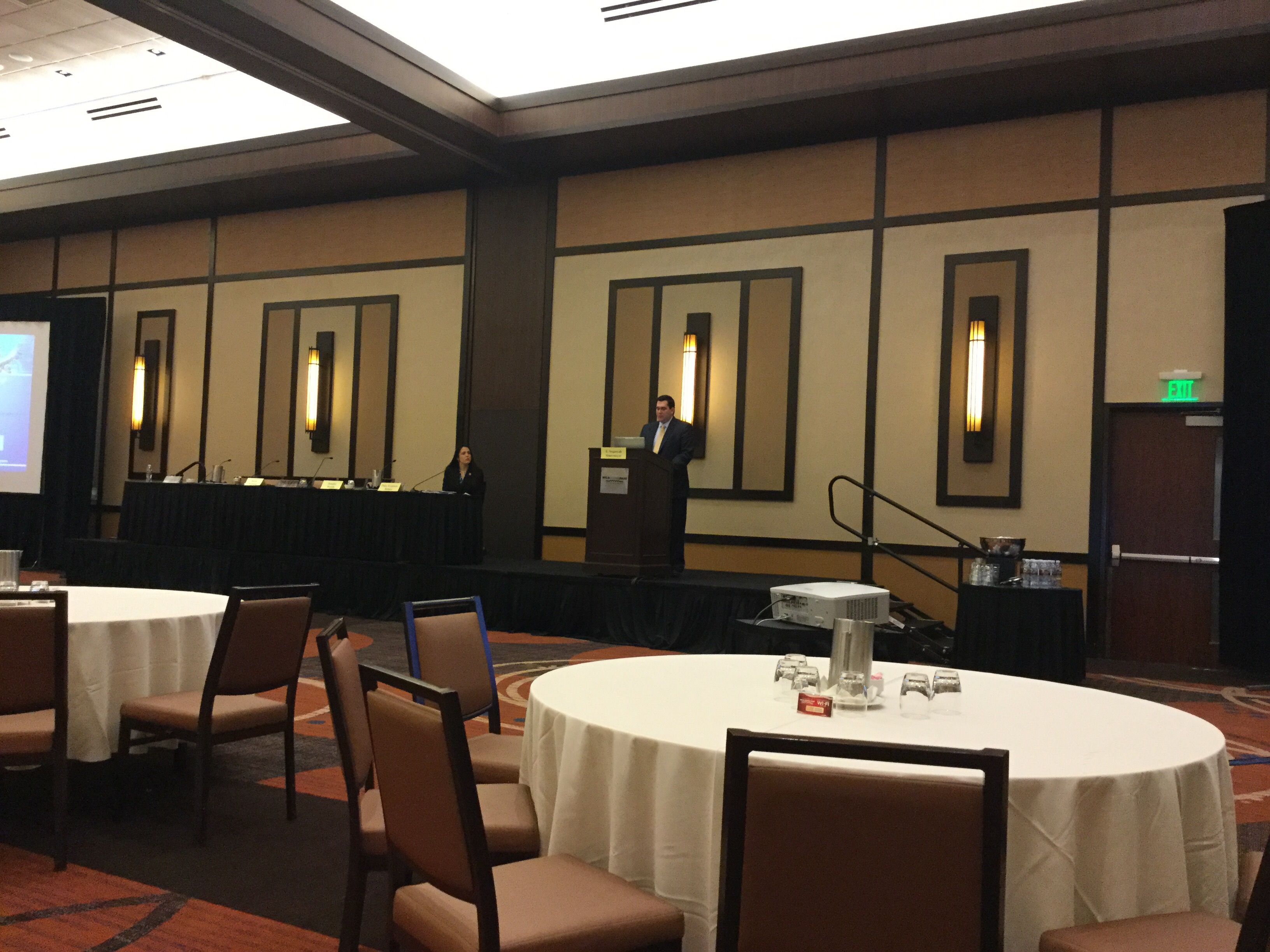
Sequoyah Simermeyer


Rebecca Webster on cooperative land use planning on the Oneida Reservation

Rebecca Webster has published “This land can sustain us: cooperative land use planning on the Oneida Reservation” in Planning Theory & Practice.

Here is the abstract:

Land use planning in indigenous communities often takes place within state-based planning initiatives, leaving indigenous governments to serve as token participants. Through these initiatives, state-based governments have the ability to wield their power and control the planning process to the detriment of indigenous governments. This study sets forth an alternative option involving cooperative land use planning practices where neither government controls the planning process. Drawing upon a case study of the Oneida Reservation in Wisconsin, USA, this study explores ways to increase cooperative land use planning relationships between indigenous and state-based governments. As one of the few empirical studies to apply critical planning theory to advocate for increased cooperative land use planning, this paper proposes a series of recommendations that can help indigenous and state-based governments avoid conflicts and work toward cooperative relationships.
Colorado River Indian Tribes Associate Judge Posting

Here:

ASSOCIATE.JUDGE.ANNOUNCEMENT