



There were many others but kept forgetting to take pics….
There were many others but kept forgetting to take pics….
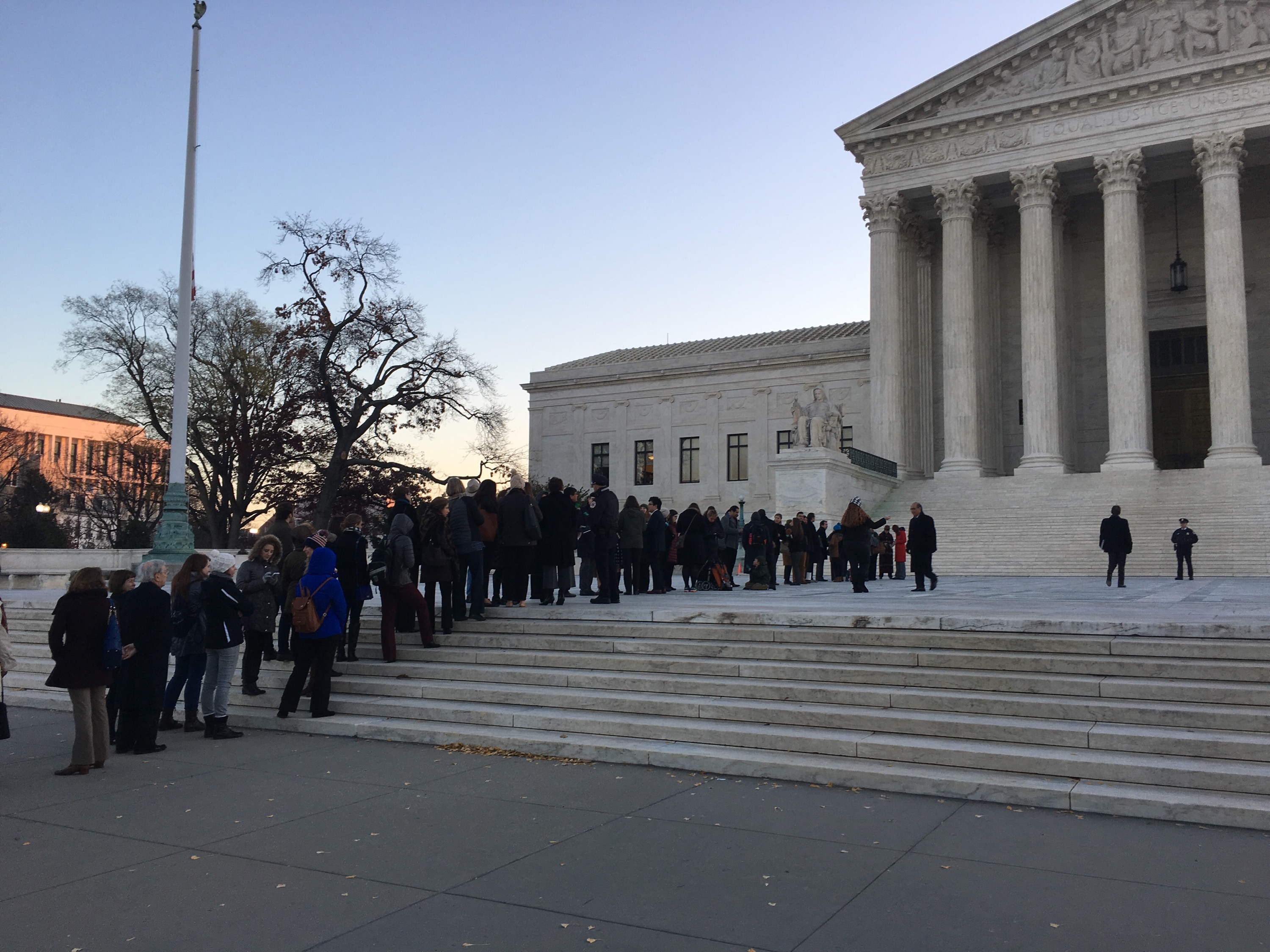

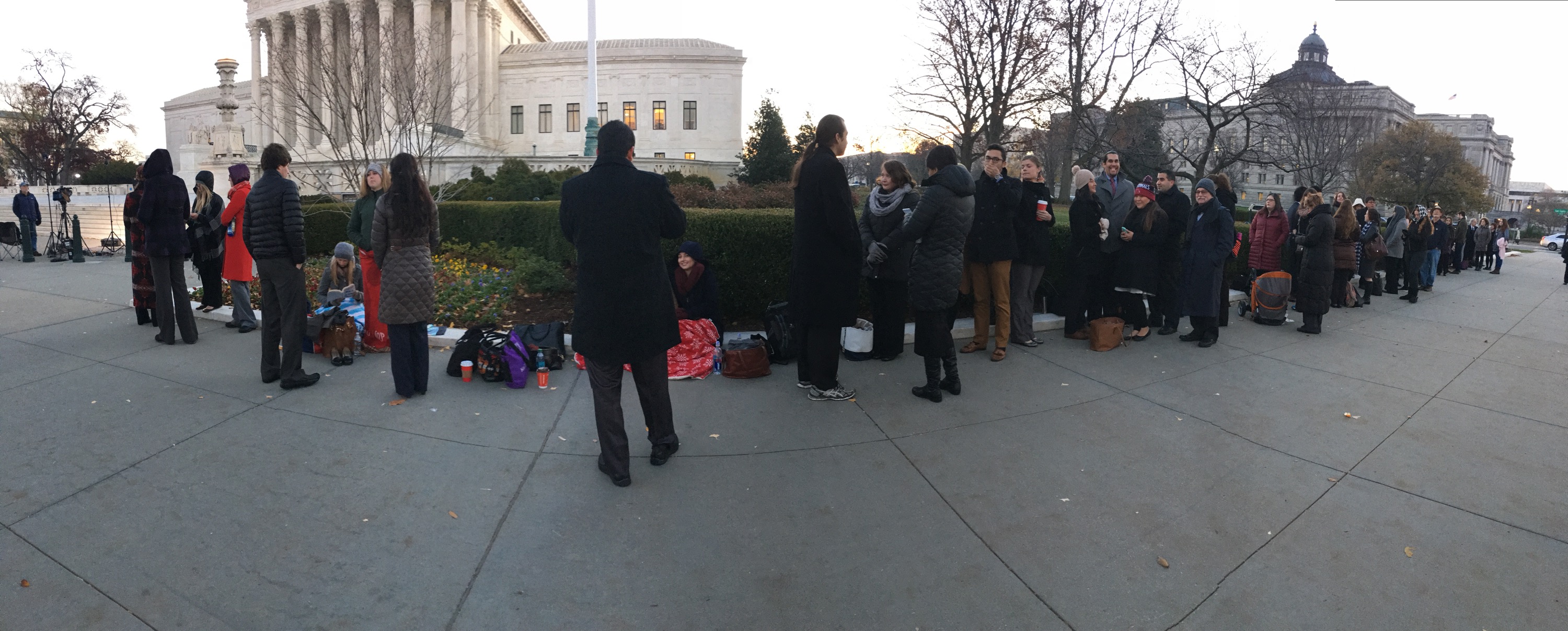
Here is “Supreme Court case draws Tulalip’s attention.”
Link to Stanford Law article here.
Excerpt:
Let me give you an important example from this case, based on what Dollar General seems to think is its strongest historical argument. The company relies heavily on a couple of treaties with two Native nations in what is today Oklahoma—treaties that seem to strip civil jurisdiction over non-Natives from those tribes in particular. But those treaties are hardly representative of the history of even those two tribes, let alone all the histories of all of the over five hundred different federally recognized tribes. Soon after the handful of treaties referenced by Dollar General, the federal government began contemplating an Indian state in what was then Indian Territory, so it entered new treaties that explicitly granted this new Native government civil jurisdiction over non-members. Later in that century, Congress reversed course and, in creating the state of Oklahoma, abolished tribal courts there altogether. But only thirty years after that, in the 1930s, Congress changed policy again, and passed a law that permitted the re-establishment of tribal courts in Oklahoma. And this is just two Native nations over a span of eighty years. This single example, I think, suggests some of the challenges: we simply can’t distill centuries of change and contradiction into a single, unambiguous narrative.
Here is “Argument preview: The future of tribal courts — the power to adjudicate civil torts involving non-Indians,” on SCOTUSblog.
Dollar General briefs and other materials are here.
“Petitioners are the non-Indian operators of a
business on a tribal reservation. Respondent Doe is a
member of the tribe. Doe seeks to hale petitioners
into his tribal court, asking the tribe to award him
millions of dollars in damages (including punitive
damages) for an alleged violation of unwritten tribal
tort law by one of petitioners’ employees.”
Additional Briefs HERE
Here, “YGSNA Members Prepare Amicus Briefs for the U.S. Supreme Court, DOLLAR GENERAL CORP. vs. MISSISSIPPI BAND OF CHOCTAW INDIANS.” An excerpt: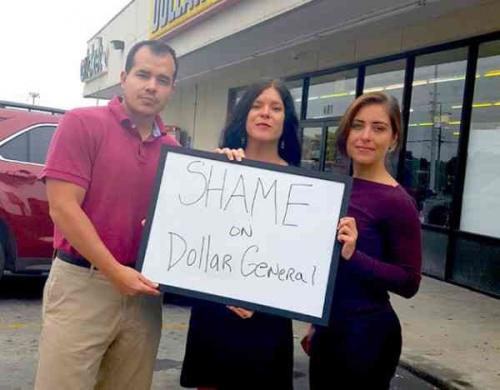
In 2000, the Dollar General Corporation entered into a series of agreements with the Mississippi Band Choctaw Indians to open a Dollar General store on the Tribe’s lands in Mississippi. Numerous national chains and corporations maintain commercial establishments on tribal lands, leasing lands, facilities, and related commercial venues for their enterprises. Such leases and agreements form contracts that are executed by both tribal and corporate attorneys.
Dollar General agreed not only to lease lands from the Tribe for its retail business but also to enter into the Tribe’s Youth Opportunity Program, which places tribal youth in working environments. In Summer 2003, a 13-year-old entered this program and was placed within the Dollar General store under the supervision of a store manager who, the minor and his parents allege, sexually assaulted him. Since the United States Supreme Court, in 1978, declared that Tribal Governments may no longer exercise their inherent criminal jurisdiction over Indians who commit crimes on tribal lands, the minor, his family, and the Tribe looked to the local U.S. Attorney’s Office for prosecution. The United States declined to proceed with a criminal complaint, and the minor and his parents then sued Dollar General and its employee in tribal court, seeking damages relating to the child’s injuries. The District Court and Mississippi Band of Choctaw Supreme Court both sided with the minor.
Here:
13-1496bsacPuyallupTribeOfIndians
13-1496 bsac Historians and Legal Scholars
13-1496bsacNationalCongressOfAmericanIndiansEtAl
13-1496bsacNationalIndigenousWomensResourceCenter
13-1496 bsac Cherokee Nation et al
These briefs are also available at our regular page of background materials on the case, along with all the other briefs so far.
Here:
National Indigenous Women’s Resource Center Brief
Initial Amicus Briefs posted here.
We’re posting all materials here.
 Turtle Talk
You must be logged in to post a comment.