Here.
NYTs: “Among the Navajos, a Renewed Debate About Gay Marriage”
Here.
Here.
Here is “Navajos Face Leadership Crisis as Lawmakers Take Office, Minus a New President.”
Here we go again (first bracket here):
# 2 Sault Ste. Marie Tribe of Chippewa Indians
Perhaps the most immediate beneficiary of the Bay Mills win in the Supreme Court, which persuaded the State of Michigan to seek another route to fighting Sault Tribe’s Lansing casino proposal. But not before Sault Tribe proposed two huge off-reservation casinos. Oh yeah, they won a $74 million contract case, too. Pretty good year.
v.
# 15 Fond du Lac Band of Lake Superior Ojibwe
Still embroiled in disputes (here and here) with the City of Duluth over the Fond du Luth Casino and related properties. Won one right before Christmas though.
# 7 Gun Lake Tribe
Seeding might be a little high; a little hometown bias. Anyway, who else got Congress to overturn a Supreme Court decision in 2014, hosted the Potawatomi Gathering, and is an overall, good citizen?
v.
# 10 Wind River Tribes
Lots of action this last year, what with Wyoming going berzerk over the EPA’s decision to let tribal agencies measure air quality, and with much internal strife. 2015 should be a real interesting year.
# 3 Bay Mills Indian Community
Well, they won a Supreme Court case. Not a whole lot else going on. Sault Tribe, as we noted, passed them in the seeding.
v.
# 14 Cowlitz Tribe
Along with Interior, won a big one over neighboring tribes who claimed Cowlitz is a tribe barred from eligibility for trust land acquisitions by Carcieri.
#6 Navajo Nation
How can Navajo be seeded so low? They’re arguably the most important tribe every year, right? Well, yes, but they took some hits this year, too. Lost a tribal civil jurisdiction case in the Ninth Circuit, lost (or did they concede) on whether New Mexico can transport tribal members off rez to take drug tests, is going through one of the ugliest tribal election disputes in recent memory, fighting off Hopi and enviro challenges to their energy generators, lost a big water rights case, suffered through an ugly internal fight over a tribal resources company, lost one in the D.C. Circuit, got some bad news on uranium pollution, and lost legendary code talker Chester Nez. On the other hand, Navajo settled a huge trust case with the feds, won one against HUD, won a big one in the Ninth Circuit on Navajo’s tribal preference in employment statute, and hosted Michigan and Michigan State law students over spring break.
All in all, no one beats Navajo on volume, but this one’s a mixed bag.
v.
# 11 Lac Courte Oreilles Band of Lake Superior Ojibwe (and other Wisconsin treaty tribes)
Won a huge treaty rights case in the Seventh Circuit (miigwetch Judge Posner) on the night deer hunting controversy.
Here.
Here is the opinion in State v. Charlie:
An excerpt:
In summary, the testimony that the Navajo Nation enabled cross-commissioned State Police officers to transport Navajos off the reservation for chemical testing to investigate Navajo Code violations was unopposed. Defendants instead argued that in spite of this testimony, extradition protocols had to be followed. They erred as a matter of law because no extraditions occurred. In addition, because Defendants’ only argument for lack of jurisdiction erroneously relied on the purported need to follow Navajo extradition procedures, the Court of Appeals erred in reversing the district court decisions on bases that exceeded the scope of review. As a result, we reverse the Court of Appeals.
Here are the materials in In the Matter of Vallecito Gas LLC (Morton v. Yonkers):
This is a Chapter 11 bankruptcy trustee who was trying to void overriding royalty interests purchased by third parties from a Navajo Tribe, but without approval by the Navajo Nation as per the Navajo Code. The Court agreed with the Bankruptcy Court that the Trustee could not raise the lack of Navajo approval as an impediment to the validity of the underlying transfer of the overriding royalty interests. Although the Navajo Code requires the approval from the Navajo Nation for such transfers, the Court reasoned that because the Navajo Code does not serve to protect the Trustee’s interests, but rather to protect the Navajo Nation from exploitation, the Trustee was not permitted to raise the lack of approval.
Here. The amendment appears minor:
At Slip Op. 22, 768 F.3d at 974, the sentence beginning with <The Indian preference exemption> and ending with <does not extend to Indians.> is deleted and replaced with:
The Indian preference exemption contained in Section 703(i) is therefore necessary to clarify that Title VII’s prohibition against racial or national origin discrimination does not extend to preferential hiring of Indians living on or near reservations.
Panel materials here.
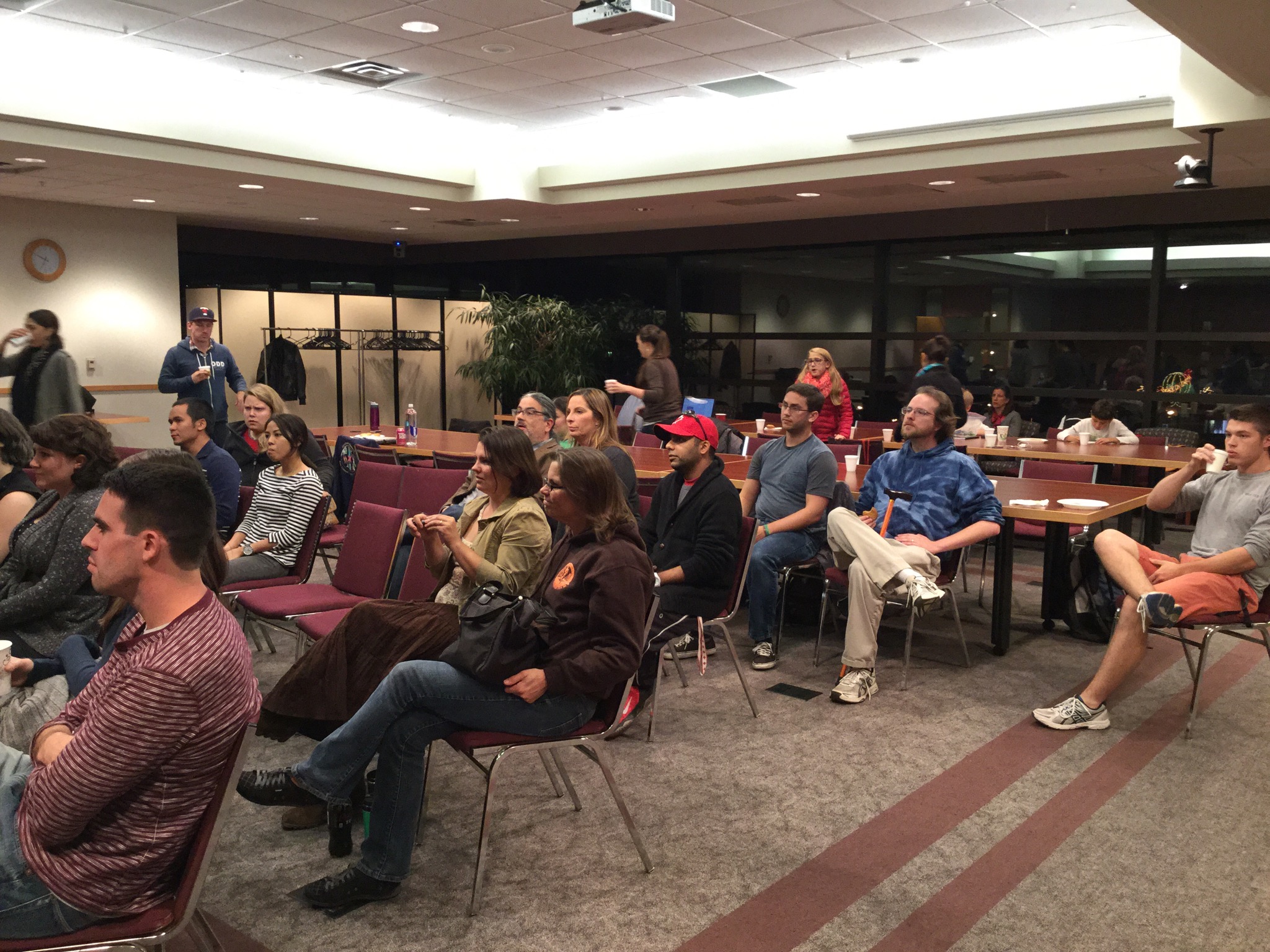
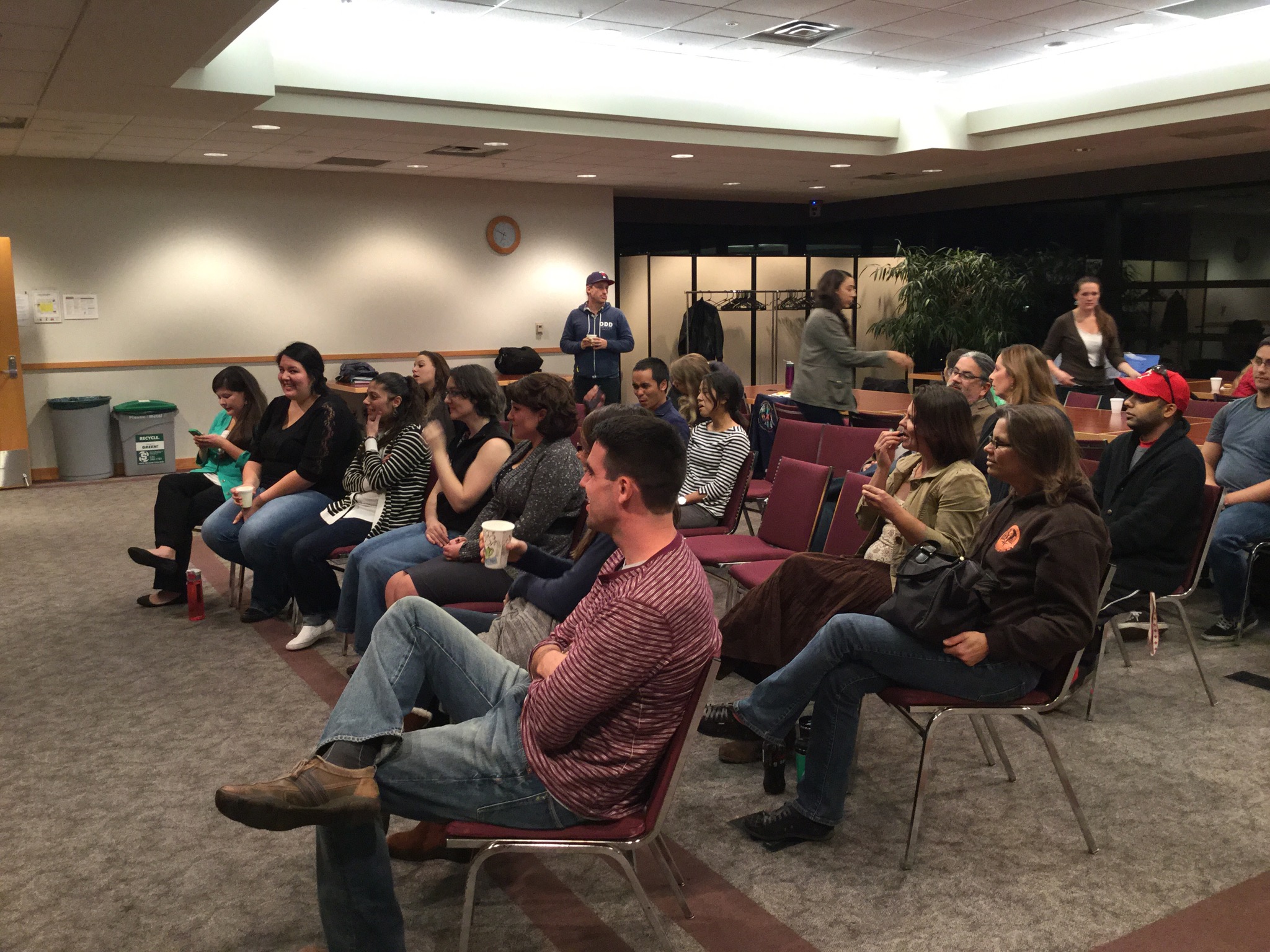
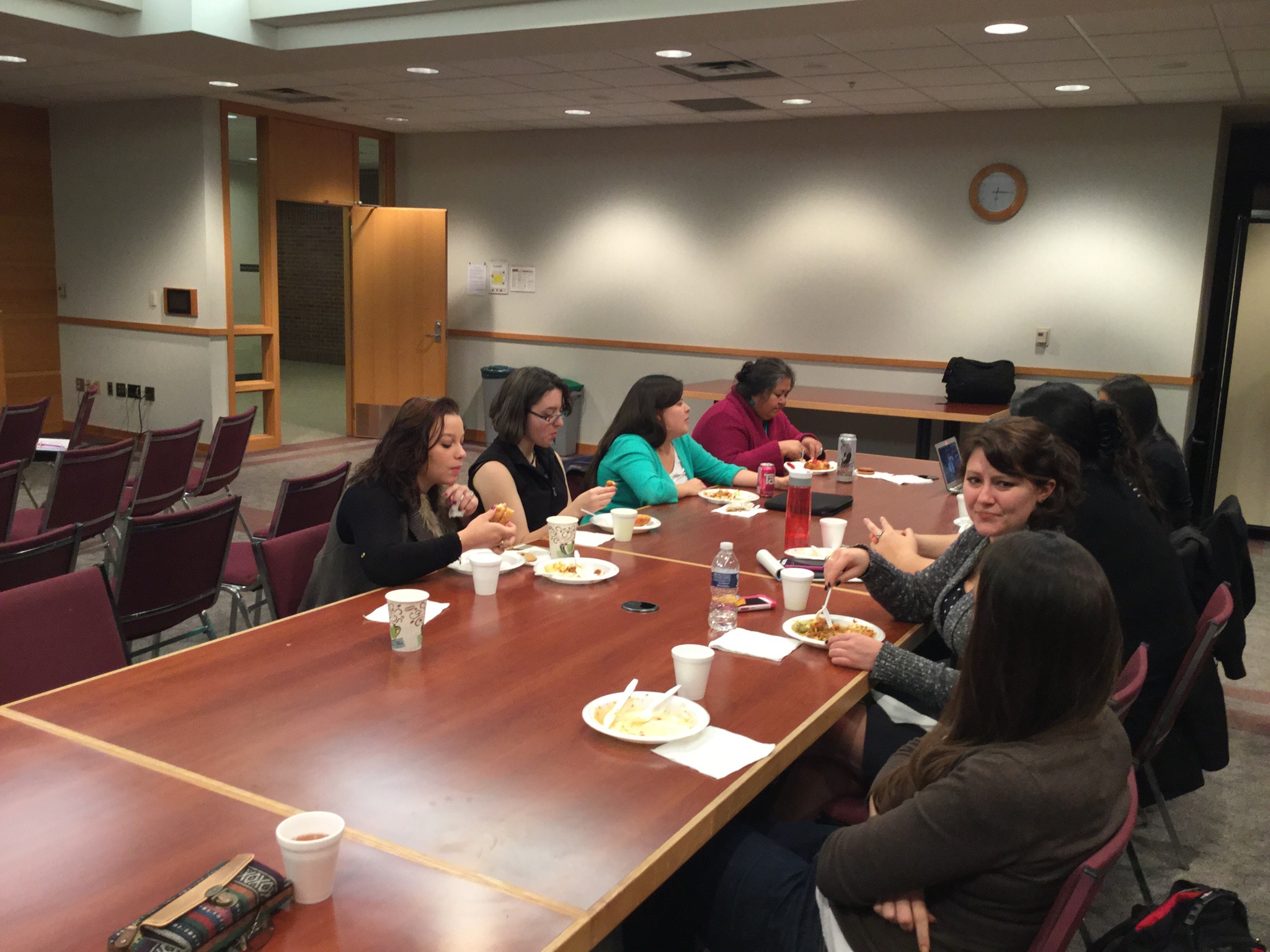
The crowd
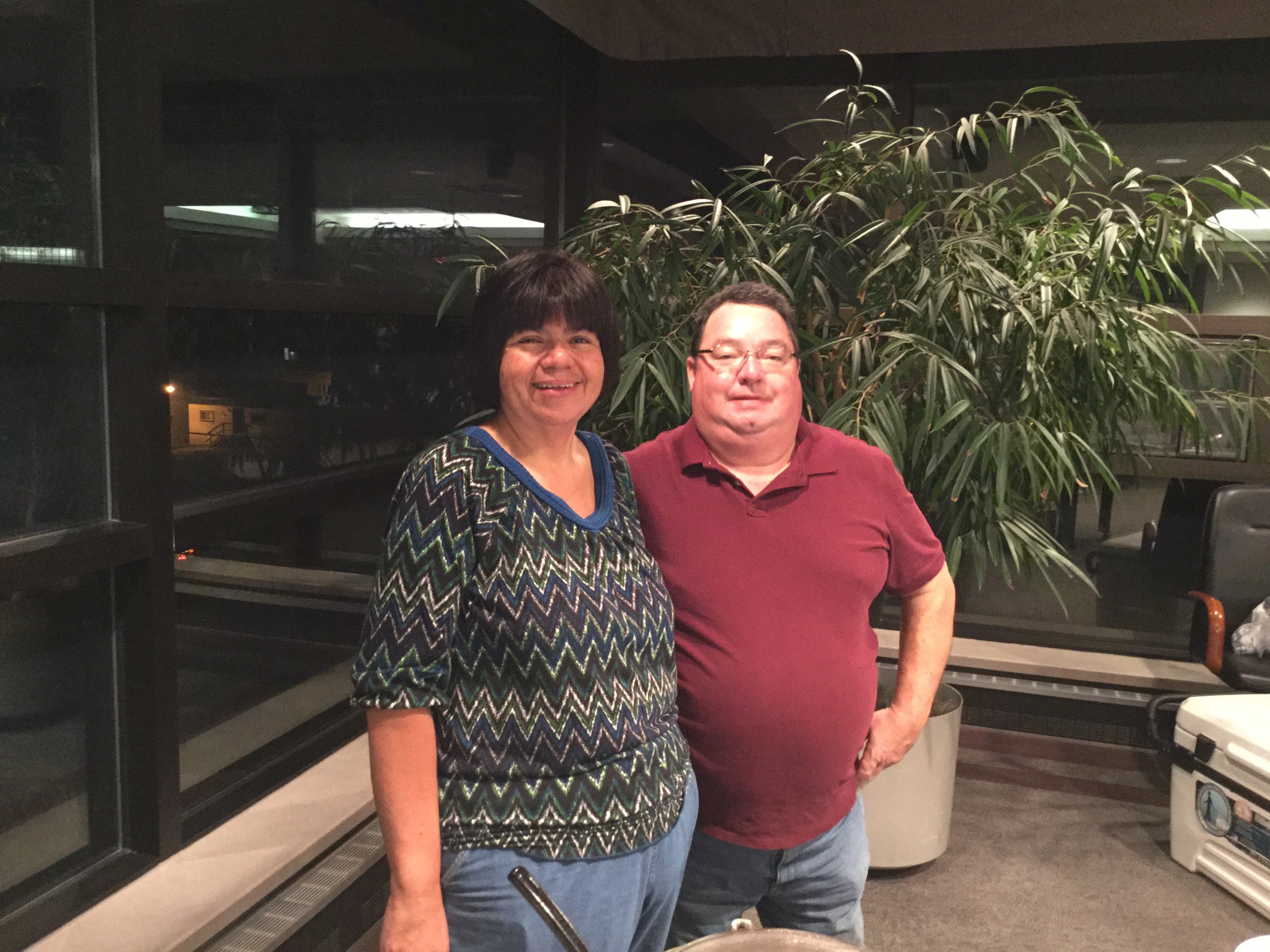
The cooks — the Menefees
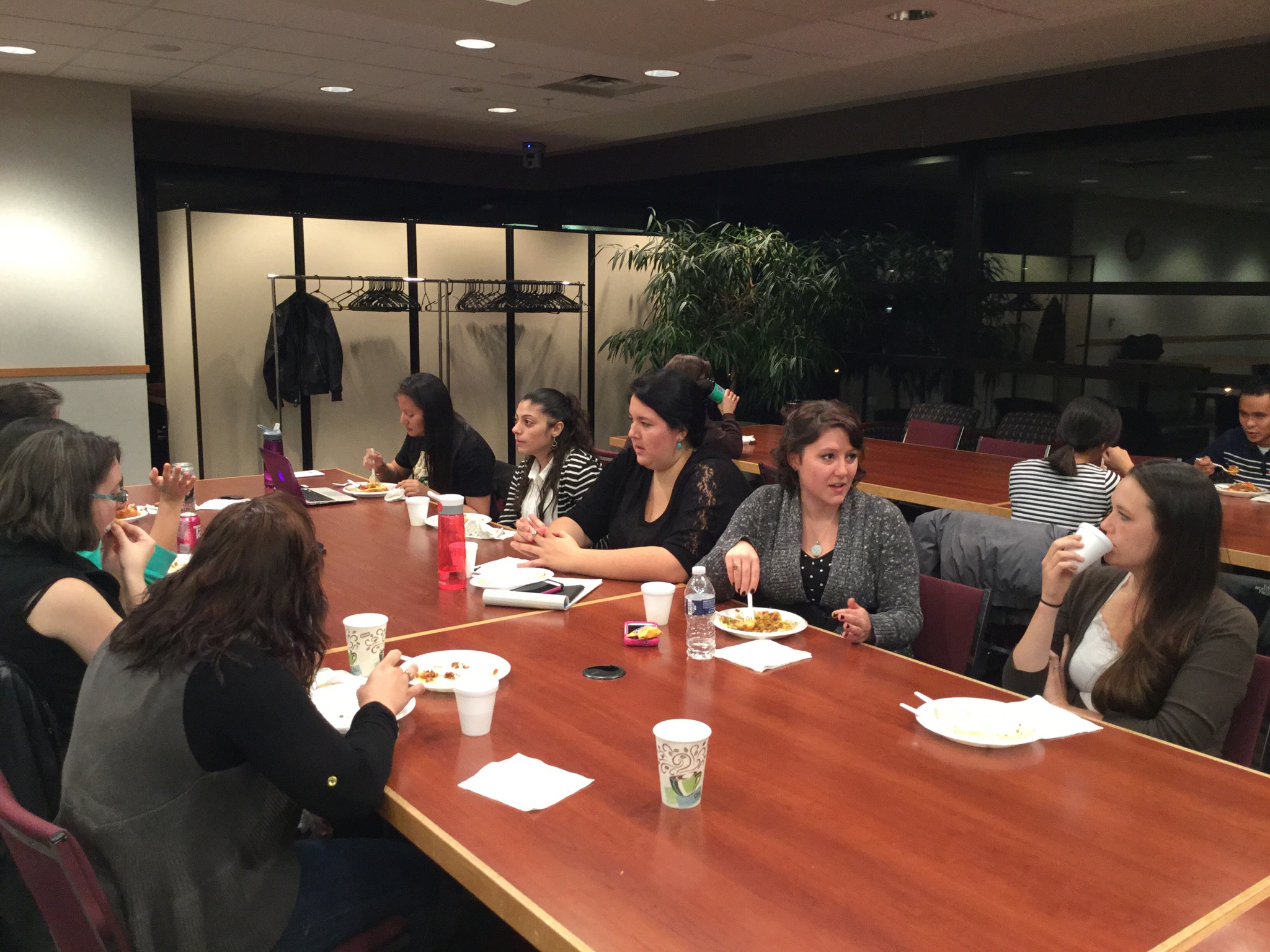
Hungry law students
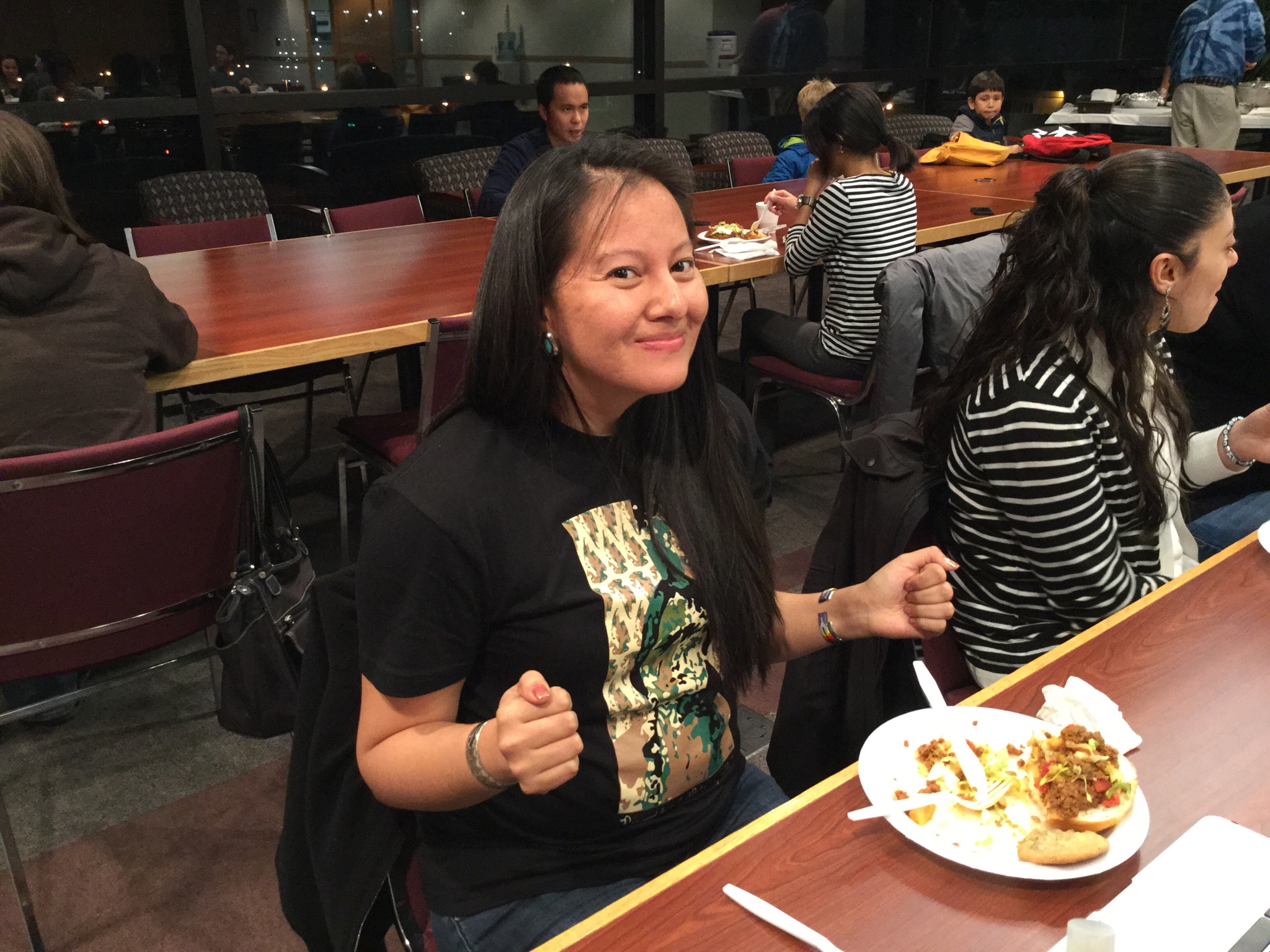
Tamera Begay, the hostess
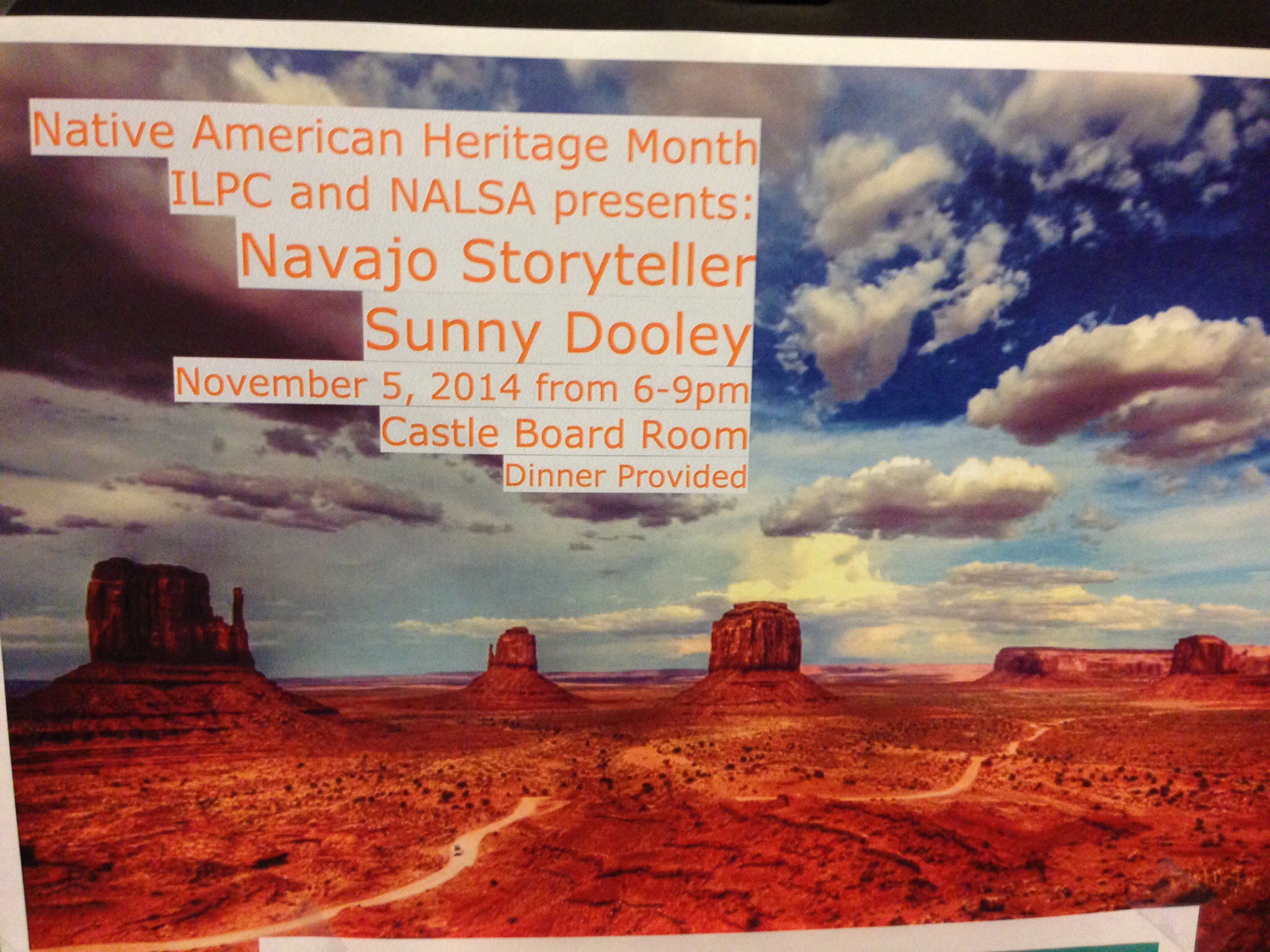
The event
As part of the Obama Administration’s historic commitment to ensure that all students attending Bureau of Indian Education (BIE)-funded schools receive a world- class education, U.S. Secretary of the Interior Sally Jewell and Assistant Secretary – Indian Affairs Kevin K. Washburn today announced that six federally recognized tribes have been awarded $1.2 million in Sovereignty in Indian Education (SIE) enhancement funds to promote tribal control and operation of BIE-funded schools on their reservations. The funds implement a recommendation contained in the Blueprint for Reform of the Bureau of Indian Education issued on June 13, 2014, by the American Indian Education Study Group convened by Secretary Jewell and U.S. Education Secretary Arne Duncan.
“Increasing tribal control over BIE-funded schools not only promotes tribal self-determination, but also provides greater tribal discretion in determining what American Indian children should learn, increasing accountability throughout the school system,” Secretary Jewell said. “With school management authority, these communities will have more power to create lessons with tribal cultural values and Native languages, both of which can ensure their children stay connected to their heritage and help them to succeed in the future. These enhancement funds can make the difference in an effective, relevant and rigorous education for American Indian children.”
The following tribes will receive enhancement funding:
- Gila River Indian Community, Sacaton, Arizona
- Standing Rock Sioux Tribe, Fort Yates, North Dakota
- Turtle Mountain Band of Chippewa, Belcourt, North Dakota
- Tohono O’Odham Nation, Sells, Arizona
- Navajo Nation, Window Rock, Arizona
- Oglala Sioux Tribe, Pine Ridge, South Dakota
Full press release here.
 Turtle Talk
You must be logged in to post a comment.