Winter King published “Could the Hobby Lobby Ruling Have Saved the San Francisco Peaks?”
Read more at http://indiancountrytodaymedianetwork.com/2014/07/15/could-hobby-lobby-ruling-have-saved-san-francisco-peakssacred sites
Summary and Pictures from Finland, Sacred Sites Conference
I was lucky to be invited to give a keynote presentation at an International Conference titled “Experiencing and Protecting Arctic Sacred Sites and Culturally Important Landscapes – Creating Partnerships with Mutual Respect”. The 3 day event was held at The Saijos Cultural Centre; the Siida Museum, and Saami Educational Institute, Inari, Lapland, Finland. The purpose of the workshop was to launch the multidisciplinary participatory educational research project “Indigenous Peoples’ Sacred and Cultural Sites – Building Partnerships for Safeguarding and Transmitting Unique Arctic Heritage for Future Generations (ISACUS)”.
The participants included elders, scholars, knowledge holders, poets, drum makers, story tellers, politicians, healers, and traditional singers from Saami Land, North America, Siberian tribes, Russian association of Indigenous Peoples, Komi Republic, Canada, Vienna, Germany, and Finland. Issues were addressed during the conference regarding the proposed diamond mine in Utsjoki (near an important Saami sacred site); a proposed mine near Jokkmokk, Sweden, which threatens traditional reindeer grazing grounds; vandalism and desecration at sacred sites in Finland, Canada, North America and Siberia; International Law; and also the revival of Indigenous culture and traditions around the world.
Look for publications as well as more collaborative projects in the future from this group as it works to both raise awareness and encourage collaboration to protect sacred sites in this region. Thanks to the organizers from Arctic Centre, University of Lapland; Arctic Law Thematic Network; Université de Montréal; Sámi Education Institute; Sámi Museum of Finland for this great event.
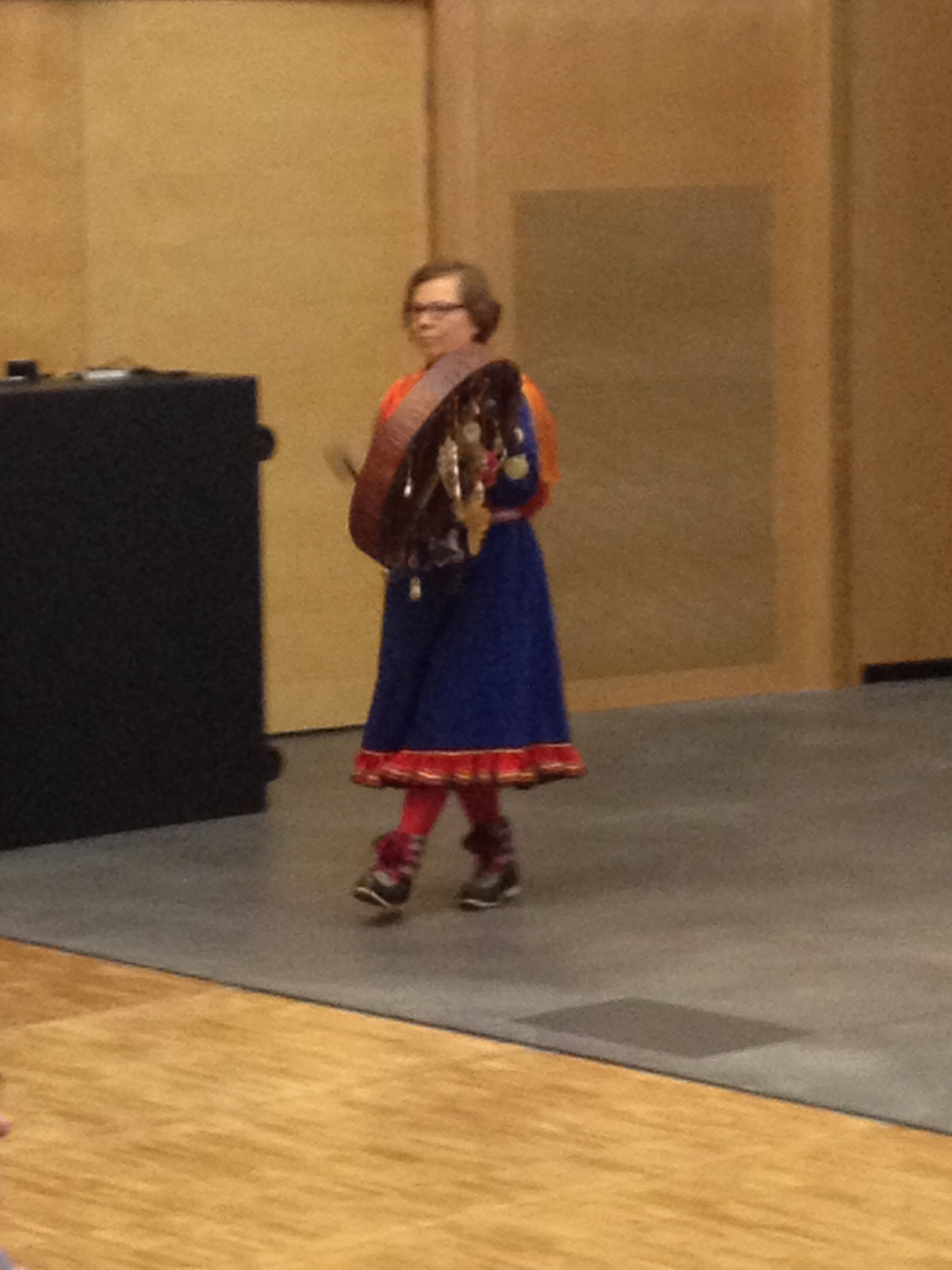
Traditional Saami drum maker playing for us in the opening session.
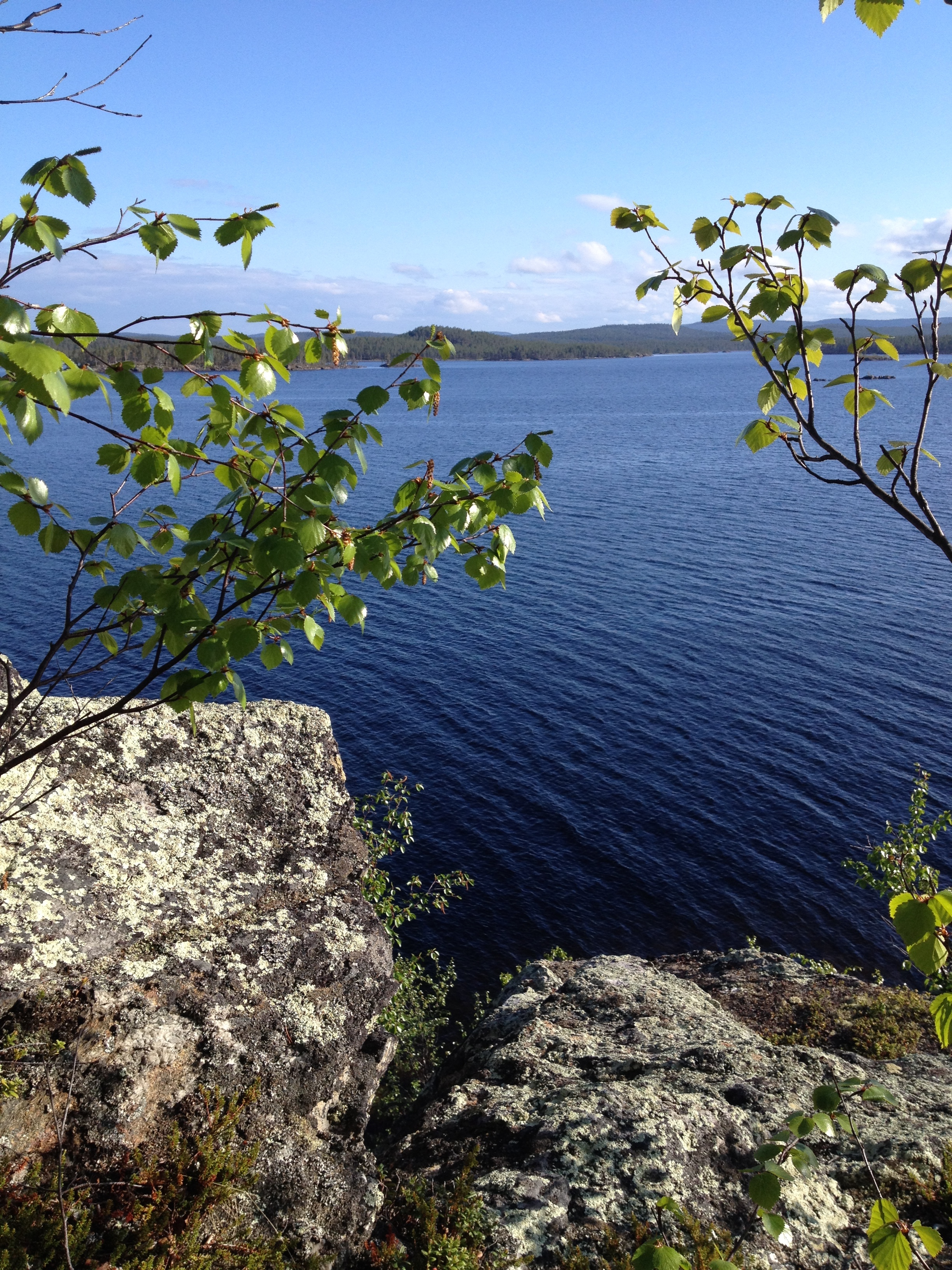
View from one of the sacred islands.
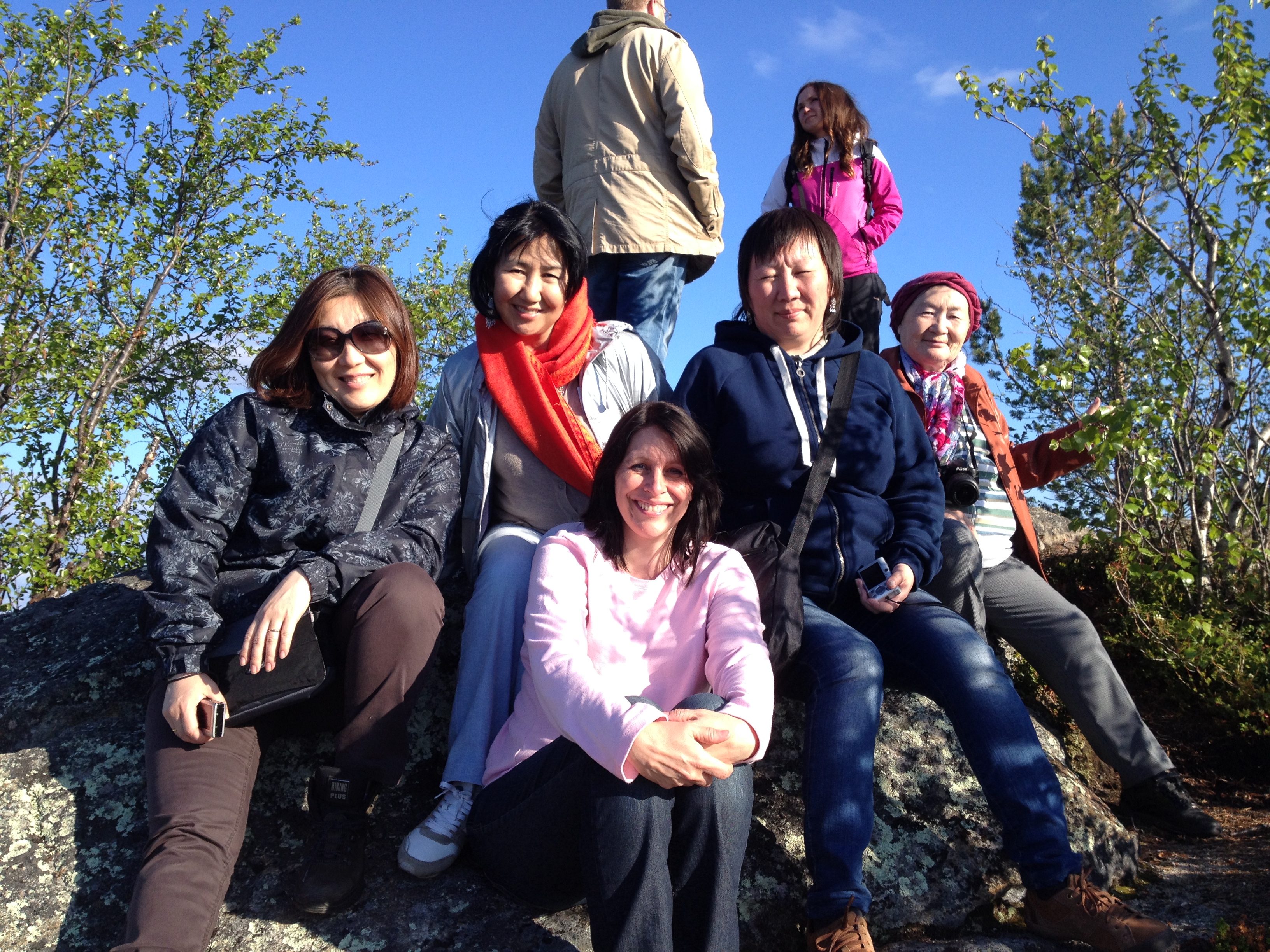
With some of my new friends from Russia.
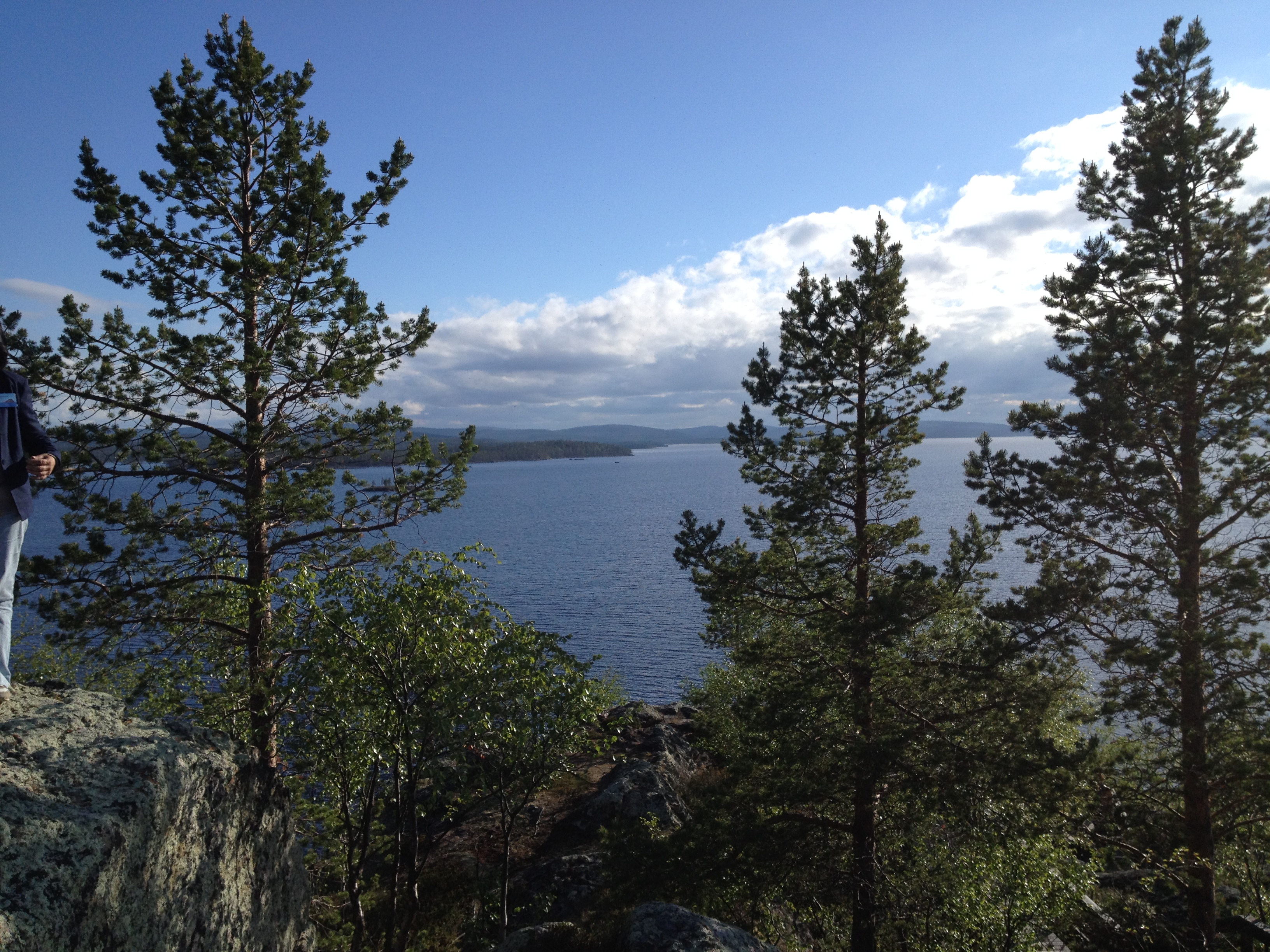
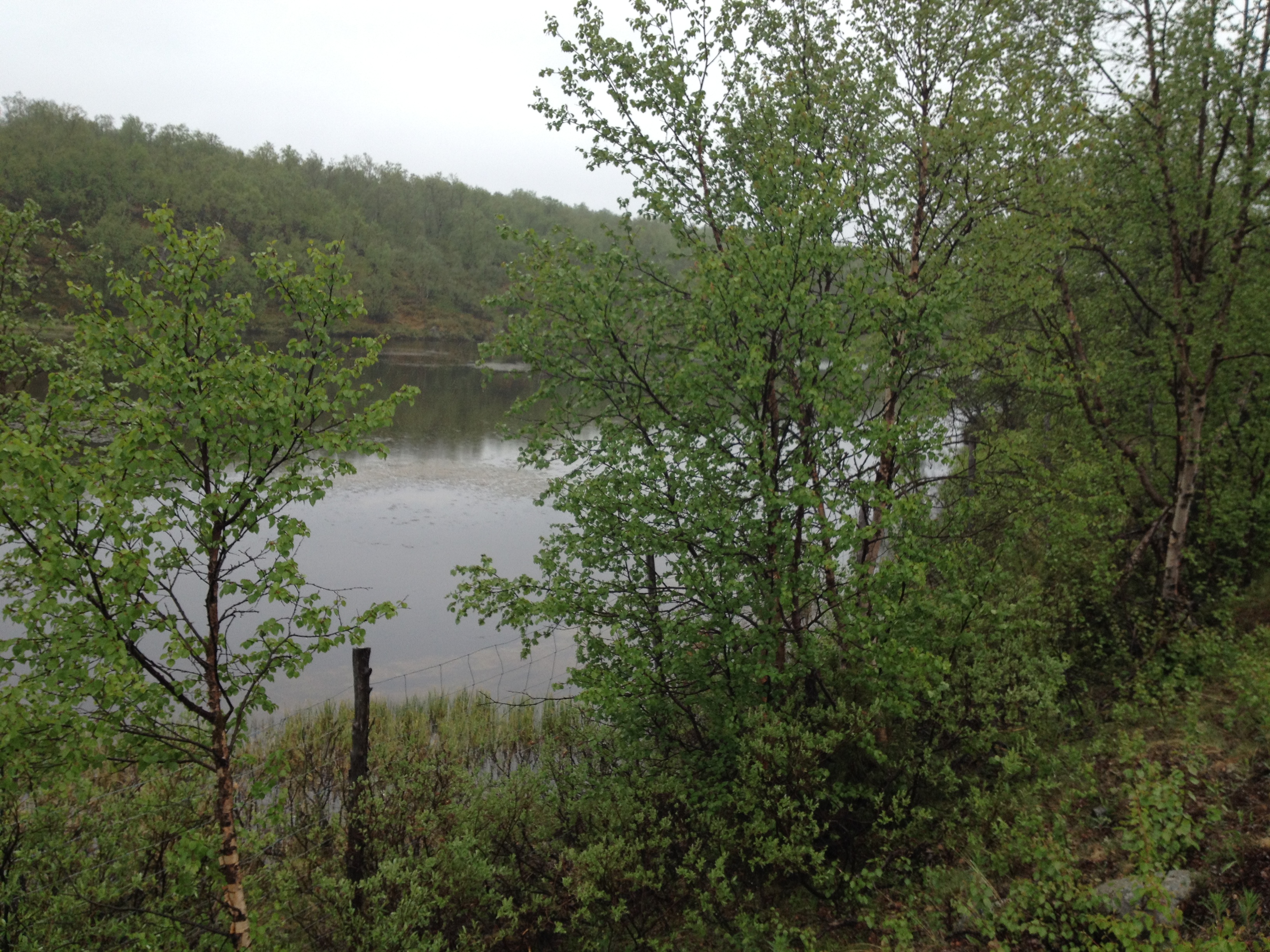
More beautiful views.
Demonstrating a traditional yoik (joik).

A sacred spring that is said to never freeze even in the coldest winter temperatures. Sweetest water I have ever tasted.
Young Finnish Saami posing in front of protest art, trying to raise awareness of the fight against mining developments within Saami territory that threaten sacred sites and traditional livelihoods.

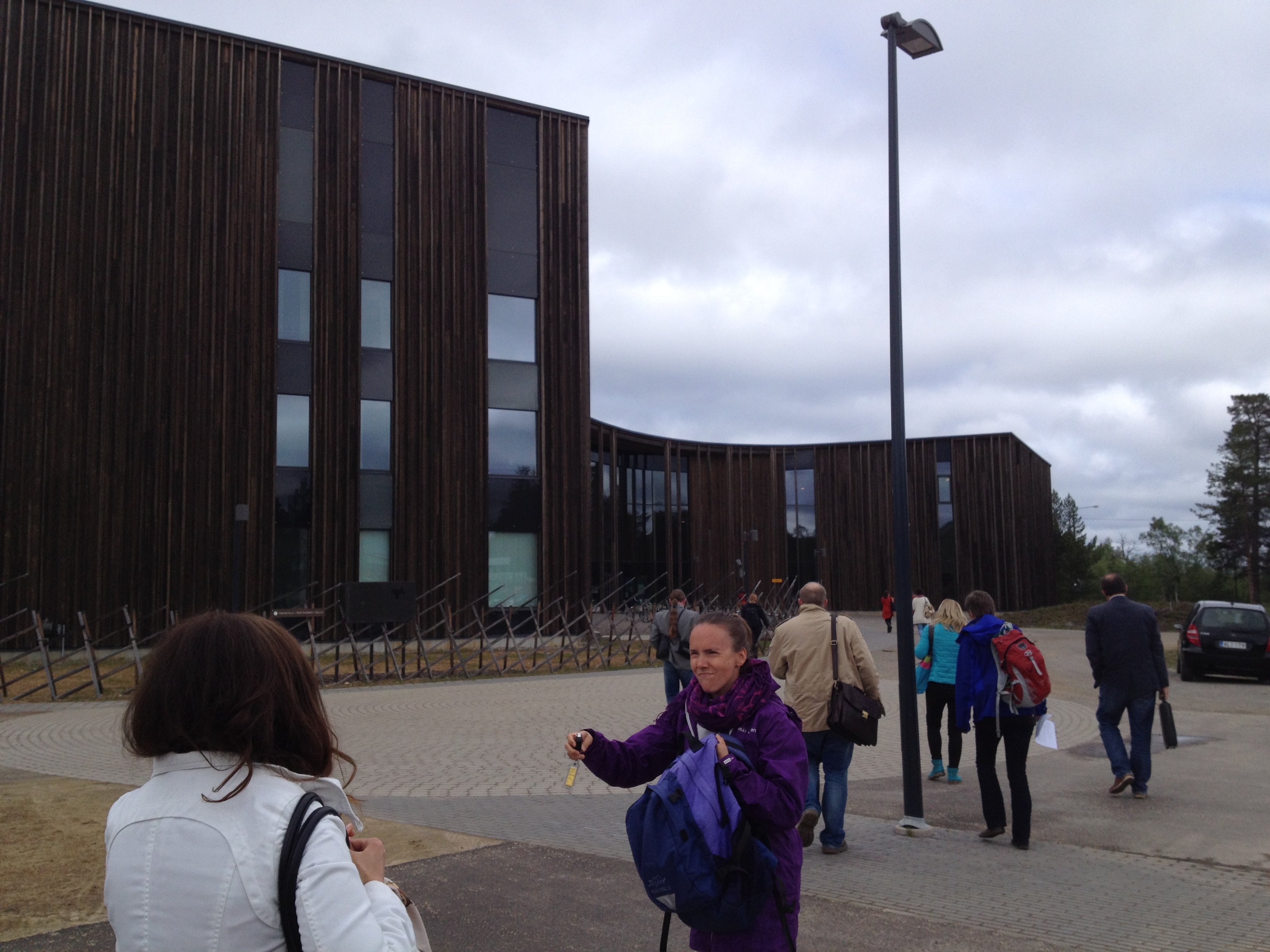
Outside of the Saami parliament building where keynote presentations were given on the first day.
Student Note on Tribal Consultation and Sacred Sites
The University of Colorado Law Review has published “Meaningful Consultation with Tribal Governments: A Uniform Standard to Guarantee that Federal Agencies Properly Consider Their Concerns.” Here is the abstract:
The obligation that federal agencies consult with Indian tribes regarding undertakings that impact tribal interests is grounded in various statutes, implementing regulations, and Executive Order 13,175. Currently, tribes confront a variety of approaches to consultation because each agency develops its own standards for conducting consultation. Once an agency has reached a final decision on a proposed undertaking, any consultation that occurred to comply with Executive Order 13,175 will not be reviewed in court because Executive Order 13,175 and the consultation policy that an agency developed as required by Executive Order 13,175 do not provide tribal governments with a cause of action to challenge the adequacy of consultation. While courts will review tribal-agency consultation mandated by a federal statute or implementing regulation, judicial review tends to focus on the procedural aspects of consultation rather than examining the substantive decision made by an agency. Thus, Indian tribes are unable to challenge whether an agency’s final determination adequately considered the concerns that tribal governments raised during the consultative process. In recognition of the federal government’s general trust responsibility to protect the general welfare of tribes and the government-to-government relationship that exists with Indian tribes, Congress should enact a statute that creates a uniform standard for agency-tribal consultation. The statute will create one standard for conducting tribal consultation. Additionally, the consultation statute will permit judicial review of the procedural and substantive aspects of the interaction between tribal governments and federal agencies. To ensure agency decisions adequately consider tribal interests and concerns, agencies will have to overcome a rebuttable presumption that will be granted to tribal assertions raised during consultation. If an agency cannot produce sufficient evidence to support its determination, a federal court will have the power to overturn the decision. The statutory approach to agency-tribal consultation will ensure the federal government honors the unique relationship it has with Indian tribes.
Press Release: “Keweenaw Bay Indian Community stands 500 strong at Eagle Mine Court of Appeals Hearing”
Keweenaw Bay Indian Community stands 500 strong at Eagle Mine Court of Appeals Hearing (PDF)
For Release: June 5, 2014
Contact: Donald Shalifoe, Sr., Tribal President
Phone: 906-353-6623
Baraga, MI — About 500 members of the Keweenaw Bay Indian Community (KBIC)  stood united around the importance of keeping their waters clean from contamination associated with sulfide mining on June 3, 2014 at the Michigan Court of Appeals. Oral arguments were heard involving the Eagle Mine, Michigan’s first permitted sulfide mine in the Upper Peninsula.
“This is the first time in our generation that the community as a whole came together to fight for true sovereignty and engage in spontaneous government participation. The goal of the new moving-forward Tribal Council is to bring transparency and involvement to the Anishinaabeg (the people),” said Donald Shalifoe, Sr., KBIC’s Ogimaa (Chief).
Many tribal members carpooled and traveled about eight hours to line up for the 10:00 a.m. Lansing hearing. KBIC’s remarkable presence overwhelmed the Michigan Hall of Justice whose staff reported it was their largest turn out ever for a court hearing.
Tribal leaders and elders observed the hearing from within the court room, while hundreds watched and listened to the proceedings in an overflow video conferencing room. Traditional drumming and singing resounded outside the building following the hearing.
KBIC’s Vice President Carole LaPointe remarked “it was a very educational experience for our membership and youth.”
The Anishinaabeg band has opposed the Eagle Mine development, located on Treaty of 1842 ceded homeland, since it was first permitted by the Michigan Department of Environmental Quality (MDEQ) in 2006.
Unsettled concerns involve the mining regulatory process, improper permitting and inadequate assessment of impacts to the area environment, cultural resources and water quality, including groundwater contamination and the potential for perpetual acid mine drainage upstream from Lake Superior.
Tribal member Jeffery Loman said “the hearing today is another testimony to the fact that inadequate regulation and collusion between industry and government results in endless litigation.”
One aspect of the evolving case questions what qualifies as a “place of worship” under Michigan’s sulfide mining statute. An initial ruling by Michigan Administrative Law Judge Richard Patterson recommended mitigation of impacts to an Anishinaabeg sacred place, Migi zii wa sin (Eagle Rock), but the MDEQ made a final permit decision asserting only built structures are places of worship.
Discriminatory enforcement of Michigan law has led to substantial degradation to KBIC’s sacred site. This includes obtrusive mine facilities and a decline access ramp into the base of Eagle Rock, non-stop noise and activity, and hindered traditional access and use. Spiritually significant high places like Eagle Rock are used in solitude by the Anishinaabeg for multi-day fasting, vision quest and ceremony.
Despite the passage of the American Indian Religious Freedom Act of 1978, Native people still struggle to protect their remaining sacred places in the face of extractive development agendas. “It is a shame that the United States of America, proudly founded upon values of religious freedom, has trouble guaranteeing this right to all of its nation’s first people,” said tribal member Jessica Koski.
KBIC anticipates a decision from the Michigan Court of Appeals within six months. The Eagle Mine’s timeframe for production start-up is the end of 2014. “While the court deliberates, it is important to remember that regardless of the outcome, we are in the right for standing up for the Yellow Dog Plains. We hope the court understands their decision will have long lasting implications for this place, as well as other areas that are slated for mining,” said Emily Whittaker of Big Bay, Michigan who gathered alongside KBIC and other locally affected residents.
The Michigan Court of Appeals ruling will be an important precedent for additional sulfide mining proposals threatening Michigan’s Upper Peninsula and waters of the Great Lakes.
###
E.D. Washington Denies Yakama Nation’s Motion for a Temporary Restraining Order
Opinion on the TRO (not the merits of the case) here.
Of interest to us is the continued use of “public interest” in direct opposition to “tribal interests” when it comes to equity, injunctions, and restraining orders:
Nor does the Court find that the last two Winters factors militate for issuance of a TRO. First, the balance of the equities does not tip strongly in favor of issuance of a TRO. Though the Tribe certainly has a strong interest in preservation of its culture and spiritual interest, the public also has an interest in being allowed to see and experience the land, as long as precautions are taken to preserve the nature of the place. Without a clearer articulation about how the tours harm that experience—limited as they are in time and scope—the Court perceives no strong tip of the balance of equities such that a TRO/preliminary injunction is warranted. Similarly, prohibiting the final two wildflower tours appears to weigh against public interest, as the wildflower tours represent a rare chance for the public to have access—in a limited way—to this area.
Previous coverage here.
UN Human Rights Committee Draft Report re: United States
The following documents are (1) the recent draft of the Concluding Observations on the fourth report of the United States of America from the UN Human Rights Committee (note in particular paragraph 25 on the rights of Indigenous Peoples, sacred sites, and FPIC) and (2) the “List of Issues” filed by Suffolk Law School’s Indigenous Peoples Clinic to the UN Human Rights Committee back in 2012 when the U.S. report was first released.
Concluding Observations on the fourth report of the United States of America Human Rights Committee
Additional Briefs in Mining Company Challenge to Interior Withdrawal of Lands at Grand Canyon related to Indian Sacred Sites
“Tribes Win Big on Major Water Dispute in Nevada”
Here.
An excerpt:
Indian Tribes in eastern Nevada received a great victory in a long-standing fight to protect their sacred lands and water from being drained and converted into a barren dust bowl by Las Vegas and the Southern Nevada Water Authority (SNWA).
Since the late 1980s, Las Vegas water officials have pushed plans to import groundwater from across eastern Nevada to supply future growth and provide a backup supply to the Las Vegas Valley, which gets 90 percent of its drinking water from an overtaxed and drought-stricken Colorado River. Water authority officials hope to deliver water to the valley from as far north as Great Basin National Park through a network of pumps and pipelines stretching more than 300 miles and costing as much as $15 billion. The attorney for SNWA has aptly called this the “largest water case in Nevada’s history”.
On December 10, 2013 the Seventh Judicial Court of Nevada in Ely reversed the Nevada State Engineer’s decision to grant SNWA virtually all of the groundwater in eastern Nevada water basins (about 84,000 acre feet annually). The Court ruled that the amount of water awarded had to be reduced and recalculated. Importantly, the Court also agreed with the Tribes that the monitoring and mitigation approved by the State Engineer had to be revised to include more participants and have more detailed standards to protect against environmental damage from draining groundwater from the basins.
Hopi Sue Navajo over Access to Sacred Sites
Saying the Navajo Nation is ignoring its obligations, the Hopi Tribe wants a federal judge to order that its members be allowed onto Navajo lands for religious purposes.
The lawsuit filed in U.S. District Court here claims the Navajos agreed in 2006 to permit Hopi religious practitioners to engage in certain practices in designated areas of the Navajo Nation. That includes the “sacred gathering of golden eagles.”
Attorney Timothy Macdonald said those sites even are set out on a map.
But Macdonald, in the lawsuit made available Tuesday, said the Navajo Nation is preventing Hopi tribal members from going on to some of those sites because they are on specific “allotments.” Those are parcels of land held by the federal government for individual Navajos.
It even got to the point where a member of the Hopi Tribe was arrested last year, he said.
A bid to have the dispute resolved by a special Joint Commission went nowhere, Macdonald said, when the panel concluded it lacks jurisdiction over individual allotments.
So Macdonald now wants U.S. District Court Judge Paul Rosenblatt to block the Navajo Nation from taking any action to keep Hopi religious practitioners from the specified areas. And if Rosenblatt won’t do that, Macdonald wants him to rule that the Joint Commission can make a decision.
Harrison Tsosie, the Navajo Nation attorney general, said Tuesday he is still studying the case but said the allotments are “off limits” to Hopi religious practitioners. He also said those areas were not part of the 2006 agreement and that the sites in question are not on the map.
Hopi Tribe v. Navajo Nation – Complaint 07-05-13 copy.
Link to the news article here.
Federal Agency MOU on Sacred Sites
Here.
 Turtle Talk
You must be logged in to post a comment.