Here are the new materials in McClamary v. D&L Real Estate Enterprises LLC (C.D. Cal.):
Prior post here.
Here are the new materials in McClamary v. D&L Real Estate Enterprises LLC (C.D. Cal.):
Prior post here.
Here is the complaint in Picayune Rancheria of the Chukchansi Indians v. NIGC (E.D. Cal.):

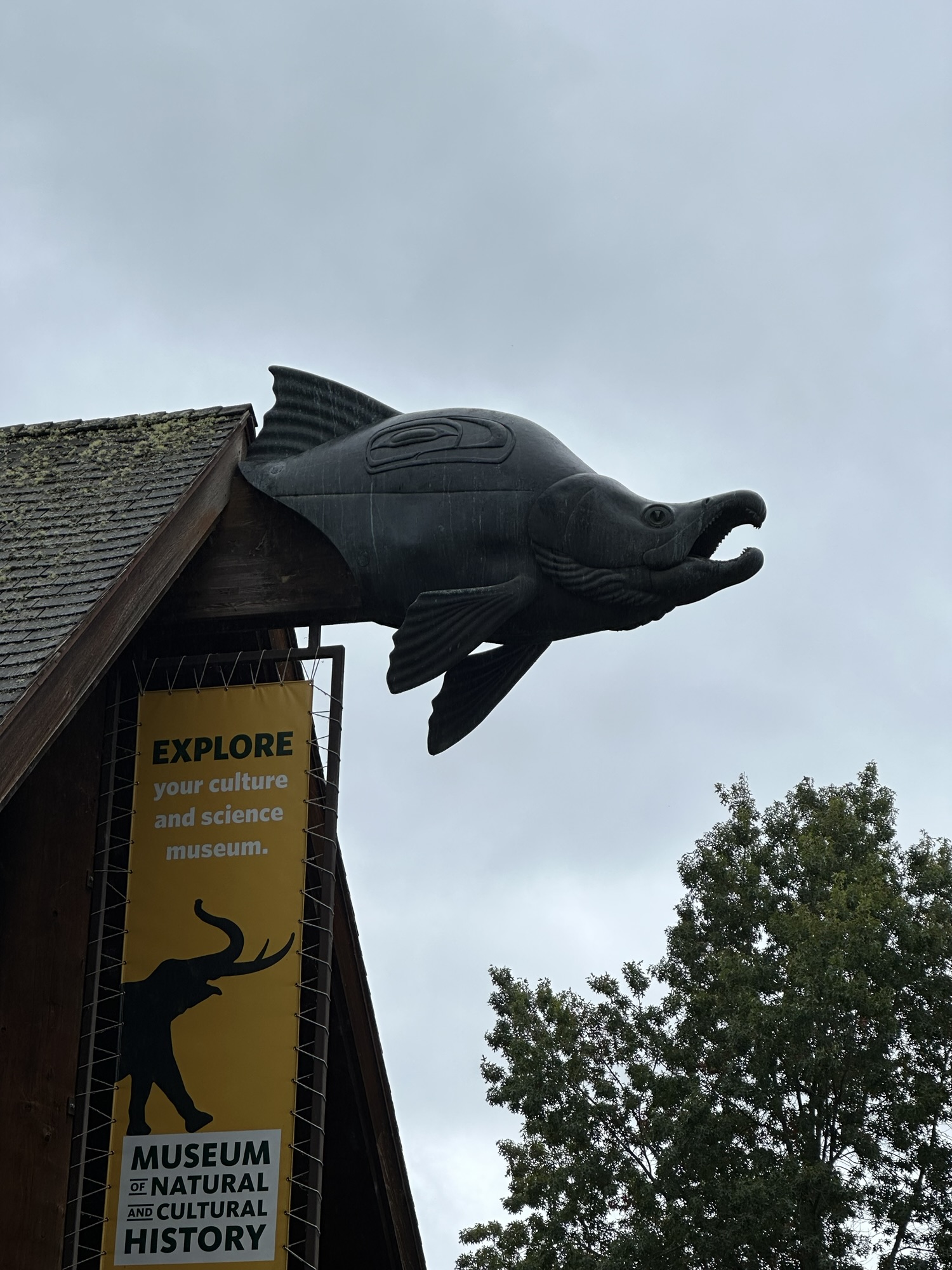
Michael Blumm and Connor McRobert have posted “Tribal Comanagement at the State Level: The Oregon Experience” on SSRN.
Here is the abstract:
Ecological disturbances are straining conventional fish and wildlife management, which tribal knowledge can inform to produce more effective management. Although federal policy has recognized government-to-government relations with Tribal Nations, most day-today regulation of fish and wildlife runs through state agencies. This Article argues that Oregon has provided an important management framework between the state and Tribal Nations. Since 2022, Oregon has entered a series of state-tribal agreements that constitute a durable and increasingly replicable co-management framework. This Article contends that these agreements reflect a second-generation, state-driven adaptation of an earlier co-management framework that emerged from the Columbia River treaty-rights litigation. Although Oregon has not formally ceded legal primacy, the agreements nonetheless shift considerable operational authority to Tribal Nations through recurring harvest negotiation, shared scientific information, hunting and fishing licensing, and habitat coordination. Some limits to the co-management framework appear in Willamette Falls, an important historic intertribal commons, where overlapping tribal claims expose the shortcomings of bilateralism. Habitat restoration likewise tests whether Oregon’s framework can apply beyond the harvest context. Consequently, the Article concludes that the Oregon-tribal agreements offer a workable but conditional framework of inter-sovereign resource management for other states and Tribal Nations, and other resources.
Here.
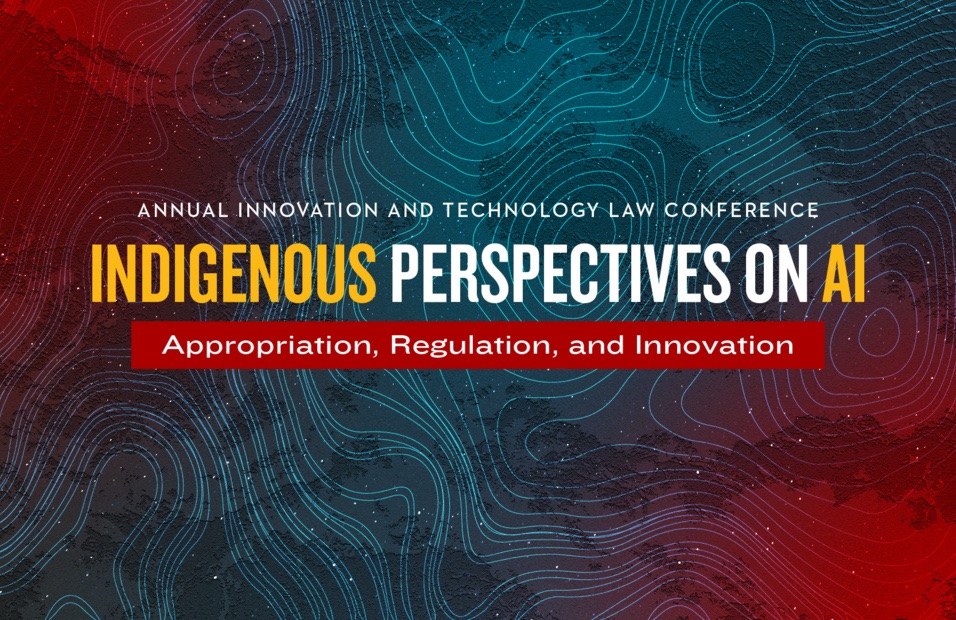
Join Seattle University School of Law for the 9th Annual Innovation and Technology Law Conference, a virtual gathering exploring Indigenous Perspectives on AI: Appropriation, Regulation, and Innovation.
Presented by the Technology, Innovation Law, and Ethics (TILE) Institute and the SITIE Initiative, and co-sponsored by the Northwest Center for Indigenous Law, Seattle Journal of Technology, Environmental & Innovation Law (SJTEIL), and the American Indian Law Journal, this year’s conference brings together leading scholars, practitioners, and Indigenous leaders.
Through a full day of panels and discussion, you’ll gain insight into:
View the full agenda and speaker lineup on the SITIE Conference event page.
Register now to be part of this timely and critical conversation.
Here are the briefs in Osage Nation v. Irby Wood:
Lower court materials here.
Here:
The Bad Man’s Hourglass: Extending the Clock on Justice
Liv G. Cummins
Tulsa v. O’Brien: A City Adds to the Battle over Jurisdiction in Indian Country
Fatima D. Jaime
Ward, Trust, or Sovereign: The Impact of Metaphor in Supreme Court Indian Law Jurisprudence
Sadie Pate
Winner, Best Appellate Brief in the 2025 Native American Law Student Association Moot Court Competition
Baylee Ogle and Madison Bailey

 Turtle Talk
You must be logged in to post a comment.