Stephanie Safdi on Tribal Water Governance Beyond Indian Country

Stephanie Safdi has posted “Indigenous Water Governance and the Clean Water Act” on SSRN. Here is the abstract:

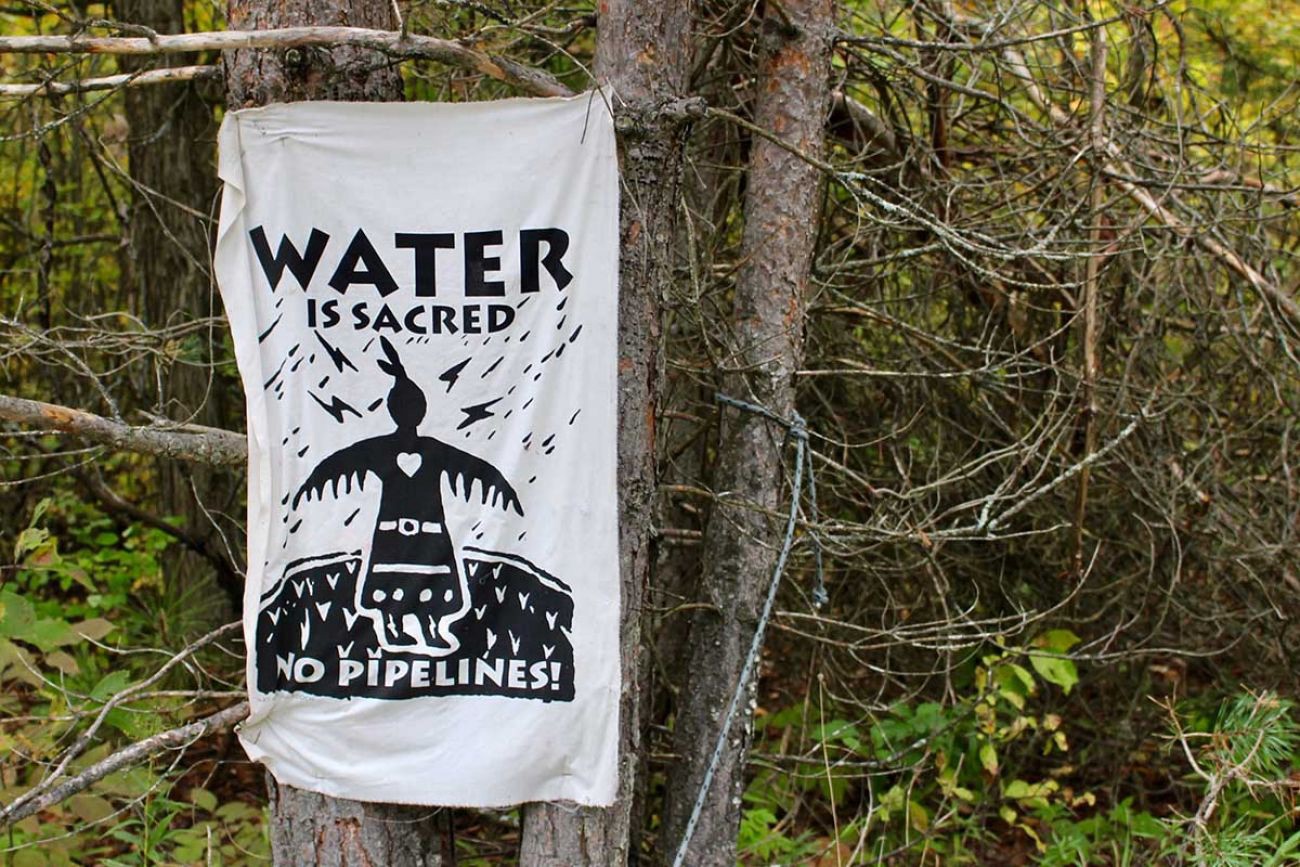
Cultural lifeways for many Indigenous communities in the United States are intimately tied to water. Nationally, the Clean Water Act of 1972 is the principal framework for regulation of water quality. The core purpose of the Act is to ensure water quality—and, by extension, water quantity—sufficient to protect designated uses, including but extending beyond familiar fishable, swimmable, and drinkable uses. Though uses protected under the Act can be seen as expressions of social and ecological values, the cultural dimensions of these water uses have generally been underappreciated.

This paper excavates requirements and possibilities for Indigenous water governance under the Clean Water Act, centering on the work of the Act’s water quality standards provisions. Previous scholarship in this area has focused on Indigenous water governance within Tribal territorial jurisdiction—particularly through Tribal promulgation of on-reservation water quality standards under Treatment-as-a-State authority or federal gap-filling standards for Indian country. This paper extends this scholarship by looking to Indigenous water governance beyond Indian country. Doing so is imperative, as Tribal cultural, ceremonial, and subsistence practices involving water remain rooted in ancestral territories over which Tribes often do not exercise formal regulatory governance and which are increasingly imperiled by conflicts over water allocation under conditions of mounting scarcity. The failure to formally recognize Tribal cultural uses of ancestral waterways, both practically and in the law, continues to marginalize Tribes and Tribal water uses in decision-making over the nation’s waterways.

In this paper, I posit that the Clean Water Act contains important mechanisms to advance the exercise of Indigenous cultural sovereignty over ancestral waterways beyond the jurisdictional bounds of Indian country. These mechanisms include calibration of water quality standards to protect Tribes’ off-reservation reserved rights to aquatic resources and designation of Tribal cultural uses as uses to be protected through state and federal water quality standards for Tribes’ ancestral waterways, including through instream flow standards and other functional flow controls. Though these mechanisms are underappreciated aspects of Clean Water Act administration, there are strong arguments that protecting Tribal reserved rights and cultural uses is legally required in water quality standard-setting, as well as ethically and ecologically imperative. These also function as much-needed pathways toward meaningful co-governance of water resources and exercise of Traditional Ecological Knowledge in regulation of ancestral waterways in furtherance of cultural and ecological continuity.

Utah Federal Court Remands Suit against Ute Tribal to State Court

Here are the materials in Farrar v. Cornpeach (D. Utah):

California Federal Court Dismisses Morongo Gaming Compact Challenge for Lack of Ripeness

Here are the materials in Morongo Band of Mission Indians v. Newsome (C.D. Cal.):

Second Circuit Briefs in Silva v. Farrish [Shinnecock Eel Harvesting Rights]

Here:

More TK.

Lower court materials here and here.

Indian Law Scholars Amicus Brief in Birthright Citizenship Case

Here is the brief in Trump v. Barbara:

Berry Creek Rancheria Sues California to Enjoin Application of OSHA

Here is the complaint in Berry Creek Rancheria of Maidu Indians of California v. Lowry (E.D. Cal.):

Crow Citizen Sues BIA Cops for Trespass, False Imprisonment, Etc. under Bad Men Clause/FTCA

Here is the complaint in Siemion v. United States (D. Mont.):

United States v. Hopson Cert Petition

Here:

Question presented:

Whether respondents—Indians charged with felony assault in Indian country under the Major Crimes Act in violation of 18 U.S.C. 113(a)(6) and (8) and 1153(a)— were entitled both to a jury instruction on a lesser included offense not listed in the Major Crimes Act and complete acquittal if the jury found them guilty of that lesser offense.

Lower court materials here.

Seventh Circuit Briefs in Legend Lake Property Owners Assn. v. Menominee County

Here:

Lower court materials here.

Legacy.

Oklahoma Federal Court Declines to Reopen Osage Reservation Boundaries Litigation

Here are the materials in Osage Nation v. Wood (N.D. Okla.):

Motion to reopen here.