Here is the opinion in Narragansett Indian Tribe v. McMaster.
Briefs here.
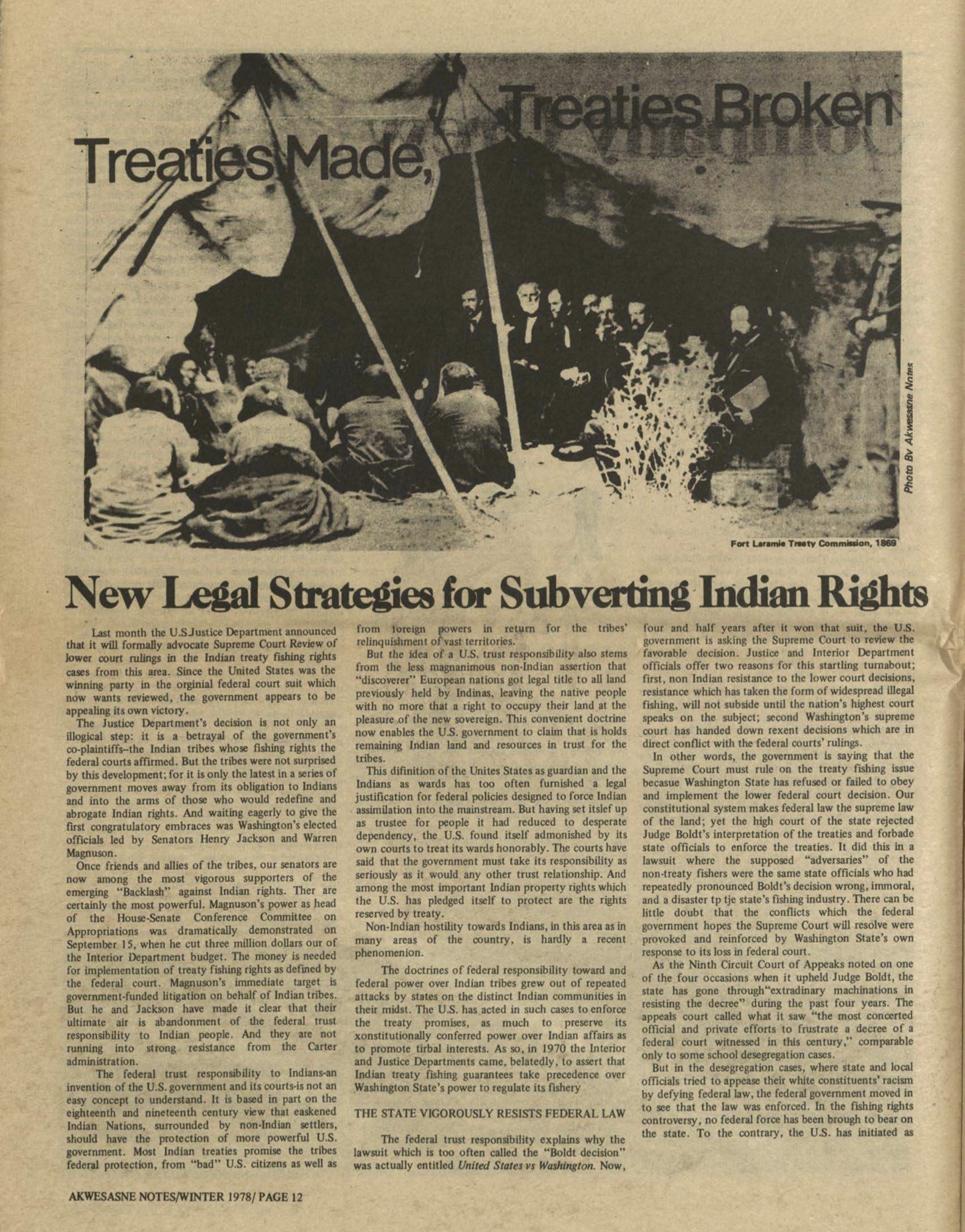
Here is COLT’s amicus brief in support of the petition for writ of certiorari in Suncor Energy (USA) Inc. v. Board of Commissioners for Boulder County:
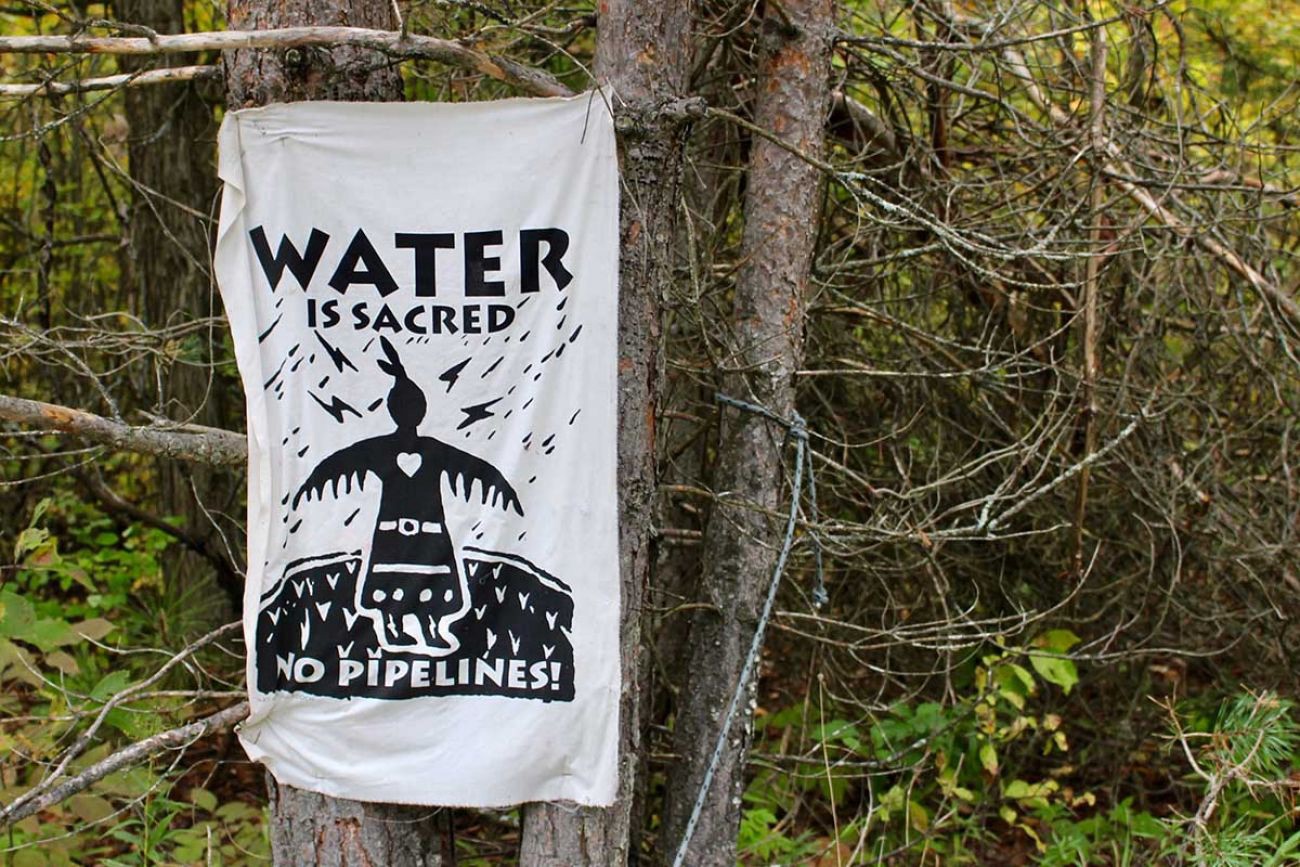
From a 1982 newsletter of the Niagara County Historical Society:
Here are the materials in Bowman v. Frank (N.D. Cal.):
Here.

Here are the materials so far in Lummi Tribe v. Whidbey Telephone Co. (W.D. Wash.):
From the tribe:
The Lummi Nation filed a federal lawsuit against Whidbey Telecom, Whatcom County, and the U.S. Departments of Agriculture and Commerce alleging a multi-year pattern of federally funded broadband construction that repeatedly trenched through known ancestral burial grounds at Point Roberts, disturbing and destroying human remains while flouting mandatory tribal consultation and stop-work obligations under federal law. Ten days later, the Nation filed an emergency motion for a preliminary injunction supported by sworn declarations revealing that defendants assessed less than one percent of the construction area, that hundreds of ancestors’ remains may have been harmed by heavy equipment, and that the county admitted in writing to improperly issuing permits — seeking a court order to halt construction and compel full site access for recovery and reburial.


 Turtle Talk
You must be logged in to post a comment.