Here is the opinion in In re the Application of Enbridge Energy to Replace and Relocate Line 5.
Briefs here.
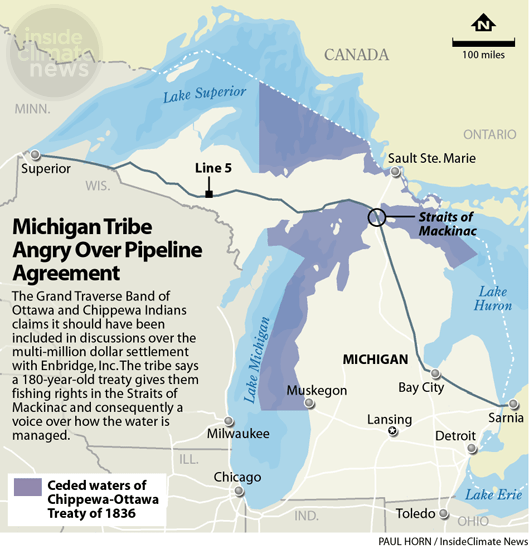
Here is the opinion in In re the Application of Enbridge Energy to Replace and Relocate Line 5.
Briefs here.
Here is the complaint in Bad River Band of Lake Superior of Chippewa v. United States Army Corps of Engineers (D.D.C.):
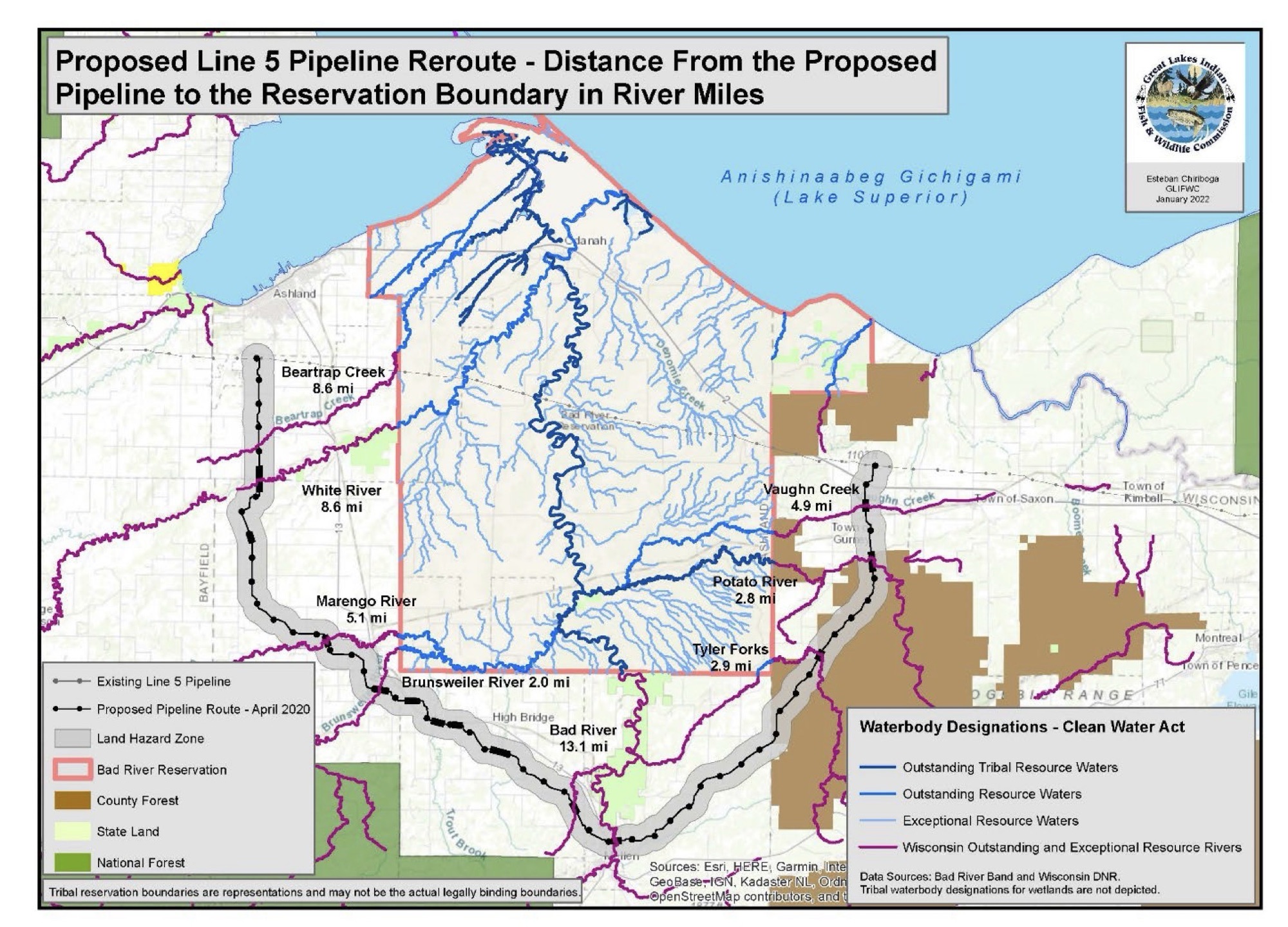
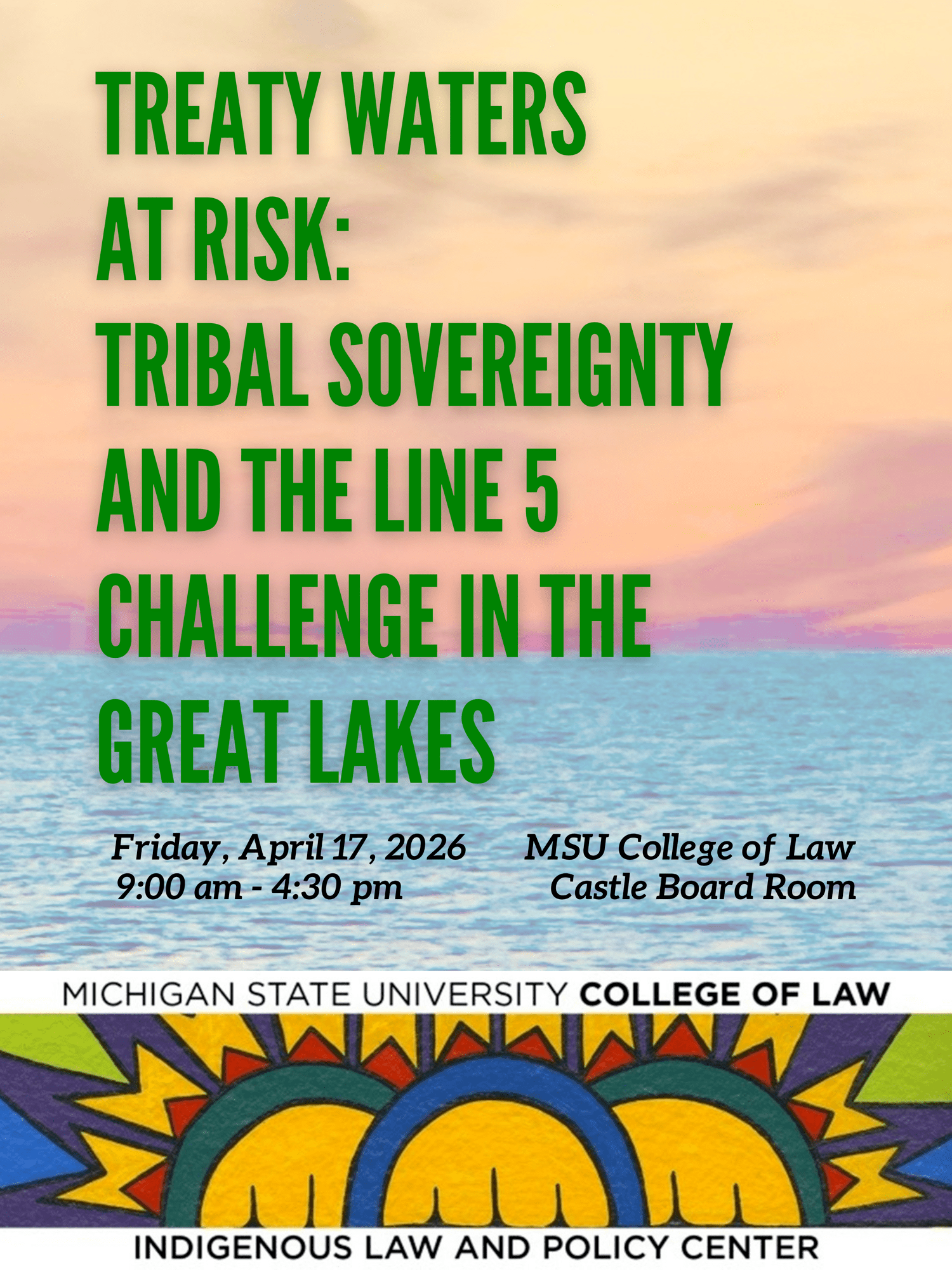
Join us at MSU Law for Treaty Waters at Risk: Tribal Sovereignty and the Line 5 Challenge in the Great Lakes, a one-day conference on Friday, April 17, 2026, examining the legal and environmental stakes of energy infrastructure in treaty-protected waters.
Featuring a keynote by Whitney Gravelle, MSU Law and ILPC alumna and President of the Bay Mills Indian Community, the program brings together leading voices to discuss treaty rights, co-management, and the ongoing Line 5 conflicts at Bad River and the Straits of Mackinac.
Here:
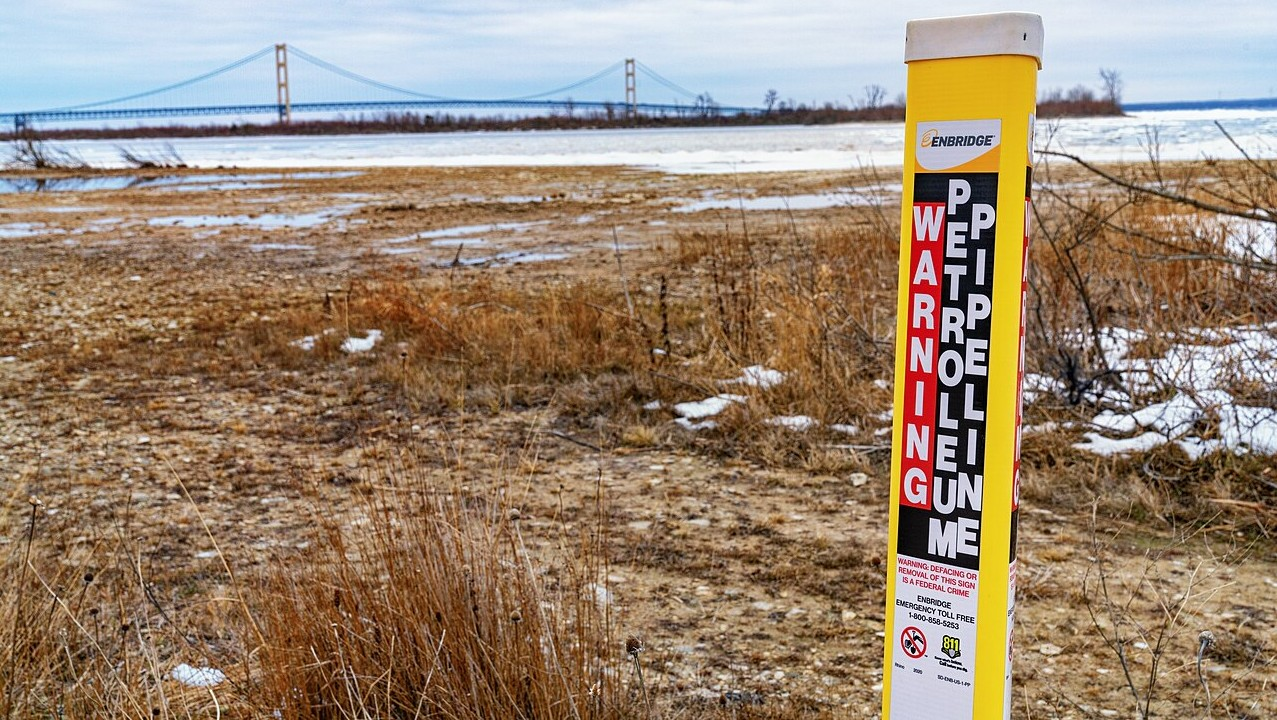
Tribes in Michigan oppose Enbridge the Line 5 oil pipeline replacement plan, arguing the environmental risks to their traditional waters far outweigh any benefits. The proposal to replace the 70-year-old pipeline that currently runs through Michigan and Wisconsin has faced many legal challenges over the years. Now, the U.S. Supreme Court will decide whether the state or federal government should have say over how the project proceeds. The decision could set a precedent on how much power tribes and states have in regulating fossil fuel development. We’ll speak with tribal leaders, Native legal scholars, and others about what’s next for the ongoing Line 5 pipeline legal battle.
GUESTS
Wenona Singel (Little Traverse Bay Bands of Odawa), associate professor of law at Michigan State University College of Law and associate director of the Indigenous Law and Policy Center
Elizabeth Arbuckle (Bad River), chairwoman of the Bad River Tribe
Melissa Kay, Tribal Water Institute fellow at the Native American Rights Fund
Here are the materials in For Love of Water v. Michigan Public Service Commission:
Oral argument link:
https://youtu.be/bNRSAJCxap8?si=a76bpgyBDGBEf6FV
Briefs:
Here are the materials in Little Traverse Bay Bands of Odawa Indians v. Michigan Public Service Commission:
Oral argument link: https://youtu.be/H8Y6RHgY9hM?si=wtafDSX7nuzeP3vs
Briefs:
Here is the order in Bad River Band of Lake Superior Chippewa Indians v. Enbridge Energy Company (W.D. Wis.) allowing Enbridge to continue to trespass on Ojibwe lands without any meaningful consequence because they are an oil company and Canada likes their oil(?):
Prior post here.
Here are new materials in Bad River Band of Lake Superior Chippewa Indians v. Enbridge Energy Company (W.D. Wis.):
Here are materials in Enbridge Energy LLP v. Whitmer (W.D. Mich.):
151 Enbridge Supplemental Brief
152 Michigan Supplemental Brief


 Turtle Talk
You must be logged in to post a comment.