Here are the materials so far in Kyle Grocery Inc. v. Short Horn (D.S.D.):
1-3 Oglala Trial Court Opinion

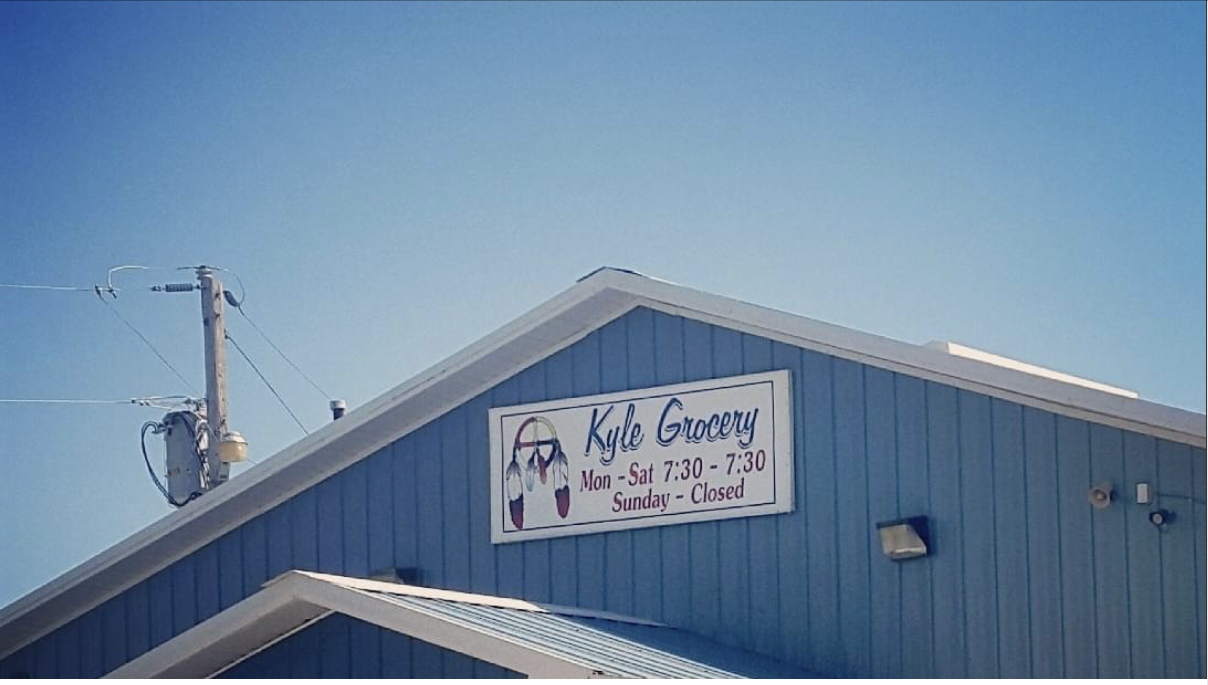
Here are the materials so far in Kyle Grocery Inc. v. Short Horn (D.S.D.):
1-3 Oglala Trial Court Opinion
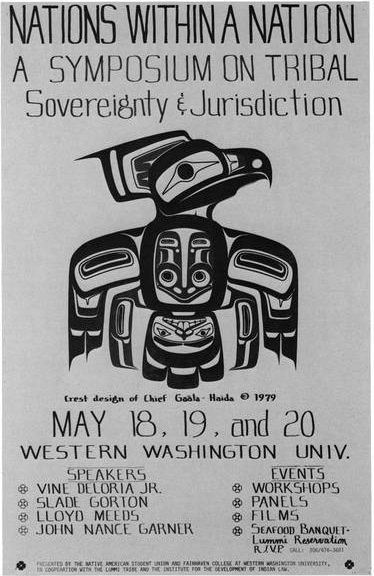
As I noted earlier in our announcement of his imminent retirement, Justice Breyer was no tribal sovereignty warrior ala Sotomayor, but he was no Indian fighter, either. He was part of the Rehnquist Court Nine that stayed together more than a decade. And, as such, he was also a part of a Rehnquist Court that showed nothing but contempt for tribal interests in the 1990s and 2000s. Justice Breyer’s voting patters are striking for one reason only — he rarely dissented from the Court’s majority in the Indian law docket. He seems to have gone with the flow.
Let’s start with the overall period of time starting with Oklahoma Tax Commission v. Chickasaw Nation in 1995 up ’til now. Justice Breyer voted with tribal interests in 19 out of 48 cases I counted (I excluded a few, like South Florida v. Miccosukee, because it wasn’t an Indian law case; Amoco v. Southern Ute, because Breyer recused; Yellen v. Chehalis, because both sides had tribal interests), or 39.6 percent. Tribes won 19 out of those 48 cases (see what I mean about going with the flow?). Breyer was in the majority in 43 out 48 cases, an 89.6 percent clip. Justice Breyer authored five majority (or plurality) opinions, four of them supporting tribal interests. He wrote a pair of short concurrences in cases tribes lost.
Since 2014, when the Court decided Bay Mills Indian Community v. Michigan, Breyer’s voting pattern changed dramatically to favor tribal interests, again, in tune with the direction of the overall Court. Starting with Bay Mills, Breyer voted for tribal interests 9 out of 11 times. The Court, during that same period, was exactly the same for cases with votes (tribes won two cases 4-4 and we don’t know those votes, but it would be fair to say Breyer was very likely to have favored tribes in those cases, and, again, Yellen, which we don’t count).
In Breyer’s early years, he rarely wrote for the Court. His first Indian law majority opinion (or any opinion, for that matter) was Chickasaw v. US, a loss for tribes, and which came 7 years after he joined the Court (which pushes back on the notion that junior justices get assigned the “chickenshit” Indian law cases).
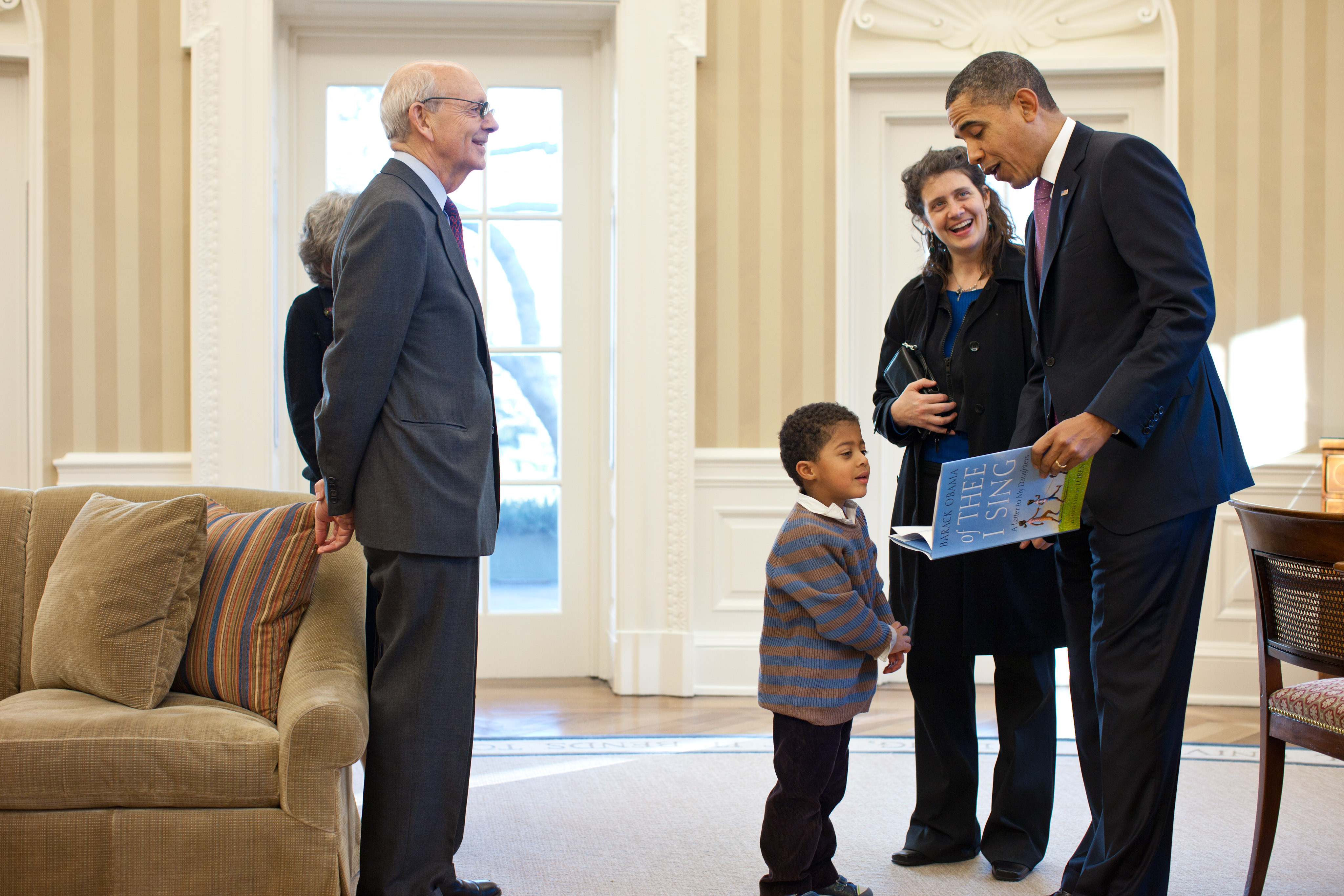
In the good stuff, Breyer wrote the majority opinion in United States v. Lara, certainly a critically important case supporting the notion that Congress can exercise its plenary Indian affairs power to reaffirm tribal inherent sovereignty as in VAWA 2013. Breyer also wrote majority opinions in Cherokee v. Leavitt, the first ISDEAA contract support costs case, and United States v. Cooley, the first SCOTUS decision affirming tribal inherent powers over nonmembers under the Montana rubric. Breyer also wrote for a three-justice plurality in Washington v. Cougar Den.
Justice Breyer also wrote a critically important concurring opinion in Carcieri v. Salazar that articulated the bones of a conceptual framework later fleshed out by Interior allowing Indian tribes not federally acknowledged in 1934 to show that they might still have been under federal jurisdiction then, and therefore eligible to benefit from the fee-to-trust process. He cited the example of the Grand Traverse Band, which has paid dividends to the tribe.
In the bad stuff — and I do mean BAD — Breyer voted with the 5-4 majority in Adoptive Couple v. Baby Girl, swapping places with Justice Scalia, who dissented in favor of a Cherokee birth father. Breyer’s concurrence tries at least to limit the scope of the majority’s incredibly vicious attack on the Cherokee father, but offers absolutely no reason for the vote. Brackeen and all the attacks on ICWA are happening right now because of that vote. Period.
Justice Breyer was also a legal historian and wrote extensively on the Cherokee cases of the 1830s (see my 2010 commentary here). Here is C-SPAN’s video of Breyer’s Supreme Court Historical Society lecture on the Cherokee cases. The positive takeaway? The Court did the right thing and tried to save the Cherokees, very nearly succeeding. The cynical takeaway? The Court did the right thing, ruined its institutional legitimacy for a long time (forever?), and almost started the Civil War — so don’t try.
The Guardian. They don’t hide behind paywalls . . . much.
Riding bus to A2 but will post on Breyer’s Indian law record in a bit. It’s incomplete since the Court has decided to take many, many cases this Term.
Sneak preview . . . He voted with tribal interests about 40 percent of the time, but up through his abomination of a vote in Baby Girl, he voted favorably for tribal interests only 20 percent of the time. This isn’t going to be pretty.

Here are the materials in Stanko v. Oglala Sioux Tribal Public Safety Division (D.S.D.):
Prior suit here.
Here are updated materials in Hardy v. City of Nome (D. Alaska):

45 DCt Order on Motion to Dismiss
The complaint is posted here.
Order list here. Prior post detailing the other petitions here.
Here are the materials in Oklahoma v. Davis, a petition in which Oklahoma only asked to overrule McGirt:
There are a bunch more denials of Oklahoma’s brilliant papering strategy (we’ll post materials later, cuz we have lives and Tribal Law won’t teach itself . . . or will it?):


Oh and because we can’t have nice things, the Court granted the Harvard affirmative action case, too.



 Turtle Talk
You must be logged in to post a comment.