Here are the materials in Whittle v. Zims Hot Springs (D. Idaho):
Author: Matthew L.M. Fletcher
NYTs: “Tribes Reach $590 Million Opioid Settlement With J. & J. and Distributors”
Here.
Anti-NAGPRA Scholar Sues San Jose State for Free Speech Violations

Here is the complaint in Weiss v. Perez (N.D. Cal.):
San Jose Mercury News: “San Jose State: Professor smiling with Native American skull ignites fiery debate“
Springer and Weiss: “Responding to Claims of Archaeological Racism“

Split Sixth Circuit Vacates Conviction and Sentence of D.V. Perpetrator of Saginaw Chippewa Tribal Citizens
Here are the materials in United States v. Johnson:

Iowa SCT Acknowledges End of State Jurisdiction over Indian Lands, but Federal Statutory Repeal Not Retroactive
Here are the materials in State v. Cungtion (Iowa S. Ct.):
Sac and Fox Tribe Amicus Brief
And here are the materials in the companion case, State v. Bear:
Sac and Fox Tribe Amicus Brief
American Indian Law Journal Publishes Volume 10, Issue 1
Here:
Volume 10, Issue 1 (2022)
Articles
Healthcare Self-Governance
Danika Watson
Analyzing the Implications of the Supreme Court’s Application of the Canons of Construction in Recent Federal Indian Law Cases
Meredith Harris J.D.
This Land Is Not Our Land, This Land is Their Land: Returning National Park Lands to Their Rightful Protectors
Sierra Kennedy
John Locke’s Theory of Property, and the Dispossession of Indigenous Peoples in the Settler-Colony
Calum Murray
How Alaska Native Corporations Can Better Support Alaska Native Villages
E. Barrett Ristroph Esq.
The Importance of Abolition of the Carceral State for Native Survivors
Christina M. Schnalzer

Donut for the First One to Name the Author of the Embedded SCOTUS Quote in Stacy Leeds’ Post on Men Devaluing Women and POC in the Politics of Justice Breyer’s Replacement
From Indigenously Well, “Asterisk This.”
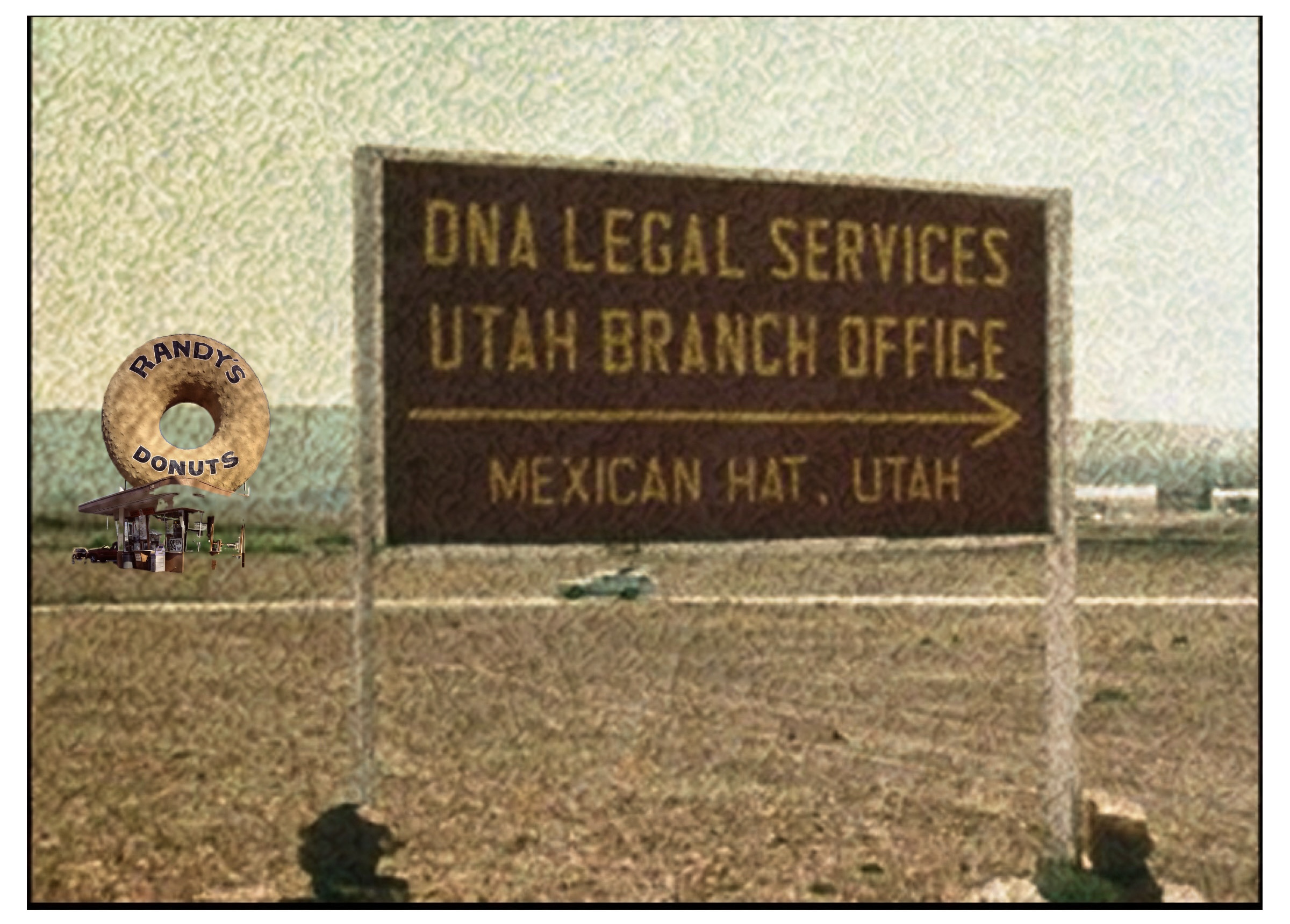
“When are We Going to Get Our Indian Money?” — The Saga of the Michigan Ottawa Indian Claims Commission Judgment Told in the Pages of Turtle Talk
The Michigan Indian Land Claims Settlement Act of 1997 took some time to get past Congress after the Indian Claims Commission judgment came out in 1972. Here is some of that history told in the pages of the original Turtle Talk newsletter and its precursor, Indian Talk of Southern Michigan.



D.C. Federal Court Rejects Prairie Band/Miccosukee CARES Act Formula Challenge
Here are the materials in Shawnee Tribe v. Yellen (D.D.C.):
70 Tribes Motion for Summary J
74 DCT Order Denying Injunction
88 Amended Tribal Motion for Summary J
91 US Cross-Motion for Summary J
93 Tribal Reply in Support of 88
95 Federal Reply in Support of 91
Prior post here.
Texas Federal Court Confirms $9M+ Default Judgment against Former Wall Street Broker Who Hoodwinked Saginaw Chippewa Indian Tribe
Here are materials in Purshe Kaplan Sterling Inc. v. Vungarala (N.D. Tex.):
Here is the 2020 SEC opinion related to the matter:
Excerpts:
In November 2008, Vungarala began working as an in-house investment manager for a sovereign Native American Tribe (the “Tribe”). The Tribe operates a resort and several casinos.
. . .
Vungarala was responsible for managing, evaluating, and monitoring the Tribe’s investment portfolio. He worked in the Tribe’s Treasury Department and reported to Angela Osterman, who was appointed the Tribe’s Treasury Administrator less than a month before Vungarala was hired. Osterman did not analyze or select investments or read prospectuses. She focused on managing the Tribe’s budget, authorizing leave for department employees, and ensuring that policies and procedures were followed. Her prior investment experience was limited to her personal retirement account. The Treasury Department also had two research analysts with little investment experience and no professional certifications. Vungarala gave the research analysts assignments and taught them how to put information together for presentations to the Investment Committee. Osterman and the research analysts did little independent research and viewed Vungarala as the expert on investments.
. . .
At some point, Vungarala learned that the Tribe’s previous outside financial adviser earned more than $1 million a year. In comparison, Vungarala believed his salary amounted to him working “pro bono.” Vungarala also believed that the Tribe treated him poorly because he was not a tribal member, and felt that his office was too small and that his colleagues treated him as an underling.
. . .
Vungarala first presented non-traded REITs and BDCs to the Investment Committee in June 2011. Meeting minutes read into the record reflect that Osterman told the committee that, because Schwab did not offer non-traded REITs and BDCs, the Tribe could “utilize PKS, Gopi’s brokerage firm.” Osterman said that “the Tribe will not have to sign any agreements with them, PKS has agreed to allow the Tribe to use them with no strings attached.” She added that “[t]here will be no conflict of interest on Gopi’s behalf since he is not getting paid by with [sic] the company.” Although Vungarala was present, he did not correct Osterman’s statements.
. . .
After the Investment Committee approved a recommendation from Vungarala, the recommendation went to the Legal Department for review. Although the Legal Department did not raise any concerns about fees, the Legal Department opposed each investment based upon its concern that purchasing REITs and BDCs would jeopardize the Tribe’s sovereign immunity by subjecting it to arbitration in connection with any dispute. Notwithstanding the Legal Department’s opposition, over the three-and-a-half years that Vungarala recommended that the Tribe invest in non-traded REITS and BDCs, the Tribal Council rejected only two out of more than 200 recommendations.
From 2011 through 2014, the portion of the Tribe’s portfolio devoted to non-traded REITs and BDCs increased from 0% to almost 23%—amounting to nearly $200 million. The REIT and BDC statements that PKS generated did not itemize commissions. Vungarala received $9,682,629 in commissions from PKS as a result of the sales of non-traded REITs and BDCs to the Tribe.
 Turtle Talk
You must be logged in to post a comment.