Here are the materials in Soloniewicz v. Sugar Factory LLC (Conn. S. Ct.):
Here are the materials in Soloniewicz v. Sugar Factory LLC (Conn. S. Ct.):
Here are the materials in Wadkins v. State of Oklahoma (Okla. Cr. Crim. App.):
An excerpt:
The State’s evidence did not refute Wadkins’s evidence of recognition in any meaningful way. The State called one witness, namely Michael Williams, a special agent with the Department of Corrections with expert knowledge of the current prison gangs. Williams testified that the UAB is a white supremacist gang. While there are presently five to ten Native American gangs, he admitted the only Indian gang in existence when Wadkins first went to prison was the Indian Brotherhood. He was unaware of any present affiliation between the UAB and Indian Brotherhood gangs, but admitted gangs sometimes align. He confirmed that DOC records reflected that Wadkins is a former member of the UAB and that Wadkins’s UAB tattoos have been defaced. His testimony neither refuted Wadkins’s evidence of tribal recognition nor showed Wadkins’s membership in the UAB was a renouncement of his Indian status.
The district court’s conclusion–that Wadkins failed to establish recognition–is not supported by the record. While eligibility for tribal membership alone is insufficient to prove recognition, Wadkins’s subsequent enrollment coupled with the other factors, specifically his possession of a CDIB card since childhood and receipt of Indian health services, showed he was recognized as Indian by the Choctaw Nation. Because he is an Indian for purposes of federal criminal law and the charged crimes occurred in Indian Country, the State lacked jurisdiction over this matter.

Here is today’s order.
The grant is limited to question 1 — here are the questions presented:
Cert stage materials in Oklahoma v. Castro-Huerta:
Lower court materials:
Here are the materials in Wellman v. Orcutt (D. Mont.):

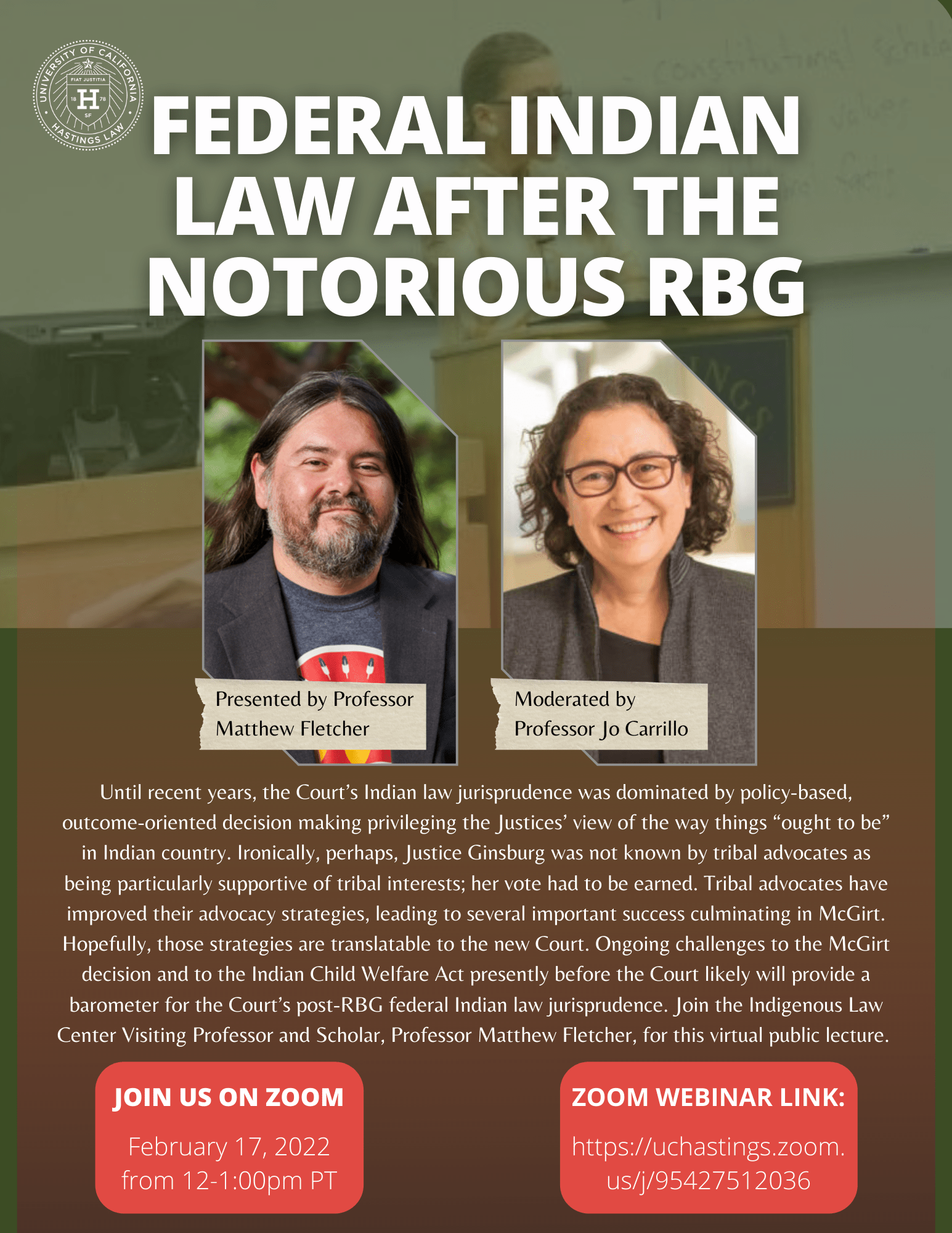
Here are the materials in United States v. Ortega (D. Ariz.):
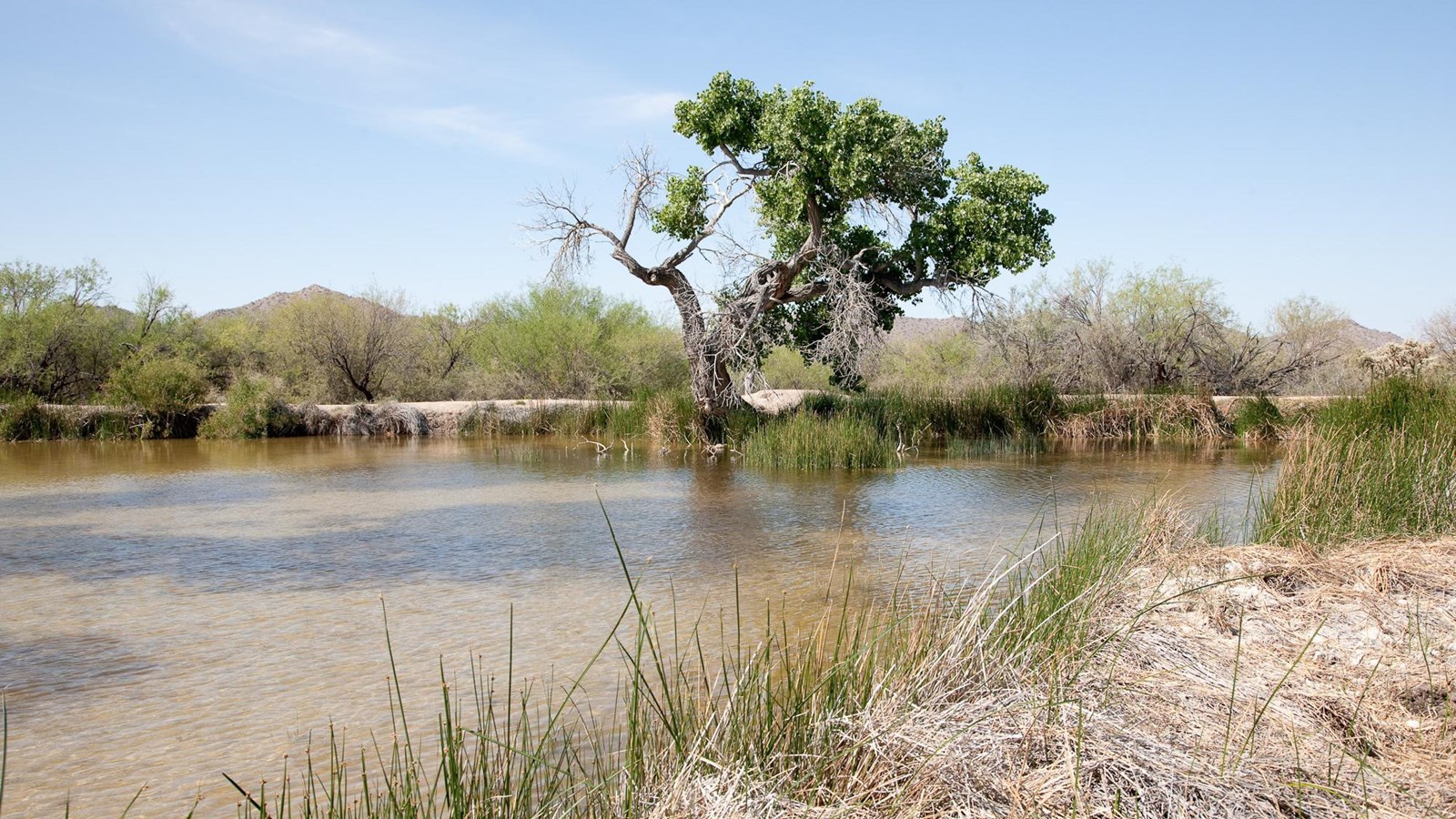
News coverage of the acquittal here.
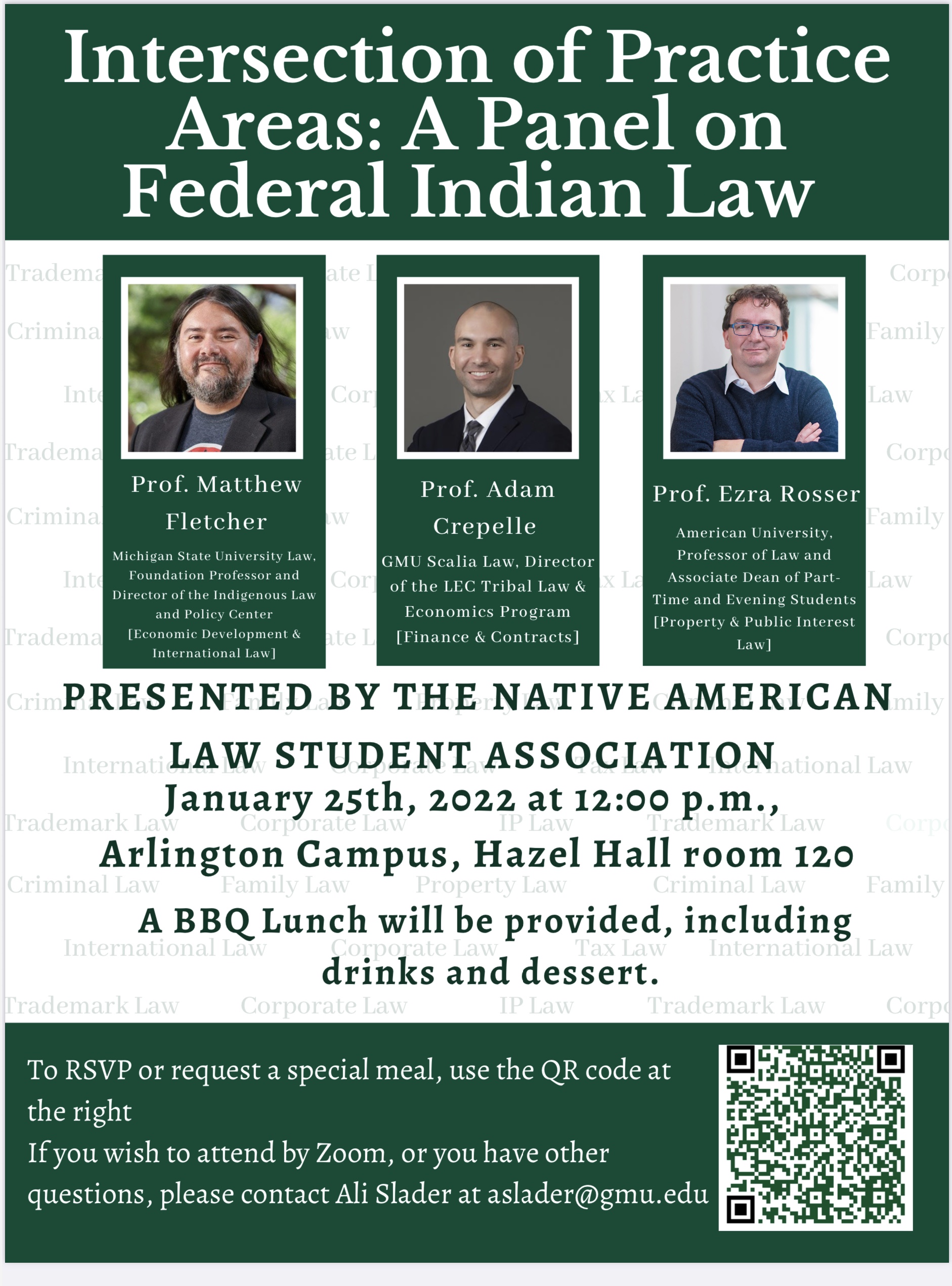
Register here.
It’s ‘cuz of PL280 (and, yeah, I know you’re out there Red Lakers, so chill). Here is the opinion in Martin v. State of Minnesota:


 Turtle Talk
You must be logged in to post a comment.