
Justice McKeig will address the MLaw Native American Law Students Association and the Michigan Tribal-State-Federal Judicial Forum.
Justice McKeig will address the MLaw Native American Law Students Association and the Michigan Tribal-State-Federal Judicial Forum.
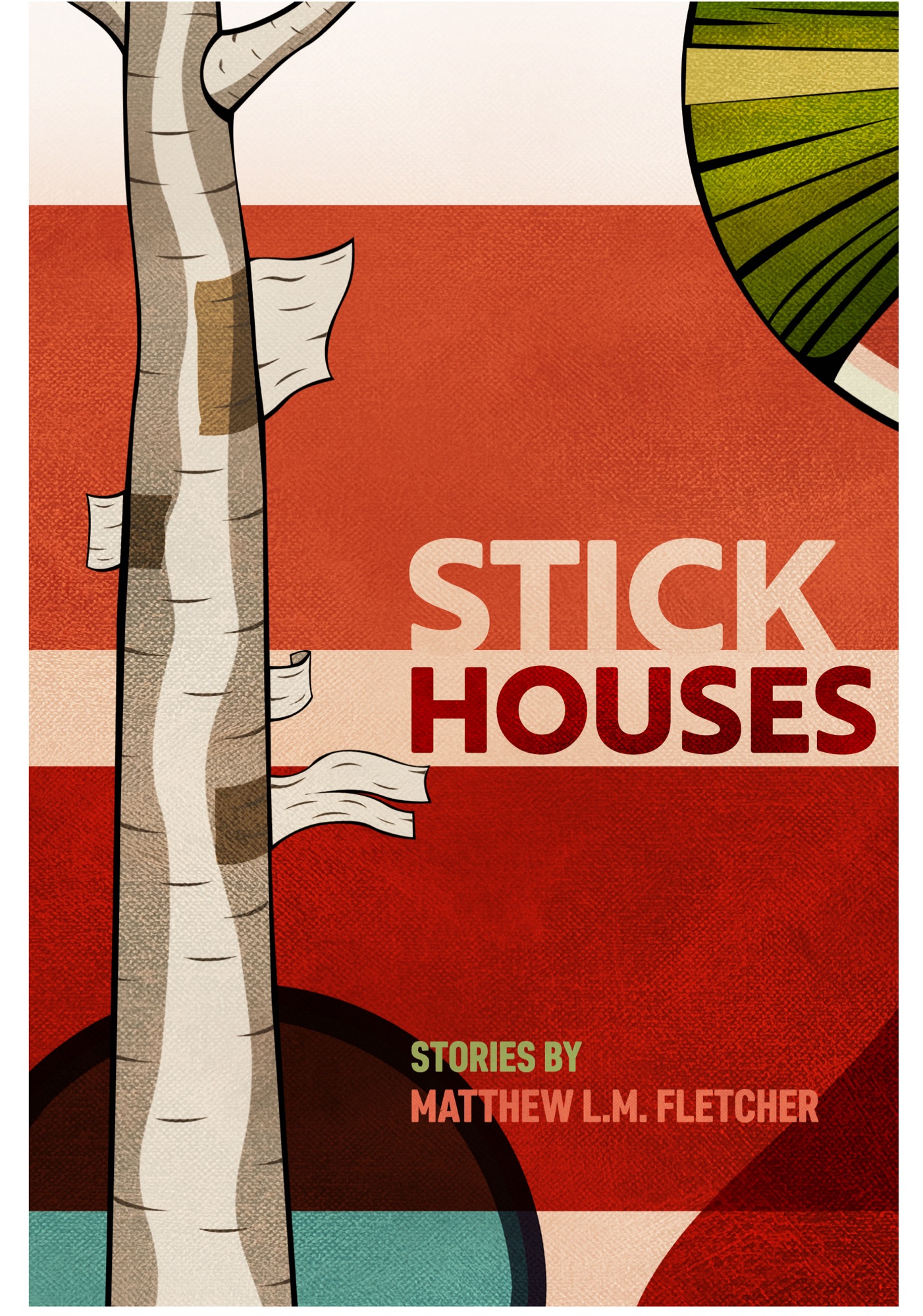
Preorder here.
Blurbs:
“Fletcher’s lyrical and lucid collection draws the reader into the heart and depth of each story in a multifaceted portrait of an Anishinaabe community and its people, an immersion into landscapes and lives that is a compelling and satisfying literary experience.” —Linda Grover, professor emeritus of American Indian studies at the University of Minnesota Duluth and a member of the Bois Forte Band of Chippewa
”Come, journey into the life, the stark truths, the unbelievable circumstances that Native Americans contend with on a daily basis. Fletcher has opened up our universe to allow you, the reader, a chance to share the usually unspoken.” –Louis V. Clark III (Two Shoes), author of How to Be an Indian in the 21st Century and Rebel
Dr. Taylor Elyse Mills has published “Protecting the Next Seven Generations: Self-Indigenization and the Indian Child Welfare Act” in Genealology.
Here is the abstract:
In 1978, the United States enacted the Indian Child Welfare Act (ICWA) “to protect the best interest of Indian Children and to promote the stability and security of Indian tribes and families by the establishment of minimum Federal standards for the removal of Indian children and placement of such children in homes which will reflect the unique values of Indian culture.” The ICWA was codified to address centuries of genocidal government policies, boarding schools, and coercive adoptions that ruptured many Native families. Now one of the strongest pieces of legislation to protect Native communities, the ICWA was designed to ensure that Native foster children are placed with Native families. Implementing the ICWA has not been smooth, however, as many non-Native foster parents and state governments have challenged the ICWA. While the ICWA has survived these legal challenges, including the recent 2023 Haaland v. Brackeen Supreme Court case, the rise of non-Natives claiming Native heritage, also known as self-indigenizers or “pretendians,” represents a new threat to the ICWA. This Article presents a legal history and analysis of the ICWA to unpack the policy implications of pretendians in the U.S. legal context. This Article demonstrates how the rise of pretendians threatens to undermine the very purpose of the ICWA and thereby threaten the sovereignty of Native peoples. By legally sanctioning the adoption of Native children into non-Native pretendian homes, the ICWA can facilitate a new era of settlers raising Native children, rather than preventing this phenomenon as intended. In response, this Article offers concrete policy recommendations to bolster the ICWA against this threat.
Here:

Here:
The ELI Digital Consultation Hub serves as a comprehensive platform to build the capacity of Tribal, state, and local policymakers in implementing best practices in government-to-government consultation. The database includes documents from Tribal, state, and federal governments that guide consultation as it pertains to culture, land use, and natural resources.

Here:
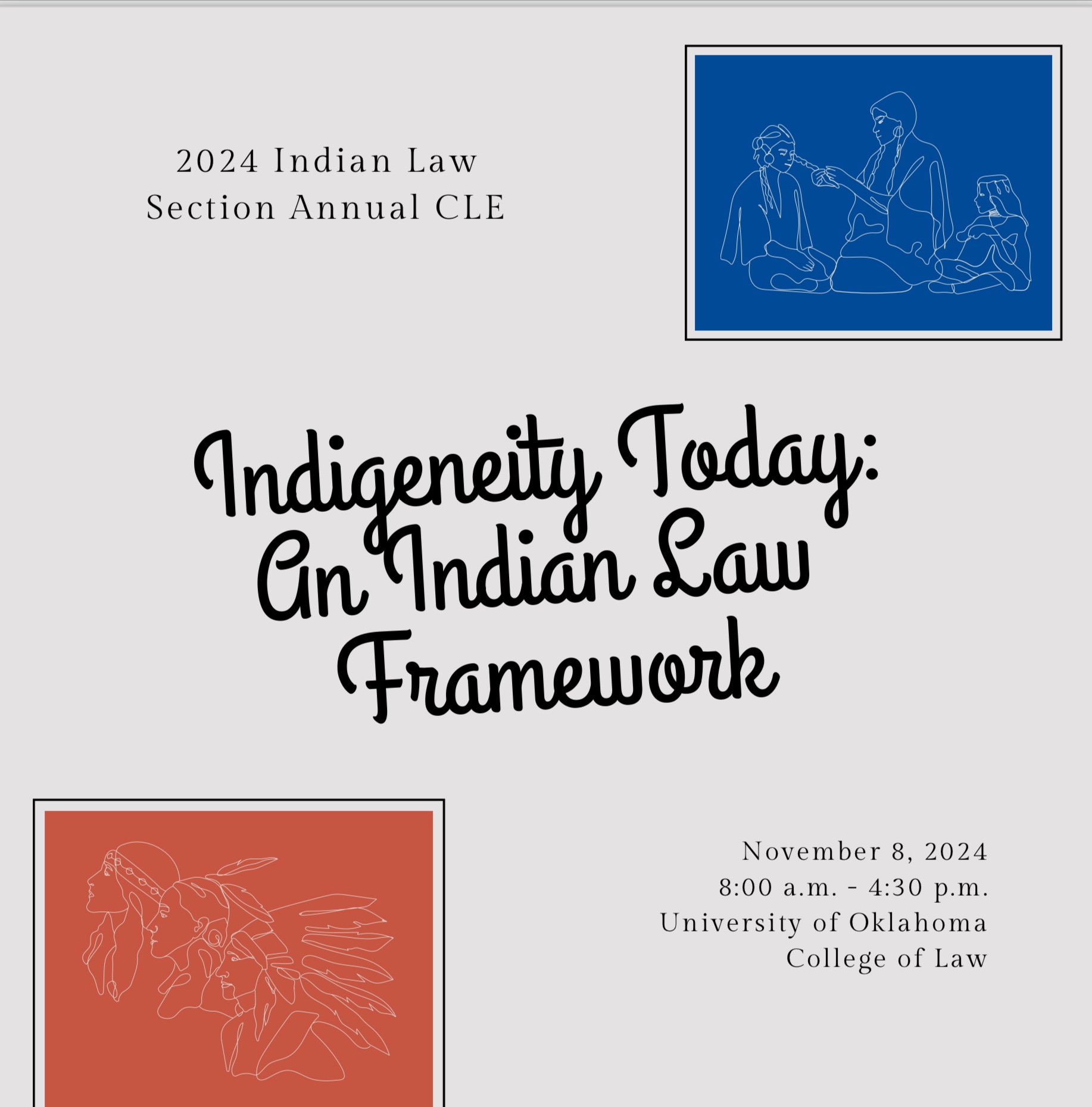
From the early 19th century to today, U.S. Supreme Court decisions have significantly shaped the lives and rights of American Indian communities. These rulings impact critical areas like governance, jurisdiction, natural resource management, and religious freedoms. By attending this course, you will gain valuable insights into the legal struggles and triumphs that have defined American Indian history. The program highlights key issues such as tribal sovereignty, land rights, treaty obligations, and cultural preservation, showing how the Supreme Court has influenced the legal landscape of American Indian rights.
Attendees will dive into the evolving field of American Indian law with a special focus on U.S. Supreme Court decisions that directly affect tribal sovereignty, land rights, and treaty obligations. With these legal issues becoming increasingly relevant in today’s practice—impacting areas like environmental law and civil rights—understanding the foundational cases and legal challenges faced by Native communities is critical. This course will arm you with the knowledge to address these complex legal questions with confidence and precision.
Questions will be submitted live to the faculty and all registrants will receive downloadable course materials to accompany the program.
This course is ideal for attorneys who are interested in or currently practicing in areas that intersect with Native American law. It is particularly valuable for those working in fields related to civil rights, land use, environmental law, and government relations, as well as those involved in representing tribal governments or advocating for Native communities.
Additionally, public officials, policymakers, and educators seeking to broaden their understanding of tribal sovereignty, treaty rights, and the historical context of U.S. Supreme Court decisions impacting Native American law will benefit greatly from the insights provided in this program. Whether you are seeking to enhance your legal practice or simply deepen your knowledge of the complexities of Native American legal issues, this course offers essential learning for anyone committed to justice and equity in this vital area of law.

Here the materials in Hualapai Indian Tribe v. Haaland (D. Ariz.):
72 Arizona Lithium Post-Hearing Brief
74 Hualapai Post-Hearing Brief
Complaint is here.

Dems — we’re up for you hiring your own lawyers:
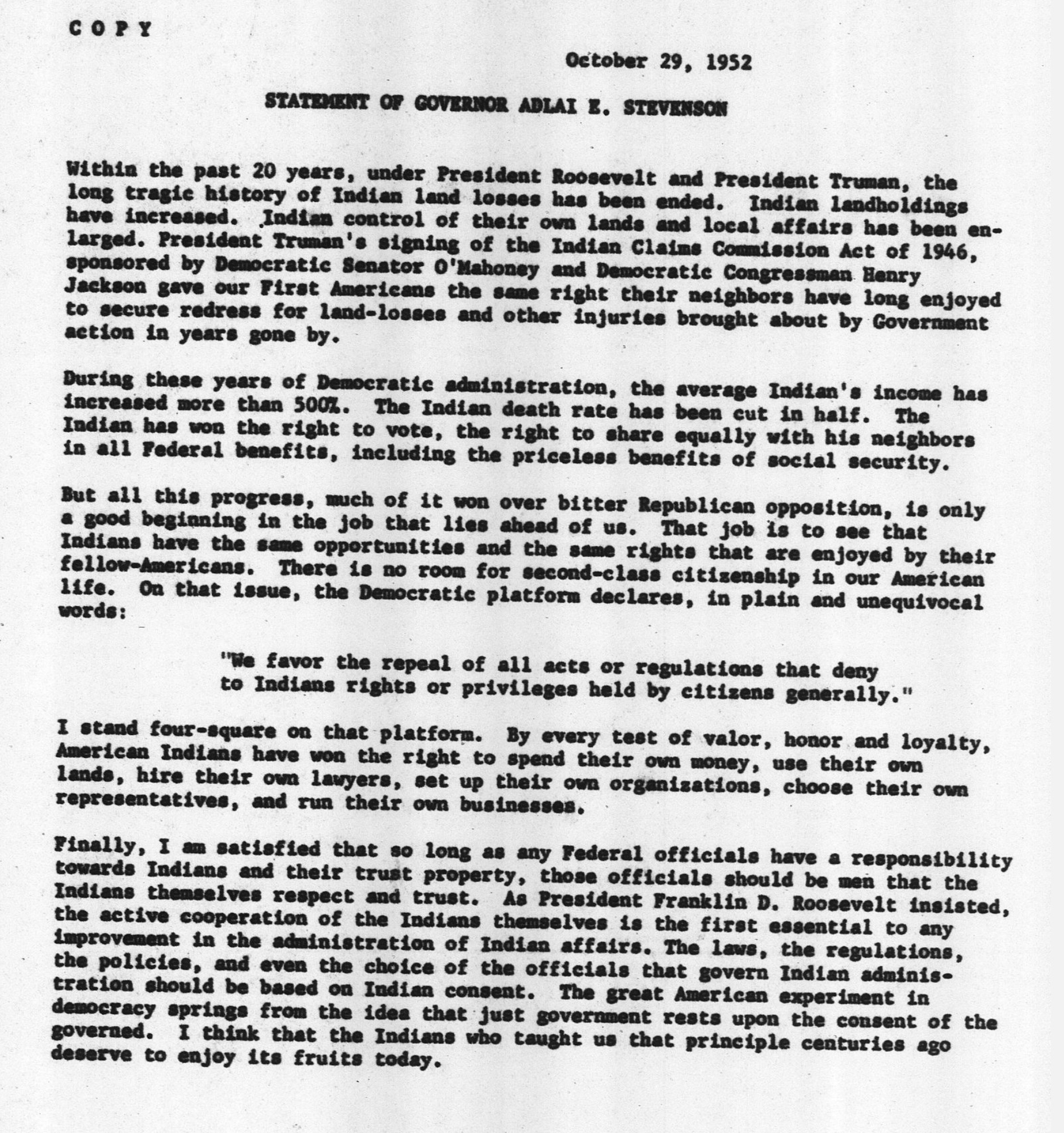
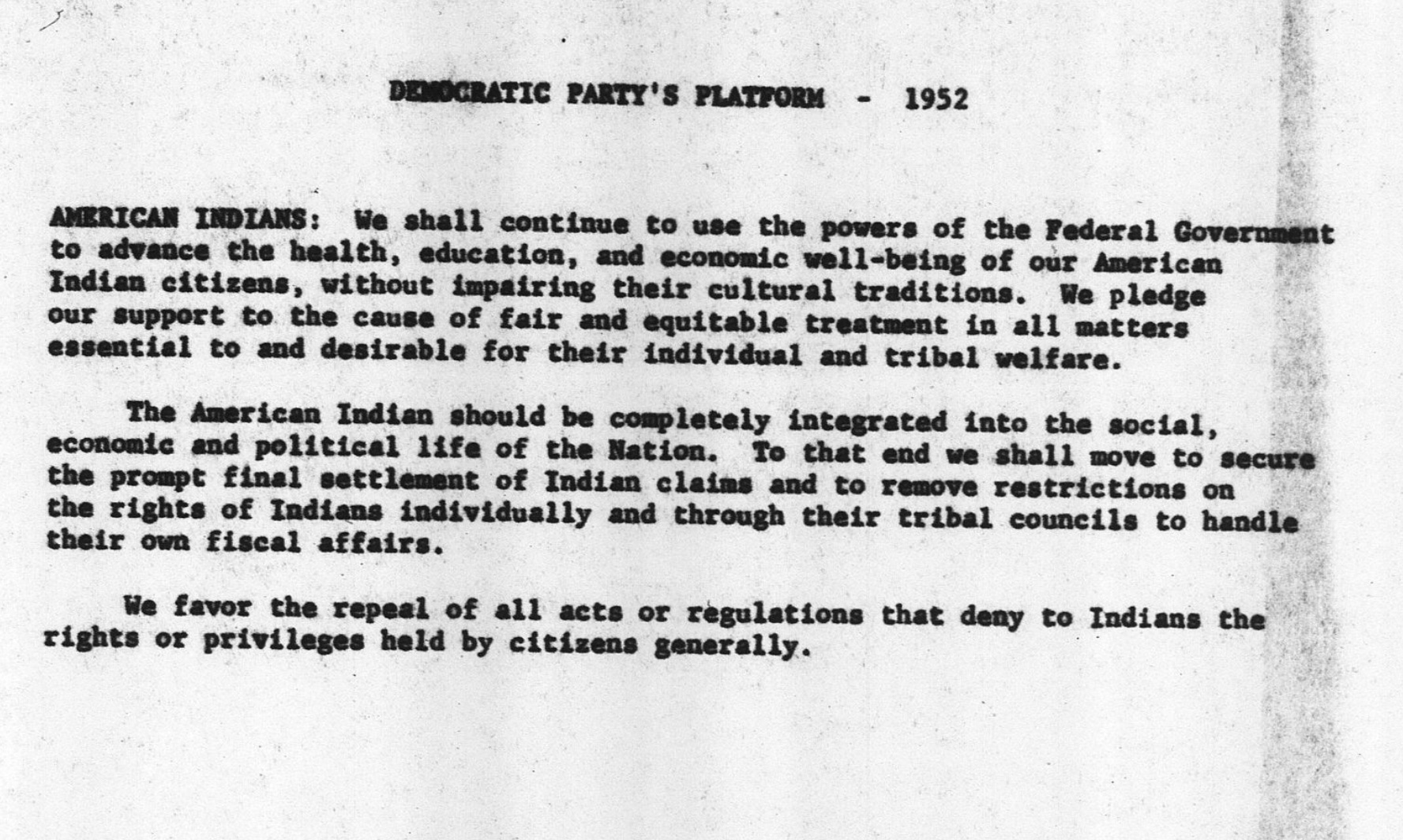
Rs — terminate your asses:

Guess who won?
Here are the available materials in Parker v. Halftown (N.D. N.Y.):

 Turtle Talk
You must be logged in to post a comment.