Dan Cornelius and Steph Tai on the USDA’s Programs on Climate Change and Indigenous and Black Farmers

Daniel Cornelius and Steph Tai have published “Can We Save Our Foodways? The Inflation Reduction Act, Climate Change, and Food Justice” in the Yale Law Journal Forum.

Here is the abstract:

This Essay examines USDA programs supported by the Inflation Reduction Act and its approach towards addressing climate change and historical funding inequities for Indigenous and Black Farmers. It also argues for how the next Farm Bill can expand upon these efforts to further address inequities and promote climate resilience.

Tribal Citizen Cop Fired from City Police Sues for Race Discrimination

Here is the complaint in Whiteplume v. Riverton Police Dept. (D. Wyo.):

New Mexico COA Declines Jurisdiction over Firing of Santa Ana Pueblo Tribal Police Officers

Here is the unpublished order in Trujillo v. Foster:

Gender-Affirming Care in Indian Country Amid Current Legislative Bans | April 23, 2024

Here.

April 23 @ 12:00 pm – 1:00 pm PDT

We invite you to join Indian Country ECHO for a Grand Rounds focused on gender-affirming care and legislation in Indigenous communities. In this series of presentations we will describe access to gender-affirming care in Indian Health Service and Tribal facilities in the context of current federal, state, and tribal laws and policies. We will explain tribal sovereignty as it relates to gender-affirming care and share clinical and legal resources for healthcare professionals serving Two-Spirit, Indigiqueer, transgender, and gender-expansive peoples. The one-hour Grand Rounds session includes an opportunity to engage in a didactic presentation, gain insight on how Indian Health Service and Tribal (I/T) facilities may effectively integrate gender-affirming care among legislative bans, become part of a learning community, join a Gender Affirming Care ECHO Program, and ask questions about navigating gender-affirming care in Indigenous healthcare systems. Clinical, public health, and legal experts will be present. CE will be available. At the end of this session, attendees will:

  • Define tribal sovereignty and gender-affirming care
  • Consider how tribal sovereignty relates to access health care in I/T facilities, with focus on gender-affirming care
  • Understand current tribal, national, and state laws and policies on gender-affirming health care for transgender and gender-expansive peoples
  • Clarify their role(s) in supporting access to gender-affirming health care in I/T facilities

To join, simply register for the 12pm PT April 23rd Grand Rounds event at: https://www.surveymonkey.com/r/GrandRoundsECHO_Registration

Speaker(s): Available to Registered Participants
Grant Christensen on Article IV and Indian Tribes

Grant Christensen has posted “Article IV and Indian Tribes,” forthcoming in the Iowa Law Review, on SSRN.

Here is the abstract:

Unlike the first three articles of the Constitution which create the three branches of the federal government, Article IV establishes a set of rules to police the actions of states and knit them together into a single union. Notably absent from Article IV is any mention of the tribal sovereign. Concomitantly, there has been no comprehensive academic discussion thinking about how the tribal sovereign complicates the purposes of Article IV. This piece advances a completely new understanding of Article IV and its implications in federal Indian law. It suggests that where Article IV advances rights to individual citizens (i.e. a citizen’s right to enforce a court judgment or their claim to the protection of the Privileges and Immunities Clause) then states may not use their connection to any tribal sovereign as an excise to deny them the protections of those rights. In contrast, where Articles IV speaks to rules designed to ensure states treat each other respectfully (i.e. requests for extradition, claims under the Equal Footing Doctrine, or any attempt to enforce the Guarantee Clause) then Article IV’s rules do not permit states to abridge, abrogate, modify, or erode the inherent rights of tribal nations. As the Court has recently opined, tribal governments themselves were absent from the Constitutional Convention and so constitutional limitations on the inherent powers of sovereigns do not extend to tribal governments.

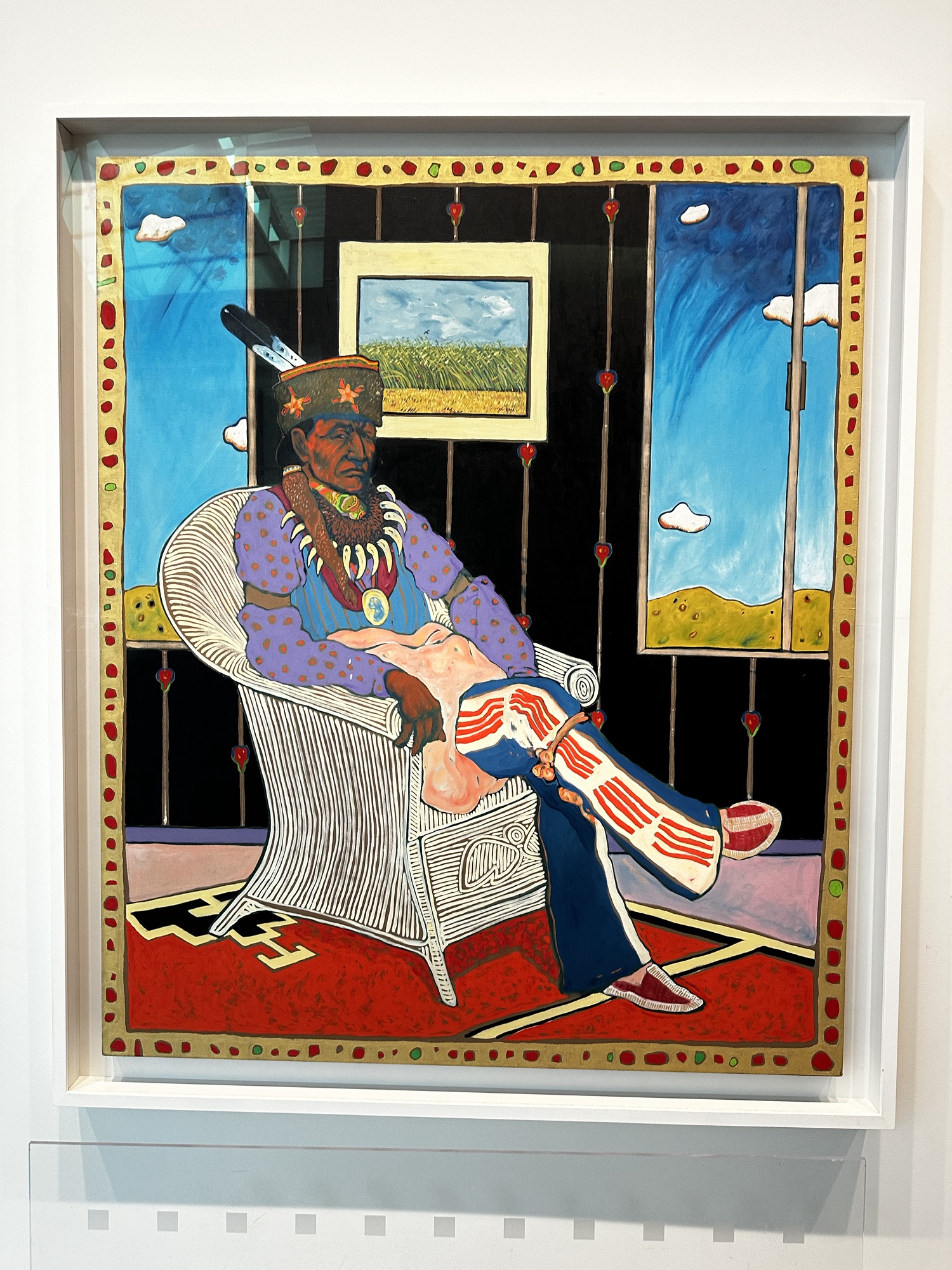
T.C. Cannon

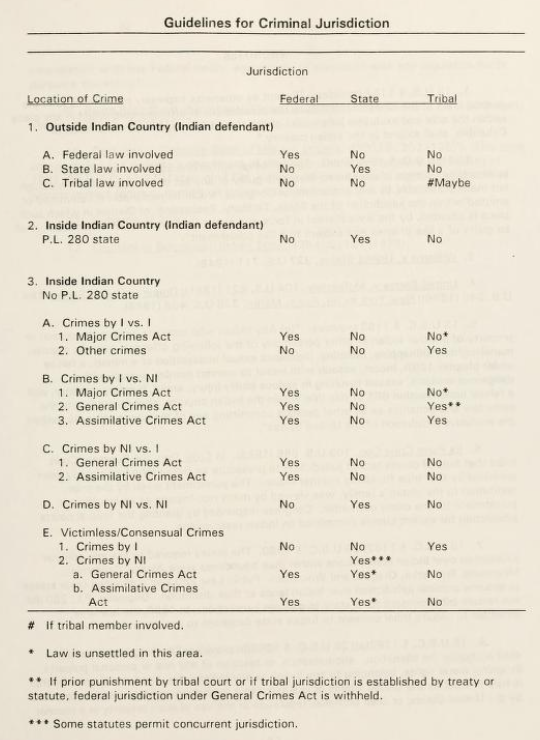
Oklahoma Criminal Appellate Court Materials in City of Tulsa v. O’Brien

Here:

Cayuga Nation Sues NY State Lottery

Here is the complaint in Cayuga Nation v. New York State Gaming Commission (N.D. N.Y.):

Ninth Circuit Affirms MCA Domestic Violence Conviction Where Victim Was Unavailable to Testify Due to Defendant’s Actions

Here is the opinion in United States v. Blackshire.

Briefs:

Opening Brief

Government Answer Brief

Reply

This is old.

Arizona Federal Court Declines to Enjoin Power Line

Here are the materials in Tohono O’Odham Nation v. Department of the Interior (D. Ariz.):

16 Motion for Injunction

27 SunZia Response

30 Federal Response

43 Reply

56 DCt Order

Prior post here.