

Fawn Sharp to speak on “Recentering Equity in the Climate Transition” at ClimatCAP!
Date: Friday, February 9, 2024 at 5:30pm – 6:30pm EST
Zoom link: https://umich.zoom.us/j/91256547607?pwd=YnQxb0lPZDZSK0xhVHJma21XZE1UQT09#success
Location: University of Michigan – Ross School of Business
ClimateCAP: The Global MBA Summit on Climate, Capital, & Business brings together MBA students, business leaders, and experts from around the world to assess the implications of climate change for business and investment. At the Summit, students gain a deeper understanding of how climate change is shaping industries and markets, where the biggest financial and operational risks lie, and what promising innovation and entrepreneurship opportunities are emerging.
Conference website: https://www.climatecap.org/mba-summit
Fawn Sharp:
Vice President, Quinault Indian Nation
In 2021, Sharp became the first tribal leader to receive diplomatic recognition from the U.S. when she represented all 574 tribes at the United Nations COP26 Summit in Glasgow and is now the Indigenous Co-Chair for the World Economic Forum, collectively raising the global Indigenous voice at Davos. Sharp served as the 23rd President of the National Congress of American Indians (2019-2023) and was the third woman ever to hold the position of NCAI President. Sharp is the current Vice President of the Quinault Indian Nation in Taholah, Washington, after being a five term past-President.
Here are the materials in Klamath Tribes v. Bureau of Reclamation (D. Or.):
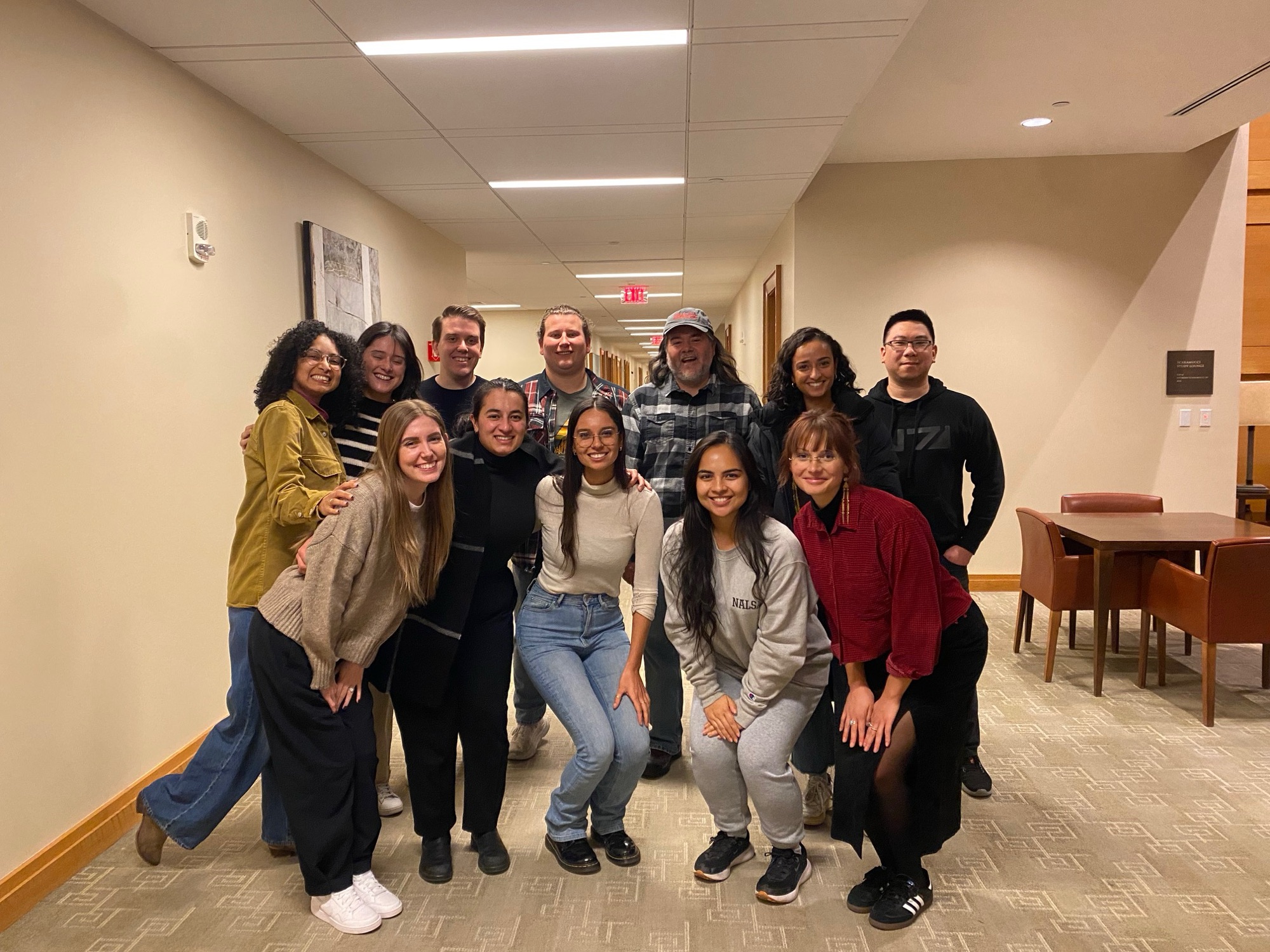
Samantha Maltais (PLSI ‘21) and crew:
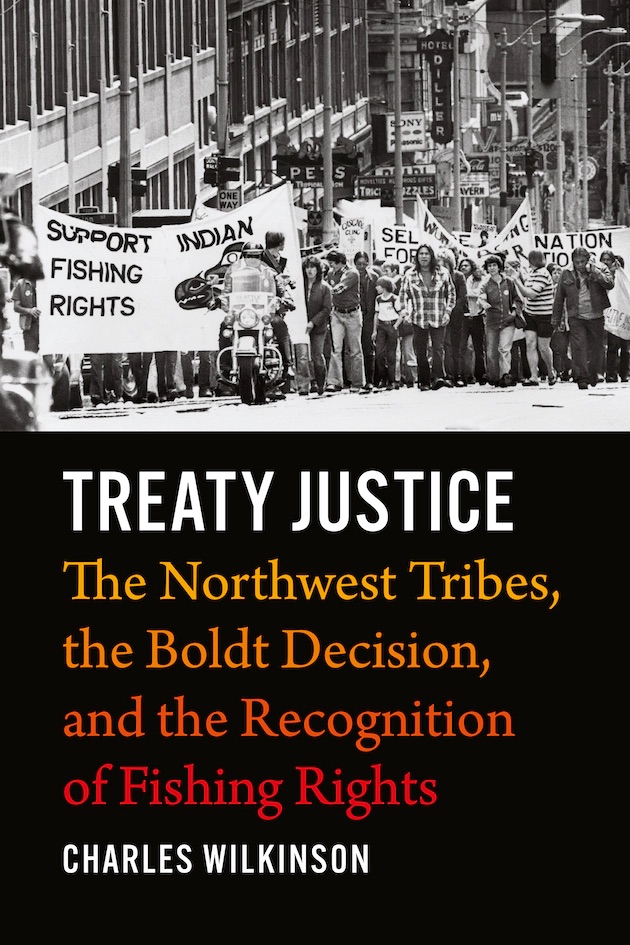
Charles F. Wilkinson and the University of Washington Press have published “Treaty Justice: The Northwest Tribes, the Boldt Decision, and the Recognition of Fishing Rights.”
Blurb:
In 1974, Judge George Boldt issued a ruling that affirmed the fishing rights and tribal sovereignty of Native nations in Washington State. The Boldt Decision transformed Indigenous law and resource management across the United States and beyond. Like Brown v. Board of Education, the case also brought about far-reaching societal changes, reinforcing tribal sovereignty and remedying decades of injustice.
Eminent legal historian and tribal advocate Charles Wilkinson tells the dramatic story of the Boldt Decision against the backdrop of salmon’s central place in the cultures and economies of the Pacific Northwest. In the 1960s, Native people reasserted their fishing rights as delineated in nineteenth-century treaties. In response, state officials worked with non-Indian commercial and sport fishing interests to forcefully—and often violently—oppose Native actions. These “fish wars” spurred twenty tribes and the US government to file suit in federal court. Moved by the testimony of tribal leaders and other experts, Boldt pointedly waited until Lincoln’s birthday to hand down a decision recognizing the tribes’ right to half of the state’s fish. The case’s long aftermath led from the Supreme Court’s affirmation of Boldt’s opinion to collaborative management of the harvest of salmon and other marine resources.
Expert and compelling, Treaty Justice weaves personalities and local detail into the definitive account of one of the twentieth century’s most important civil rights cases.
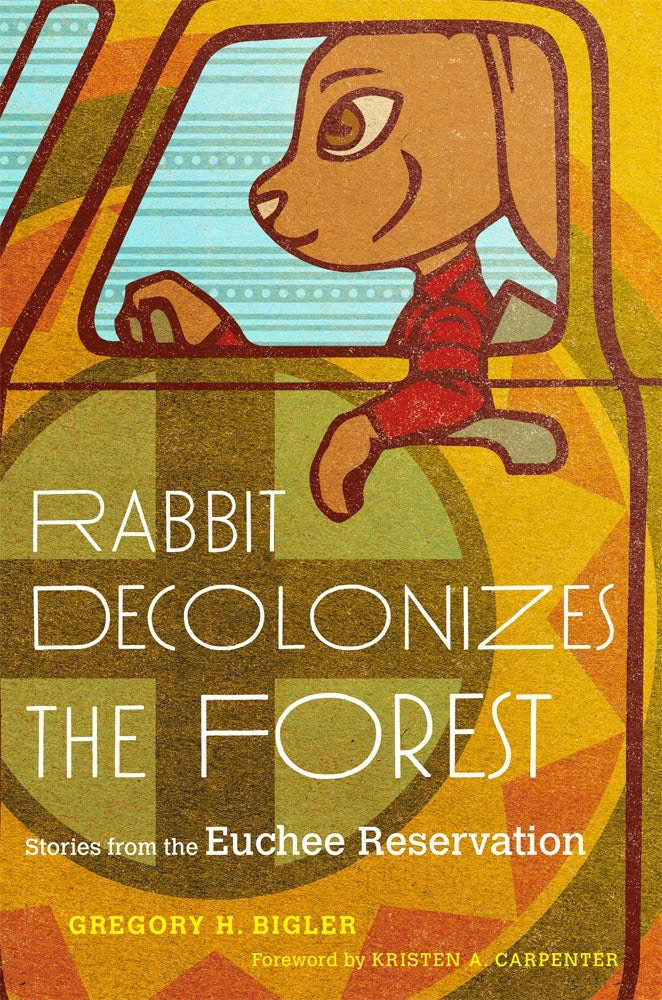
Gregory H. Bigler and the University of Oklahoma Press will soon publish “Rabbit Decolonizes the Forest: Stories from the Euchee Reservation.”
Blurb:
Before their forced removal to Oklahoma in the 1830s, the Euchee people lived in Georgia and other southeastern territories. Today the Euchees are enrolled members of the Muscogee Nation of Oklahoma, but they possess their own language, culture, and traditions. This unique collection by Euchee citizen Gregory H. Bigler combines traditional di’ile (Euchee tales), personal recollections, and contemporary stories to portray a way of life often hidden from view.
Written in an engaging, down-to-earth style, the stories in this book immerse the reader in the everyday experiences of the Euchee community. With his gift for storytelling, Bigler welcomes readers into the lives and culture of the people whose stories he has heard or observed throughout his life and career as a lawyer and judge. Unforgettable characters appear or reappear in various settings, and these figures, whether animal or human, are bound to bring forth a chuckle or leave the reader wanting to learn more about their history. Some of the tales address serious legal injustices, while others poke gentle fun at lofty academic constructs. In the title story, for example, the mischievous character Shajwane (Rabbit), resolves to decolonize the forest, to strip away its “false narrative,” by literally removing all new growth from the trees.
These stories bring to life Euchee traditions that include family ties, the stomp dance, and communal cooking and feasting. Woven throughout is the sacred element of spirit. As Bigler explains in his introduction, the “spiritual” for Euchees signifies not a Western quest for peace or centeredness but a world filled with animate spirits that interact with all of us—as we see them, feel them, or seek them out.
The Euchee people are unknown to most Americans. They inhabit a small area southwest of Tulsa and have yet to receive federal recognition. Yet even in their modern-day lives—as these stories capture so beautifully—the Euchee people remain fiercely determined to show “they are still here.”
Here are the materials in Legend Lake Property Owners Assn. v. Dept. of the Interior (E.D. Wis.):

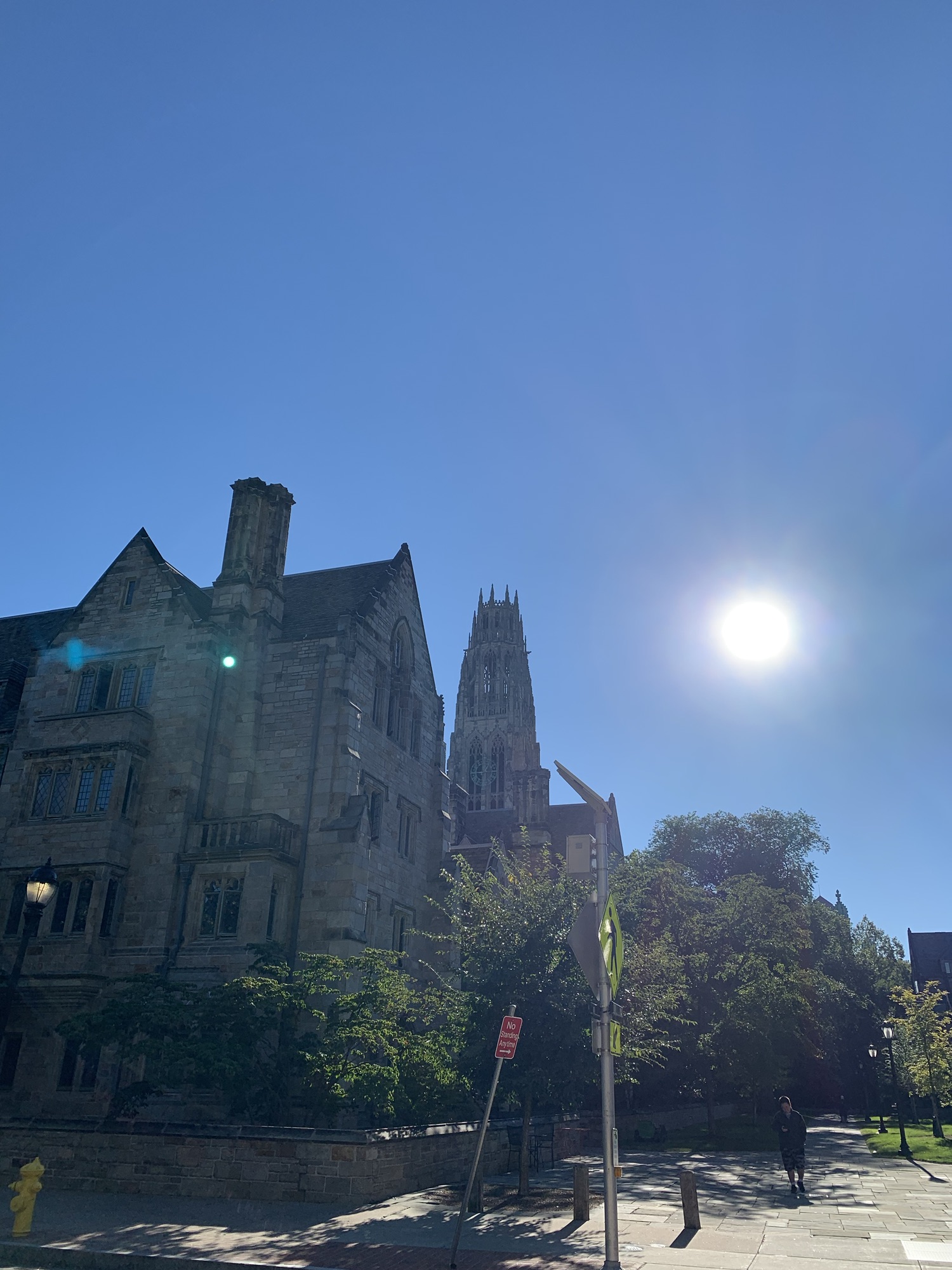
The Yale Law Journal’s submissions season opened on February 1, and we are reaching out to see if you would be able to share a call for submissions on Turtle Talk. The Articles and Essays submissions guidelines can be found here.
We greatly appreciate your time, and we hope to hear from you soon!
Best,
Ashlee Fox, Meghan Gupta, and Lily Moore-Eissenberg, on behalf of the Yale Law Journal


 Turtle Talk
You must be logged in to post a comment.