Here from BBC.
NYTs.
Karrie Wichtman and Jen Weddle
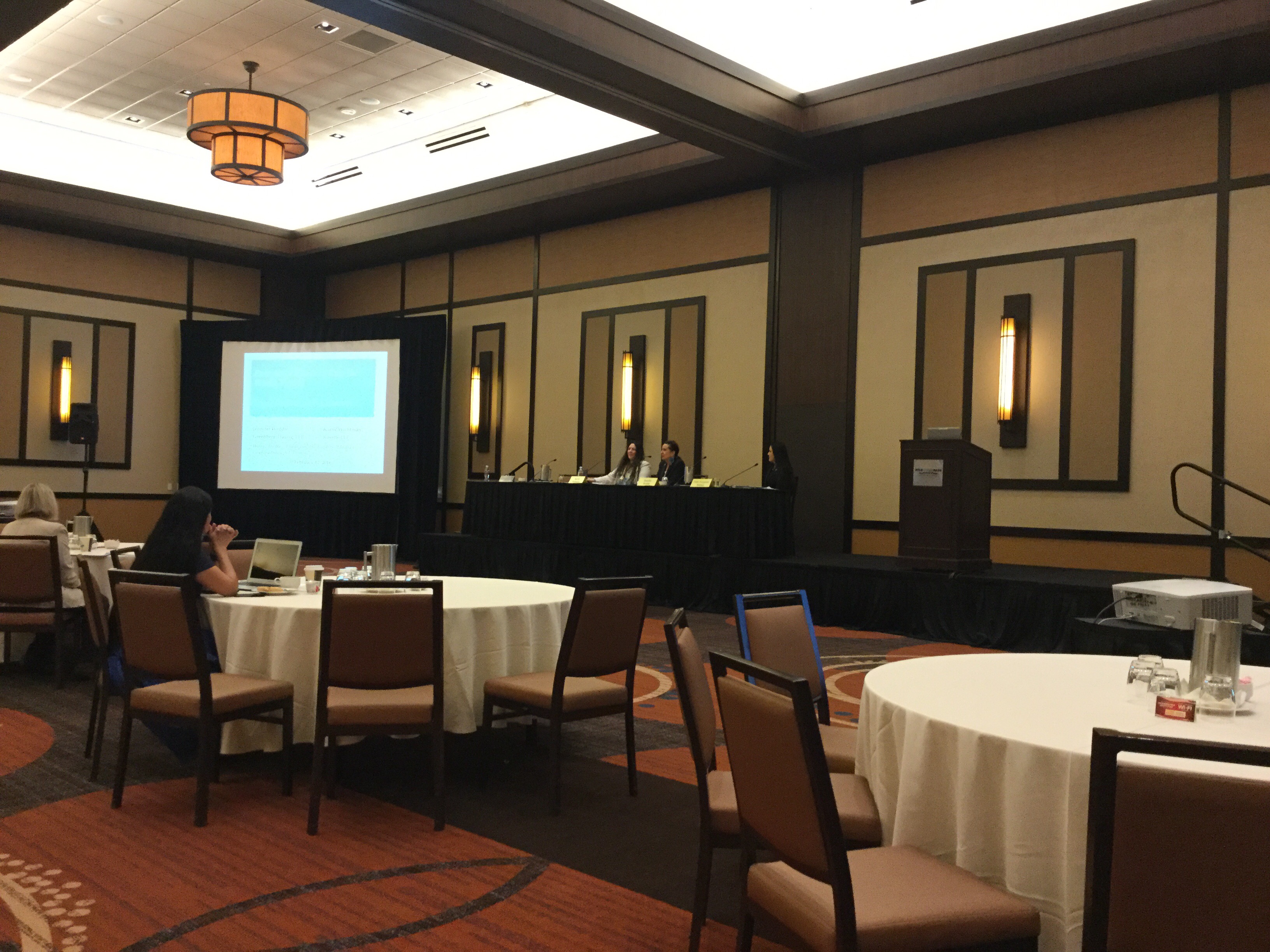
Patty Ferguson-Bohnee

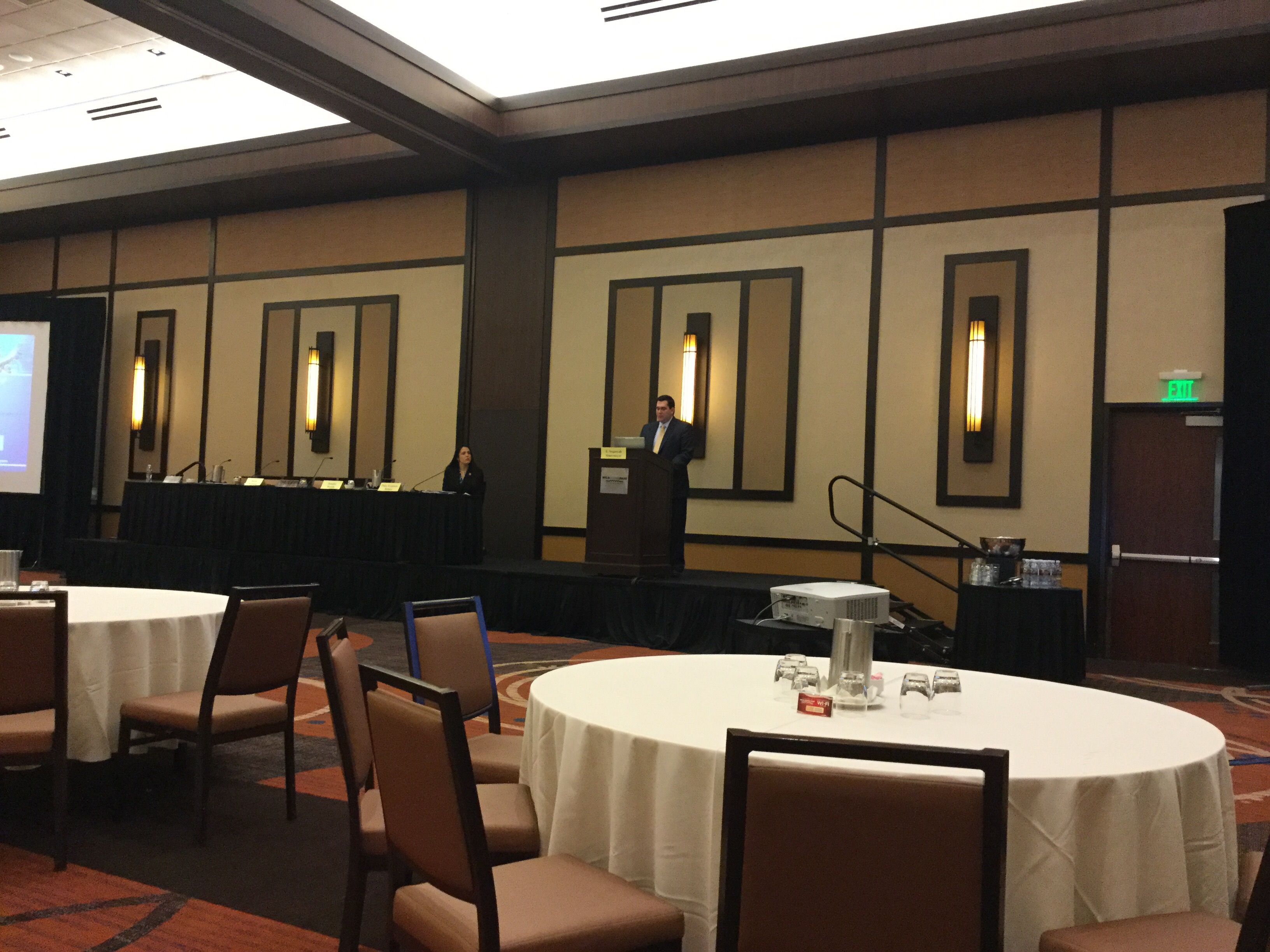
Sequoyah Simermeyer
Rebecca Webster has published “This land can sustain us: cooperative land use planning on the Oneida Reservation” in Planning Theory & Practice.
Here is the abstract:
Land use planning in indigenous communities often takes place within state-based planning initiatives, leaving indigenous governments to serve as token participants. Through these initiatives, state-based governments have the ability to wield their power and control the planning process to the detriment of indigenous governments. This study sets forth an alternative option involving cooperative land use planning practices where neither government controls the planning process. Drawing upon a case study of the Oneida Reservation in Wisconsin, USA, this study explores ways to increase cooperative land use planning relationships between indigenous and state-based governments. As one of the few empirical studies to apply critical planning theory to advocate for increased cooperative land use planning, this paper proposes a series of recommendations that can help indigenous and state-based governments avoid conflicts and work toward cooperative relationships.
Here are the materials in Northern New Mexicans Protecting Land Water and Rights v. United States (D. N.M.):
Here is “‘Uncounseled’ convictions a threat to Indians.”
Here are the materials in Matt v. United States (D. Mont.):
45 DCT Order Granting Motion to Quash
An excerpt:
Matt seeks documents in the possession of the Fort Belknap Community Council. (Doc. 26-1 at 2.) In order to satisfy Matt’s request, Council would be required to take affirmative action to produce tribal documents. (Doc. 37 at 3.) If the Court granted Matt’s request the judgment would “interfere with public administration” of the tribe and would “compel [the sovereign] to act.” Maxwell, 708 F.3d at 1087-90. The recovery sought in this case would operate against the tribe. Matt should not be allowed to “circumvent tribal immunity” by addressing the Subpoena Duces Tecum to Mark Azure instead of to the tribe.
An excerpt:
The Council entered into an ISDEAA contract for the maintenance of the roads on Matt’s property. The Council and its tribal members should be deemed part of the BIA and subject to the FTCA. The Council and its tribal members should be subject to discovery related to the construction and maintenance of the roads covered by the ISDEAA contract.
Merits Stage Briefs:
Brief of Amici Curiae Criminal Justice Organizations and Scholars
Brief Amici Curiae of Professor Barbara L. Creel and the Tribal Defender Network
Cert Stage Briefs:
Lower court briefs (en banc stage):
CA9 Order Denying En Banc Petition + Opinions
Lower court briefs (panel):
 Turtle Talk
You must be logged in to post a comment.