Nathalie Landreth, Sara Hill, Erin Dougherty, Jack Trope, Anita Fineday
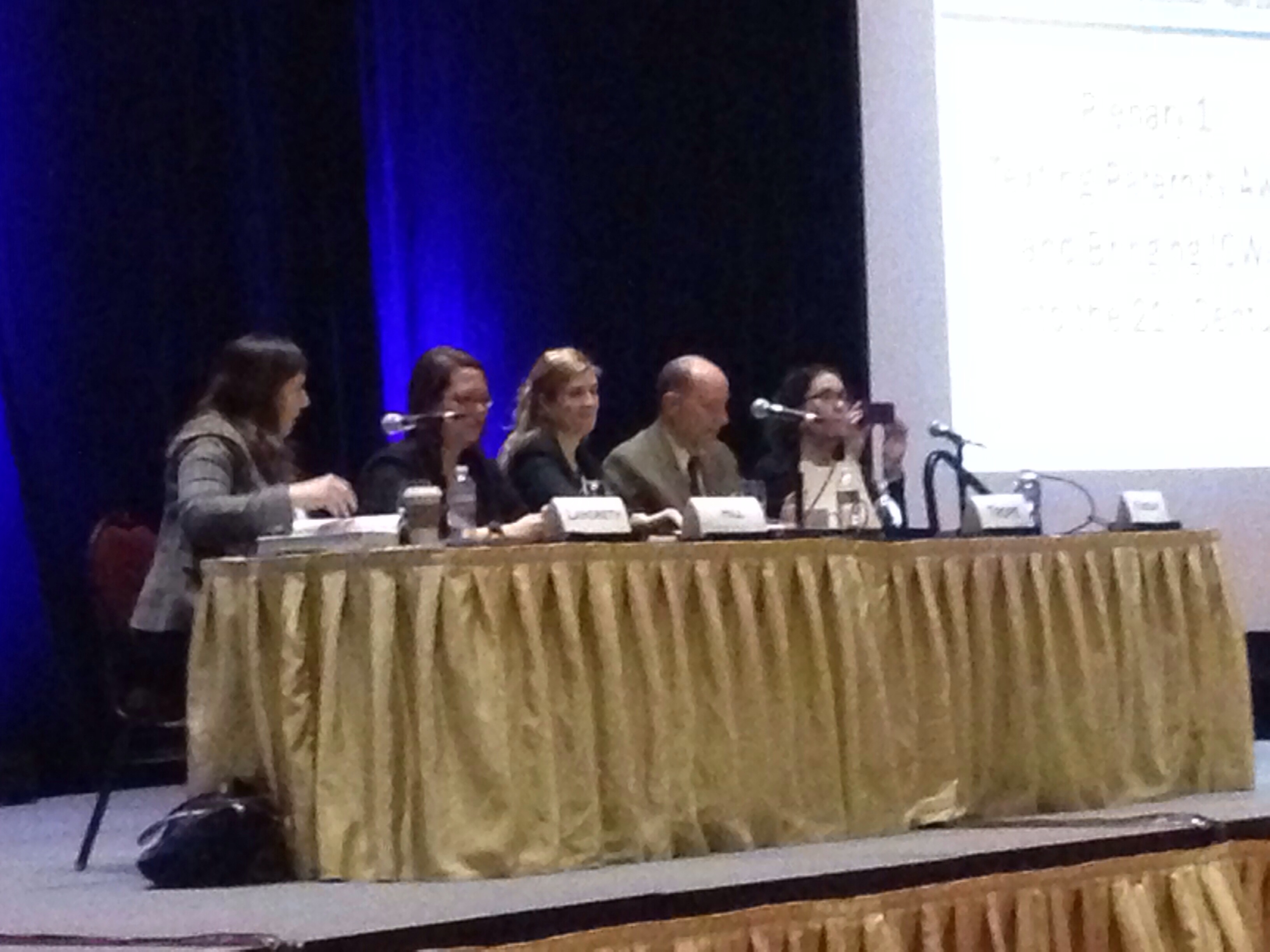
Nathalie Landreth, Sara Hill, Erin Dougherty, Jack Trope, Anita Fineday
Details here (PDF):

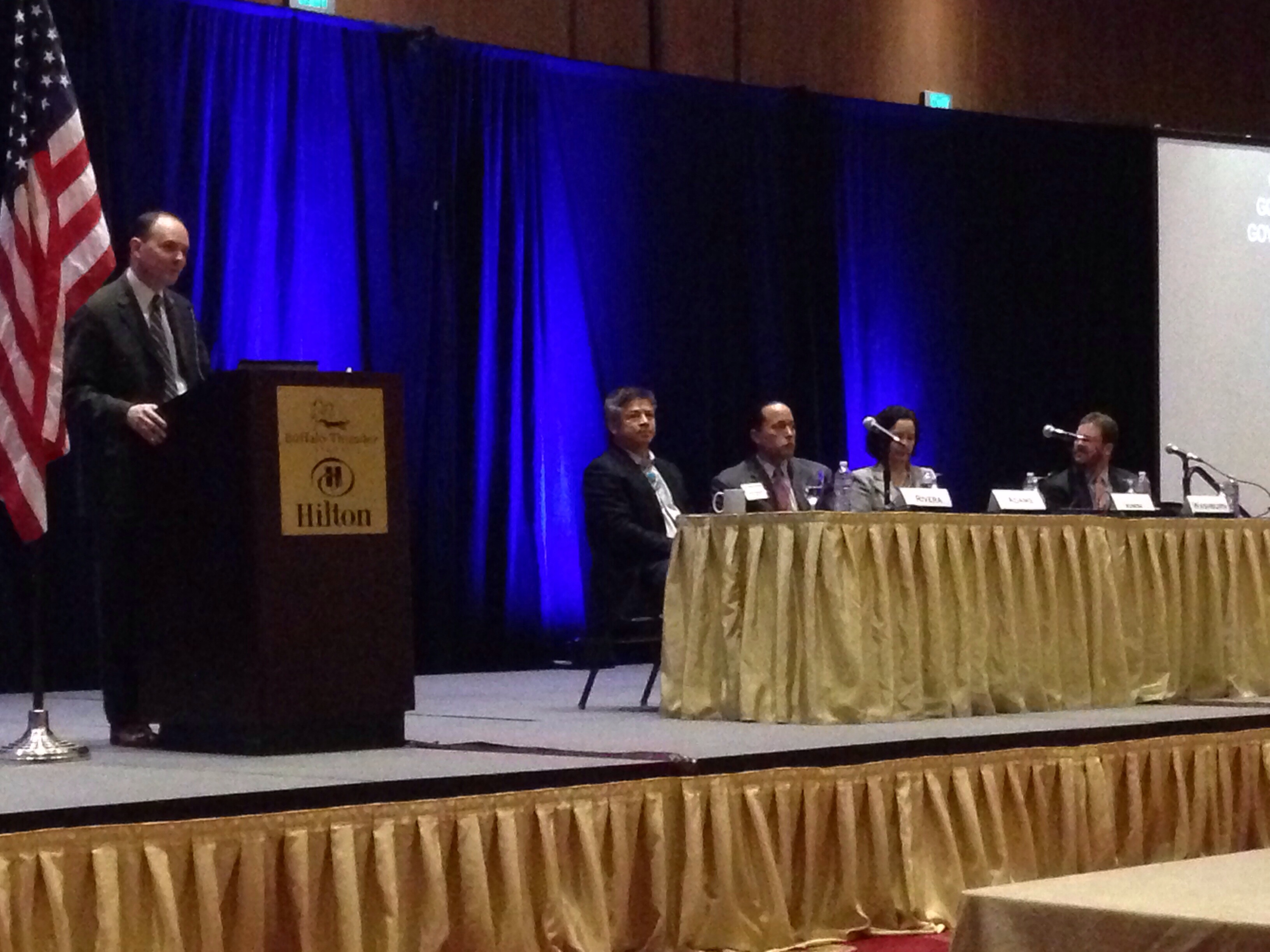
Asst. Secretary Kevin Washburn, Gov. Rivera, Andrew Adams, Patrice Kunesh, Steve McSloy
Assistant Secretary Washburn Approves Four HEARTH Act Applications
to Help Spur Economic Development in Tribal Communities (PDF)
Dry Creek Rancheria, Jamestown S’Klallam, Mohegan, and Wichita and Affiliated Tribes join eight others already cleared to process economic development leases without BIA approval
WASHINGTON, D.C. — Assistant Secretary – Indian Affairs Kevin K. Washburn today approved leasing regulations submitted by four federally recognized tribes, restoring their authority to control the leasing of their trust lands and promoting their self-determination and economic development. This streamlined process for restoring tribal leasing authority is consistent with the objectives of the Helping Expedite and Advance Responsible Tribal Homeownership Act, or HEARTH Act.
“Thanks to the HEARTH Act, more tribes have been empowered to take over leasing on their lands,” Assistant Secretary Washburn said. “Tribal governments are the drivers of economic self-sufficiency and prosperity on their reservations and in their communities. The HEARTH Act restores their ability to directly control how their lands can and should be used for the good of their people, now and in the future.”
The four tribes, submitted requests for Secretarial approval of their leasing regulations, are: Dry Creek Rancheria Band of Pomo Indians in California, Jamestown S’Klallam Tribe in Washington State, Mohegan Indian Tribe of Connecticut, and Wichita and Affiliated Tribes in Oklahoma. Each tribe plans to authorize leases for general economic development.
The HEARTH Act was signed by President Obama in July 2012. It restores the authority of federally recognized tribes to develop and implement their own laws governing long-term leasing of federal Indian trust lands for residential, business, renewable energy and other purposes, which greatly expedites the approval of leases for homes and small businesses in Indian Country. Upon one-time approval of its regulations by the Department of the Interior, a tribe may process land leases without having to first gain approval from the Bureau of Indian Affairs (BIA).
The Assistant Secretary’s action brings to 12 the number of tribes who have had their tribal leasing regulations approved under the Act. The others are: Federated Indians of Graton Rancheria, California (Feb. 1, 2013); Pueblo of Sandia, New Mexico (March 14, 2013); Pokagon Band of Potawatomi Indians, Michigan (April 11, 2013); Ak-Chin Indian Community; California (Nov. 10, 2013); Santa Rosa Band of Cahuilla Indians, California (Nov. 10, 2013); Citizen Potawatomi Nation, Oklahoma (Nov. 25, 2013); Ewiiaapaayp Band of Kumeyaay Indians, California (Dec. 10, 2013); and Kaw Nation, Oklahoma (Dec. 13, 2013).
In November 2012, the Department announced new regulations resulting from a comprehensive reform of the BIA’s antiquated regulations governing its process for approving surface leases on lands held in trust by the Federal Government for Indian tribes and individuals. As trustee, Interior manages about 56 million surface acres in Indian Country.
The new regulations streamlined the leasing approval process on Indian land, spurring increased homeownership and expediting business and commercial development, including renewable energy projects.
The Assistant Secretary – Indian Affairs oversees the BIA, which is headed by a director who is responsible for managing day-to-day operations through four offices – Indian Services, Justice Services, Trust Services and Field Operations. These offices directly administer or fund tribally based infrastructure, law enforcement, social services, tribal governance, natural and energy resources, and trust management programs for the nation’s federally recognized American Indian and Alaska Native tribes and villages through 12 regional offices and 85 agencies.

Here. Titled “Frozen Homeland.” The blurb: “How the Lac Vieux Desert tribe funds propane for its enrolled members when the tribe finds its homeland frozen in the harshest winter they’ve ever known.”
Here.
Judicial Profiles of Tribal Judges (!)
And excellent Indian law articles:
Friends –
Please join Greenberg Traurig LLP for “Donuts and Deep Thoughts with Walter Echo-Hawk” at 7:00 a.m. on Friday April 11 at the Buffalo Thunder Resort at Pojoaque Pueblo, in the Vista Room. GT will be welcoming early risers participating in the Federal Bar Association Indian Law Conference with the chance to hear from Walter Echo-Hawk about his latest book, In the Light of Justice: The Rise of Human Rights in Native America and the UN Declaration on the Rights of Indigenous Peoples. Donuts and coffee will be free and Walter will speak probably around 7:30 a.m. Friday morning. Please come join us and warm up for a great day at the Conference!
Here:
Citizens for Balanced Use v Maurier District Court Order
This matter is related to the Montana Supreme Court case, posts here and here.
THE OMAHA TRIBE OF NEBRASKA & IOWA is seeking Requests for Proposals (RFP) for appointment representation of criminal defendants and/or guardian-ad-litem appointments in the Omaha Tribal Court. Applicants shall be licensed to practice law in any State or Federal jurisdiction and shall be familiar criminal and child abuse/neglect proceedings. Applicant may apply to provide criminal representation to clients charged with serious crimes on an appointment basis or to be appointed as guardian ad litem for children in abuse/neglect and civil proceedings on an appointment basis or both. RFP’s can be directed to the Omaha Tribal Human Resources Department at P.O. Box 368, Macy, Nebraska 68039 (402) 837-5391.


You must be logged in to post a comment.