Darcie Houck, Nick Reo, Kyle Whyte

Darcie Houck, Nick Reo, Kyle Whyte
Here is the opinion in HCI Distribution Inc. v. New York State Police Troop B Commander (N.Y. A.D.), reversing the lower court:
Lower court materials here.
Here, via SCOTUSblog.
An excerpt:
With respect to American-Indian students, the percentage enrolled at the University of California was lower in 2012 than in 1996 on seven of nine campuses: Berkeley, Davis, Los Angeles, Riverside, San Diego, San Francisco, and Santa Barbara. In summary, even with the remarkable expansion of 72,000 seats (and a new campus) at UC during this span, the percentage of African- American and American-Indian students enrolled in the UC system was still lower in 2012 than it was in 1996.
Sharon Avery, MSU ILPC grad
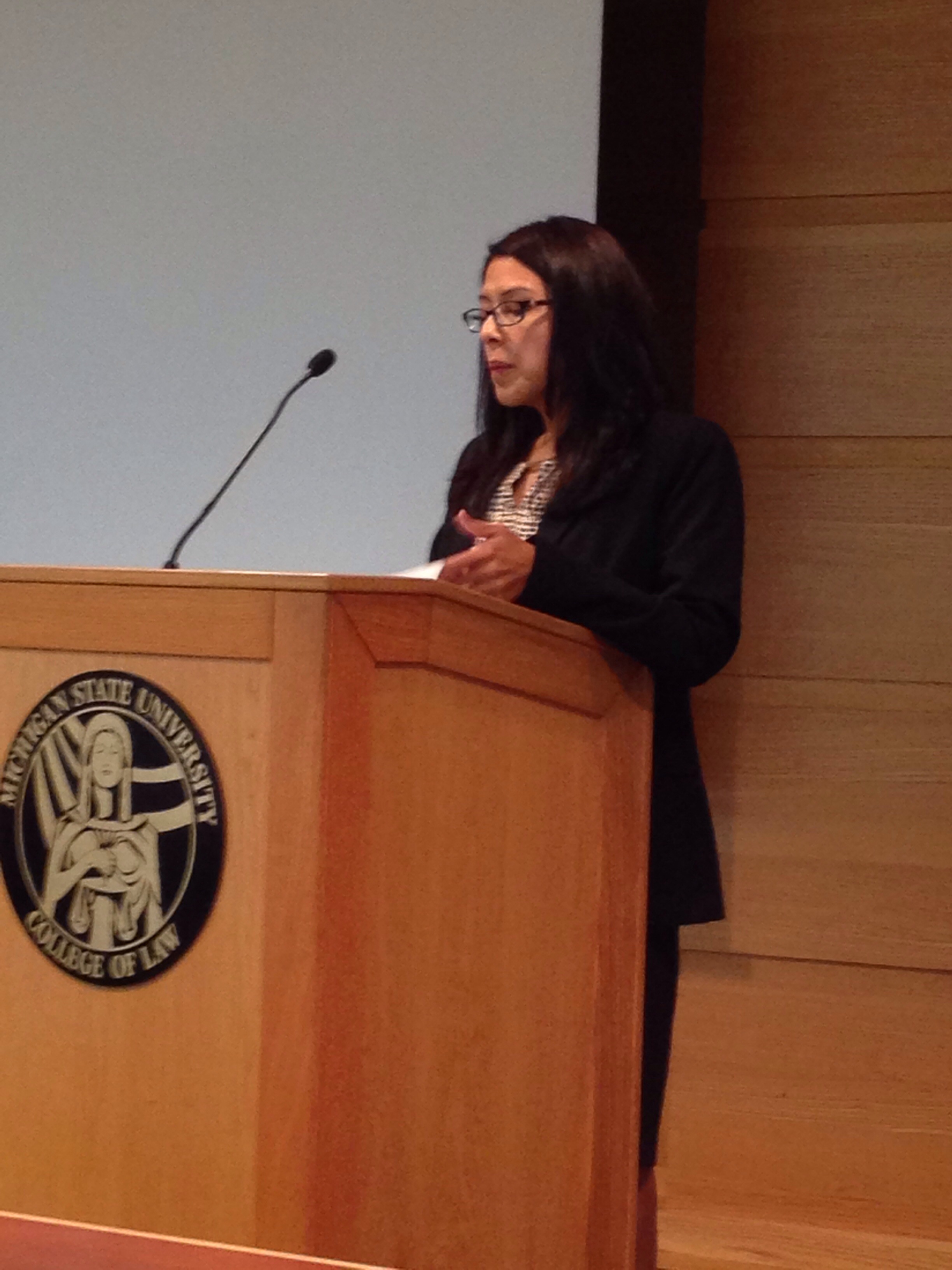
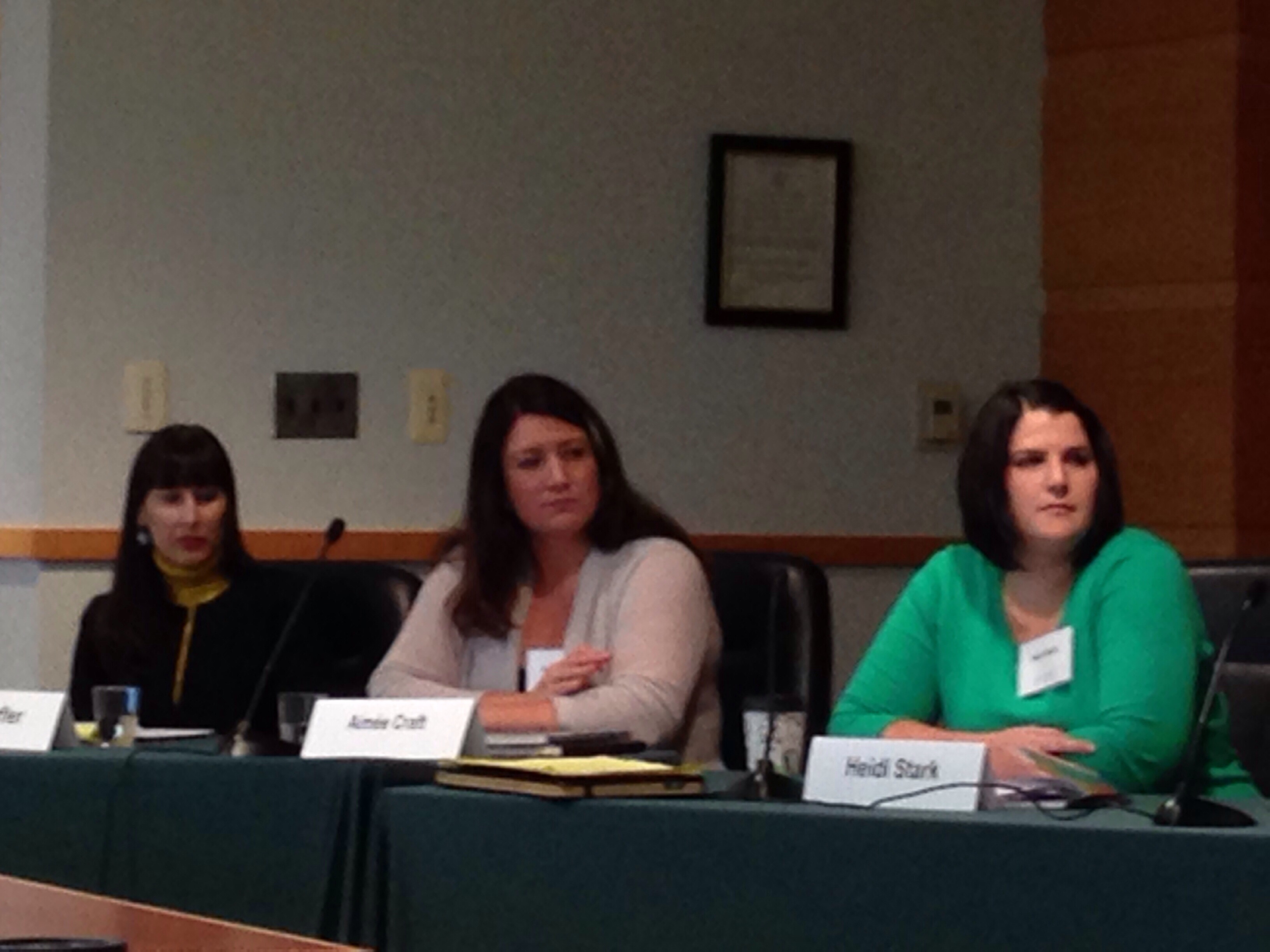
Jill Doerfler, Aimee Craft, and Heidi Stark
Scott Lyons, John Wabaunsee, and Mike Petoskey

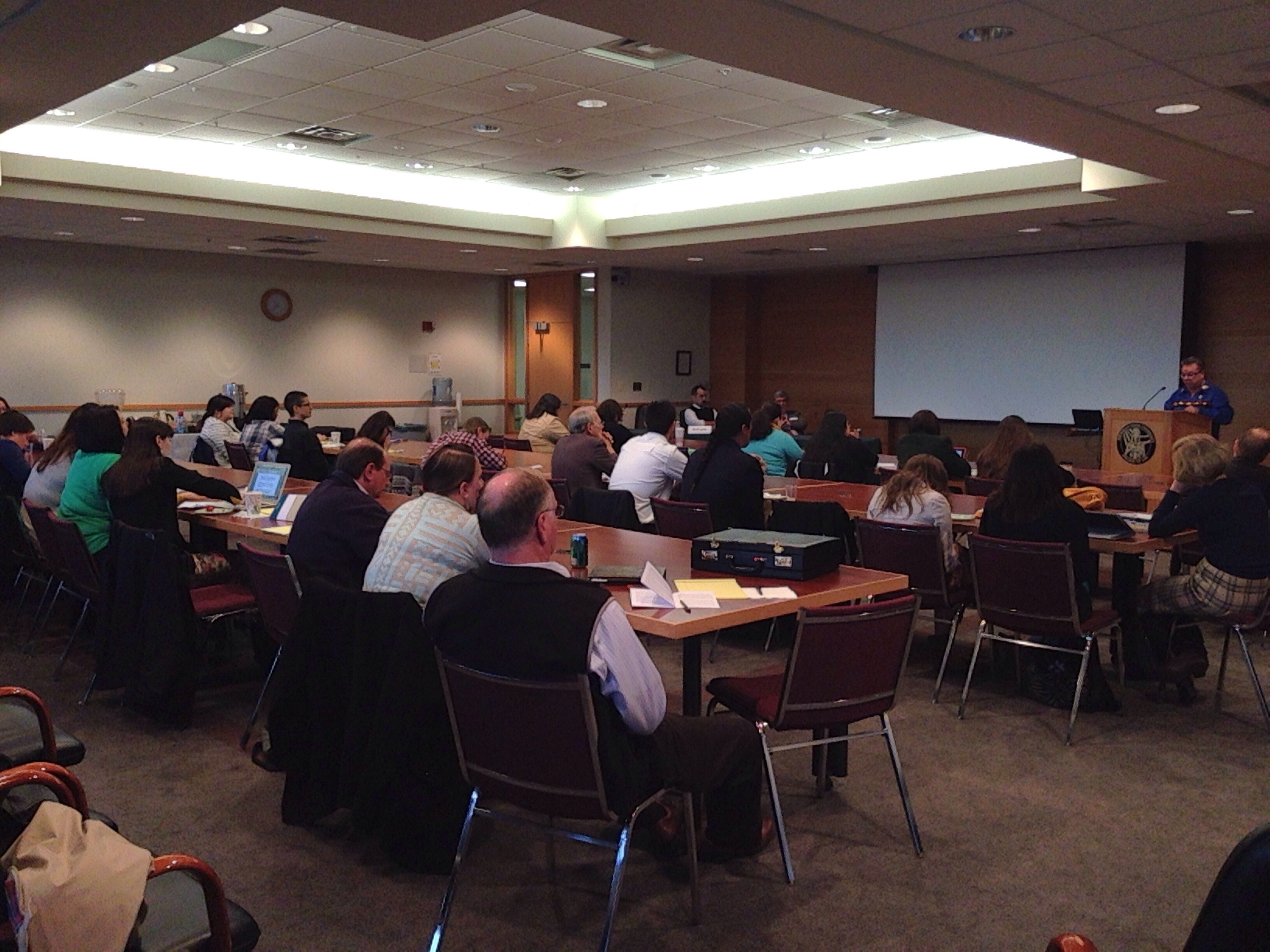
Crowd filling out
The sun rising over MSU’s campus

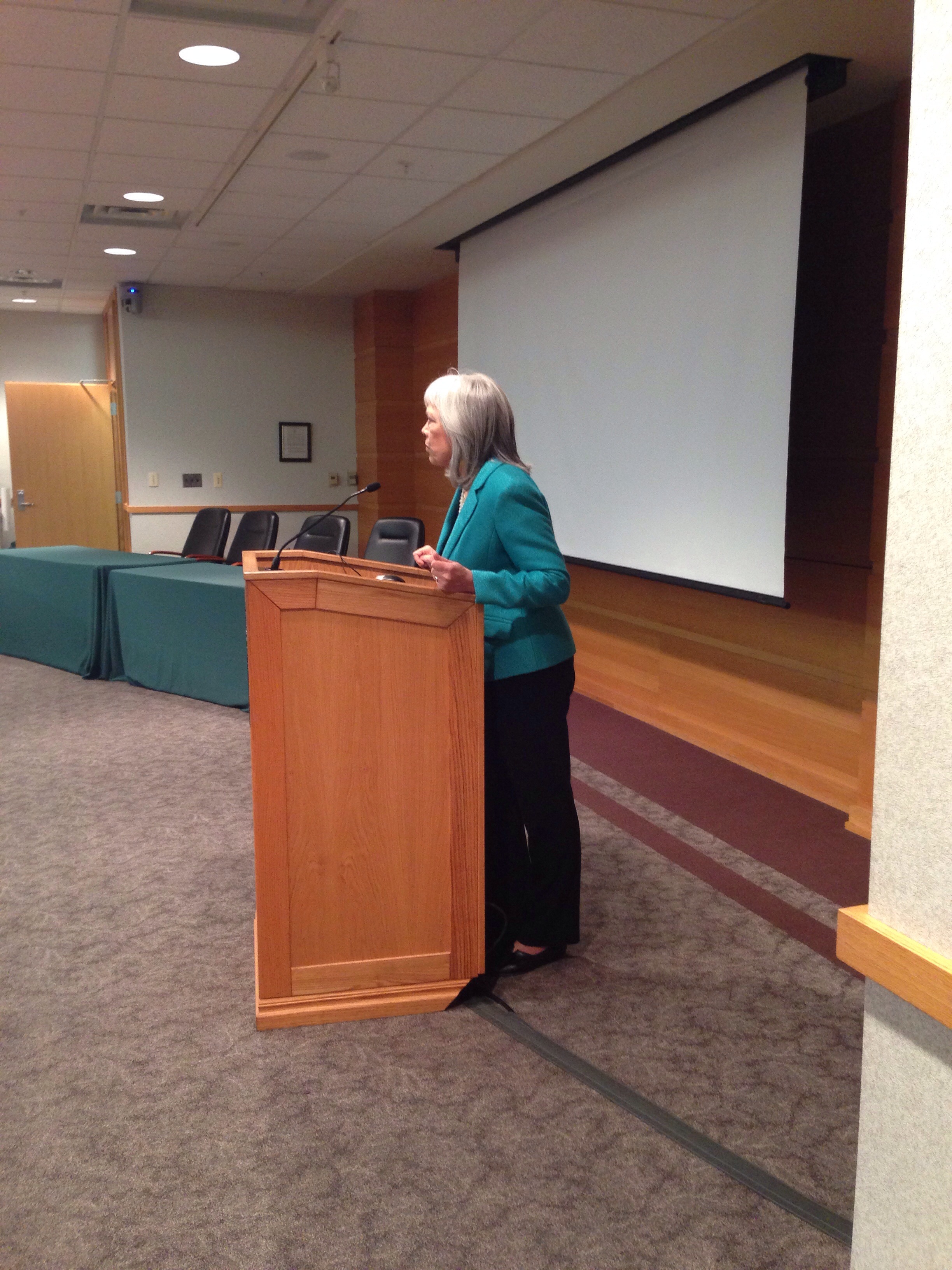
Dean Joan Howarth
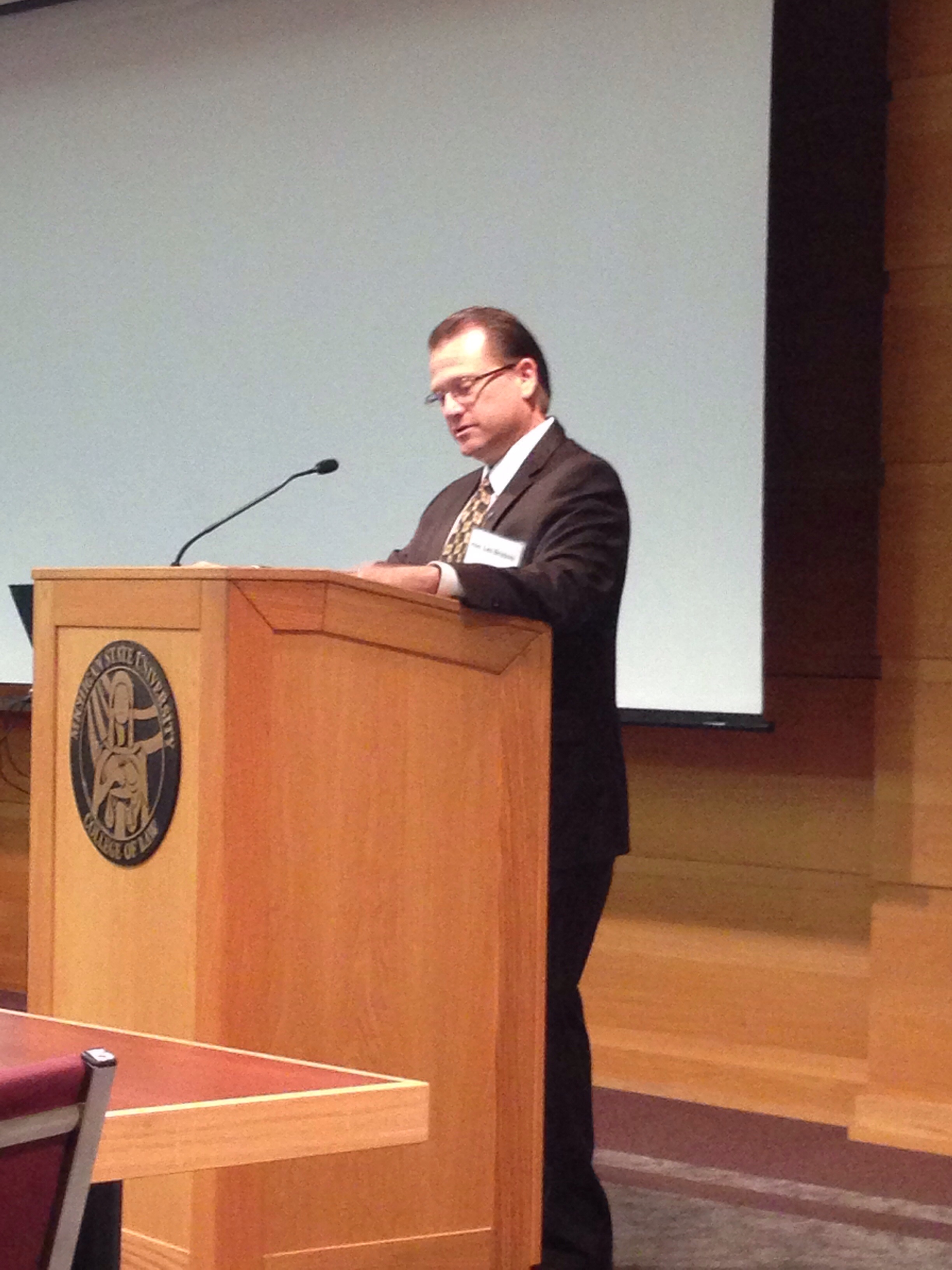
Keynote Speaker Judge Leo Brisbois
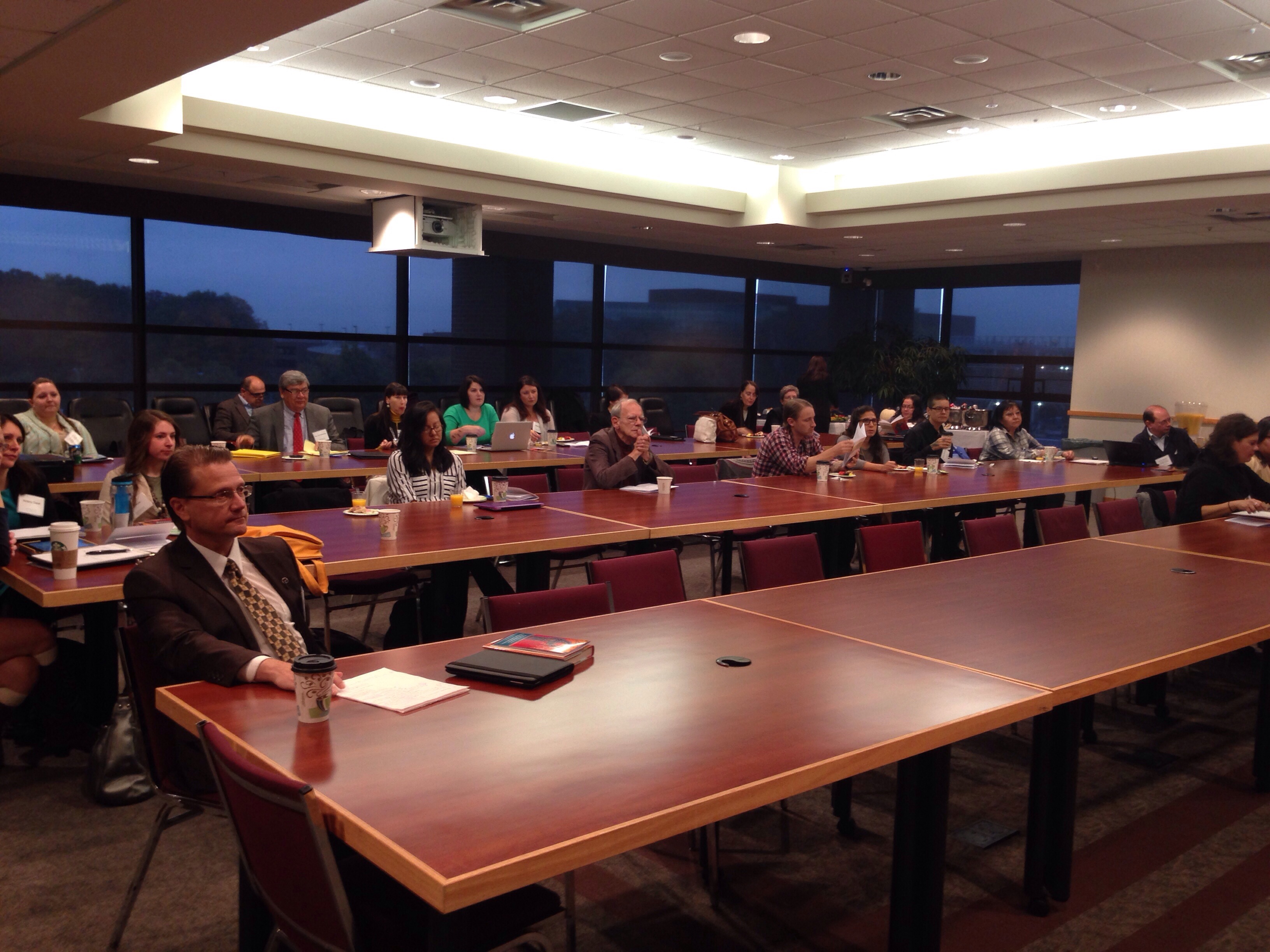
The audience
Ryan A. Malphurs, Jaime Bochantin, L. Hailey Drescher, and Melissa Wallace Framer have posted “Too Much Frivolity, Not Enough Femininity: A Study of Gender and Humor at the U.S. Supreme Court” on SSRN. Here is the humorous abstract:
The four authors in this study took on the exhilarating task of listening to 79 oral arguments in the Supreme Court’s 2011-2012 term. After two years spent recovering from oral argument overload, the authors have prepared a study that ingeniously tricks readers into reading a study on humor that is really about gender inequality at the Supreme Court and in the field of Law. Initially tallying instances of un-transcribed laughter, the authors — prompted by Hillary Clinton’s urging — began noticing gender and humor discrepancies between the justices and the advocates; what started as a simple humor tabulation devolved into important research. In the following study, the authors lull readers into complacency by offering data related to humor, but then shock their audience with serious data about gender inequality — ruining any fun that readers might have had. It’s true the authors show that the Supreme Court is far funnier than previously thought, and that Justice Scalia enjoys bullying Justice Breyer; however, potential readers should turn back now, because what follows is mind numbing boredom and “PC” discussions about gender veiled within a “humor” study.
The authors would like readers to know that the following study, if you haven’t been able to tell already, does not follow traditional scholarly conventions. “Why?” you may ask, because it would be boring and no one would read it, duh. The authors have endeavored to make this study both interesting in the data and entertaining to read — a truly ground-breaking feat in scholarly studies. Great risk comes with great rewards, and we’re just hoping someone other than ourselves will read this study.
Hat tips to How Appealing and Gender and the Law Blog.
Here, via How Appealing.
Gregory C. Sisk has posted “Twilight for the Strict Construction of Waivers of Federal Sovereign Immunity,” forthcoming in the North Carolina Law Review, on SSRN. An important read for tribal advocates.
Here is the abstract:
The Government of the United States has long benefited from two canons of statutory construction that tip the scales of justice heavily in its direction in civil litigation by those seeking redress of harm by that government: First, the federal government’s consent to suit must be expressed through unequivocal statutory text. Second, even when a statute explicitly waives federal sovereign immunity for a subject matter, the traditional rule has been that the terms of that statute “must be construed strictly in favor of the sovereign.” The restrictive effect of these rules has made a distinct difference in cases that truly matter to the lives and well-being of ordinary people.
Since the dawn of the new century, however, the Supreme Court’s increasingly common encounters with waivers of federal sovereign immunity are also becoming more conventional in interpretive attitude. During the first eleven years of the twenty-first century, the Court turned a deaf ear to the government’s plea for special solicitude in the substantial majority of instances and frequently declared that the canon of strict construction was unhelpful or ill-suited. In four sovereign immunity cases decided in the 2012 Term, the Court continued to evidence a commitment to text, context, and legislative history, unblemished by any presumption of narrow construction. Notably during oral arguments in this most recent term, multiple members of the Court openly challenged the government’s reach for broader immunity.
In these recent decisions, the Court increasingly accepts a dichotomy between the threshold question of whether sovereign immunity has been waived (requiring a “clear statement” by Congress) and the inquiry into how the statutory waiver should be interpreted in application (with the canon of strict construction fading away as a viable tool for statutory interpretation).


You must be logged in to post a comment.