Here:
cultural resources
Center for American Progress Report on American Indian Mascots
Here is “Missing the Point: The Real Impact of Native Mascots and Team Names on American Indian and Alaska Native Youth:” StegmanAIANmascots-reportv2
An excerpt:
Although the debate over the Washington football team may rage on until either the NFL or the team’s owner, Dan Snyder, finally does the right thing and changes the name, there are many things that can be done right now to support AI/AN students in schools that perpetuate harmful stereotypes. Instead of debating merchandise economics and fan sentimentality, it is time to get to the point in this debate and to stop the harm that racist mascots and team names do to AI/AN youth.
Report to U.N. Committee on the Elimination of Racial Discrimination Re: American Indigenous Prisoners’ Religious Rights
Federal Judge will no Longer Use Washington Football Team’s Nickname
Oral Argument Scheduled in Yount v. Jewell — Challenge to Secretarial Withdrawal of Lands Around Grand Canyon on Establishment Grounds
Here is the order in Yount v. Jewell (D. Ariz.):
TransCanada’s South Dakota Public Utilities Commission Permit to Build KeystoneXL Expires
Complaint Challenging New 30-Year Eagle Permit Rule
Here is the complaint in Shearwater v. Ashe (N.D. Cal.).
Plaintiffs are challenging a final nationwide regulation promulgated by the U.S. Fish and Wildlife Service (“FWS” or “Service”) and the U.S. Department of the Interior (“DOI”) on December 9, 2013 that “extend[ed] the maximum term for programmatic permits” to kill or otherwise “take” bald and golden eagles from five years to thirty years. 78 Fed. Reg. 73704. This major rule change – the “thirty-year eagle take rule” – applies to industrial activities of all Case5:14-cv-02830 Document1 Filed06/19/14 Page1 of 23 kinds that incidentally take federally protected eagles in the course of otherwise lawful activities
but, as acknowledged by the Service, was promulgated specifically to respond to the wind power industry’s desire to facilitate the expansion of wind energy projects in areas occupied by eagles. Id. at 73709. However, the rule was adopted in flagrant violation of the National Environmental Policy Act, 42 U.S.C. §§ 4321-4370f (“NEPA”) because the Service did not prepare any document analyzing the environmental impacts of the rule change, as required by NEPA and its implementing regulations. In addition, the rule change violates the Bald and Golden Eagle Protection Act, 16 U.S.C. §§ 668-668d (“BGEPA”), and the Administrative Procedure Act, 5 U.S.C. § 706(2), because the rule subverts the basic eagle protection purposes of BGEPA and eliminates crucial procedural and other safeguards for eagle populations without any adequate explanation. Accordingly, the regulation should be vacated and remanded to Defendants for compliance with federal law.
538 on Impact of Washington Football Team Trademark Decision on National Electoral Politics
In short, virtually none.
Here.
Trademark Trial and Appeal Board Cancels Trademarks for Washington Football Team — Updated
Here is the news coverage.
Link to the decision here.
from the PTO website:
Official USPTO statement regarding Blackhorse v. Pro Football, Inc. decision
Summary and Pictures from Finland, Sacred Sites Conference
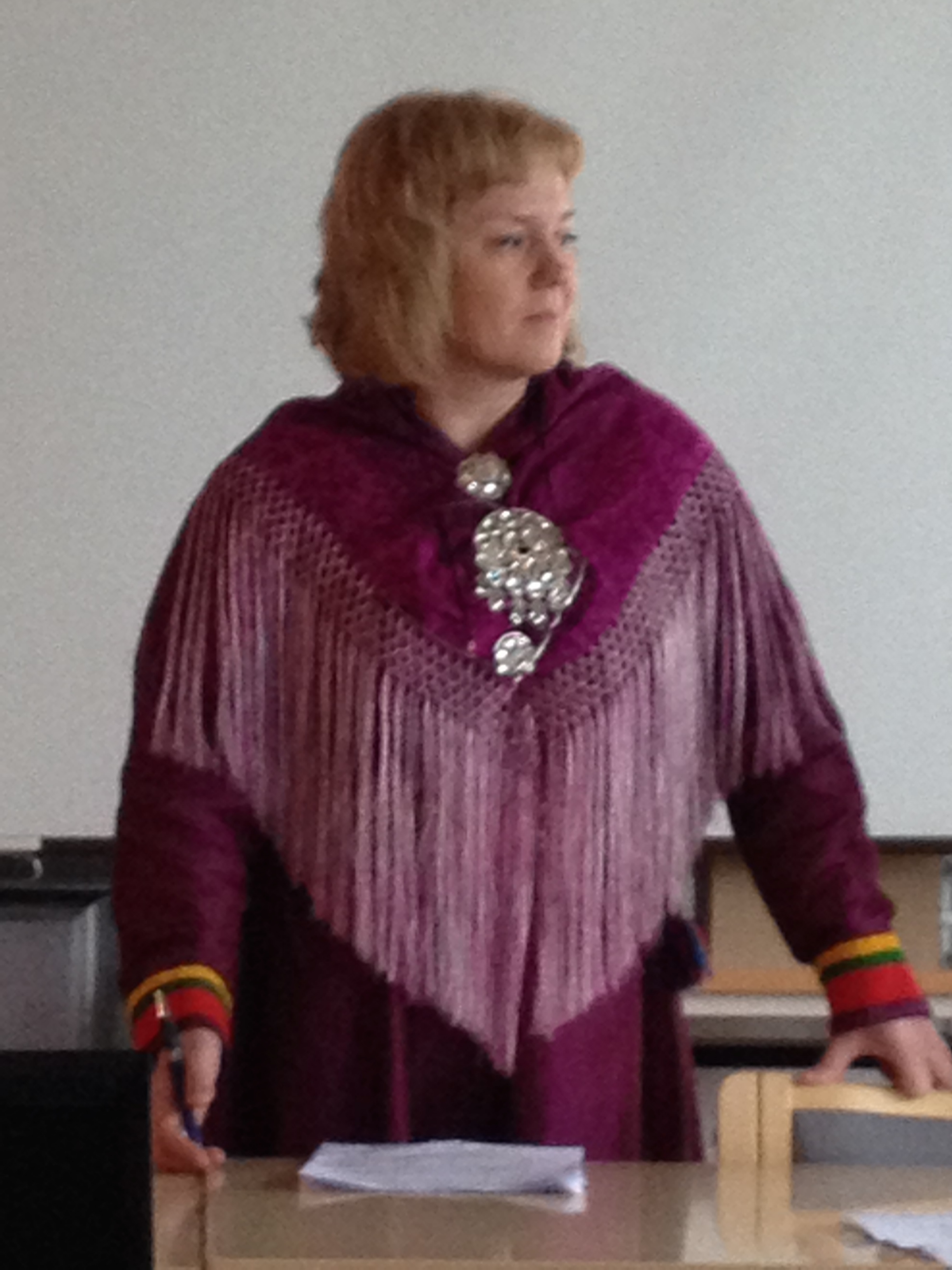
I was lucky to be invited to give a keynote presentation at an International Conference titled “Experiencing and Protecting Arctic Sacred Sites and Culturally Important Landscapes – Creating Partnerships with Mutual Respect”. The 3 day event was held at The Saijos Cultural Centre; the Siida Museum, and Saami Educational Institute, Inari, Lapland, Finland. The purpose of the workshop was to launch the multidisciplinary participatory educational research project “Indigenous Peoples’ Sacred and Cultural Sites – Building Partnerships for Safeguarding and Transmitting Unique Arctic Heritage for Future Generations (ISACUS)”.
The participants included elders, scholars, knowledge holders, poets, drum makers, story tellers, politicians, healers, and traditional singers from Saami Land, North America, Siberian tribes, Russian association of Indigenous Peoples, Komi Republic, Canada, Vienna, Germany, and Finland. Issues were addressed during the conference regarding the proposed diamond mine in Utsjoki (near an important Saami sacred site); a proposed mine near Jokkmokk, Sweden, which threatens traditional reindeer grazing grounds; vandalism and desecration at sacred sites in Finland, Canada, North America and Siberia; International Law; and also the revival of Indigenous culture and traditions around the world.
Look for publications as well as more collaborative projects in the future from this group as it works to both raise awareness and encourage collaboration to protect sacred sites in this region. Thanks to the organizers from Arctic Centre, University of Lapland; Arctic Law Thematic Network; Université de Montréal; Sámi Education Institute; Sámi Museum of Finland for this great event.
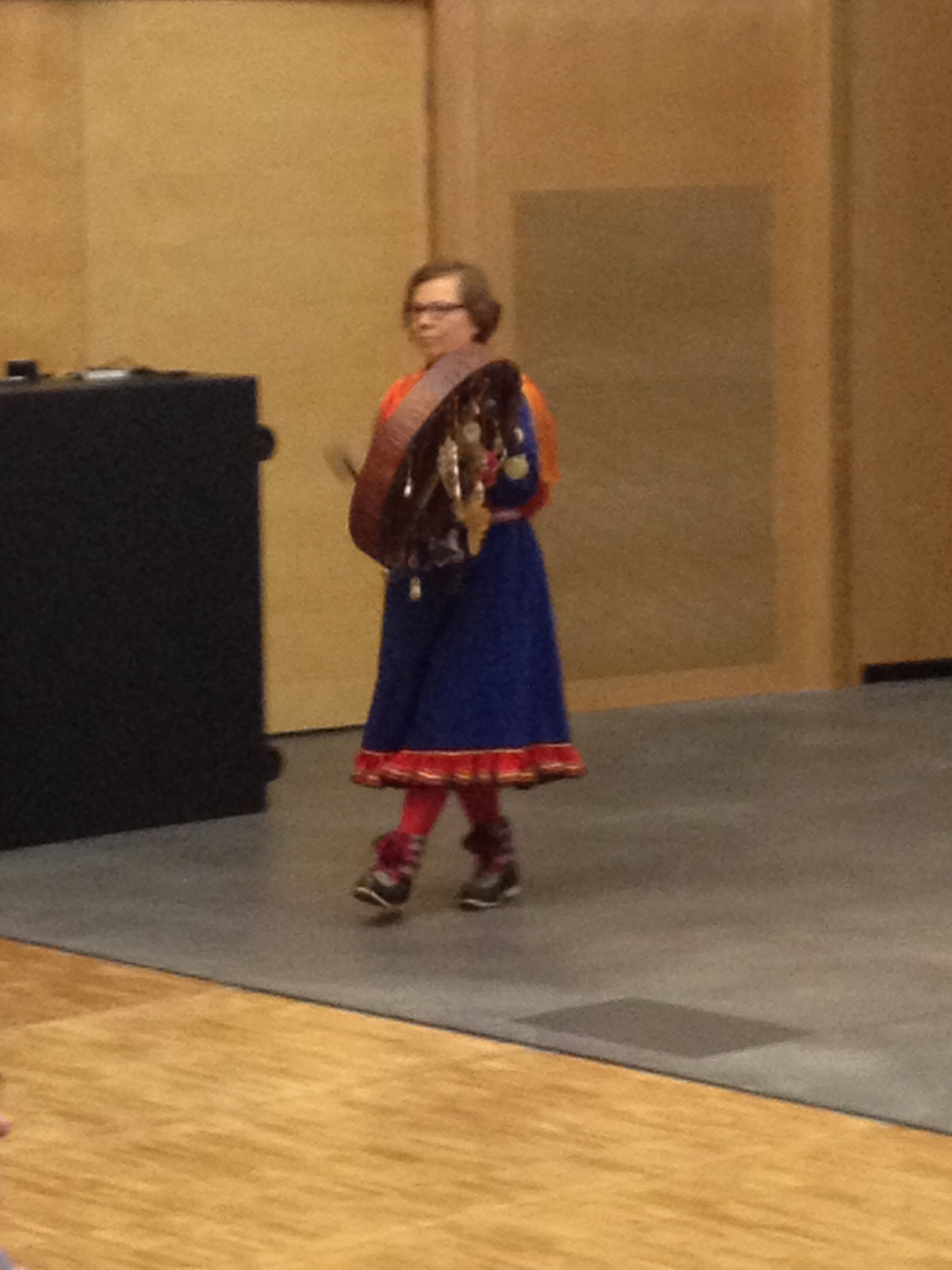
Traditional Saami drum maker playing for us in the opening session.
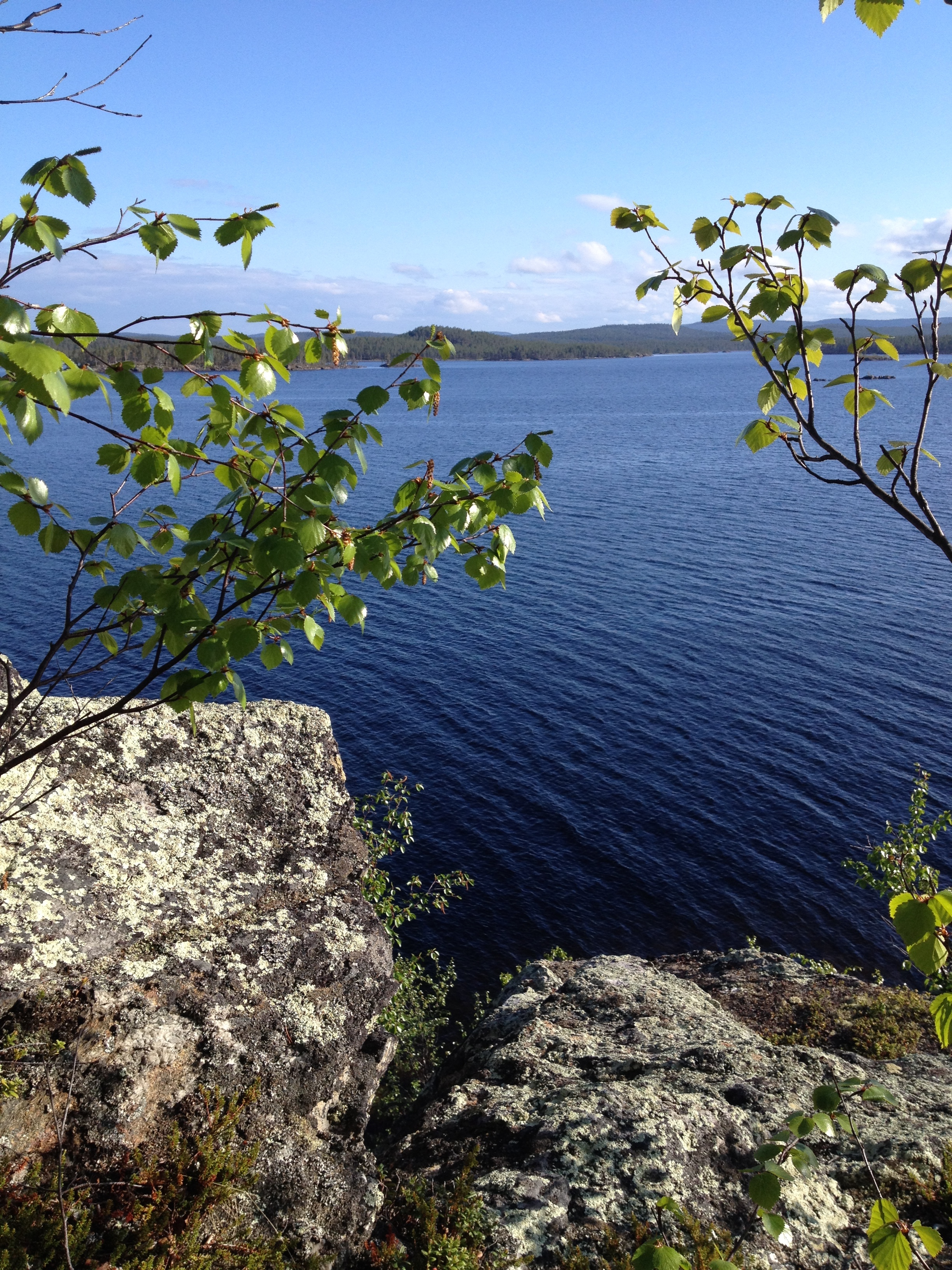
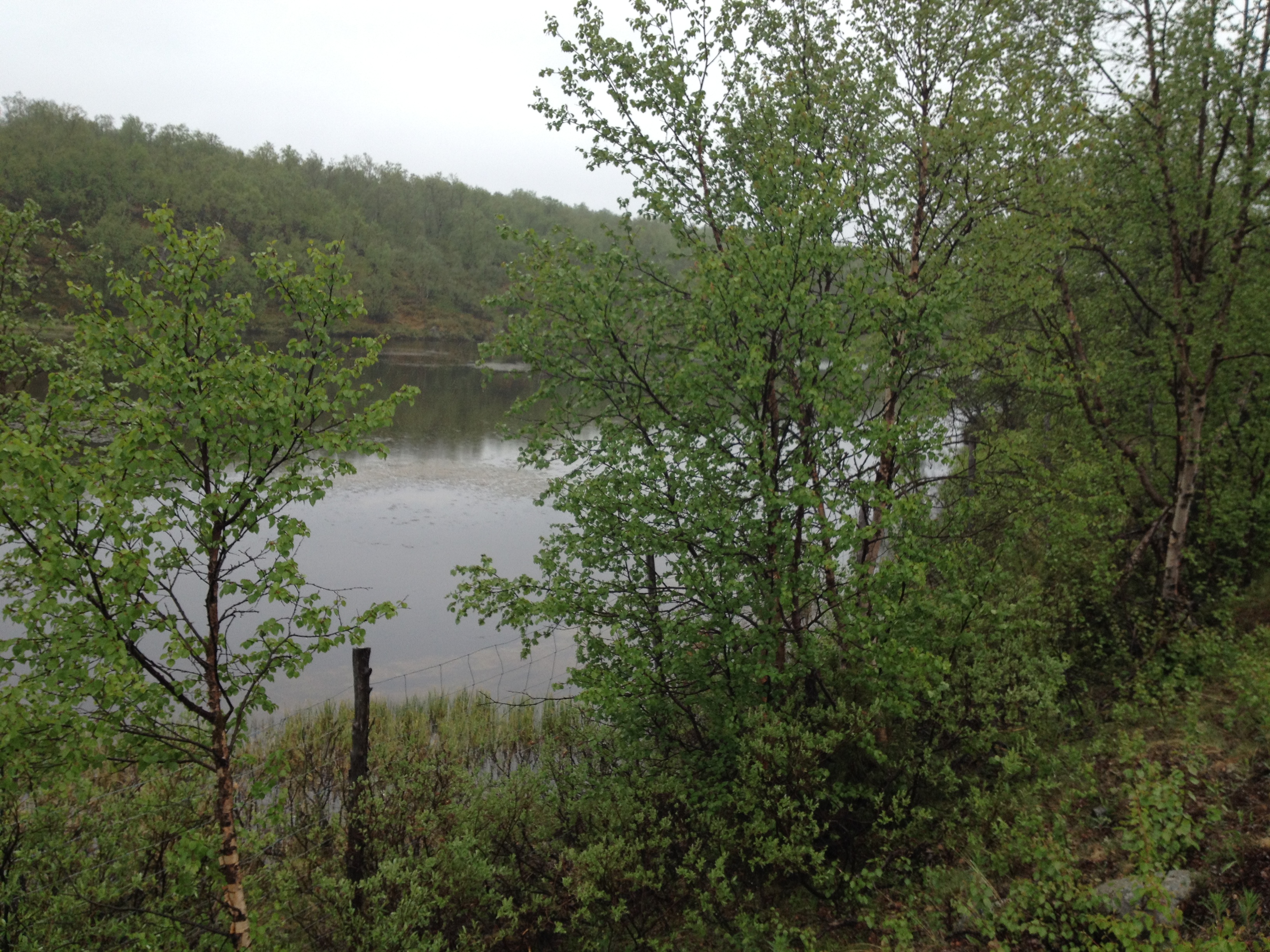
View from one of the sacred islands.
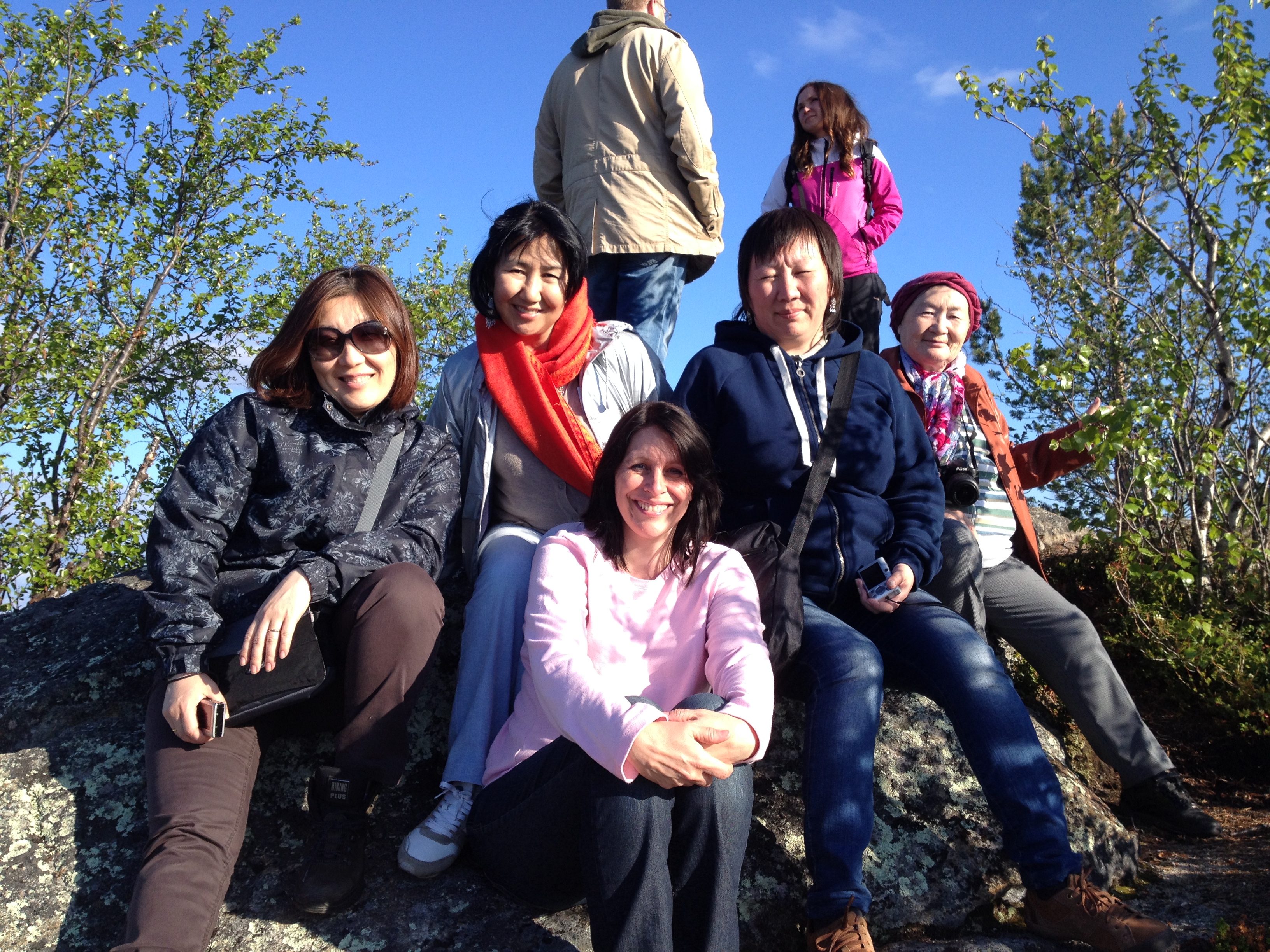
With some of my new friends from Russia.
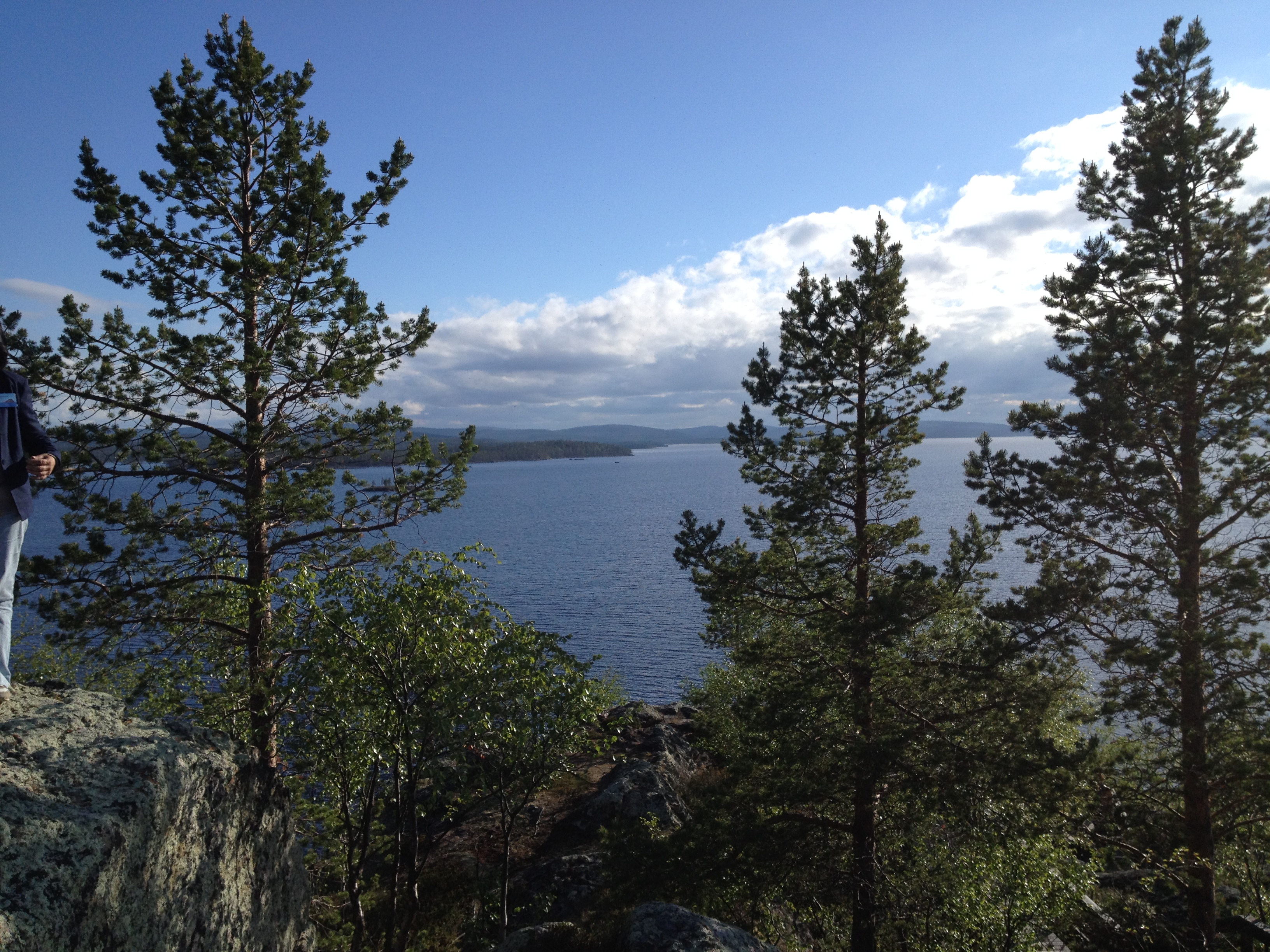
More beautiful views.
Demonstrating a traditional yoik (joik).
A sacred spring that is said to never freeze even in the coldest winter temperatures. Sweetest water I have ever tasted.
Young Finnish Saami posing in front of protest art, trying to raise awareness of the fight against mining developments within Saami territory that threaten sacred sites and traditional livelihoods.

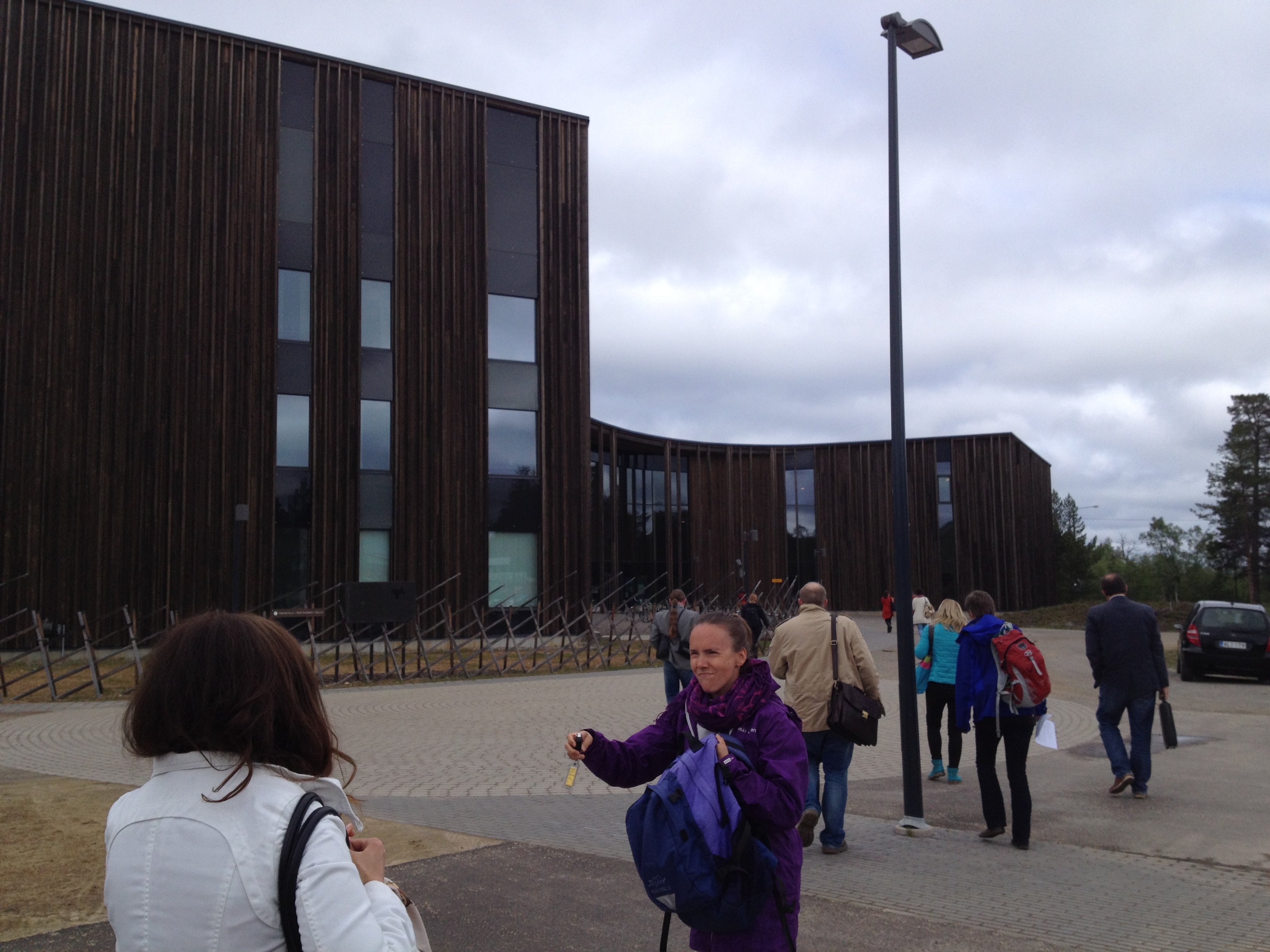
Outside of the Saami parliament building where keynote presentations were given on the first day.
 Turtle Talk
You must be logged in to post a comment.