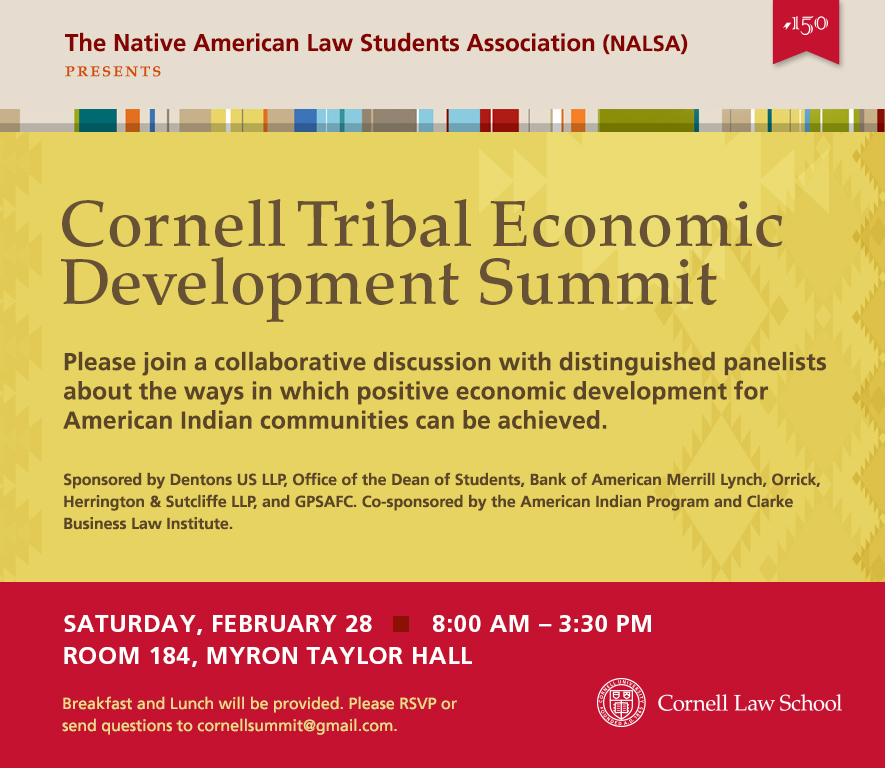
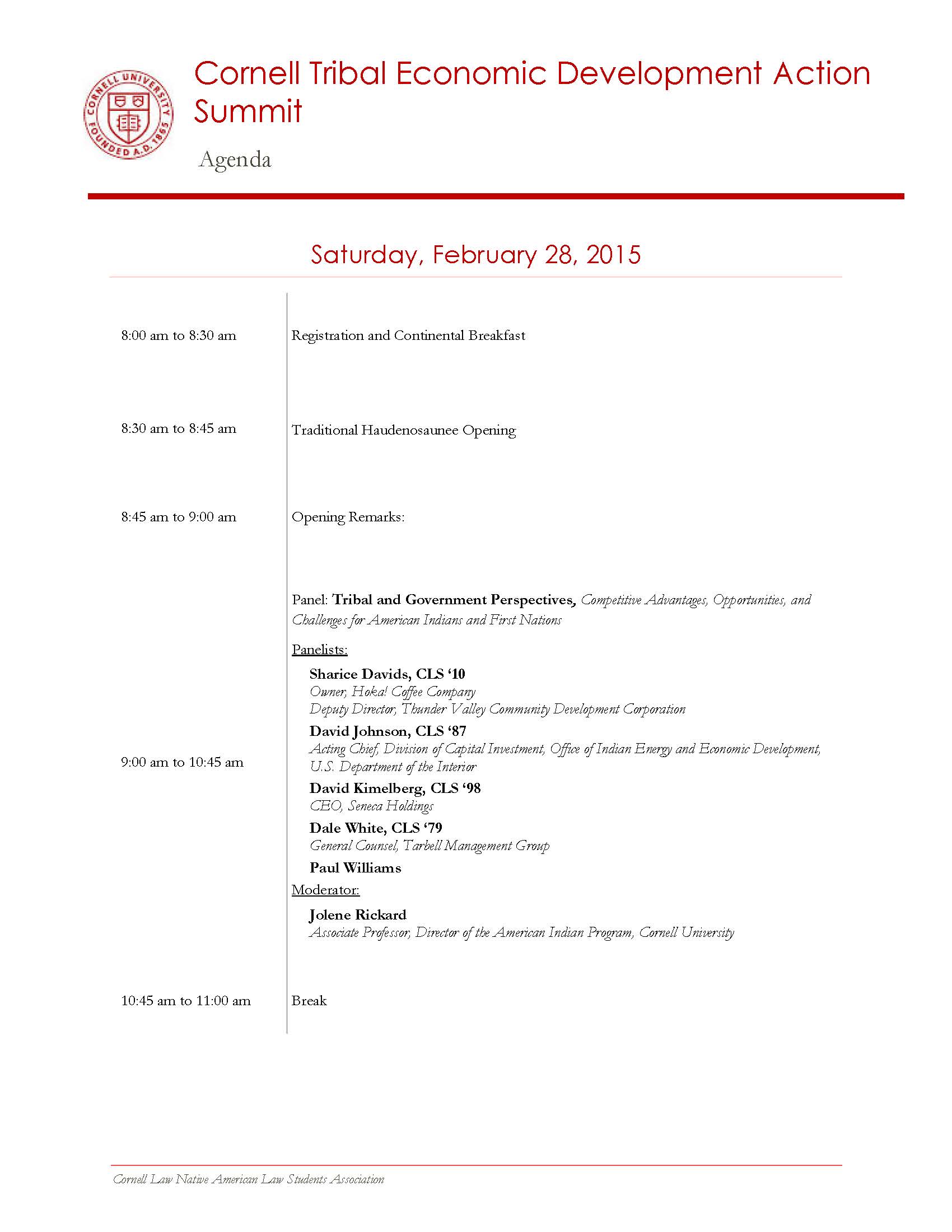
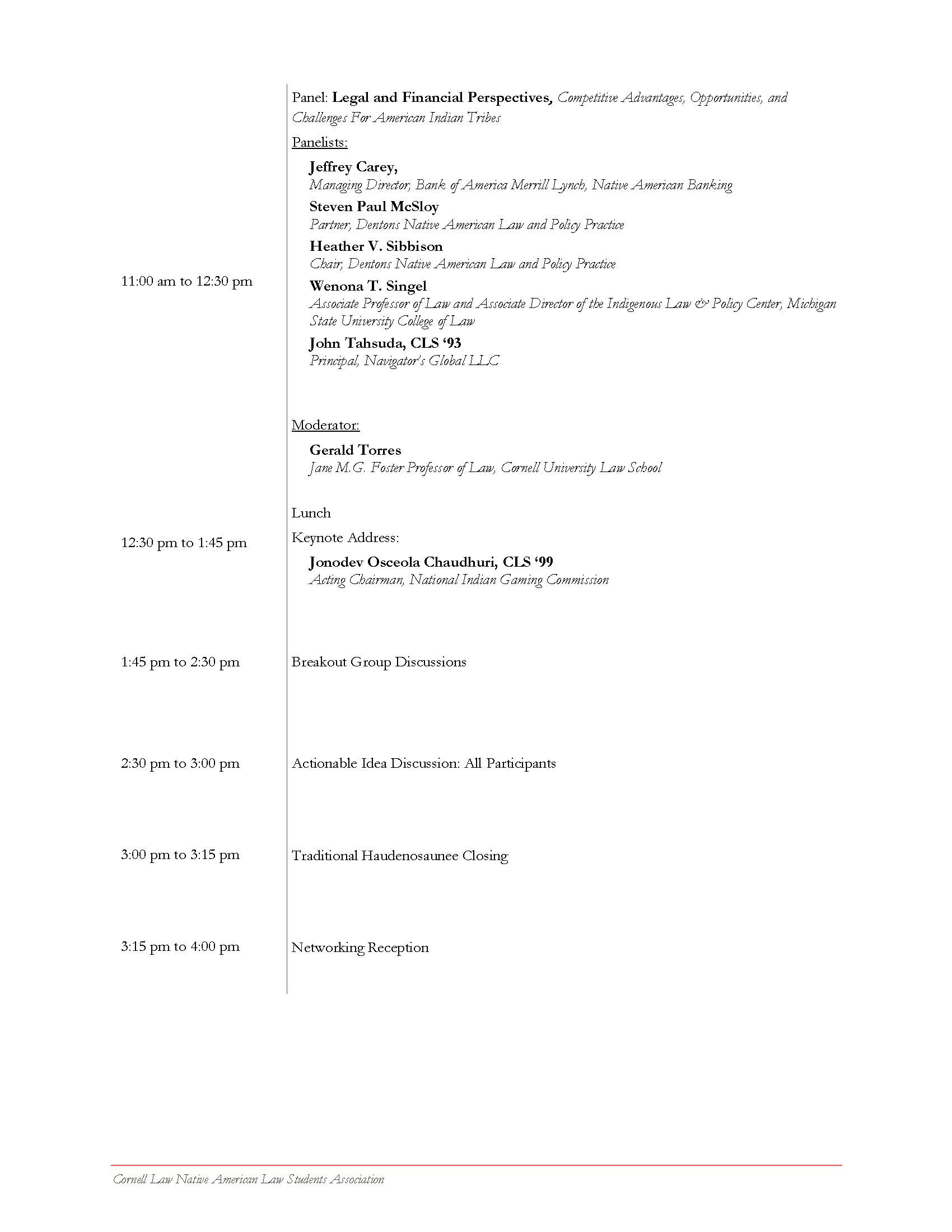
Agenda here.
ASU’s Tribal Government e-Commerce Meeting Today
Agenda here.
Agenda here.
Here are the materials in Great Plains Lending LLC v. Connecticut Dept. of Banking (Conn. Super.):
News coverage here: “Oklahoma tribe appeals $1.5 million in payday lending fines.”
Here are the materials in Rassi v. Federal Program Intergrators LLC (D. Me.):
An excerpt:
I conclude that the sovereign immunity of the Penobscot Indian Nation does extend to FPI, but that FPI waived its immunity by adopting the “sue and be sued clause” in § 12.07 of its Operating Agreement, as required by 13 C.F.R. § 124.109(c)(1) in order for FPI to participate I the § 8(a) program. Nevertheless, I conclude that the tribal exhaustion doctrine applies to this case. The case is ORDERED STAYED with regard to FPI pending a determination by the tribal court as to its jurisdiction, and if necessary, an adjudication of the case on its merits. After the tribal court has ruled on the issue of its jurisdiction, and, if necessary, adjudicated the case on the merits, either party may return to this court and request that the stay be lifted. It is further ORDERED that all claims against PINE are DISMISSED, without prejudice.
Here is the opinion in Sue/Perior Concrete and Paving v. Lewiston Golf Course Corp.
An excerpt:
Defendant Lewiston Golf Course Corporation (Lewiston Golf) is an indirect, wholly owned subsidiary of the Seneca Nation of Indians, a federally recognized Indian tribe. We are asked to decide whether that corporation is protected from suit by the Seneca Nation’s sovereign immunity. Applying the factors set out in Matter of Ransom v St. Regis Mohawk Educ. & Community Fund (86 NY2d 553 [1995]), we hold that it is not.
Briefs and other materials here:
A102214-196-Oral-Argument-Transcript
ASuePeriorConcretevLewiston-amic-SenecaNation-amicbrf
ASuePeriorvLewiston-app-Lewiston-brf
ASuePeriorvLewiston-app-Lewiston-Rec
ASuePeriorvLewiston-app-Lewiston-replybrf
ASuePeriorvLewiston-res-SuePerior-brf
ASuePeriorvLewiston-res-SuePerior-BrfRspAmic
Lower court materials here. My commentary on the appellate division’s reasoning applies here as well.
Ryan D. Dreveskracht has posted his new paper, “Forfeiting Federalism: The Faustian Pact with Big Tobacco,” (PDF) just published in the Richmond Journal of Law and Public Interest.
Here is the abstract:
This article discusses the effects of the largest legal settlement in United States history: the so-called Master Settlement Agreement, or “MSA.” Part I discusses the settlement generally, and its intended effect on the U.S. tobacco market. Parts II through IV discuss the unintended consequences of the settlement. Specifically, Part II considers how states got into their current disarray, and how a perceived state windfall of billions of dollars ended up putting states on what by all accounts now appears to be very real risk of insolvency. Part III examines how the major tobacco companies are using the states’ dire financial condition to stifle tribal sovereignty and Indian industry. Part IV analyzes the federal government’s role in similar oppressive tactics. The concluding section suggests lessons that might be learned from the MSA.
Here are selected materials so far in Donelson v. United States (N.D. Okla.):
162 Donelson Response to B&G Motion to Dismiss
163 Donelson Response to Devon Motion to Dismiss
166 Donelson Response to US Motion to Dismiss
Update (2/28/17):
 Turtle Talk
You must be logged in to post a comment.