Here (PDF):
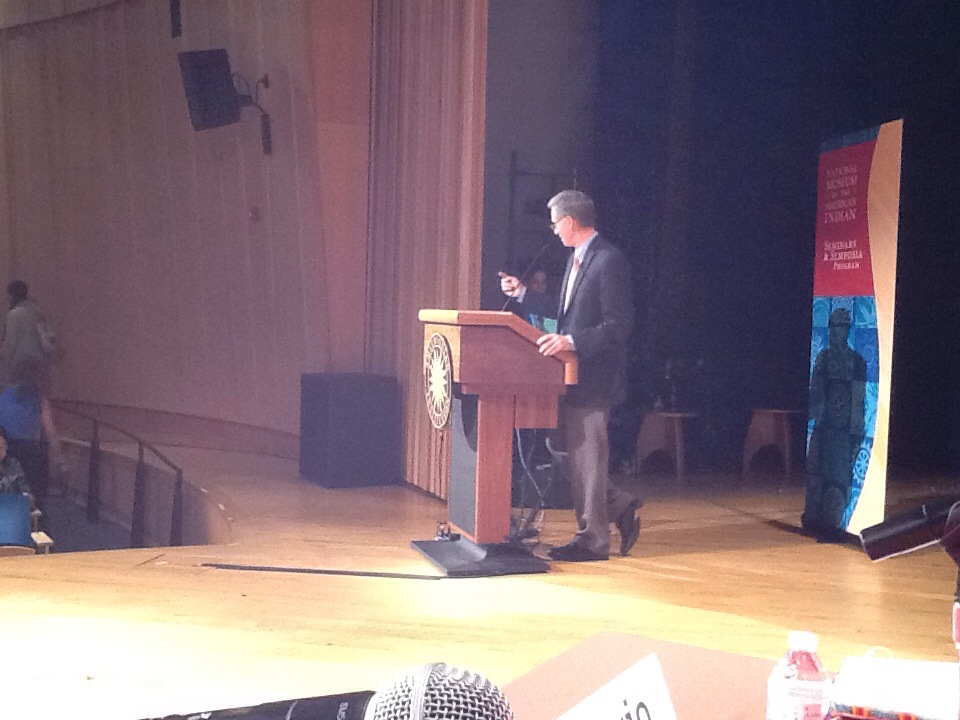
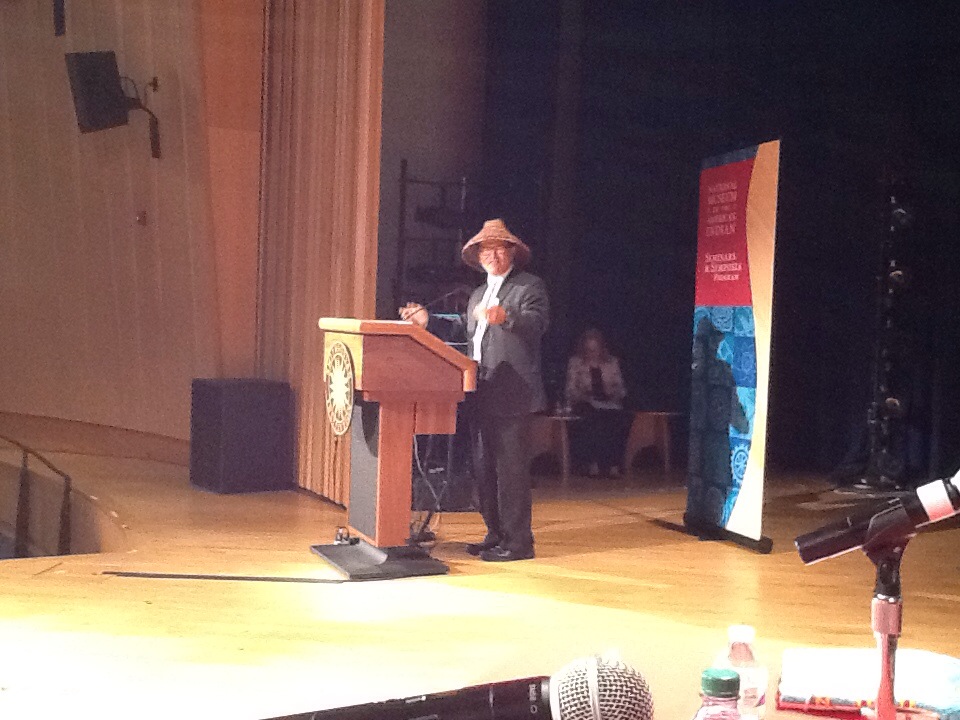
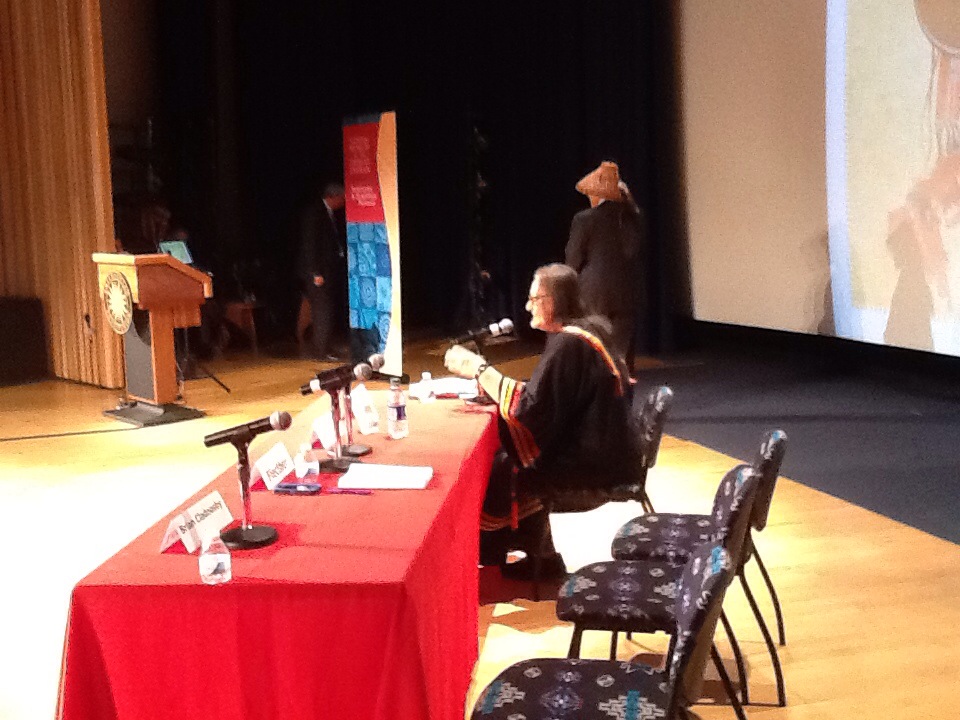
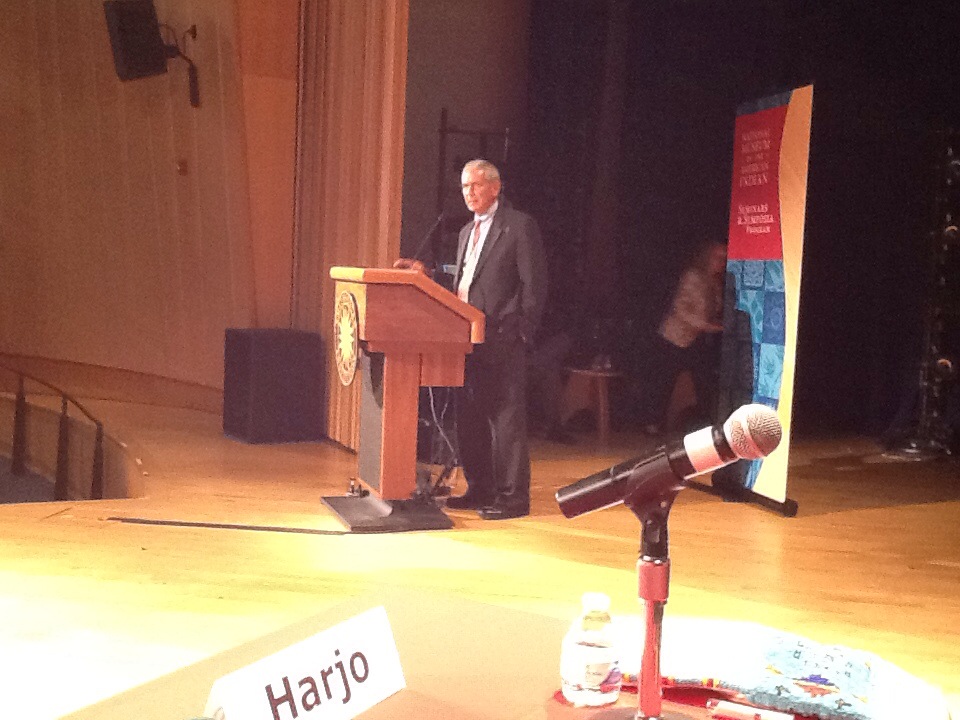
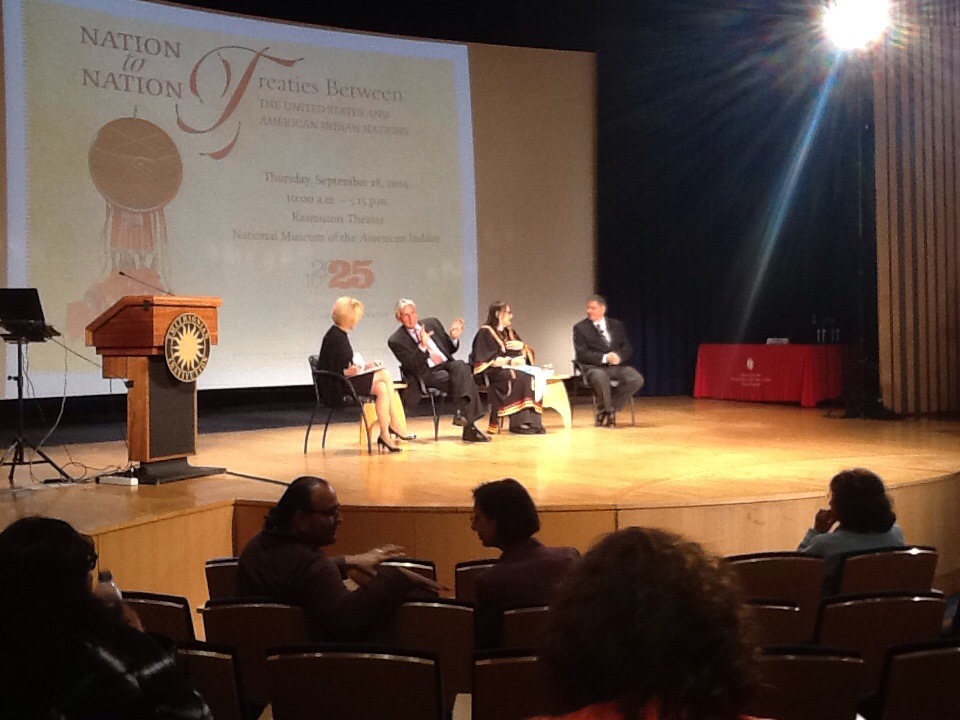
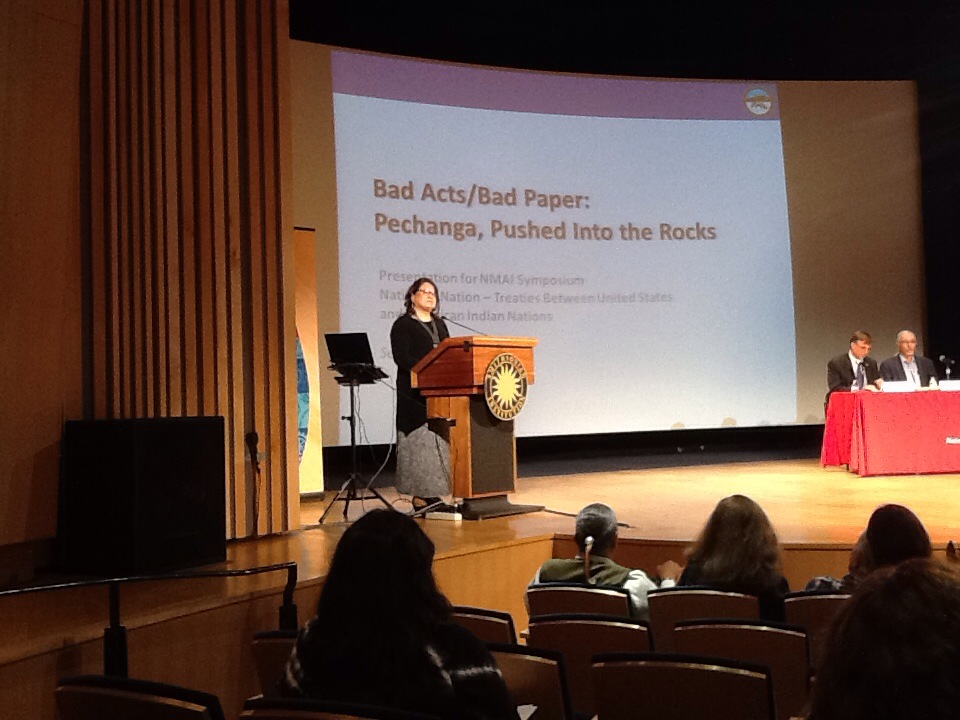
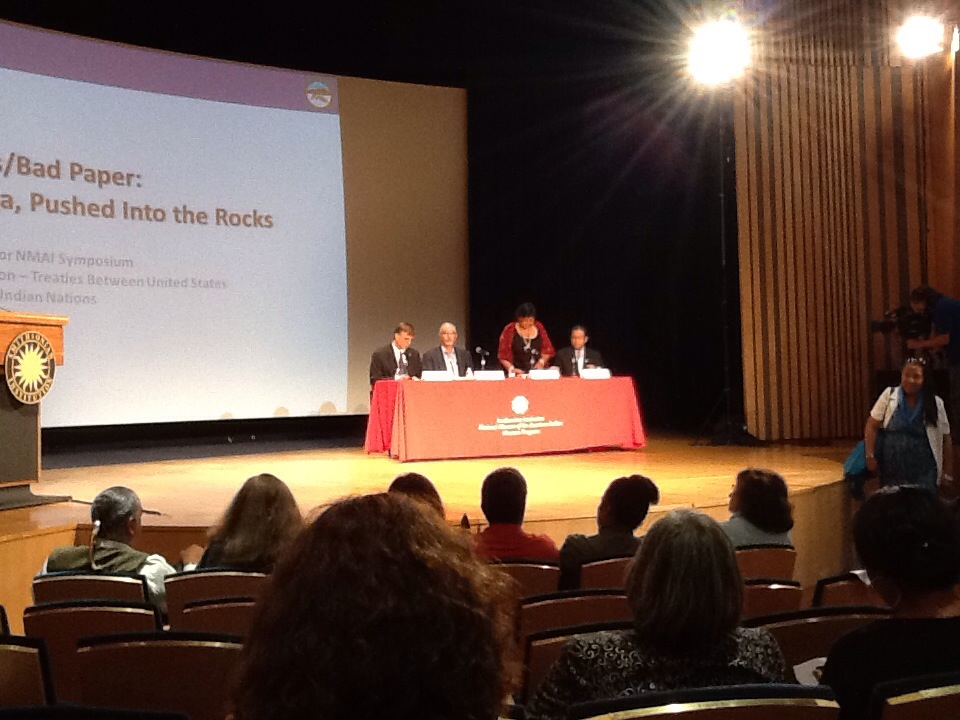
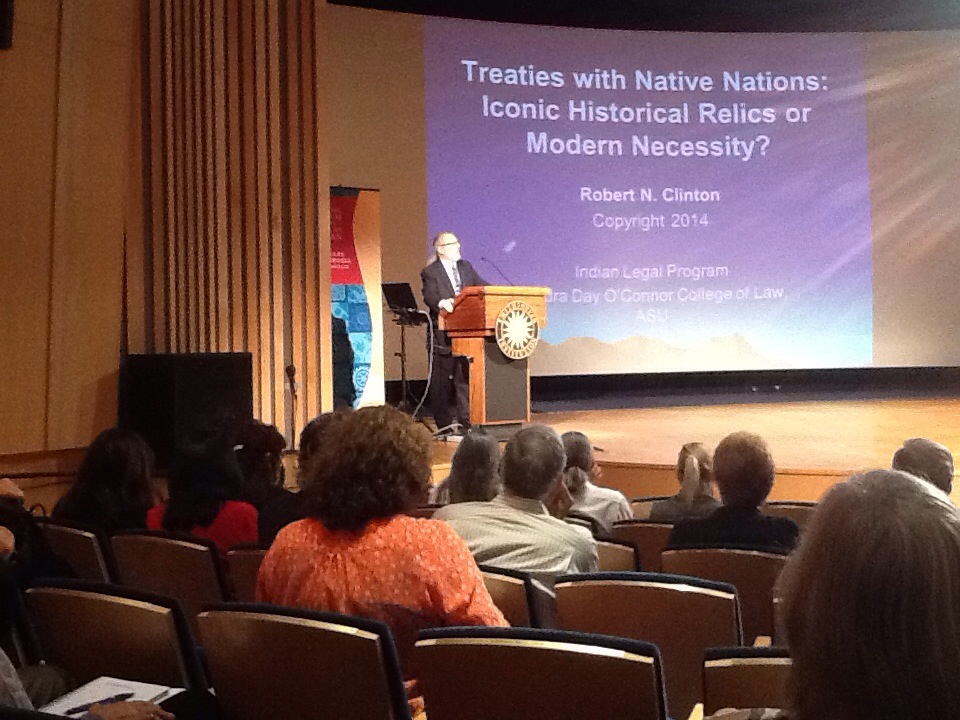
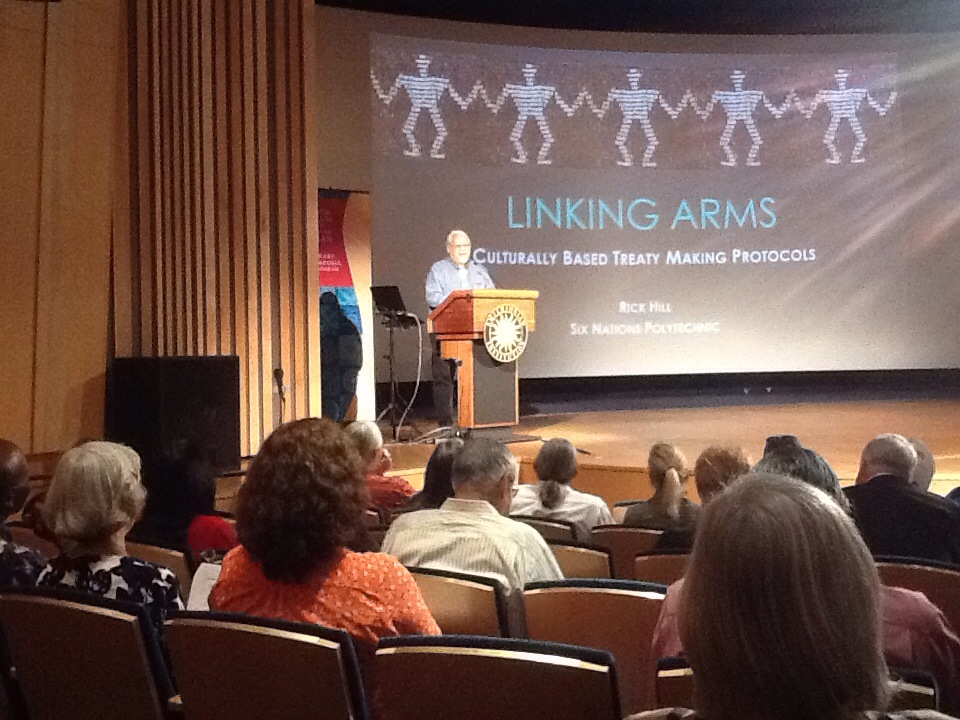
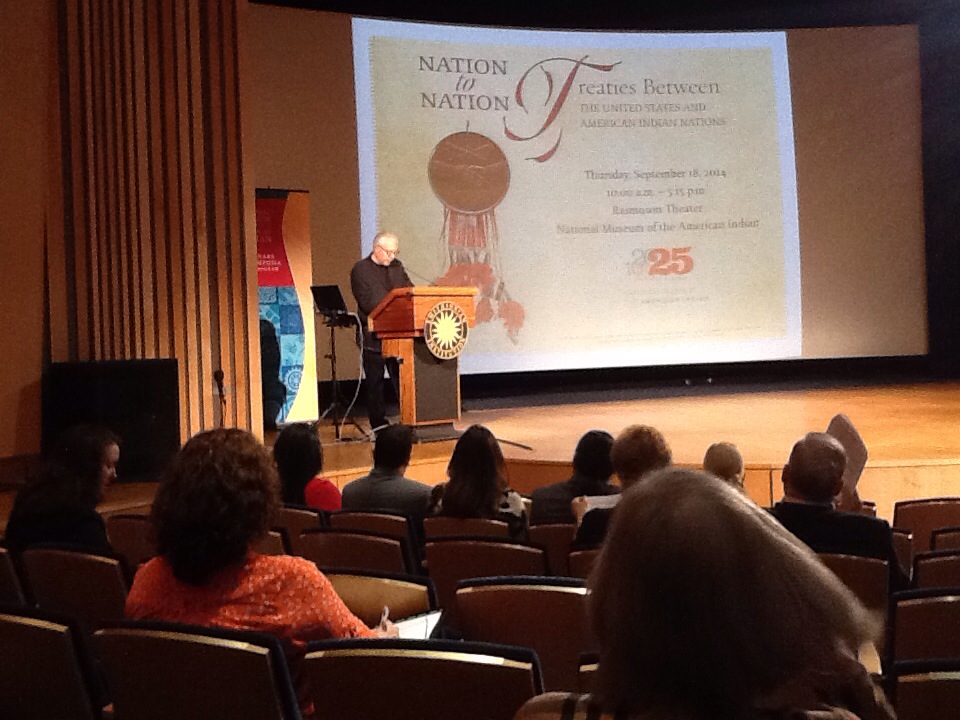
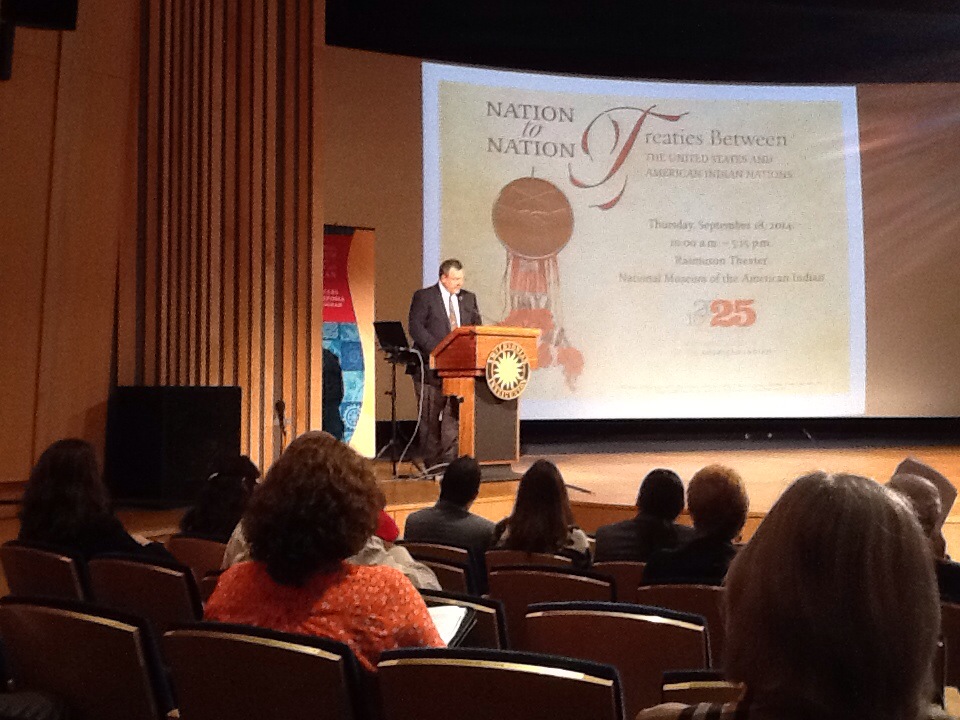
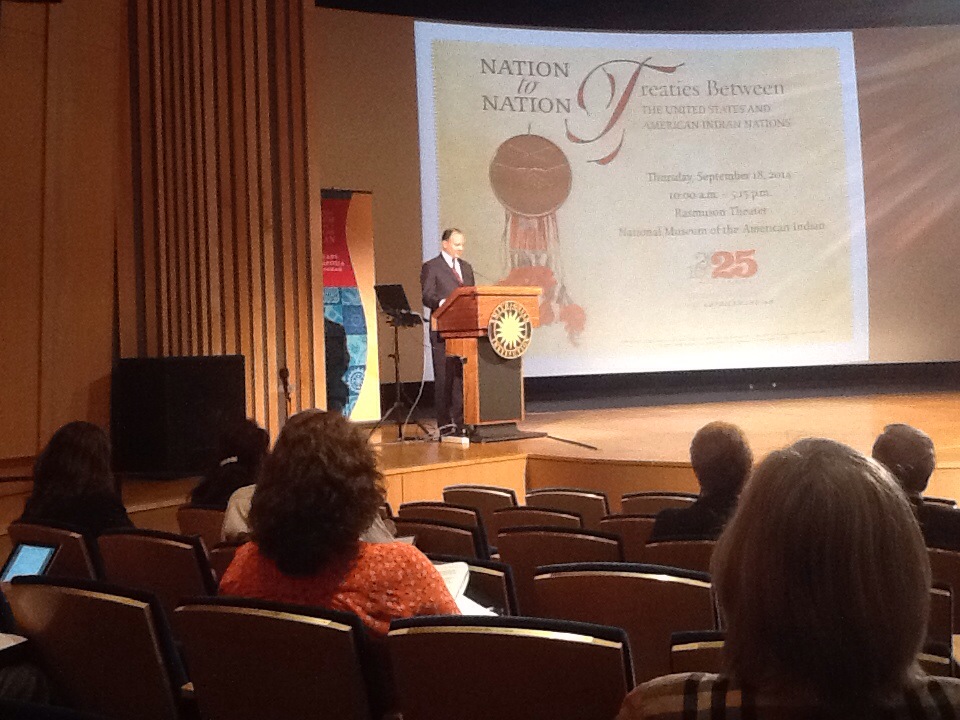
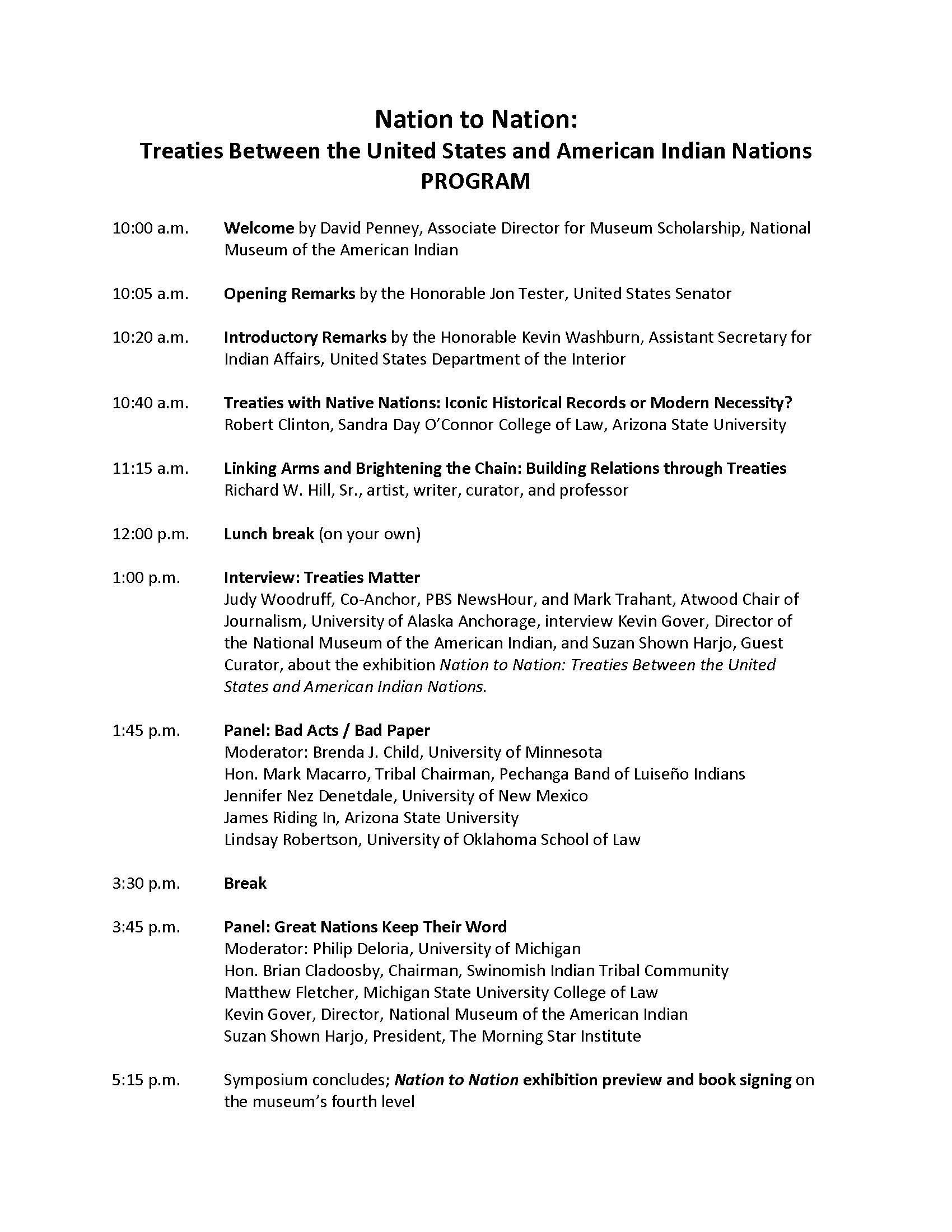
NMAI Treaty Symposium — Sept. 18, 2014
Here (PDF):
Here (PDF):
Here is the opening brief in Confederated Tribes and Bands of the Yakama Indian Nation v. Alcohol and Tobacco Tax and Trade Bureau:
Lower court materials in King Mountain Tobacco Co. v. Alcohol and Tobacco Tax and Trade Bureau (E.D. Wash.) are here.
Decision here.
The central question on this appeal is whether Ontario has the power to take up lands in the Keewatin area under Treaty 3 so as to limit the harvesting rights under the treaty, or whether this is subject to Canada’s approval.
Ontario and only Ontario has the power to take up lands under Treaty 3. This is confirmed by constitutional provisions, the interpretation of the treaty, and legislation dealing with Treaty 3 lands.
First, although Treaty 3 was negotiated by the federal government, it is an agreement between the Ojibway and the Crown. Both levels of government are responsible for fulfilling the treaty promises when acting within the division of powers under the Constitution. Sections 109, 92(5) and 92A of the Constitution Act, 1867 establish conclusively that Ontario holds the beneficial interest in the Keewatin lands and has exclusive power to manage and sell those lands as well as to make laws in relation to the resources on or under those lands. Together, these provisions give Ontario the power to take up lands in the Keewatin area under Treaty 3 for provincially regulated purposes such as forestry. Further; s. 91(24) of that same Act does not give Canada the authority to take up provincial land for exclusively provincial purposes.
Second, nothing in the text or history of the negotiation of Treaty 3 suggests that a two‑step process requiring federal supervision or approval was intended. The text of the taking‑up clause supports the view that the right to take up land rests with the level of government that has jurisdiction under the Constitution. The reference in the treaty to Canada merely reflects the fact that the lands at the time were in Canada, not Ontario.
Lastly, legislation subsequent to the signature of the treaty and which dealt with Treaty 3 lands confirmed Ontario’s right to take up that land by virtue of its control and beneficial ownership of the territory. It did not amend the terms of Treaty 3.
Decision here
Held: The appeal should be allowed and a declaration of Aboriginal title over the area requested should be granted. A declaration that British Columbia breached its duty to consult owed to the Tsilhqot’in Nation should also be granted.
***
In finding that Aboriginal title had been established in this case, the trial judge identified the correct legal test and applied it appropriately to the evidence. While the population was small, he found evidence that the parts of the land to which he found title were regularly used by the Tsilhqot’in, which supports the conclusion of sufficient occupation. The geographic proximity between sites for which evidence of recent occupation was tendered and those for which direct evidence of historic occupation existed also supports an inference of continuous occupation. And from the evidence that prior to the assertion of sovereignty the Tsilhqot’in repelled other people from their land and demanded permission from outsiders who wished to pass over it, he concluded that the Tsilhqot’in treated the land as exclusively theirs. The Province’s criticisms of the trial judge’s findings on the facts are primarily rooted in the erroneous thesis that only specific, intensively occupied areas can support Aboriginal title. Moreover, it was the trial judge’s task to sort out conflicting evidence and make findings of fact. The presence of conflicting evidence does not demonstrate palpable and overriding error. The Province has not established that the conclusions of the trial judge are unsupported by the evidence or otherwise in error. Nor has it established his conclusions were arbitrary or insufficiently precise. Absent demonstrated error, his findings should not be disturbed.
APTN story here.
CBC here.
The court action — filed by the Tsuu T’ina, Ermineskin, Sucker Creek and Blood First Nations — asks Federal Court to force Ottawa to upgrade their water systems, provide continuing support to keep them operating safely and to refund money the bands say the government has saved over the years by not doing so.
Here:
Here.
Attorneys for the company contend that the commission has no business
deciding the meaning of federal treaties. Even so, much of the two-hour discussion before Judge Eric Lipman focused on 10 treaties signed between 1825 and 1864 by Minnesota Indian tribes.
“It would represent a dramatic departure from the commission’s precedent and would significantly impact not just pipeline projects but all large energy projects sited in northern Minnesota,” said Christine Brusven, an attorney for the Calgary-based pipeline company that’s proposing to build the 610-mile pipeline to carry North Dakota oil.
Headed for the courts?
Lipman, who is overseeing the regulatory review of the pipeline, is expected to rule on the treaty rights question, but the final decision rests with the Public Utilities Commission. The issue ultimately could land in federal court.
H/T Jean O’Brien
You must be logged in to post a comment.