Federal Court Dismisses Challenge to 2009 Mashpee Wampanoag Tribe Election

Here are the materials in Ramos v. Bureau of Indian Affairs (D. Mass.):

1 Complaint

9 Amended Complaint

11 BIA Motion to Dismiss

12 Ramos Response

15 BIA Reply

22 DCT Order Dismissing Claim

An excerpt:

The Plaintiffs, enrolled members of the Mashpee Wampanoag Tribe (“Tribe”), have sued the Defendants, the Bureau of Indian Affairs (“BIA”); Michael Black, Director of the BIA; Mike Smith, Deputy Director; Franklin Keel, Regional Director; and Kevin Washburn, Assistant Secretary (collectively, the “Defendants”) seeking an injunction requiring the Defendants to conduct an investigation into the Tribe’s 2009 election and to take action to ensure that the Tribe’s elections are properly conducted. D. 9 at 10. The Defendants have moved to dismiss the complaint for lack of subject matter jurisdiction, failure to state a claim and failure to join a necessary party. D. 10. Because the Court concludes that it does not have subject matter jurisdiction over this matter, the Court ALLOWS the motion to dismiss.

New Scholarship by Mary Wood: “Tribal Trustees in Climate Crisis”

Mary C. Wood has posted “Tribal Trustees in Climate Crisis” on SSRN. It is forthcoming in the American Indian Law Journal. Here is the abstract:

The legal “cornerstone” of federal Indian law is the federal trust obligation. The duty was formulated by courts long ago to protect native nations against federal actions that harm the retained tribal property and resources. Yet in recent years, courts have diminished the force of the doctrine by equating it, for all practical purposes, with statutory standards. This essay turns attention to another doctrine, the public trust doctrine, which characterizes sovereigns as trustees of their resources. The public trust framework positions tribes as co-trustees with states and the federal government. This article suggests a role for tribes in climate crisis by asserting the right of co-trustees and co-tenants to prevent waste of the common resource – the atmosphere.

CFC Dismisses Wyandot Nation’s Section 1500 Claims

Here are the materials in Wyandot Nation of Kansas v. United States (Fed. Cl.):

34-1 US Motion to Dismiss

37 Wyandot Nation Response

38 US Reply

61 DCT Order Granting Motion to Dismiss

Navajo Nation Comments on DOJ’s Proposed Indian Policy

Here:

2014-04-04 NN ltr to DOJ re Indian policy

The DOJ draft and call for comments are here:

2013-11 DOJ draft principles for working with tribes

2014-02-11 DOJ DTL ltr re DOJ Indian policy

Interior Approves Four HEARTH Act Applications

Assistant Secretary Washburn Approves Four HEARTH Act Applications
to Help Spur Economic Development in Tribal Communities (PDF)

Dry Creek Rancheria, Jamestown S’Klallam, Mohegan, and Wichita and Affiliated Tribes join eight others already cleared to process economic development leases without BIA approval

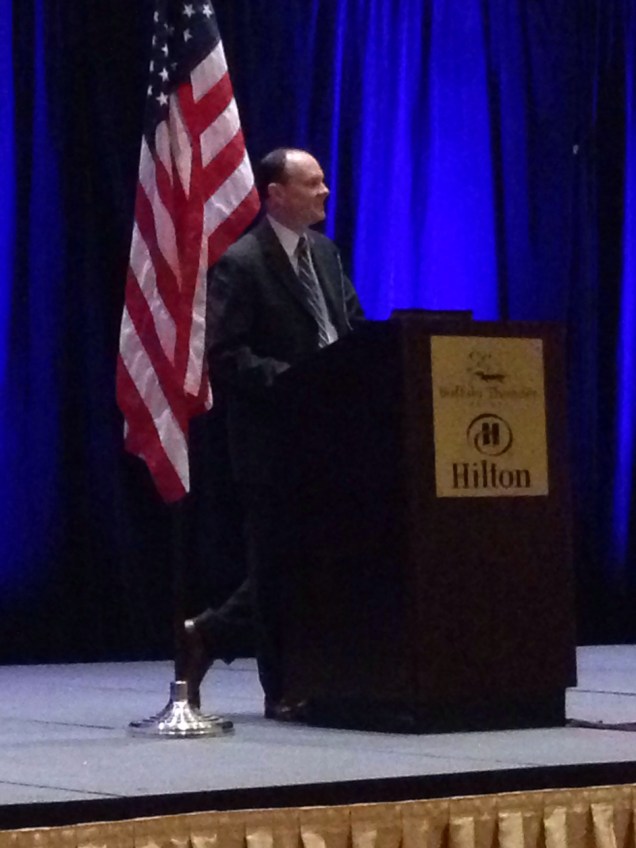
WASHINGTON, D.C. — Assistant Secretary – Indian Affairs Kevin K. Washburn today approved leasing regulations submitted by four federally recognized tribes, restoring their authority to control the leasing of their trust lands and promoting their self-determination and economic development. This streamlined process for restoring tribal leasing authority is consistent with the objectives of the Helping Expedite and Advance Responsible Tribal Homeownership Act, or HEARTH Act.

“Thanks to the HEARTH Act, more tribes have been empowered to take over leasing on their lands,” Assistant Secretary Washburn said. “Tribal governments are the drivers of economic self-sufficiency and prosperity on their reservations and in their communities. The HEARTH Act restores their ability to directly control how their lands can and should be used for the good of their people, now and in the future.”

The four tribes, submitted requests for Secretarial approval of their leasing regulations, are: Dry Creek Rancheria Band of Pomo Indians in California, Jamestown S’Klallam Tribe in Washington State, Mohegan Indian Tribe of Connecticut, and Wichita and Affiliated Tribes in Oklahoma. Each tribe plans to authorize leases for general economic development.

The HEARTH Act was signed by President Obama in July 2012. It restores the authority of federally recognized tribes to develop and implement their own laws governing long-term leasing of federal Indian trust lands for residential, business, renewable energy and other purposes, which greatly expedites the approval of leases for homes and small businesses in Indian Country. Upon one-time approval of its regulations by the Department of the Interior, a tribe may process land leases without having to first gain approval from the Bureau of Indian Affairs (BIA).

The Assistant Secretary’s action brings to 12 the number of tribes who have had their tribal leasing regulations approved under the Act. The others are: Federated Indians of Graton Rancheria, California (Feb. 1, 2013); Pueblo of Sandia, New Mexico (March 14, 2013); Pokagon Band of Potawatomi Indians, Michigan (April 11, 2013); Ak-Chin Indian Community; California (Nov. 10, 2013); Santa Rosa Band of Cahuilla Indians, California (Nov. 10, 2013); Citizen Potawatomi Nation, Oklahoma (Nov. 25, 2013); Ewiiaapaayp Band of Kumeyaay Indians, California (Dec. 10, 2013); and Kaw Nation, Oklahoma (Dec. 13, 2013).

In November 2012, the Department announced new regulations resulting from a comprehensive reform of the BIA’s antiquated regulations governing its process for approving surface leases on lands held in trust by the Federal Government for Indian tribes and individuals. As trustee, Interior manages about 56 million surface acres in Indian Country.

The new regulations streamlined the leasing approval process on Indian land, spurring increased homeownership and expediting business and commercial development, including renewable energy projects.

The Assistant Secretary – Indian Affairs oversees the BIA, which is headed by a director who is responsible for managing day-to-day operations through four offices – Indian Services, Justice Services, Trust Services and Field Operations. These offices directly administer or fund tribally based infrastructure, law enforcement, social services, tribal governance, natural and energy resources, and trust management programs for the nation’s federally recognized American Indian and Alaska Native tribes and villages through 12 regional offices and 85 agencies.
20140410-083244.jpg

D.C. Circuit Rules against Navajo Trust Breach Claims in Uranium Mining Contamination Case

Here is the opinion in El Paso Natural Gas Co. v. United States:

CADC Opinion

Briefs are here.

Federal Court Denies Motion to Recover Cobell Litigation Expenses

Here are the materials:

3839 Motion for Expenses

3846 Federal Opposition

3848 Cobell Reply

4033 DCT Order Denying Motion

An excerpt:

Pending before the Court is Plaintiffs’ Motion for Reconsideration of Class Representatives’ Expense Application [ECF No. 3839]. The motion seeks to have this Court reconsider its June 20, 2011 decision declining to further diminish the common fund benefitting class plaintiffs by granting the Class Representatives’ request to recover expenses related to recoverable grants third-party organizations made to the Blackfeet Reservation Development Fund (“BRDF”) to finance this lawsuit. Because the pending motion advances arguments and evidence that could have been raised by the plaintiffs before the Court ruled and entered judgment, the motion will be denied.

Forbes Article by PERC Researcher: “5 Ways The Government Keeps Native Americans In Poverty”

Here.

Interior Opinion on Meaning of “Under Federal Jurisdiction”

Here:

DOI Carcieri M opinion – M 37029

Here is the link to Interior opinions.

Skokomish Claim against US over Cushman Dam Dismissed

Here are the materials in Skokomish Indian Tribe v. United States (Fed. Cl.):

5 Amended Complaint

13-1 Motion to Dismiss

27 Skokomish Response

29 Reply

37 Opinion Granting Mot Dismiss

What the Skokomish River once looked like:

Before Pic of Skokomish River