Anthony Hernandez has published “Tribal Trademark Law” in the Stanford Law Review. Here is the abstract:
Native American tribes are increasingly creating their own intellectual and cultural property statutes. Of all the new legislation, tribal trademark law in particular is an engaging yet understudied area. By studying tribal trademark law, it becomes possible to evaluate the nature and scope of tribal sovereignty. And studying tribal trademark law provides an opportunity to consider how federal trademark law might incorporate tribal innovations. Situated at the intersection of tribal law, intellectual property, and tribal sovereignty, this Note asks whether the federal government is prepared to incorporate and recognize tribal trademark law in the same way that it has done for states’ laws.
Figuring out where the California Court of Appeal courts are on the initial inquiry duty when a child is removed from their home is about as easy as detangling a ball of Christmas lights. The Samantha F. case does a nice job of going through where everything is, and what courts have held. This issue is fairly specific to California, which has certain ICWA inquiry requirements in state law and court rules for the removal of any child from their home. The question at issue seems particularly frustrating, because certain California courts have held there is no duty for contacting a child’s extended family re. tribal citizenship if the child was removed from the home with a warrant. However, there is such a duty if they were removed from the home without a warrant. In reading the cases, it feels like there was an oversight in drafting the state laws rather than some kind of legislative intent to suss out. Regardless, this has been the top litigated issue in California ICWA cases for almost a year now. In fact, it was nearly a year ago I posted about this at length. Apparently filing is finally underway in the In re Ja. O. case now. Briefing in the other set of cases appears to be complete but oral argument has not yet been set.
In this article, I explore the concept of Tribal self-determination in the context of healthcare systems that serve American Indian and Alaska Native communities. I investigate the vast health disparities that exist in Tribal communities, as well as the history and current legal framework for the provision of health care in Indian Country. Part of this discussion also provides information on the federal laws and policies that have fractured the traditional lifeways of Native communities and contributed to the disparate health outcomes that now exist. I also provide background on the fundamental federal laws and policies, particularly the Indian Self-Determination and Education Assistance Act of 1975, that have facilitated greater Tribal control over programs and services for Tribal communities, including health systems. Tribally-managed health systems can, and are, playing a crucial role in closing this health gap.
This article also positions the status of Native communities in the United States within the global dialogue of the rights of indigenous peoples and the right to health, as indigenous communities subjected to settler-colonial states are demonstrably experiencing similar disparate outcomes. This discussion includes background on the international legal framework for the right to the highest attainable standard of health, the rights of indigenous peoples, and the social determinants of health, some of which are arguably unique to indigenous communities. The article explores these concepts for the lessons that may be garnered for the benefit of Tribal health systems. However, the article also argues that Tribes that are successfully operating healthcare systems have their own lessons to offer the global community regarding providing quality care and bringing American Indian and Alaska Native communities closer to actualizing the highest attainable standard of health.
As a reminder, comments for the ICWA AFCARS are due April 23. The Indian Law Clinic has developed a model comment for tribes to edit and use if they so wish. For a copy of the comment, please contact Cody Fowler, who has done the heavy lifting on this work, is an MSU grad and is helping out the Clinic for a few weeks! He can be contacted at:
fowler48@msu.edu
The proposed rule is here, as well as the link to submit comments:
As a reminder, this is a proposed rule to require nationwide data collection about ICWA children in foster care. We have never had nationwide data on ICWA cases, despite nearly ten years of active litigation to try to get the 2016 rule back, and many years of activism before that to get the 2016 rule.
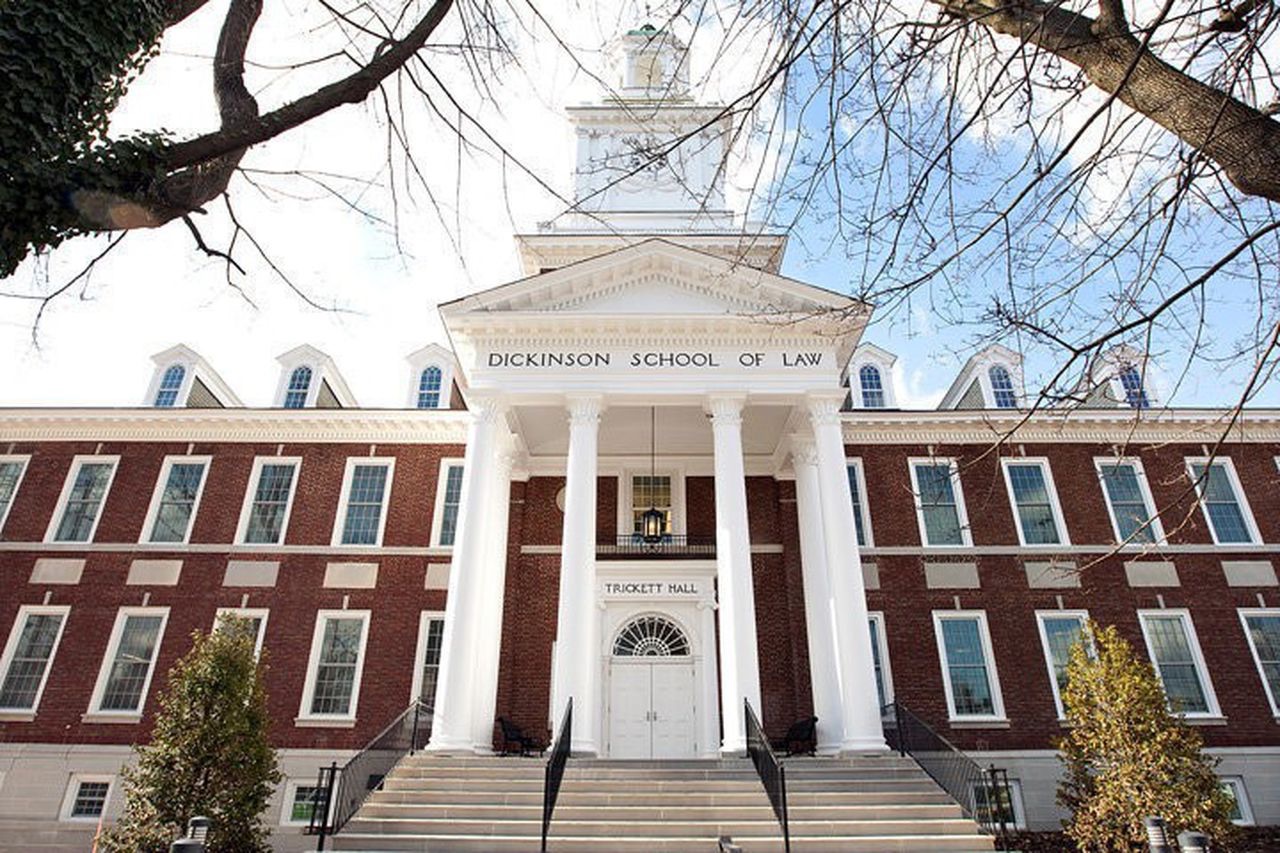
Penn State Dickinson Law in Carlisle, PA is looking for an adjunct faculty member to teach Native American Law in the Fall 2024 semester. While in-person instruction is preferred, we are open to a remote synchronously taught course. If you are interested in applying for this opportunity, please do so here. We welcome interest from applicants with diverse experiences and backgrounds, including from practicing attorneys, experienced faculty, and those seeking to enter legal education.


 Turtle Talk
You must be logged in to post a comment.