Here are the materials in Acres Bonusing Inc. v. Marston (N.D. Cal.):
78-1 Boutin Jones Motion to Dismiss
79 Janssen Malloy Motion to Dismiss
80-1 Rapport Motion to Dismiss
Prior post here.
Here are the materials in Acres Bonusing Inc. v. Marston (N.D. Cal.):
78-1 Boutin Jones Motion to Dismiss
79 Janssen Malloy Motion to Dismiss
80-1 Rapport Motion to Dismiss
Prior post here.
Here are the Indian law articles:
Restoring Oklahoma: Justice and the Rule of Law Post-McGirt
Sara E. Hill
Digital Economic Zones: A Program for Comprehensive Tribal Economic Sovereignty
W. Gregory Guedel and Philip H. Viles Jr.
Lessons Learned, Lessons Forgotten: A Tribal Practitioner’s Reading of McGirt and Thoughts on the Road Ahead
Stephen H. Greetham
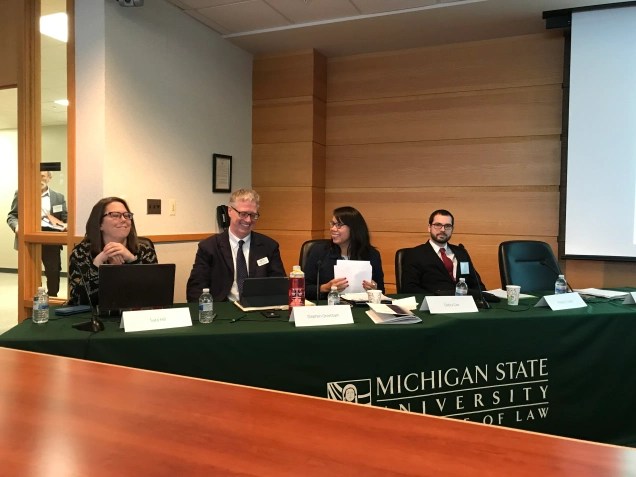

The National Training Program, open to all, is hosted by the Society of American Indian Government Employees (SAIGE), the national non-profit organization formed in 2002 representing American Indian and Alaska Native (Al/AN) Federal, Tribal, State and local government employees. SAIGE provides specialized training sessions for Veterans and Youth at no cost. Register and learn more at www.saigetraining.org. Press release here. Speakers include Stephen Pevar, Lisa Williams, James Vukelich Kaagegaabaw, and more.
Here are the materials in Cayuga Nation v. Parker (N.D. N.Y.):
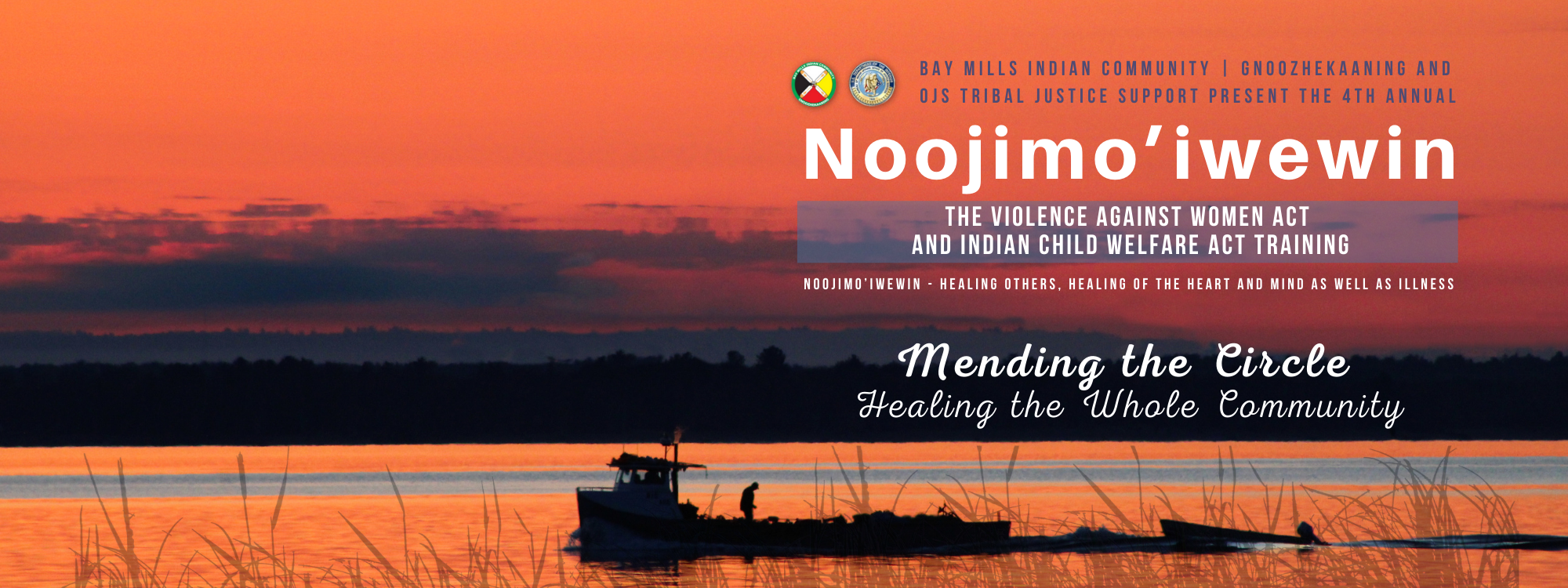
The 2022 Noojimo’iwewin features a series of hands-on training units. Each unit focuses on a topic related to violence and provides tools to support community healing. Engaging, expert faculty facilitate each unit which has been designed to help advocates, providers, and legal professionals implement effective service strategies. The training is hosted both in-person at the Bay Mills Resort & Casino and virtually via Whova. CLE and Social CEU credits pending.
Here is the petition in Arizona v. Navajo Nation:
Questions presented:
I. Does the Ninth Circuit Opinion, allowing the Nation to proceed with a claim to enjoin the Secretary to develop a plan to meet the Nation’s water needs and *ii manage the mainstream of the LBCR so as not to interfere with that plan, infringe upon this Court’s retained and exclusive jurisdiction over the allocation of water from the LBCR mainstream in Arizona v. California?
II. Can the Nation state a cognizable claim for breach of trust consistent with this Court’s holding in Jicarilla based solely on unquantified implied rights to water under the Winters Doctrine?
Lower court materials here.
This case is a little complicated regarding the name and who is filing when. The Court is keeping all of the documents under case number 21-376, which is Haaland v. Brackeen. But in its order granting cert, the Court stated that Texas and the foster families would file first, or be “top side” in the briefing schedule. The federal government and the tribes will file on August 5, and the subsequent amicus briefs on August 12.
If you are thinking about a pro-ICWA amicus brief and have not yet talked to Dan Lewerenz (lewerenz@narf.org) at NARF now is the time to reach out. If you are a tribe looking to sign on to the tribal amicus brief, please reach out to Erin Dougherty Lynch (dougherty@narf.org), also at NARF.
Top Side Principle Briefs
Brackeen_Haaland v. Brackeen — Opening Brief
Texas_Haaland v. Brackeen – Opening Br. for Texas
Top Side Amicus Briefs
CatoGoldwaterFosterParents_Amicus Brief
CJJr_PLF Amicus Brief – BRACKEEN – 2022.06.01 – FINAL
ProjectforFairRep_21-376 -377 -378 -380 ICWA Amicus Brief
NewCivilLiberties_21-378 Amicus NCLA Supp. Pet.
CERA_CERF Amicus Brief in Support of No Party -Final-6-2-22
ChristianICWA_21-376 -377 -378 and -380 Brief
AAAA_21-376 Amicus AAAA and NCFA
Notable additions to the anti-ICWA amicus briefs include Oklahoma and parties of ICWA cases past.
Naiomi Metallic has posted “Five Linguistic Methods for Revitalizing Indigenous Laws,” forthcoming in the McGill Law Journal, on SSRN. Here is the abstract:
Building on the ground-breaking work on the revitalization of Indigenous laws ongoing over the past decade, this article seeks to contribute to our understanding of how Indigenous languages can be used to recover Indigenous laws. It posits that there is not one single linguistic method, but at least five: 1) the ‘Meta-principle’ method; 2) the ‘Grammar as revealing worldview’ method; 3) the ‘Word-part’ method; 4) the ‘Word-clusters’ method; and 5) the ‘Place names’ method. Using the Mìgmaq language to illustrate, the article explains each method and provides examples of how they can be used to inform Indigenous law revitalization. The article also shows that one does not have to be a fluent, first-language speaker to engage with linguistic methods for Indigenous law revitalization, by highlighting the various published resources like dictionaries and lexicons, reference and teaching texts, atlases, and more, that can be harnessed to engage in this work. This makes engaging with the linguistic methods accessible to the many Indigenous peoples who, because of the impacts of colonialism, are only starting to re-learn their Indigenous language. This revelation should give greater confidence to the non-fluent that they too can play a role in the revitalization of both their language and laws.
Highly recommended.
Here:

Here.
 Turtle Talk
You must be logged in to post a comment.