News Profile of Klamath River Dam Removal Plan

Here.

More here:

http://www.krcrtv.com/north-coast-news/news/dam-removal-along-klamath-river-moves-forward-with-agreement/38903812
http://www.capitalpress.com/Water/20160406/state-federal-officials-sign-new-klamath-dam-agreements
Coverage focusing on the tribal impact: http://www.takepart.com/article/2016/04/06/removal-klamath-river-dams-california-oregon

Stockbridge-Munsee Community Seek Tribal Prosecutor, Staff Attorney

Download tribal prosecutor announcement here.

Download staff attorney announcement here.

Ninth Circuit Rejects Oklevueha NAC Religious Freedom Claims to Cannibis

Here is the opinion in Oklevueha Native American Church v. Lynch.

From the syllabus:

The panel affirmed the district court’s summary judgment in favor of federal officials, and held that the district court properly denied the plaintiffs – Oklevueha Native American Church of Hawaii, Inc. and its founder, Michael Rex “Raging Bear” Mooney – an exemption from federal laws prohibiting the possession and distribution of cannabis.
Concerning plaintiffs’ claimed violation of the Religious Freedom Restoration Act, the panel held that even assuming that plaintiffs’ use of cannabis constituted an “exercise of religion,” no rational trier of fact could conclude on the record that a prohibition of cannabis use imposed a “substantial burden” on plaintiffs’ exercise of religion. Specifically, the panel held that nothing in the record demonstrated that a prohibition on cannabis forced plaintiffs to choose between obedience to their religion and criminal sanction, such that they were being coerced to act contrary to their religious beliefs; and this was fatal to their claim. The panel also held that plaintiffs’ admission that cannabis was merely a substitute for peyote also distinguished their case from Holt v. Hobbs, 135 S. Ct. 853 (2015) (holding that there was a Religious Land Use and Institutionalized Persons Act violation where the prison’s refusal to grant a Muslim inmate a religious exemption to grow a half-inch beard forced him to choose between a violation of his religious beliefs or face serious disciplinary action).

Briefs here.

Navajo Prevails at Ninth Circuit in NAGPRA Dispute with DOI

Here is the opinion in Navajo Nation v. Dept. of Interior

 From the syllabus:

The panel reversed the district court’s dismissal of the Navajo Nation’s suit seeking an injunction ending the National Park Service’s inventory, pursuant to the Native American Graves Protection and Repatriation Act (“NAGPRA”), of human remains and funerary objects removed from the Canyon de Chelly National Monument on the Navajo Reservation; and the immediate return of the objects taken from the reservation.
The panel held that the district court had jurisdiction to consider the Navajo Nation’s claims because the Park Service’s decision to inventory the remains and objects was a final agency action within the meaning of the Administrative Procedure Act. The panel also held that by deciding to undertake NAGPRA’s inventory process, the Park Service conclusively decided that it, and not the Navajo Nation, had the present right to “possession and control” of the remains and objects. 25 U.S.C. § 3003(a). The panel remanded for further proceedings.

Judge Ikuta dissented.

Materials here.

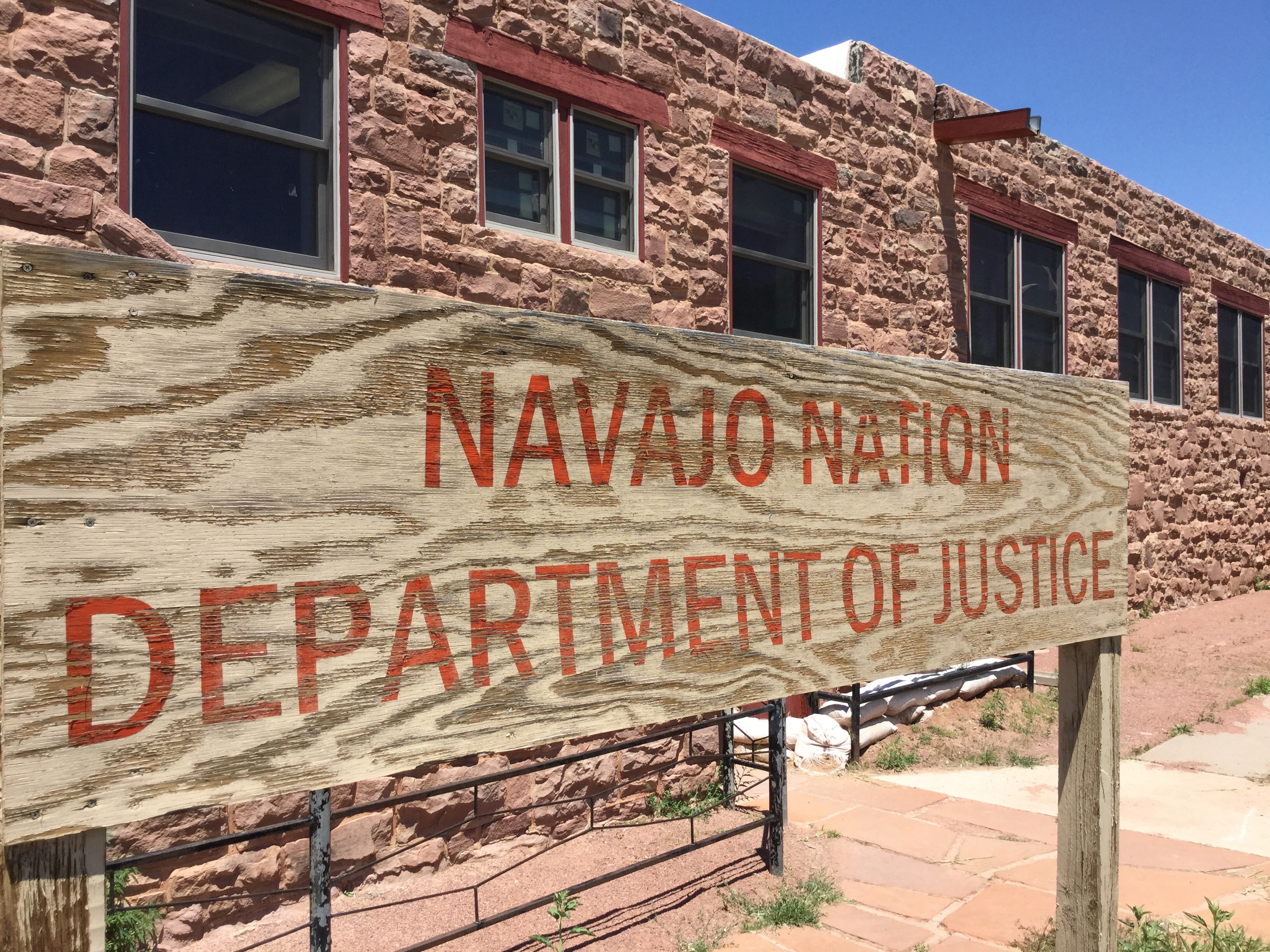
Congrats to the Navajo DOJ! 


Rosette Firm Attorney Posting

Here:

2016 04 05 AZ Indian Law Attorney Job Announcement

North Dakota Law Review Symposium on the Oil Boom

Here. Includes panels on human trafficking and impacts on Indian country jurisdiction.

D.C. Circuit Rejects Seneca Member’s Challenge to PACT Act as Moot

Here is the opinion in Gordon v. Lynch.

An excerpt:

Since Gordon faces only a remote risk of federal prosecution or civil penalties, and any further merits decision would not shield him from the effects of possible state or local lawsuits, the case is moot. We affirm the district court’s vacatur of the preliminary injunction for lack of jurisdiction, and we therefore do not reach the district court’s further conclusion that the case is prudentially moot.

Prior posts here and here.

Nooksack Tribal Court Clerk Rejects Galanda Pro Se Filing

Here are the materials in Galanda v. Bernard:

Nooksack Court Clerk Correspondence Rejecting Pro Se Complaint

Galanda Broadman Dreveskracht Pro Se Email Inquiry to Nooksack Judge Re Status of Complaint, State of Tribal Court

Ann Tweedy Review of Carpenter & Riley’s “Owning Red”

Ann Tweedy has reviewed Kristen Carpenter and Angela Riley’s article, “Owning Red: A Theory of (Cultural) Appropriation,” forthcoming in the Texas Law Review, for JOTWELL.

An excerpt:

In a number of recent controversies, from sports teams’ use of Indian mascots to the federal government’s desecration of sacred sites, American Indians have lodged charges of “cultural appropriation” or the unauthorized use by members of one group the cultural expressions and resources of another. While these and other incidents are currently in the headlines, American Indians often experience these claims within an historical and continuing experience of dispossession. For hundreds of years, the U.S. legal system has sanctioned the taking and destruction of Indian lands and artifacts, bodies and religions, identities and beliefs, all toward the project of conquest and colonization. Indian resources have been devalued by the law and made available for non-Indians to use of their own purposes. Seeking redresses for the losses caused by these actions, tribes have brought claims under a variety of laws, from trademark and copyright, to the First Amendment and Fifth Amendment, and some have been more successful than others. As a matter of property law, courts have compensated – albeit incompletely – the taking of certain Indian lands and has also come to recognize tribal interests in human remains, gravesites, and associated artifacts. When it comes to intangible property, however, the situation is more complicated. It is difficult for legal decision-makers and scholars alike to understand why Indian tribes should be able to regulate the use of Indian names, symbols, and expressions. Indeed, non-Indians often claim interests, sounding in free speech and the public domain, in the very same resources. To advance understanding of this contested area of law, this Article situates intangible cultural property claims in a larger history of the legal dispossession of Indian property – a phenomenon we call “Indian appropriation.” It then evaluates these claims vis à vis prevailing legal doctrine, and offers a normative view of solutions, both legal and extralegal.

 

Prof. Frank Pommersheim at Snoqualmie

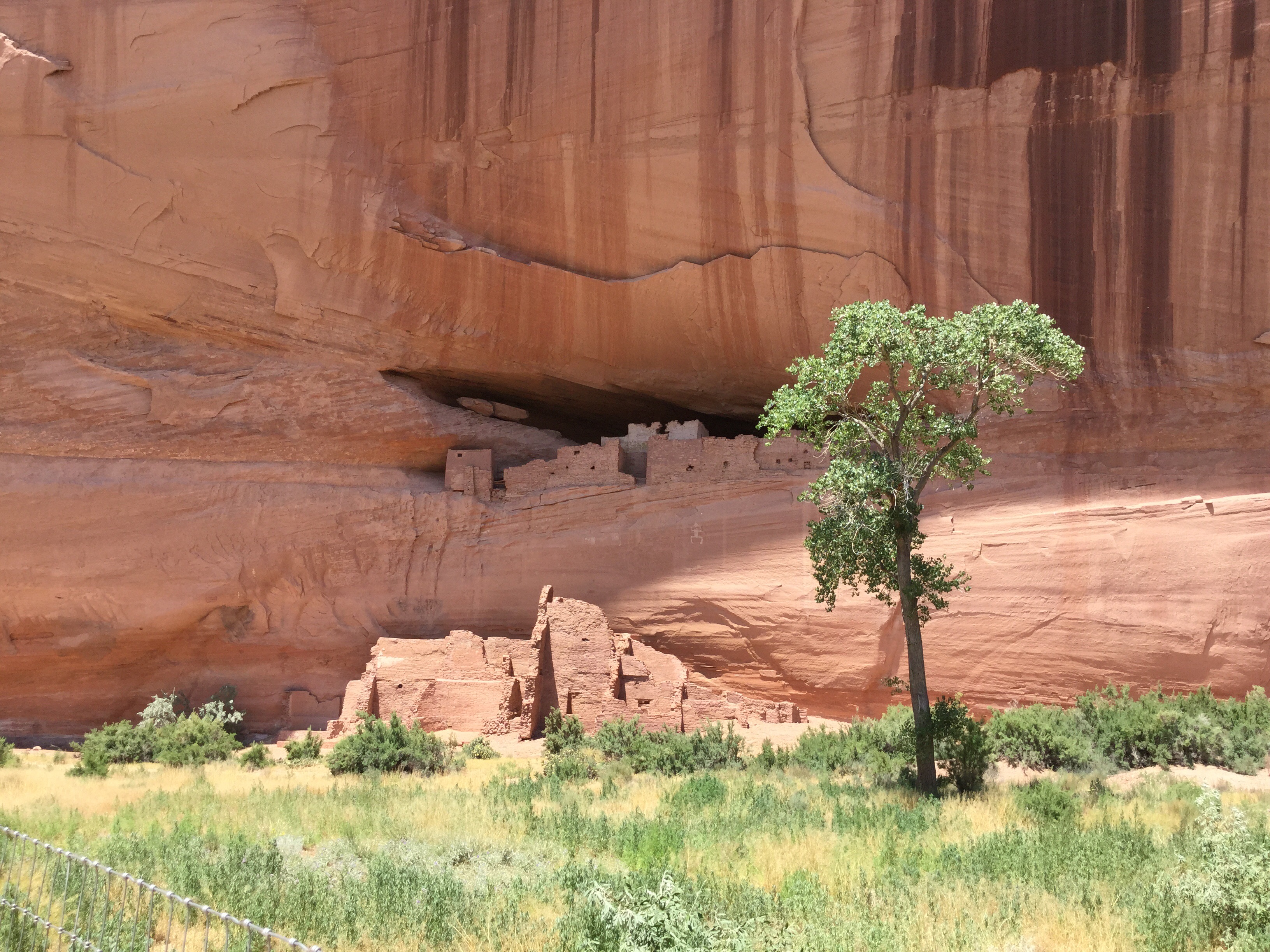
Prof. Frank Pommersheim

Among the highlights of Professor Pommersheim’s sage talk was the advice to Tribes to broaden business licenses to include consent to tribal jurisdiction over tort claims related to the business and consent by the business’ employees. He also suggests that Tribes consider amending their civil procedure codes to eliminate interlocutory appeals over jurisdictional questions.