Here are the materials in Souther v. Nez Perce Tribe Judicial Services (D. Idaho):
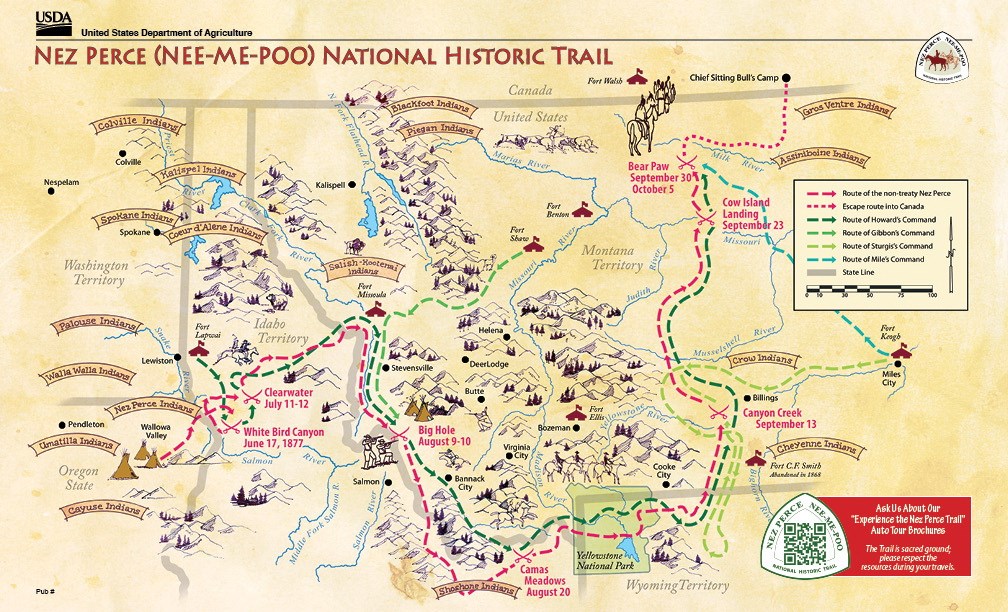
Here are the materials in Souther v. Nez Perce Tribe Judicial Services (D. Idaho):
Here are the materials in Santee Sioux Nation v. Tso (D. Neb.):
3 Brief ISO Motion for Preiminary Injunction

Breanna K. Bollig has published “Improving Public Schools: What Advocates Can Learn From Indian Education Rights” in the Journal of Law and Education.
An except:
Unbeknownst to most education advocates, though, is that Indian education rights provide critical lessons on how to improve schools and the right to education. Just as tribal nations—as separate sovereigns that are capable of enacting their own laws—are considered “laboratories of legal innovation,” there is massive potential for studying Indian education rights. With its successes and failures, education advocates can look to Indian education rights to better develop a strategy to improve public schools. In fact, education advocates could have much needed guidance in asking vital questions surrounding inadequate and inequitable public schools. For example, how should the states and the federal government share the responsibility of education in the United States? How should a federal right to education be created? How can we better hold inadequate and inequitable schools accountable? What other strategies can we use to improve inadequate and inequitable schools?
Here is the order in National Education Association of New Mexico v. Central Consolidated School District (N.M. Ct. App.):
Here are the materials in Peterson v. Harrah’s NC Casino Company LLC (W.D. N.C.):



 Turtle Talk
You must be logged in to post a comment.