SCOTUS Denies Bibeau v. Commissioner

Order list here.

Just goes to show that there really is no opportunity for Indian people or tribal nations to persuade the federal judiciary to correct its past mistakes. There is no room for long-term litigation strategies.

Petition here.

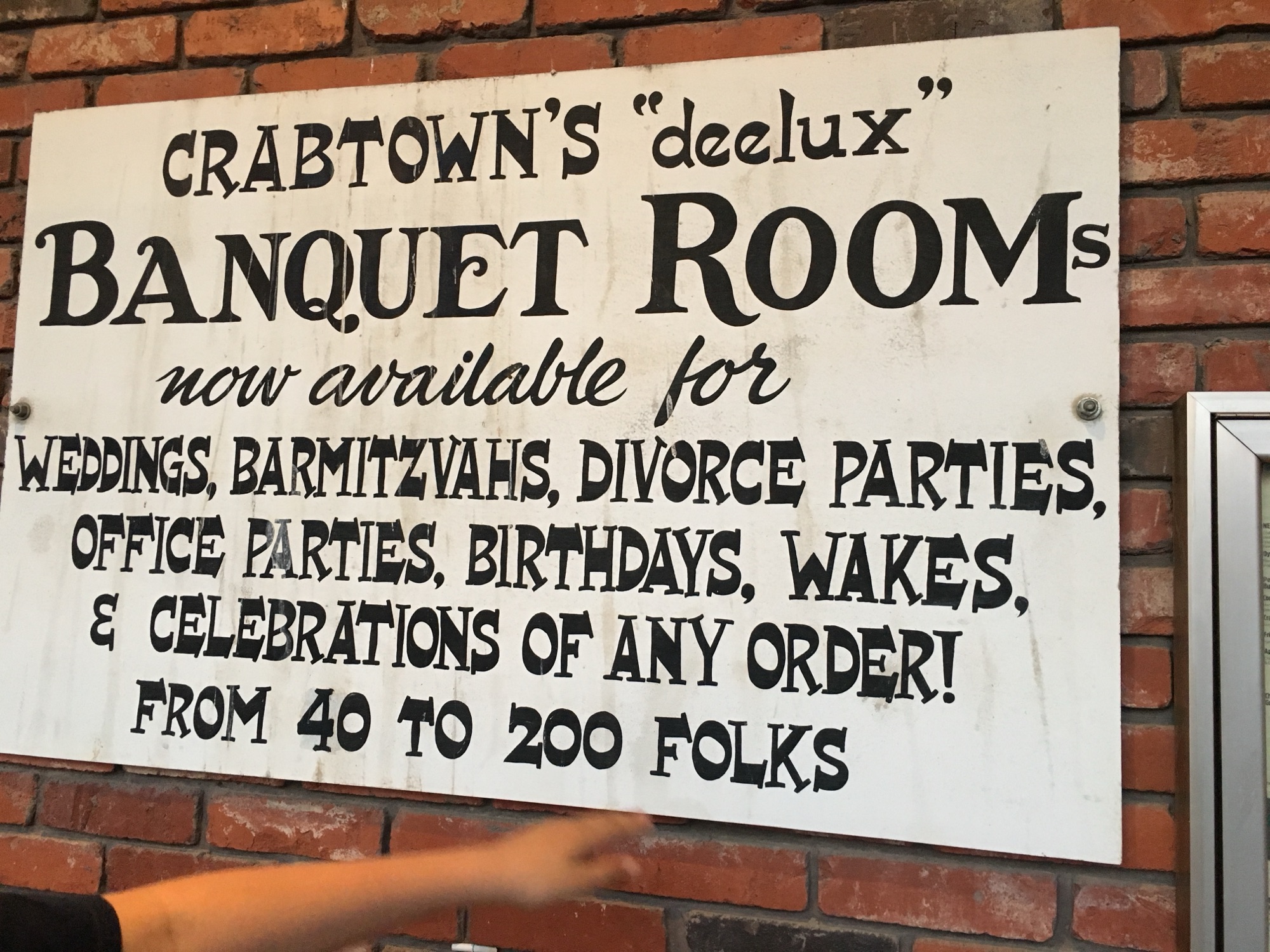
The clown motel thing is not a reflection on the Court, this pic just has the word “tax” in it.

California Federal Court Rejects Tribal Challenge to Placement on PACT Act Noncompliance List

Here are the materials in Twenty-Nine Palms Band of Mission Indians v. Garland (C.D. Cal.):

1 Complaint

47 ATF Motion for Summary J

51 Opposition

54 Reply

65 DCT Order

Grant Christensen on Article IV: The New-ish Hope

Grant Christensen has published “Article IV and Indian Tribes” in the Iowa Law Review (PDF). Here is the abstract:

Unlike the first three articles of the Constitution which create the three branches of the federal government and articulate their limited powers, Article IV establishes a set of rules to police the actions of states and knit them together into a single union. Notably absent from Article IV is any mention of the tribal sovereign. Concomitantly, there has been no comprehensive academic discussion addressing how the tribal sovereign complicates the purposes of Article IV. This piece advances a completely new understanding of Article IV and its implications in federal Indian law. It argues that where Article IV advances rights to individual citizens (i.e., a citizen’s right to enforce a court judgment or their claim to the protection of the Privileges and Immunities Clause) then states may not use an individual’s connection to any tribal sovereign as an excuse to deny them the protections of those rights. In contrast, where Article IV speaks to rules designed to ensure states treat each other respectfully (i.e., requests for extradition, claims under the Equal Footing Doctrine, or any attempt to enforce the Guarantee Clause) then Article IV’s rules do not permit states to abridge, abrogate, modify, or erode the inherent rights of tribal nations. As the Court has recently opined, tribal governments themselves were absent from the Constitutional Convention and so constitutional limitations on the inherent powers of state sovereigns do not extend to tribal governments.  

Michigan Federal Court Dismisses Employment Suit against Hannahville Gaming Operation

Here are the materials in Parrotta v. Island Resort and Casino (W.D. Mich.):

7 Amended Complaint

9 Motion to Dismiss

10 Opposition

11 Reply

12 Magistrate Report

13 Objections

14 Response

15 DCT Order

Harvard NALSA Indian Law Symposium III

Keynote Speaker Dean Stacy Leeds
Wiliame Gucake, Amelia Kendall, Megan Davis, and Fletcher
Elizabeth Reese, Jade Araujo, and Sarah McClellan

Harvard NALSA Indian Law Symposium II

Hon. JoAnne Jayne
Judge Jayne, Malika Kounkourou, and Sadie Pate
J.V. Langkilde, Sadie Pate, Fletcher

Harvard NALSA Opening Remarks + Keynote Speaker Judge Sunshine Sykes

Judge Sykes
Harvard NALSA
Sadie Pate
Dean Goldberg
Amira Madison, HUNAP

California COA Affirms $5K/Month Child Support Order re: Chumash Tribal Member

Here is the opinion in Pateras v. Armenta:

L.B. Awarded $1.6 Million after Trial over Assault by BIA/Northern Cheyenne Police

Here are the materials in L.B. v. United States (D. Mont.):

Prior post here.