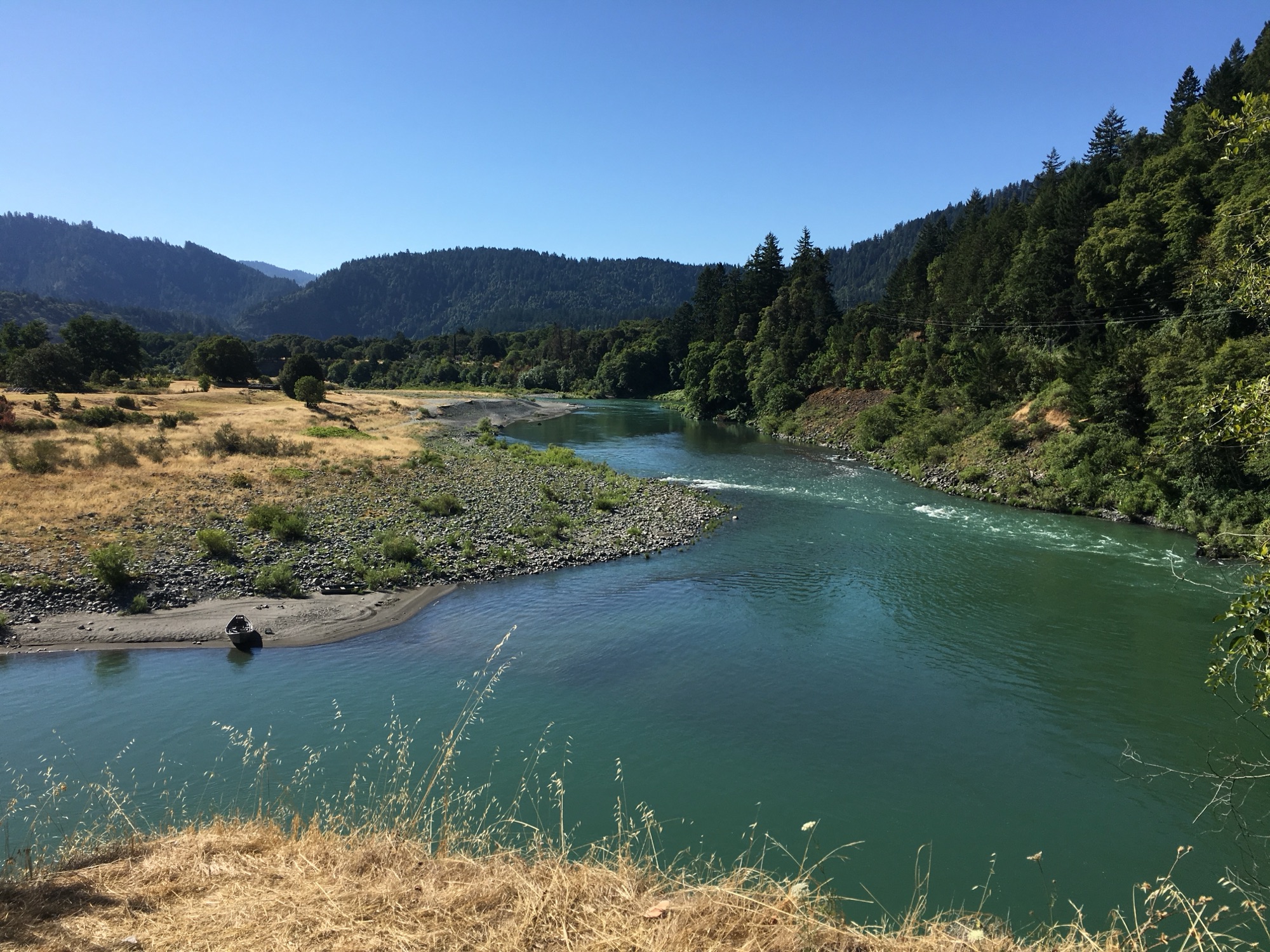
Arizona Federal Court Enjoins BLM from Allowing Lithium Exploration Project Near Sacred Waters

Here are the materials so far in Hualapai Indian Tribe v. Haaland (D. Ariz.):

1 Complaint

11 Motion for TRO

15 Federal Opposition

28 Mining Company Response

32 DCT Order Granting TRO

California SCT Issues Two Opinions Ordering Conditional Reversal under Cal-ICWA for Failure of the State Agency to Conduct an Adequate Inquiry on Whether the Child is Indian

Here is opinion in In re Dezi C.

Available briefs:

Calif Counties Assn Amicus Brief

California Appellate Defense Counsel Amicus Brief

Opening Brief

Reply

Here is the opinion in Kenneth D. that holds an appellate court may not consider postjudgment evidence to determine whether a trial court’s error was harmless.

Available briefs:

Petitioner’s Opening Brief

Answer Brief

Reply

Eastern Band Cherokee SCT Issues Opinion on Sovereign Immunity

Here is the opinion in Campos v. Eastern Band of Cherokee Indians:

South Dakota SCT Declines to Grant Full Faith and Credit to Sisseton-Wahpeton Tribal Court Divorce Decree

Here is the opinion in Torgerson v. Torgerson:

Virginia Federal Court Dismisses Winnebago Effort to Reclaim Indian Children’s Remains

Here are the new pleadings in Winnebago Tribe of Nebraska v. United States Department of the Army (E.D.Va.):

45 Reply

50 DCT Order

Prior posts here and here.

Kirsten Carlson on Access to Justice in the Shadow of Colonialism

Kirsten Matoy Carlson has posted “Access to Justice in the Shadow of Colonialism,” published in the Harvard Civil Rights-Civil Liberties Law Review, on SSRN.

Here is the abstract:

The legal needs of most Americans go unmet, but American Indians and Alaska Natives face particular challenges in seeking access to justice. This article describes the complexity of access to justice issues in Native communities. Access to justice in Indian Country exists in the shadow of colonialism. The legacy of settler colonialism, including the imposition of unfamiliar laws and legal processes, has and continues to affect what justice means and how it is experienced by tribal governments, Native communities, and individual Natives. Understanding this unique backdrop encourages access to justice scholars to reconsider the centrality of power dynamics to access to justice.

Getches, Wilkinson, and Williams’ Cases and Materials in Federal Indian Law 2024-25 Update

Here.

California COA Decision on the Disqualification of California Indian Legal Services Attorneys in Quiet Title Action

Here is the opinion in Syre v. Douglas:

D.C. Federal Court Dismisses Freedmen Descendants’ $90M Suit against Feds and Cherokee Nation

Here are the materials in Hinton v. Cherokee Nation (D.D.C.):

1 Complaint

16-1 Cherokee Nation Motion to Dismiss

20 US Motion to Dismiss

25 Hinton Response to 16

26 Hinton Response to 20

27 US Reply ISO 20

28 Cherokee Nation Reply ISO 16

30 DCT Order

Cheyenne River Sioux Tribe Loses Trial in Federal Trust Breach Action Despite Federal Inaction that “dilutes a unique community and leading it one step closer towards decay”

Here are the updated materials in Cheyenne River Sioux Tribe v. United States (Fed. Cl.):

Prior post here.

This paragraph is brutal:

The evidence presented to the Court at trial was “both overwhelming and extremely underwhelming.” (Tr. Court, 1426:20). Witness testimony was poignant at times, on one occasion moving some in the courtroom audience to tears. Ultimately, however, the Tribe failed to shoulder its burden of proof; and despite the Court’s serious misgivings about the treatment of the Tribe, the Tribe did not show that the United States’ failure to repair the crumbling Building violated trust obligations or constituted to a taking. Even if the Tribe met the elements of a breach of trust or takings claim, its proof of damages was entirely unconvincing, dependent on construction costs in the city limits of Chicago and rental values derived from cursory internet searches. Accordingly, the United States is entitled to judgment.