Here is “Indigenous Interpretations: Invoking the Third Indian Canon to Combat Climate Change,” chapter 2 of Developments in the Law: Climate Change. Chapter 2 begins on page 1568 (page 47 of the pdf).
Here is “Indigenous Interpretations: Invoking the Third Indian Canon to Combat Climate Change,” chapter 2 of Developments in the Law: Climate Change. Chapter 2 begins on page 1568 (page 47 of the pdf).
Here is the order in Minnesota Dept. of Natural Resources v. Manoomin dated March 10, 2022:
Prior post here.
Here are the materials in United States v. Begay (D. Minn.):

Here is “Restatement as Aadizookaan,” forthcoming in the Wisconsin Law Review. The abstract:
The goal of this essay for the Wisconsin Law Review’s symposium on the Restatement of the Law of American Indians is to develop a framework on the durability of this restatement. The aadizookaanag are unusually durable in terms of their transmission of underlying, foundational lessons, but the stories change all the time. The earth diver story explores and describes the critically important connection between the Anishinaabeg and the creatures of Anishinaabewaki, but only a very broad level of generality. How the Anishinaabe tribal government in the 21st century translates those principles into modern decision making requires new analysis, new stories. Additionally, old aadizookaanag may fade into irrelevance, even disrepute, as times and conditions change.
Law is the same. Restatements are intended to be durable and persuasive, supported by the great weight of authority, but not permanent. There are provisions in the Indian law restatement I believe are truly timeless, while the law restated in some sections is likely to change a great deal over the next few decades. I choose four sections in the restatement and match them with one of the four directions sacred to the Anishinaabeg. The youngest direction, Waabanong, the east, is the most likely to change. The next youngest, Zhaawanong, the south, is older, but still subject to change. Niingaabii’anong, the west, is still older, wiser, less likely to change, but also very dark in its philosophies. Kiiwedinong, the north, is the oldest, wisest, and most durable, yet distant. A restatement section includes black letter law, law that is well settled and indisputable. The reporters’ notes that accompany the black letter law constitute the legal support for that statement of law. The stronger the legal support, more durable the black letter.
In the east, I choose one of the plainest, easiest to restate principles of federal Indian law, the bar on tribal criminal jurisdiction over non-Indians. In the south, I choose the law interpreting the federal waivers of immunity allowing tribes to sue to the United States for money damages. In the west, I choose the darkest, yet perhaps the most foundational principles, the plenary authority of Congress in Indian affairs. For the north, I choose tribal powers, the oldest and most durable of all of the principles in the restatement.
Here is the review in PDF and HTML. Transmotion volume 7, issue 2 on Indigeneity and the Anthropocene can be found online here.
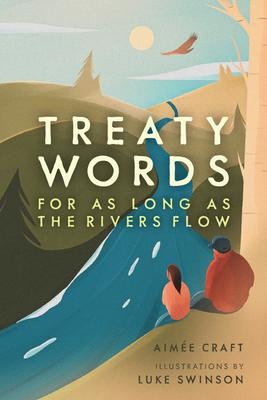
Professor Craft’s most recent book, “Treaty Words: For Longs as the Rivers Flow” (Annick Press), can be purchased at Strong Nations and Birchbark Books.
Kekek Jason Stark has published “Anishinaabe Inaakonigewin: Principles for the Intergenerational Preservation of Mino-Bimaadiziwin” in the Montana Law Review. PDF
I cannot recommend this paper enough. It’s exactly the kind of paper I’ve been waiting for — waiting for a very long time. Miigwetch to Professor Stark for this incredible work. The ancestors would be proud.
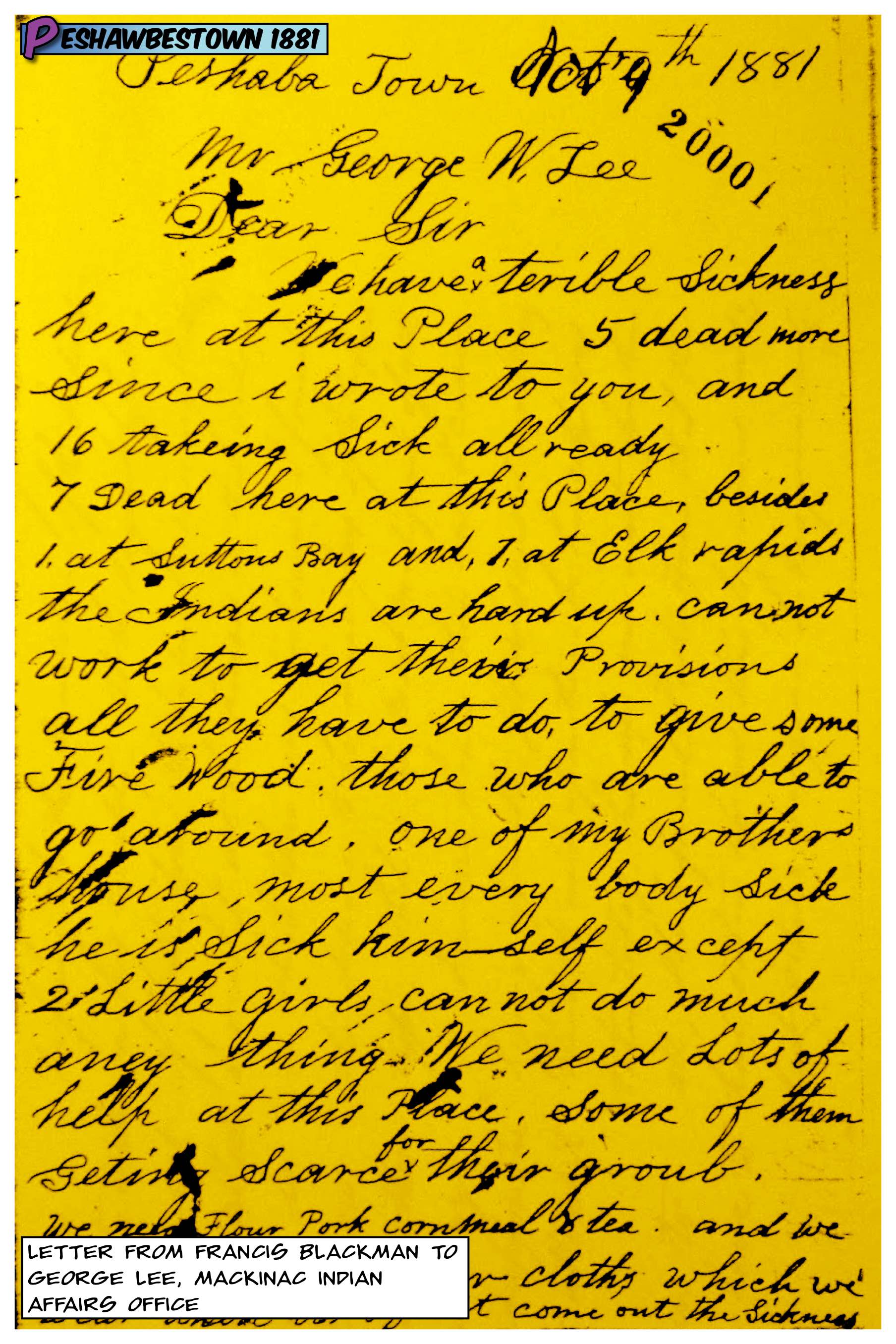
My draft paper, “Pandemics in Indian Country: The Making of the Tribal State,” part of a symposium on John Fabian Witt’s American Contagions book hosted by the St. Thomas Law Journal, is available on SSRN.
The abstract:
This Essay is inspired by the fascinating narrative told by John Fabian Witt theorizing how epidemics make states and how states can also make epidemics. The two stories centered in Peshawbestown, Michigan of the 1881 smallpox outbreak and the 2020-2021 COVID-19 pandemic seems to play into that story. The state (acting through the local and federal government) made the 1881 outbreak fatal, while the epidemic (acting through the tribal and federal government) made the state (in this case, the tribe) in 2020-2021. The story here seems to be one of sovereignty. In the smallpox era, the tribes exercised almost no sovereignty. Now they are practically self-governing; the incredible success of the Grand Traverse Band is a ringing endorsement. The tribe is acting like a capable and responsive government. But I argue there is more going on here. Sovereignty – whether liberal or authoritarian, in Witt’s words – is the first step in the analysis, but not the last. Culture is the second step.
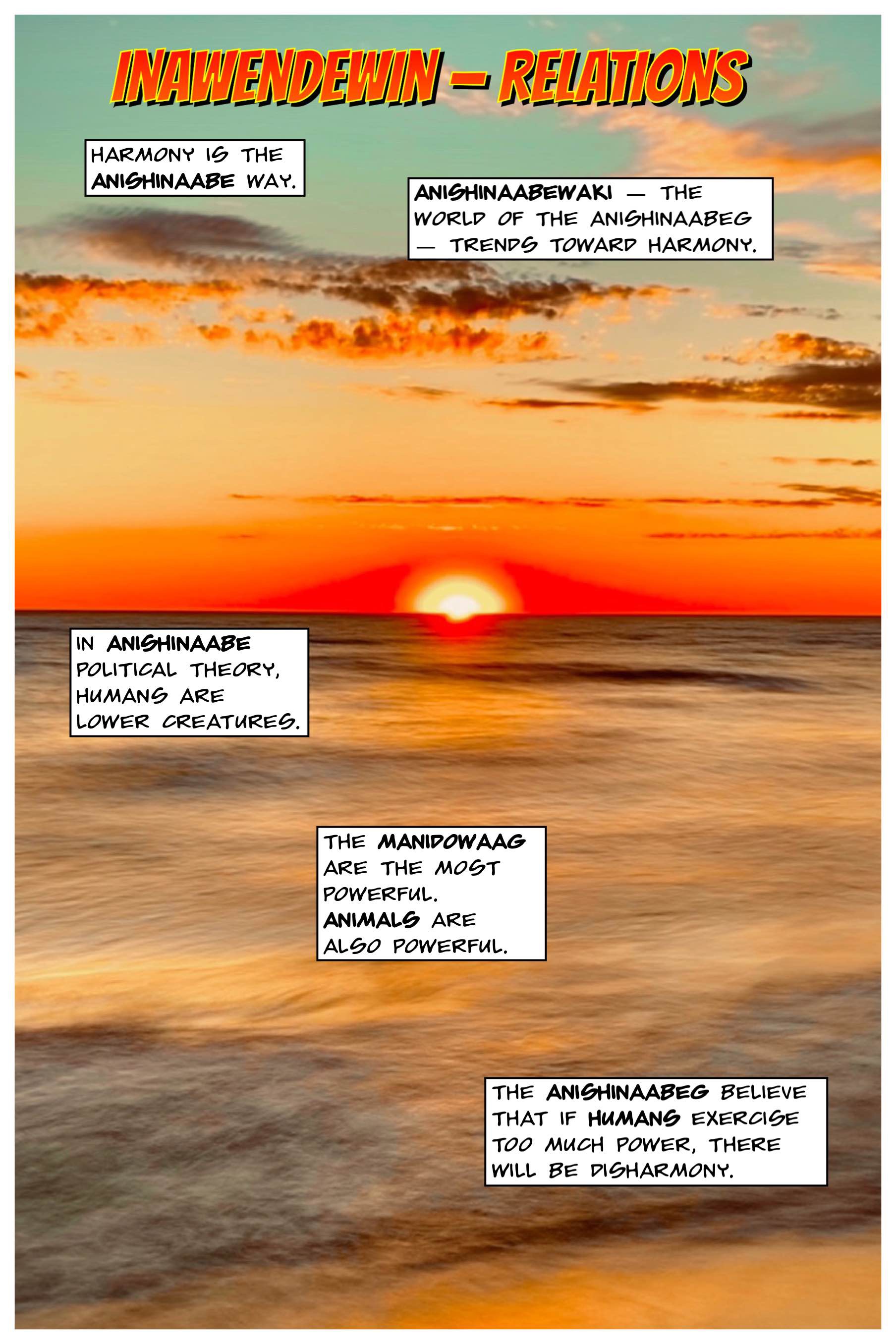
This Essay intends to gently disrupt Professor Witt’s theory by superimposing Anishinaabe political theory on American Contagions. The very notion of sovereignty is foreign to Anishinaabe. Western political theory insists on the power of a sovereign entity to enforce a social contract or else society will collapse. Anishinaabe political theory does not. The difference matters.
I developed a short paper for the Federal Reserve Bank’s series on Racism and the Economy, “Systemic Racism and the Dispossession of Indigenous Wealth in the United States,” posted here.
Here is a video of today’s program. April Youpee-Roll was part of the program, too, and provided important commentary on heirship and federal Indian policy.


You must be logged in to post a comment.