Here is the petition from BMIC, Little T, and Sault Tribe.
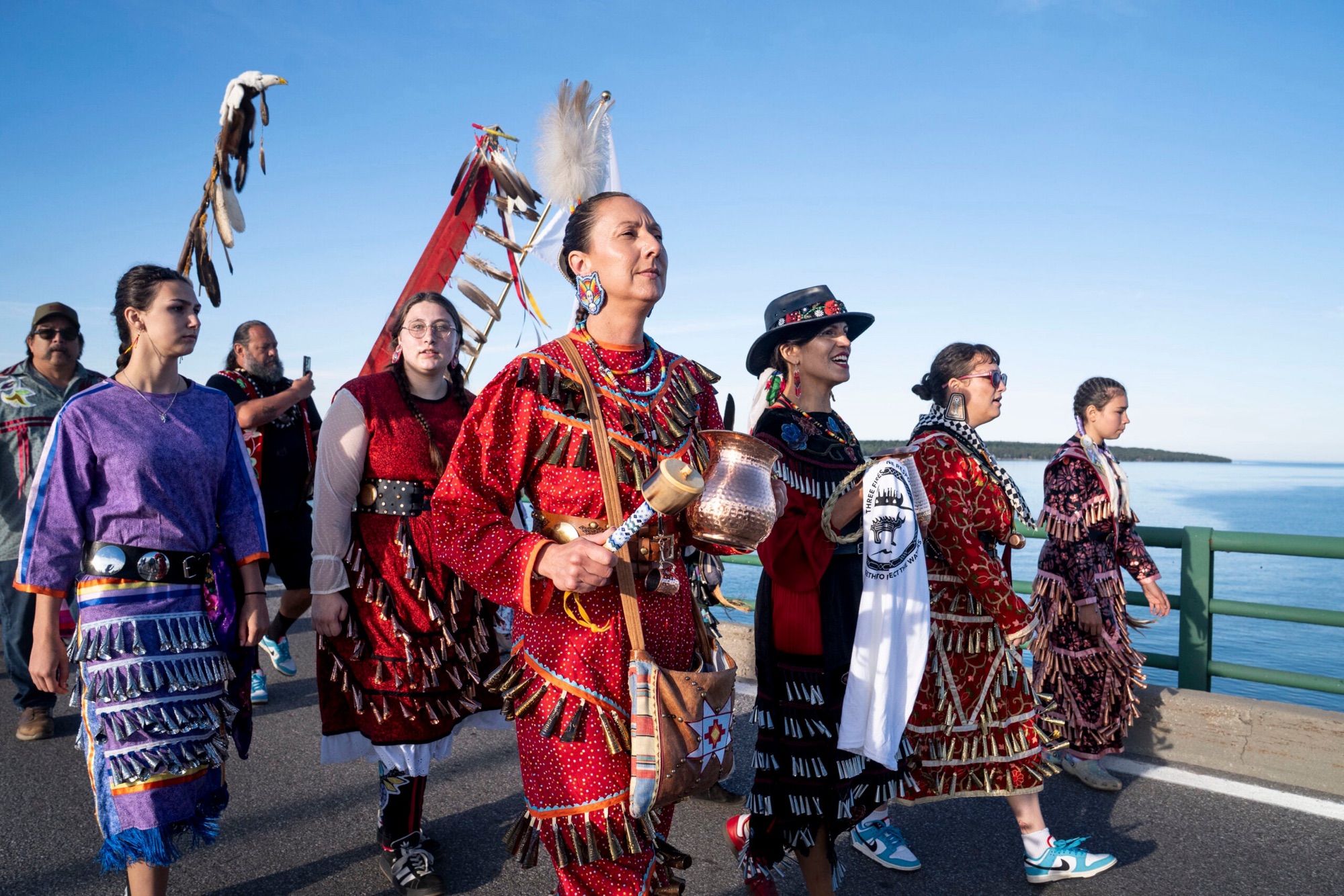
Plus GTB:
Here is the petition from BMIC, Little T, and Sault Tribe.
Plus GTB:
Here are the applications for leave to appeal in In re Application of Enbridge Energy to Replace & Relocate Line 5:
Application for Leave to Appeal
Lower court materials here.

Here is the opinion in In re Application of Enbridge Energy to Replace and Relocate Line 5 [Little Traverse Bay Bands of Odawa Indians v. Michigan Public Service Commission].

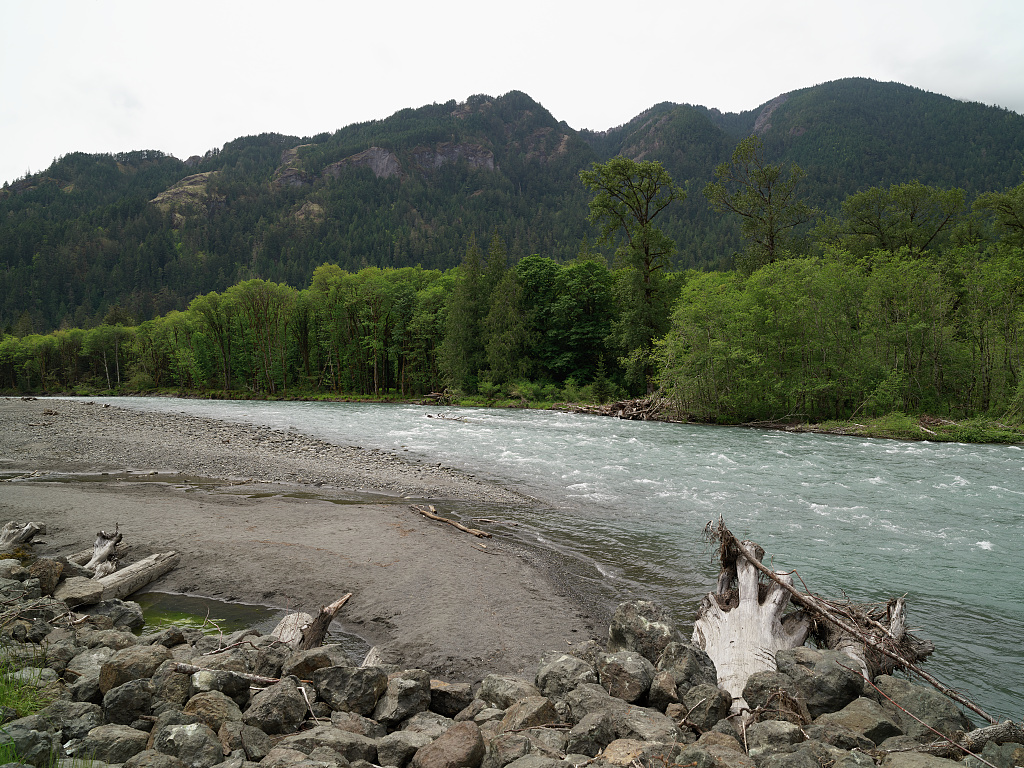
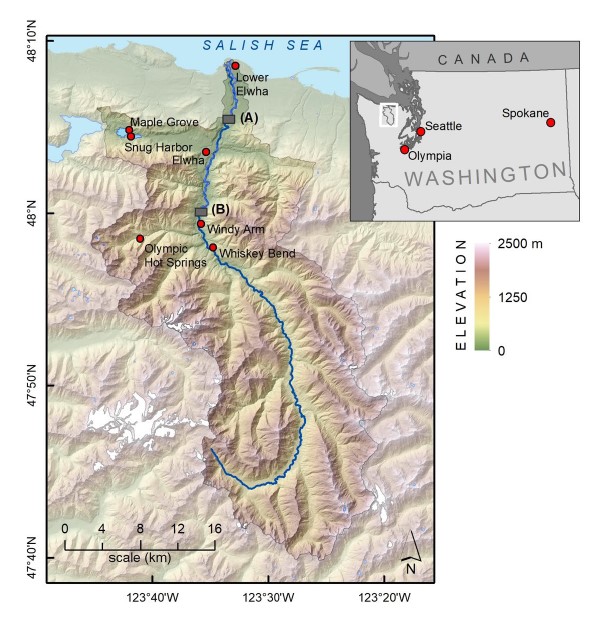
Coleen A. Fox, Nicholas J. Reo, Brett Fessell, and Frank Dituri have published “Native American Tribes and Dam Removal: Restoring the Ottaway, Penobscot and Elwha Rivers.“

The abstract:
Since the early 1900s, more than 1700 dams have been removed from rivers in the United States. Native American Tribes have played a key role in many significant removals, bringing cultural, economic, and legal resources to bear on the process. Their involvement contrasts with the displacement and marginalisation that have historically characterised the relationship between Native Americans and the dams built by settler – colonial governments on their rivers. Our research investigates Tribal involvement in dam removals, with examples from the Ottaway, Penobscot, and Elwha rivers. We ask the following: what roles have Tribes played in successful removals? How do dam removals affect and reflect shifting relations between Tribal governments and non-Tribal actors? Our research finds that Tribal involvement provides opportunities for inserting underacknowledged values and resource claims into dam removal efforts, and that it facilitates new collaborations and alliances. We also find evidence of Tribal involvement affecting the nature and practice of river restoration through dam removal. We conclude that the involvement of Tribes in dam removal contributes to important shifts in environmental politics in the US, and that it also creates opportunities for restorative environmental justice for Native Americans and their rivers.
HIGHLY recommended.

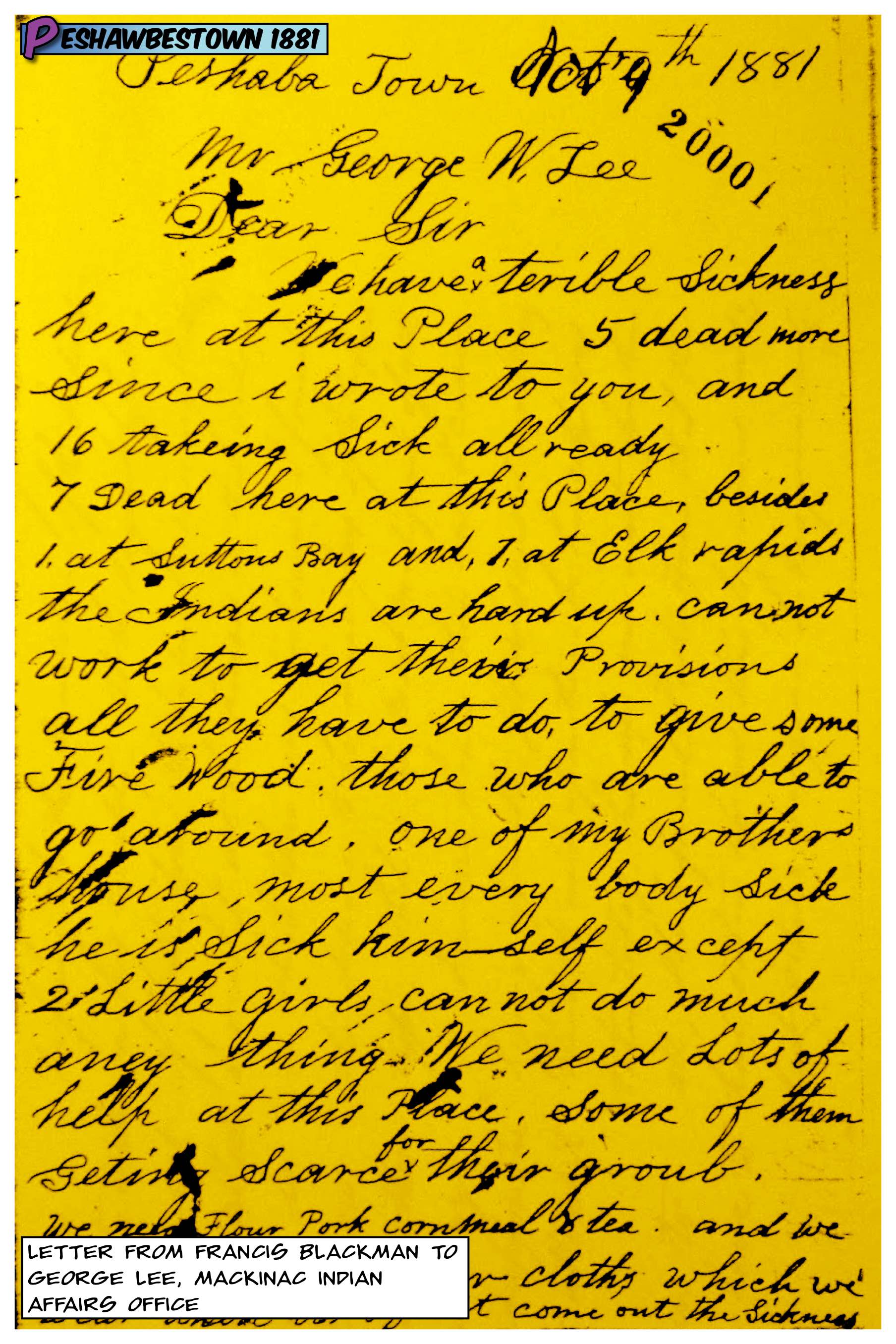
My draft paper, “Pandemics in Indian Country: The Making of the Tribal State,” part of a symposium on John Fabian Witt’s American Contagions book hosted by the St. Thomas Law Journal, is available on SSRN.
The abstract:
This Essay is inspired by the fascinating narrative told by John Fabian Witt theorizing how epidemics make states and how states can also make epidemics. The two stories centered in Peshawbestown, Michigan of the 1881 smallpox outbreak and the 2020-2021 COVID-19 pandemic seems to play into that story. The state (acting through the local and federal government) made the 1881 outbreak fatal, while the epidemic (acting through the tribal and federal government) made the state (in this case, the tribe) in 2020-2021. The story here seems to be one of sovereignty. In the smallpox era, the tribes exercised almost no sovereignty. Now they are practically self-governing; the incredible success of the Grand Traverse Band is a ringing endorsement. The tribe is acting like a capable and responsive government. But I argue there is more going on here. Sovereignty – whether liberal or authoritarian, in Witt’s words – is the first step in the analysis, but not the last. Culture is the second step.
This Essay intends to gently disrupt Professor Witt’s theory by superimposing Anishinaabe political theory on American Contagions. The very notion of sovereignty is foreign to Anishinaabe. Western political theory insists on the power of a sovereign entity to enforce a social contract or else society will collapse. Anishinaabe political theory does not. The difference matters.
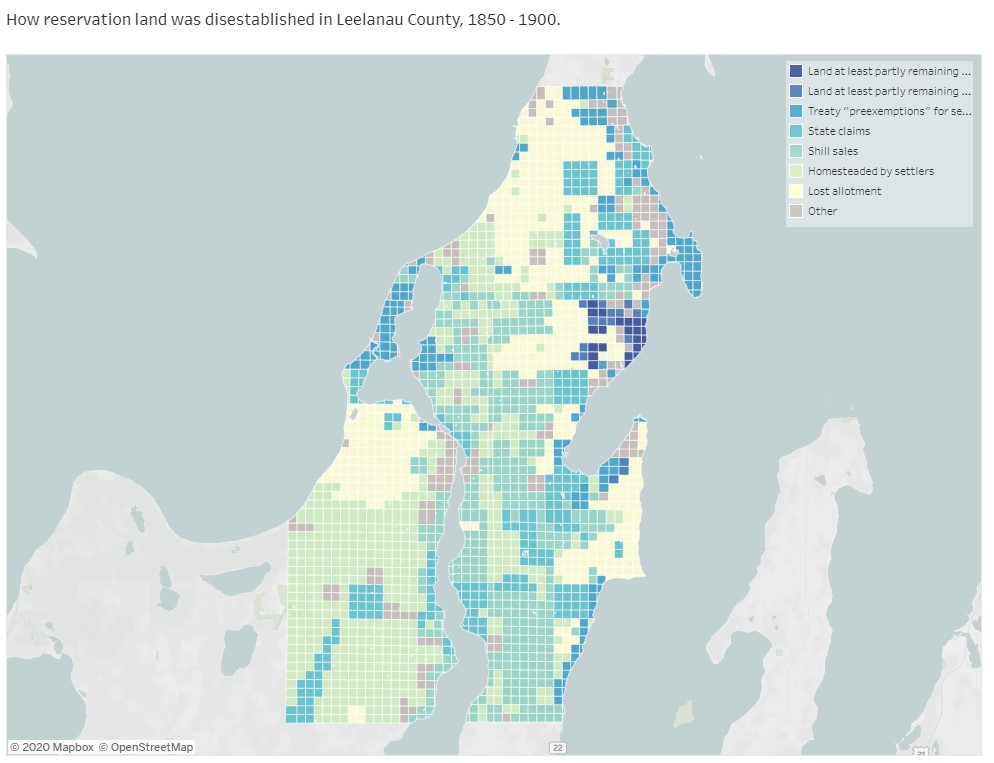
From the Traverse City Record-Eagle, here is “STOLEN: Grand Traverse Band seeks its day in court for theft of reservation lands.“



You must be logged in to post a comment.