Links: Civil Beat article by Rui Kaneya, previous posts
From the docket report: 02/06/2017 869 EP: Confirmation Hearing Re: Settlement held. Settlement approved. Order to be issued. (Court Reporter Debi Read.) (JUDGE LESLIE E. KOBAYASHI)(wnn, )
Links: Civil Beat article by Rui Kaneya, previous posts
From the docket report: 02/06/2017 869 EP: Confirmation Hearing Re: Settlement held. Settlement approved. Order to be issued. (Court Reporter Debi Read.) (JUDGE LESLIE E. KOBAYASHI)(wnn, )
Here:
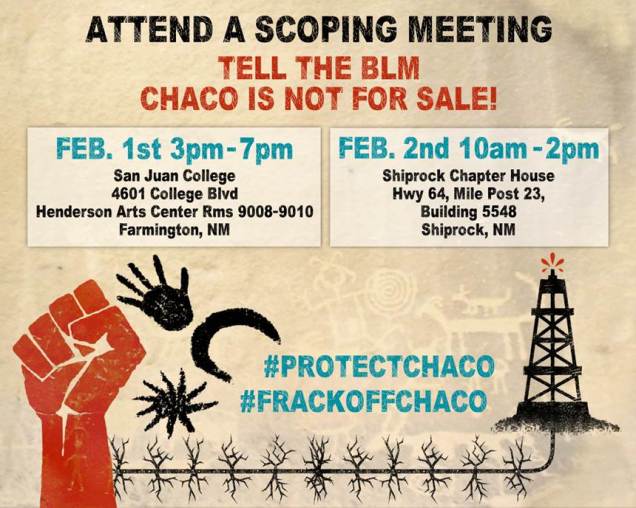
Here.
Here.
The description:
This CLE will provide an overview of select international treaties, agreements and other instruments that have provisions regarding Traditional Knowledge (TK), Genetic Resources (GR), or Traditional Cultural Expressions (TCE).
Primarily in the past 25 years, many such documents have been negotiated, adopted or approved globally and regionally among various nation states, including the United States. TK, GR and TCE generally include those of Indigenous Peoples. Provisions on TK, GR, or TCE are contained in global or multi-national documents addressing, among other subjects: Human Rights, Climate Change, the Environment, Natural Resources, Free Trade, Food, Biological Diversity, Genetics, and Intellectual Property.
Currently, the World Intellectual Property Organization (WIPO), through an Inter-Governmental Committee, is considering a treaty or other instrument on TK, GR, and TCE. The U.S. Patent and Trademark Office likely will be conducting Listening Sessions with American Indian and Alaska Native Tribes in 2017 on the WIPO TK, GR and TCE instrument negotiations. This CLE will help tribal governments and their attorneys and advocates prepare for important discussions at the Listening Sessions.
Here.
Here is the opinion in Walters v. Livingston (Tex. Ct. App.)
Cathay Y.N. Smith has published “Oral Tradition and the Kennewick Man” (PDF) in the Yale Law Journal Forum.
An excerpt:
On the eve of the upcoming repatriation of the Kennewick Man, this Essay focuses on the Ninth Circuit Court of Appeals’ summary rejection of the oral-tradition13 evidence introduced by Native American claimants in Bonnichsen v. United States which, as we now know, was ultimately more reliable than the then-available written historical and scientific records upon which the court relied. Courts disadvantage Native American claimants when they summarily reject oral-tradition evidence and prohibit “a major source of their knowledge, transmitted orally, across time, and in a distinctive style, [from being] meaningfully . . . entered as evidence, with the same consideration as written historical evidence.”14 Furthermore, courts’ inconsistent treatment of oral tradition also results in uncertainty and deprives Native American claimants of clear guidelines on what evidence they should or should not submit to prove their claims. This Essay suggests four factors for courts to consider on a case-by-case basis in the future to evaluate the probative value of oral-tradition evidence. It then proceeds to examine the inconsistent treatment of oral tradition evidence by U.S. courts, and urges courts to employ a balanced approach and adopt the factors offered in this Essay when evaluating Native American oral tradition in legal cases involving Native Americans claimants.
 Turtle Talk
You must be logged in to post a comment.