Update in Begay v Begay

Here:

17 NNOGC Motion for Leave to File Amicus Brief

17-1 NNOGC Amicus Brief

17-2 Exhibits A-D

17-3 Exhibits E-O

17-4 Exhibits P-T

19 Navajo Nation Motion to Intervene

20 Navajo Nation Motion to Dismiss

21 NNOGC-Begay-DKT-0021-000 Defs Response in Opp to Plfs App for TRO and OSC-Filed 7-2-14

21-1 NNOGC-Begay-DKT-0021-001 Exh A-C to Defs Response in Opp to Plfs App for TRO and OSC-Filed 7-2-14

Complaint and motion for TRO posted here.


Complaint Filed re: Control of Navajo Nation Oil & Gas Company — UPDATED

UPDATE — Navajo Nation Judicial Branch press release:

NN Judicial Branch Press Release

And a clean copy of the Navajo Nation Supreme Court decision:

NNSC Opinion

Here are the materials so far in Begay v. Begay (D. Ariz.):

1 Complaint

An excerpt:

This is an action for declaratory and injunctive relief arising out of a Navajo Supreme Court decision that violates due process and vitiates a federally issued and approved corporate charter providing for shareholder governance of a corporation formed under federal law.

1-1 Exhibit

3 Plaintiffs Motion for TRO

3-1 Exhibits [NNSC Opinion in Navajo Nation Oil & Gas Company v. Window Rock District Court begins at page 139]

4 Motion for Order to Show Cause

New Scholarship on Employment Preferences and Statutory Exemptions for Alaska Native Corporations

Gregory S. Fisher & Erin “Faith” Rose have published “Selling Ice in Alaska: Employment Preferences and Statutory Exemptions for Alaska Native Corporations 40 Years After ANCSA” in the Alaska Law Review.

Here is the abstract:

In 1971, Congress enacted the Alaska Native Claims Settlement Act (ANCSA) in order to settle land disputes between Alaska Natives and the federal government. ANCSA established Alaska Native Corporations (ANCs), which were tasked with managing settlement funds to provide for the health, education, and economic welfare of Alaska Natives. To enable the ANCs to promote the interests of their shareholders, Congress exempted ANCs from certain employment restrictions contained in Title VII of the Civil Rights Act, but did not exempt ANCs from other worker-protective legislation. In subsequent decades, courts reviewing the preferential practices of ANCs have often construed these statutory exemptions narrowly, thus exposing ANCs to liability under various anti-discrimination statutes. This Article argues that Congress never intended to subject ANCs to these pieces of worker-protective legislation, despite court holdings to the contrary. The Article proposes two possible solutions to this discrepancy: (1) congressional amendment of ANCSA to clarify and further limit the extent of ANC liability; and (2) judicial adoption of a two-part test which would consider employment policies giving preference to Alaska Native shareholders in light of Congress’s intent to protect such preferences.

Summary and Pictures from Finland, Sacred Sites Conference

I was lucky to be invited to give a keynote presentation at an International Conference titled “Experiencing and Protecting Arctic Sacred Sites and Culturally Important Landscapes – Creating Partnerships with Mutual Respect”. The 3 day event was held at The Saijos Cultural Centre; the Siida Museum, and Saami Educational Institute, Inari, Lapland, Finland. The purpose of the workshop was to launch the multidisciplinary participatory educational research project “Indigenous Peoples’ Sacred and Cultural Sites – Building Partnerships for Safeguarding and Transmitting Unique Arctic Heritage for Future Generations (ISACUS)”.

The participants included elders, scholars, knowledge holders, poets, drum makers, story tellers, politicians, healers, and traditional singers from Saami Land, North America, Siberian tribes, Russian association of Indigenous Peoples, Komi Republic, Canada, Vienna, Germany, and Finland. Issues were addressed during the conference regarding the proposed diamond mine in Utsjoki (near an important Saami sacred site); a proposed mine near Jokkmokk, Sweden, which threatens traditional reindeer grazing grounds; vandalism and desecration at sacred sites in Finland, Canada, North America and Siberia; International Law; and also the revival of Indigenous culture and traditions around the world.

Look for publications as well as more collaborative projects in the future from this group as it works to both raise awareness and encourage collaboration to protect sacred sites in this region. Thanks to the organizers from Arctic Centre, University of Lapland; Arctic Law  Thematic Network; Université de Montréal; Sámi Education Institute; Sámi Museum of Finland for this great event.

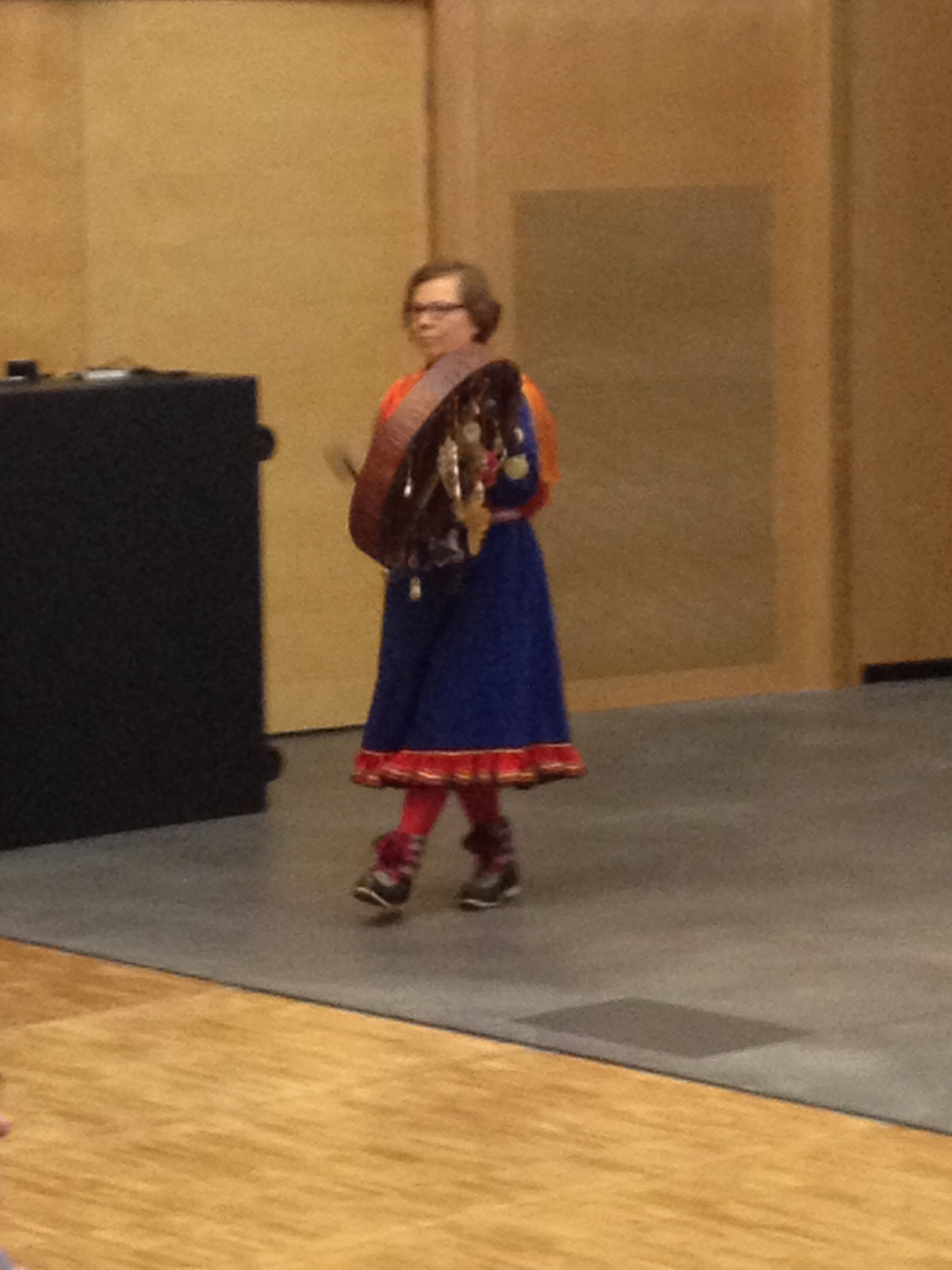
Traditional Saami drum maker playing for us in the opening session.

Fin21


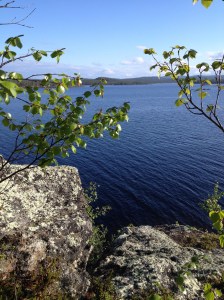
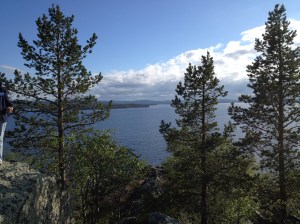
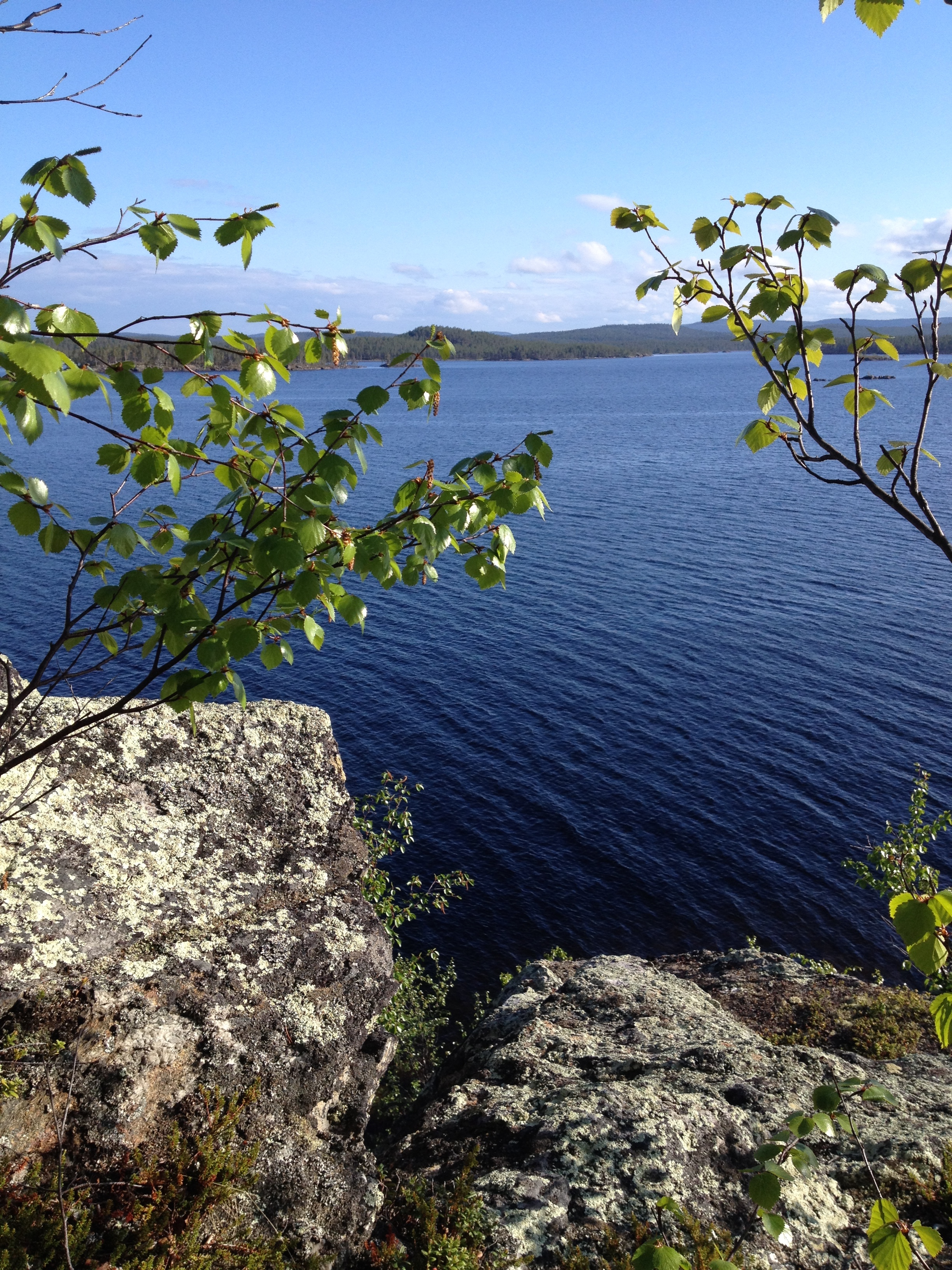
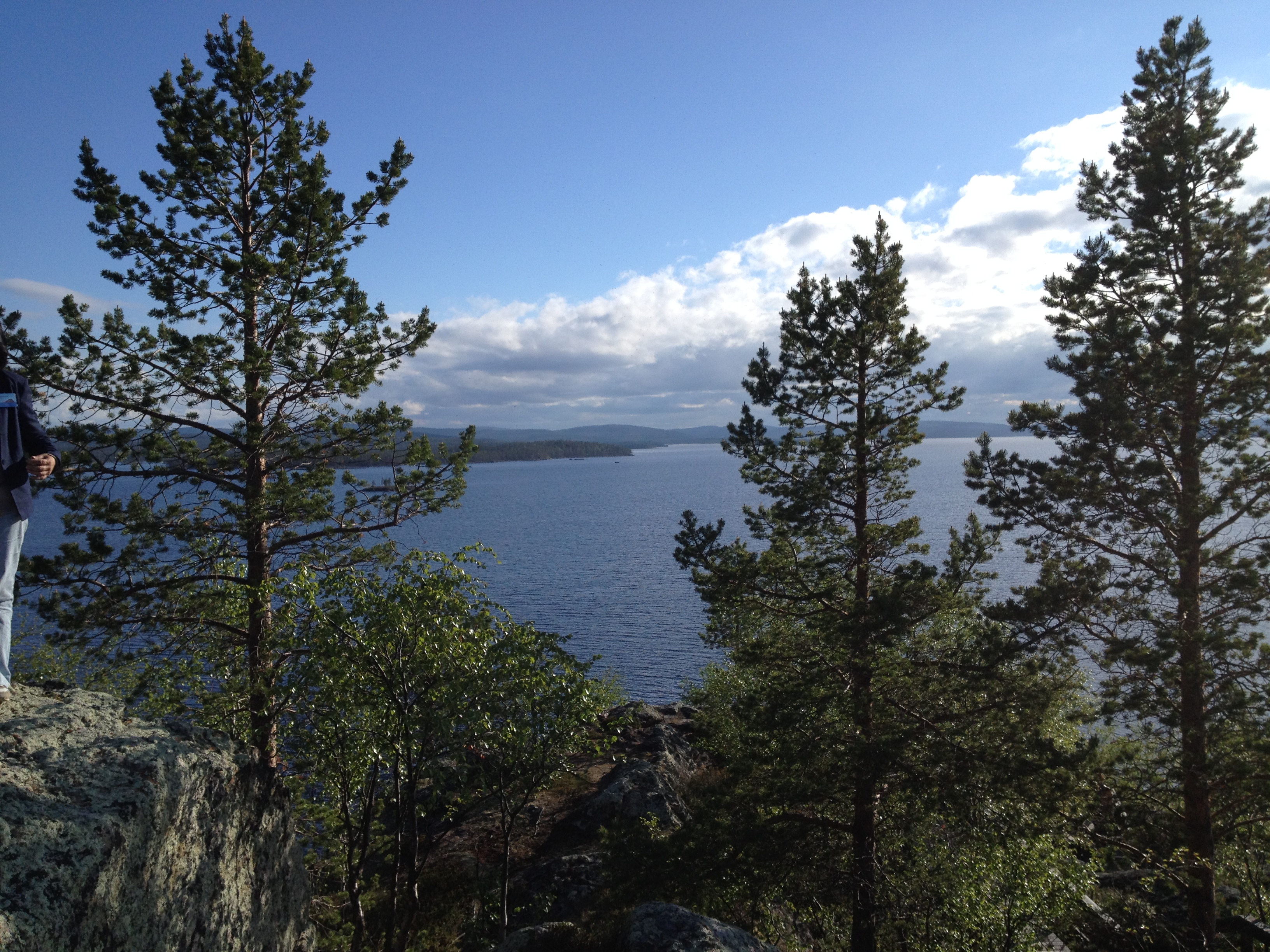
View from one of the sacred islands.


Fin31


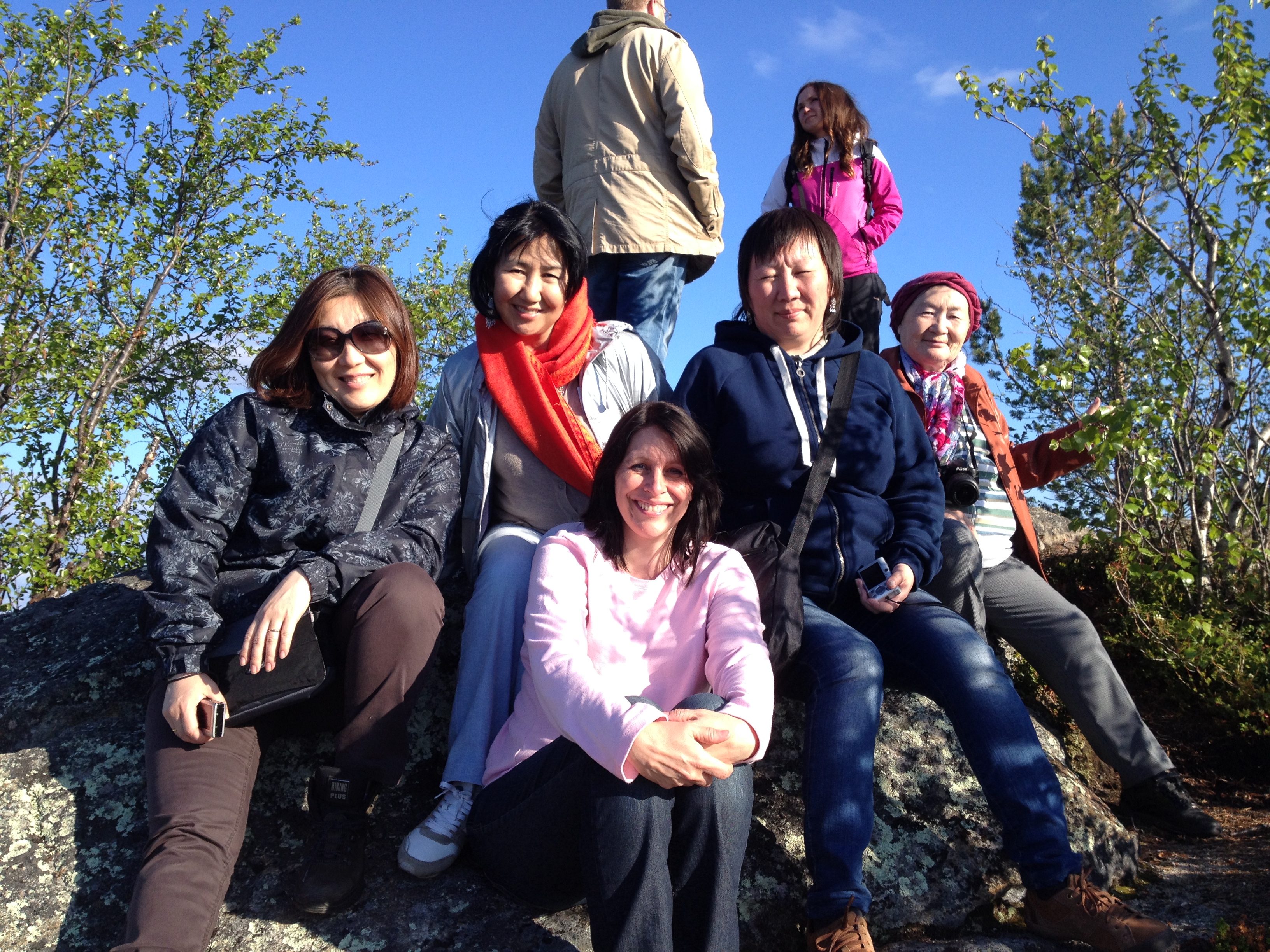
With some of my new friends from Russia.
 

Fin37


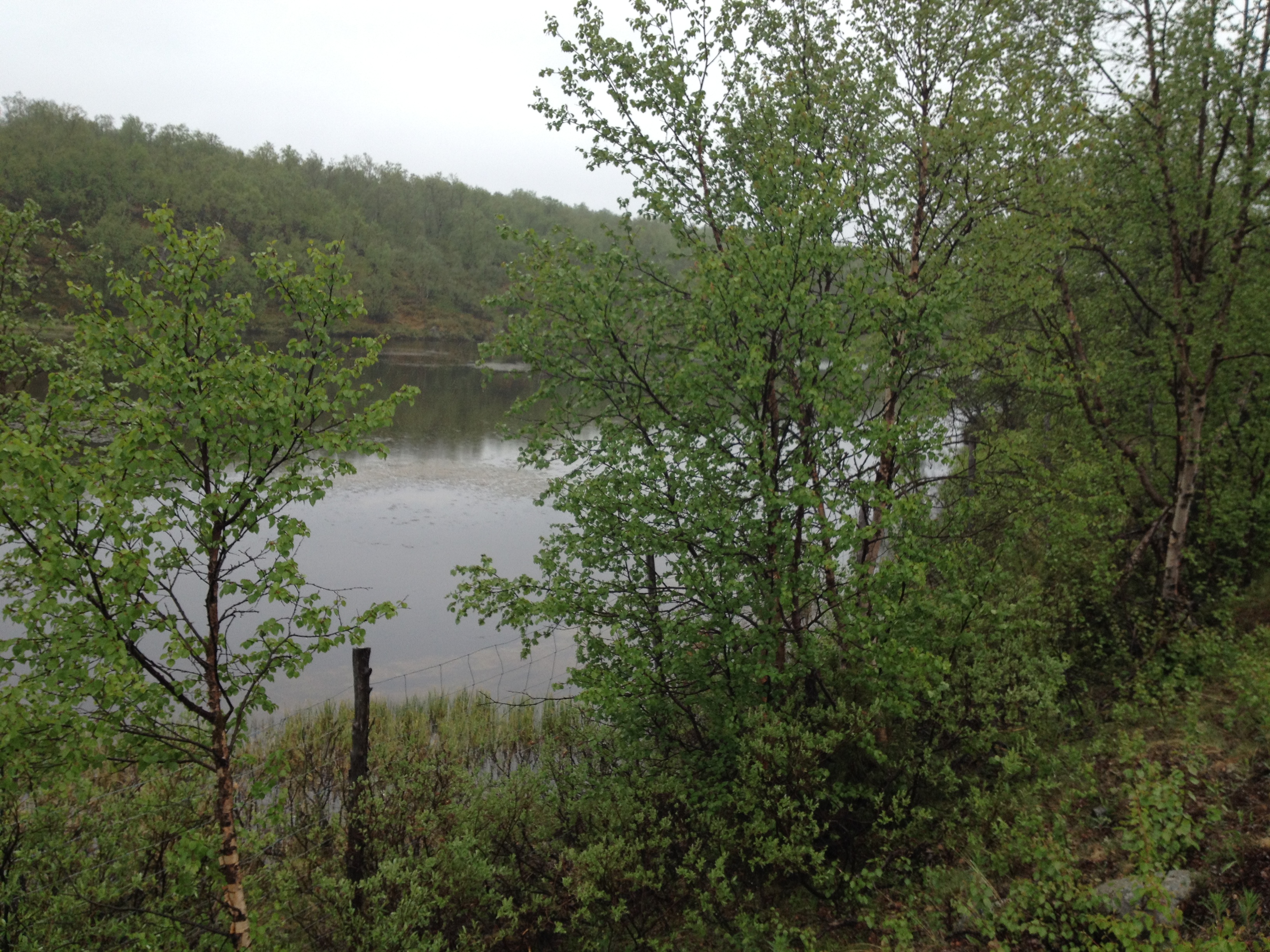
More beautiful views.

Fin34


Demonstrating a traditional yoik (joik).

 

Fin39


A sacred spring that is said to never freeze even in the coldest winter temperatures. Sweetest water I have ever tasted.
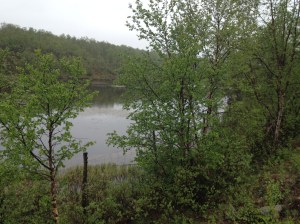
 

Fin41


Young Finnish Saami posing in front of protest art, trying to raise awareness of the fight against mining developments within Saami territory that threaten sacred sites and traditional livelihoods.

 

Fin48


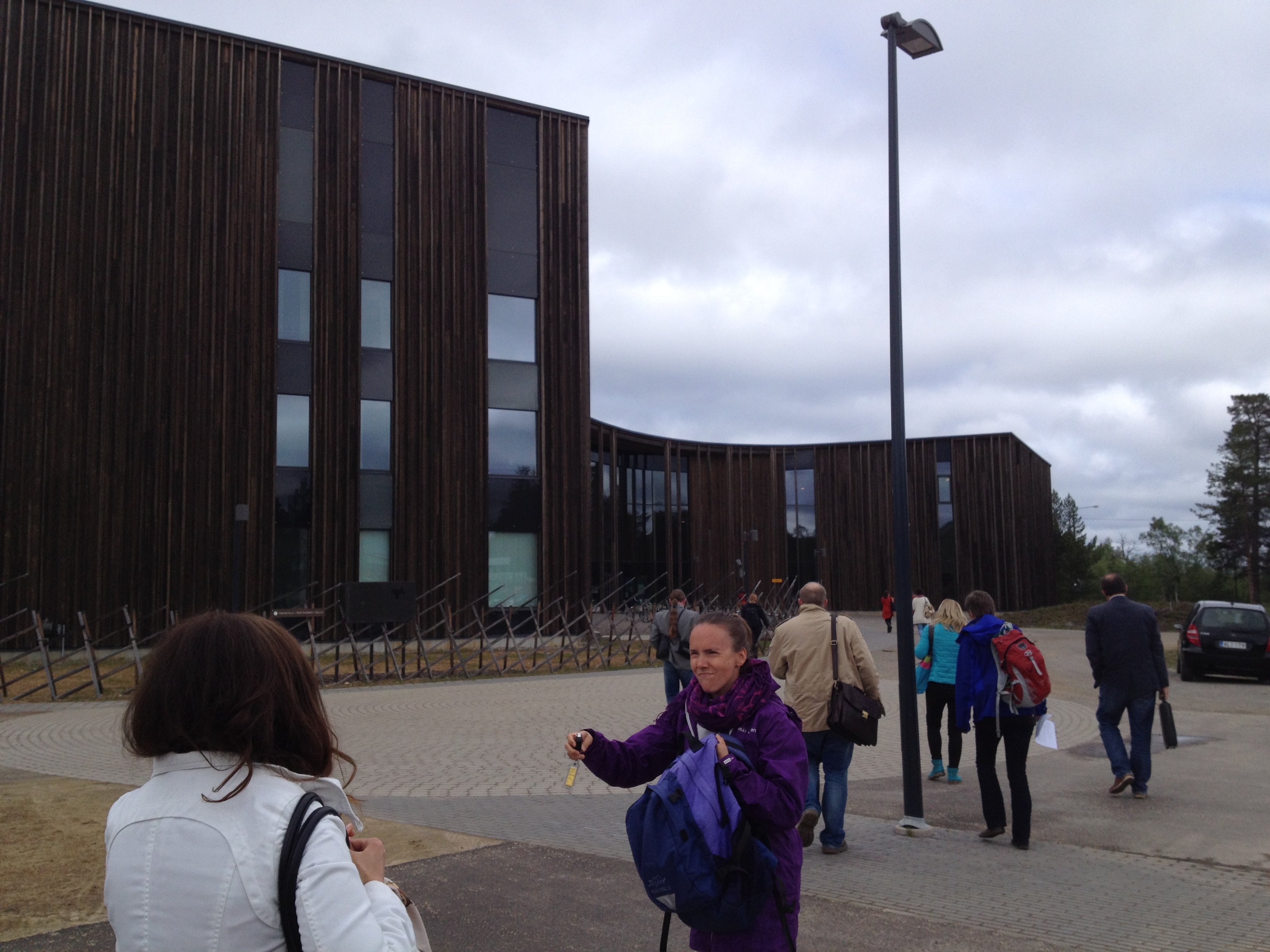
Outside of the Saami parliament building where keynote presentations were given on the first day.
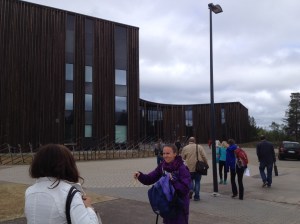
 

Miss pic 1

Article on Maine Fisheries and the Passamaquoddy

Here.

For centuries, the Passamaquoddy people of Maine have faced a violation of their inherent rights as Indigenous Peoples. They have been repeatedly displaced from their original lands by European settlers since the 16th century, eventually limited to their current reservation in eastern Washington County, Maine. Now their fishing rights —an intrinsic part of Passamaquoddy culture and sustenance —are threatened, under the ironic pretext of equal protection for state fishermen. At issue are two pieces of legislation, both in conflict with the Maine Indian Claims Settlement Act and the Maine Implementing Act. The Passamaquoddy refused to comply with LD-451, a law that limited the tribe to issuing just 200 elver licenses in 2013, and this year’s LD-1625, which requires state fishery officials to approve each individual tribal elver license in writing. The tribe has been in discussion with the state since January on ways the Passamaquoddy can maintain its cultural identity throughout the fishing season “because our fishery is based on culture, conservation, and preservation of the eel,” says Passamaquoddy Tribal Councilman Newell Lewey.

Guest Post, Postcript 2014: Indian Country Completely Shut Out of New Markets Tax Credits … Once Again

Guest Post by Gavin Clarkson (an update from last year’s post, here):

For the second time in as many years, NO NATIVE CDEs were selected for an award of New Markets Tax Credits.  Despite strong objections from Native financial leaders, The CDFI Fund once again ignored the stark economic development needs of the Nation’s Tribal Communities and froze Native CDEs out of this important economic development financing program.

The case for a Native Carve Out for NMTCs is stronger than ever.  The time for political action is NOW.  Congress will be considering permanent financing of the NMTC Program as part of the Tax Extenders Act of 2014.  Native political leaders should insist that a central component of permanent financing must be a mandatory Native American NMTC Carve Out.

Continue reading

The Impact of Resource Extraction on Inuit Women and Families in Nunavut

A Report for the Canadian Women’s Foundation was released in January 2014, outlining the impact that resource extraction is having on the Inuit women and families living in Qamani’tuaq, Nunavut. The report contains a literature review and qualitative data as well as a series of recommendations based on the collected data. While much anecdotal information is available about the impact that the extractive industry is having on indigenous peoples around the world, it is nice to see some data that can be used to support anecdotal accounts.

The full report is available here.

The research looked at the following areas:

  • The Work Environment (including issues like sexual harassment and employment opportunities)
  • Material Well-Being/Income
  • Family Relations
  • Addictions
  • Socio-Cultural Concerns

A few excerpts from the report:

Mining is one of the oldest occupations on the planet. It is an industry whose activities, especially in the case of open-pit mining, are very visual. The impacts of these modifications to the landscape also introduce serious environmental risks. It is therefore not surprising that since the early 1970s, a wealth of literature on the topic of mining, extraction industries and sustainable development has been produced. There are far fewer sources that specifically cover the social and gendered impacts of mining—even less that focus explicitly on Indigenous people. Very little material is Inuit-specific. . . .

There is very little evidence in the literature on Indigenous peoples and mining that identifies resource extraction that has been done with thoughtful consultation, support and that has contributed fairly to nearby communities, with little impact on the land, water and people.1

Despite some benefits and exemplary cases,2,3 the majority of sources cite people’s dissatisfaction with the mining process; from discussion, planning, implementation, monitoring, evaluation, to the closure of mines.4,10 The imposition of economic and political structures, Western values and beliefs, displacement, dispossession of lives and culture at considerable social costs are all cornerstones of what many authors describe, in reference to mining and Indigenous peoples, as capitalist and colonial relations.5, 6 Many authors make reference to complicity between the State and extractive industries.1, 10 Although people are identified as having greater access to some degree of income security, the benefits of mining projects are not distributed equally between industry and the people directly affected. 7, 8, 9 Mining projects in the Canadian North have become part of a social and political attitude that can be described as ‘new frontierism’,10 where a great expanse of land and resources are waiting to be discovered and profited from, the benefits of which will ‘trickle down’ to those framed as ‘tragically destitute’. The “anxious”3 arguments for territorial and extractive expansion are reminiscent of a very familiar paternal discourse that associates the Canadian Arctic with Canadian identity and opportunity, in a rhetoric that often leaves out Inuit altogether. ‘The north serves, primarily, “our”—easily understood to mean southern Canadian—interests and aspirations.11 . . . .

The Canadian economy has been, historically, and continues to be focused on resource extraction and development. These activities cannot be viewed without attention to environmental, historical, political, economic and social interconnections. Resource extraction has, and continues to generate considerable controversy and debate among Canadians. Over the past year Canadians have seen 2.5 million rivers and lakes protected by the Navigable Waters Protection Act drop to only 160 with the passing of Omnibus Bill C-45. Proposals for the twinning and expansion of pipelines for the transportation of crude oil across the continent have been moving forward in the presence of oil spills in Alberta and British Columbia and the Lac-Mégantic explosion in Québec. The Alberta tar sands are seen by many to contribute to greenhouse gas emissions and thus global warming; a concern with regard to the environmental and social consequences for Arctic Canada. These developments generate controversy, with some politicians, business people, economists and members of the public focusing on the economic advantages – the contribution of oil sands development to employment and the Canadian economy. The Canadian economy is heavily reliant on the export of resources. In 2010, the energy, forest, agriculture and mining sectors accounted for 60.8% of the country’s exports. Total exports accounted for about 30% the country’s GDP.13 Internationally, countries struggling with poverty increasingly see the export of their mineral wealth as a means for lifting themselves out of poverty and as a way of participating in a globalized capitalist economy.14, 15 Since World War II mining has played an increasingly important critical role in fueling capitalist growth and expansion.14, 16, 17

A growing concern in all economies—increasingly in western European as well as ‘south’ countries—is growing economic inequality and the long-term implications for social well-being and the functioning of civil society. Cheap labour facilitates the accumulation of capital for development.18 The role of resource development in the creation of unequal outcomes and the dispossession of some to the advantage of others is an international concern related to mining and resource development.12 Colonial expansion—internationally—has strong ties to the history of the development of gold and other minerals.19 The history of gold mining—including its recent history—is full of intrigue and controversy. Naylor provides a trenchant portrayal of the recent history of international gold mining, including attention to the technology and environmental implications of the chemicals and processes used to extract gold from ore, and the impact of gold mining on Indigenous peoples.20 Internationally, gold mining continues to generate considerable opposition from Indigenous peoples whose traditional lands – from Papua New Guinea, to Latin America, Australia and Canada—continue to be subject to considerable pressure from the ebb and flow of international desires for ‘glamorous gold’.16

At the same time, there are individuals in the mining industry and companies that are clearly attempting to ‘do things differently’. This is not always possible as mining companies, heavily dependent upon investment and sensitive—as are all corporations—to their share price on Canadian and international stock exchanges, must still live with attention to the ‘bottom line’. Depending on the values, orientation and pressures acting on those responsible for decision- making, the promises made in an impact benefit agreement may get compromised, environmental protection, in an attempt to save money and remain competitive, may be compromised. The pressures operating on management decisions in the mining industry are many. The literature dealing with the social and environmental impacts of mining is overwhelmingly concerned with these realities.

The history of the relationship of Canadians to the Arctic pre-dates confederation and the transfer of lands and resources under the control of the Hudson’s Bay Company and the Arctic islands under the control of Great Britain to the newly formed Canadian state. The colonization of northern lands, peoples and resources proceeds in a fashion that paralleling settlement of eastern and then later, western Canada. Displacement is literally and symbolically critical to capitalist expansion and colonial initiatives.10, 12, 21, 22 Incorporating colonial subjects into developing economies has been a concern related to colonial expansion since the early 1800s. In the Canadian Arctic, Inuit were first employed in the whaling industry. With its collapse just before the First World War, they were integrated into the fox fur trade of the Hudson’s Bay Company. The collapse of the fur trade following the Second World War introduced a period of welfarism with Inuit increasingly dependent for sustenance and survival on the newly-developed liberal welfare state. It was a period where Inuit struggled with an epidemic of tuberculosis, the residential and day schooling of Inuit children, a move from hunting camps to consolidated settlements and, in general, phenomenal social, cultural and economic change. 23

These events had devastating and long-lasting impacts on people’s livelihoods, cultural vitality, self-esteem and both physical and mental health.18, 23 Increasingly, efforts were made to integrate Inuit with the Canadian industrial economy, commencing with employment at the North Rankin Nickel Mine operating on the west coast of Hudson Bay from 1957 to 1962 and the construction of the Distant Early Warning (D.E.W.) Line (1956-57). These efforts are also evident in the development of Nanisivik, a lead-zinc mine developed near the Inuit community of Arctic Bay on the northern tip of Baffin Island. Planning commenced in the early 1970s and the mine operated from 1978 until 2002. It employed around 200 people from neighbouring communities and, along with the Polaris Mine operating on Little Cornwallis Island in the high Arctic, introduced many Inuit to wage employment for the first time.24 Studies have revealed that the long-term or sustainable benefits of these projects for Inuit were few—if any.24 They neither benefited from the infrastructure associated with the mines, nor were investments made in alternative income-generating activities that would sustain Inuit families after the mines were shut down.

Tribal Immunity Panel at Fed Bar 2014

Patrice Kunesh, Bill Wood, Elizabeth Conway, Jenn Weddle

20140411-102404.jpg

Incidentally, Bill Wood’s paper, It Wasn’t An Accident: The Tribal Sovereign Immunity Story, is here.

Reservation Infrastructure Panel at Fed Bar 2014

Patrice Kunesh, Elsie Meeks, Catherine Munson, Bryan Newland, Christine Williams

20140411-085612.jpg

Fed Bar 2014 Energy Panel

Carla Fredericks, Lynn Slade, Pilar Thomas

20140410-140329.jpg