Here:
economic development
Oral Argument Scheduled in Yount v. Jewell — Challenge to Secretarial Withdrawal of Lands Around Grand Canyon on Establishment Grounds
Here is the order in Yount v. Jewell (D. Ariz.):
Washington Counties Refunding Tax Dollars in accordance with Ninth Circuit’s Chehalis Ruling
Federal Court Denies TRO in Begay v. Begay
Update in Begay v Begay
Complaint Filed re: Control of Navajo Nation Oil & Gas Company — UPDATED
UPDATE — Navajo Nation Judicial Branch press release:
NN Judicial Branch Press Release
And a clean copy of the Navajo Nation Supreme Court decision:
Here are the materials so far in Begay v. Begay (D. Ariz.):
An excerpt:
This is an action for declaratory and injunctive relief arising out of a Navajo Supreme Court decision that violates due process and vitiates a federally issued and approved corporate charter providing for shareholder governance of a corporation formed under federal law.
3-1 Exhibits [NNSC Opinion in Navajo Nation Oil & Gas Company v. Window Rock District Court begins at page 139]
New Scholarship on Employment Preferences and Statutory Exemptions for Alaska Native Corporations
Gregory S. Fisher & Erin “Faith” Rose have published “Selling Ice in Alaska: Employment Preferences and Statutory Exemptions for Alaska Native Corporations 40 Years After ANCSA” in the Alaska Law Review.
Here is the abstract:
In 1971, Congress enacted the Alaska Native Claims Settlement Act (ANCSA) in order to settle land disputes between Alaska Natives and the federal government. ANCSA established Alaska Native Corporations (ANCs), which were tasked with managing settlement funds to provide for the health, education, and economic welfare of Alaska Natives. To enable the ANCs to promote the interests of their shareholders, Congress exempted ANCs from certain employment restrictions contained in Title VII of the Civil Rights Act, but did not exempt ANCs from other worker-protective legislation. In subsequent decades, courts reviewing the preferential practices of ANCs have often construed these statutory exemptions narrowly, thus exposing ANCs to liability under various anti-discrimination statutes. This Article argues that Congress never intended to subject ANCs to these pieces of worker-protective legislation, despite court holdings to the contrary. The Article proposes two possible solutions to this discrepancy: (1) congressional amendment of ANCSA to clarify and further limit the extent of ANC liability; and (2) judicial adoption of a two-part test which would consider employment policies giving preference to Alaska Native shareholders in light of Congress’s intent to protect such preferences.
Summary and Pictures from Finland, Sacred Sites Conference
I was lucky to be invited to give a keynote presentation at an International Conference titled “Experiencing and Protecting Arctic Sacred Sites and Culturally Important Landscapes – Creating Partnerships with Mutual Respect”. The 3 day event was held at The Saijos Cultural Centre; the Siida Museum, and Saami Educational Institute, Inari, Lapland, Finland. The purpose of the workshop was to launch the multidisciplinary participatory educational research project “Indigenous Peoples’ Sacred and Cultural Sites – Building Partnerships for Safeguarding and Transmitting Unique Arctic Heritage for Future Generations (ISACUS)”.
The participants included elders, scholars, knowledge holders, poets, drum makers, story tellers, politicians, healers, and traditional singers from Saami Land, North America, Siberian tribes, Russian association of Indigenous Peoples, Komi Republic, Canada, Vienna, Germany, and Finland. Issues were addressed during the conference regarding the proposed diamond mine in Utsjoki (near an important Saami sacred site); a proposed mine near Jokkmokk, Sweden, which threatens traditional reindeer grazing grounds; vandalism and desecration at sacred sites in Finland, Canada, North America and Siberia; International Law; and also the revival of Indigenous culture and traditions around the world.
Look for publications as well as more collaborative projects in the future from this group as it works to both raise awareness and encourage collaboration to protect sacred sites in this region. Thanks to the organizers from Arctic Centre, University of Lapland; Arctic Law Thematic Network; Université de Montréal; Sámi Education Institute; Sámi Museum of Finland for this great event.
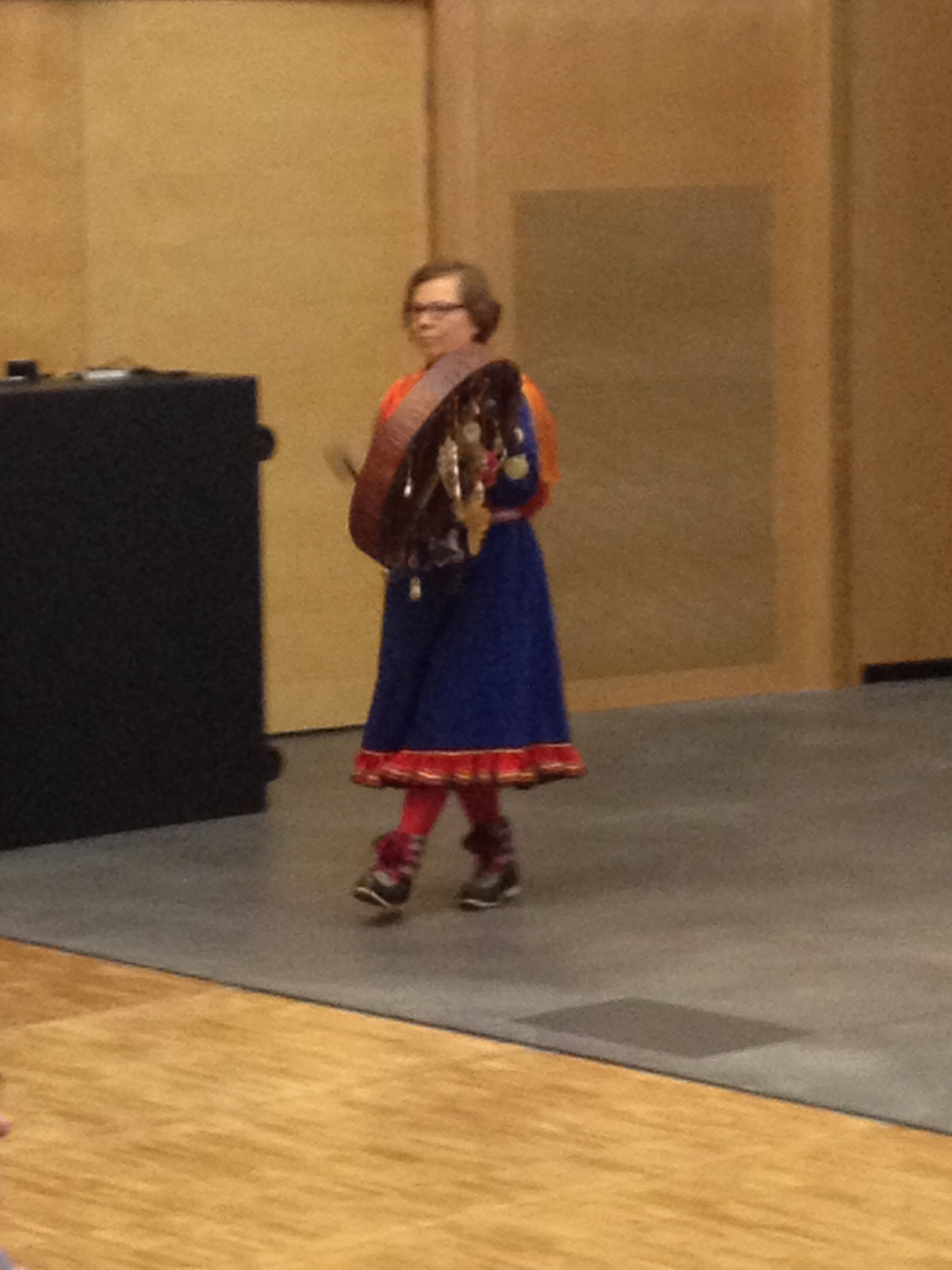
Traditional Saami drum maker playing for us in the opening session.
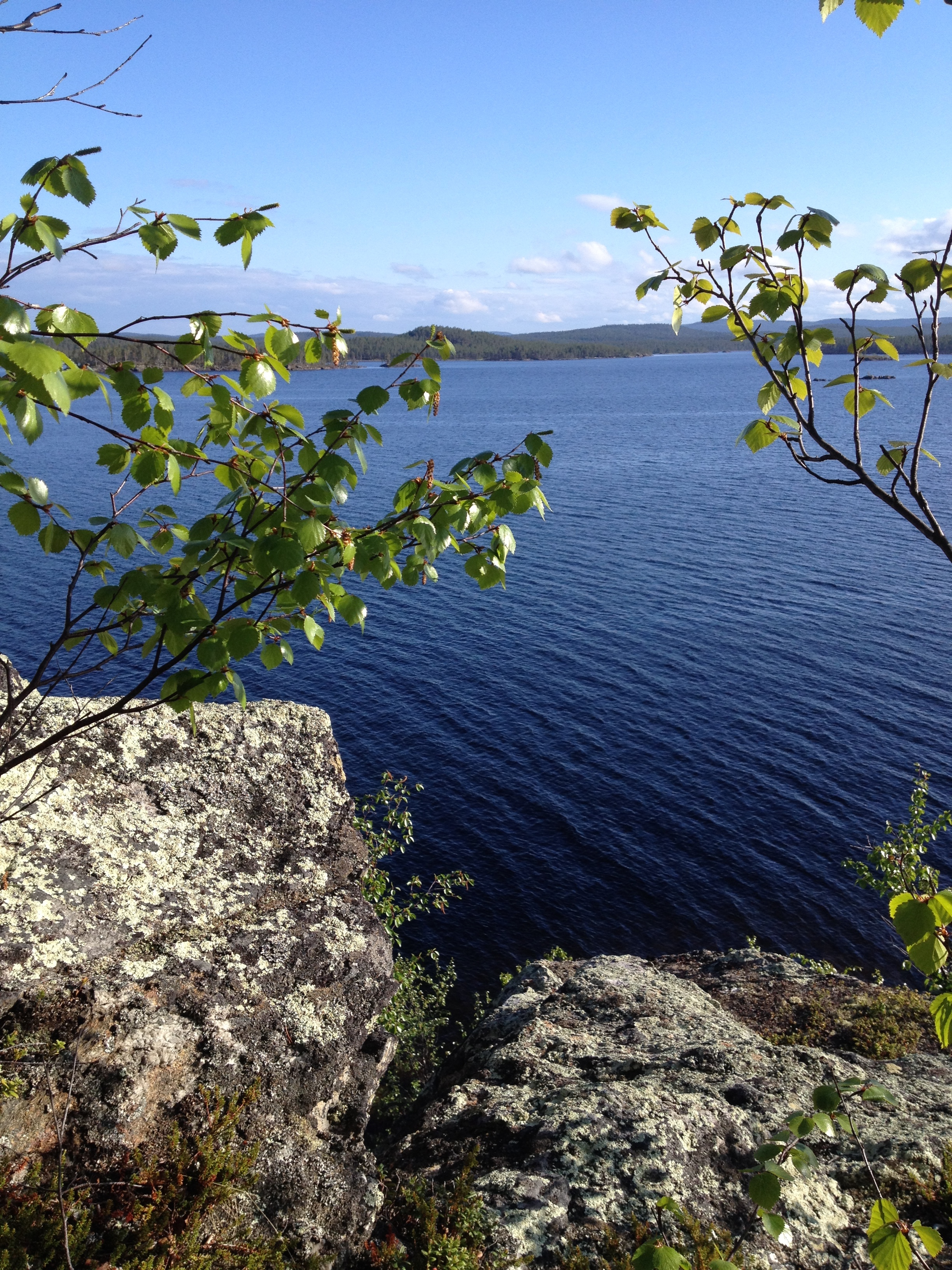
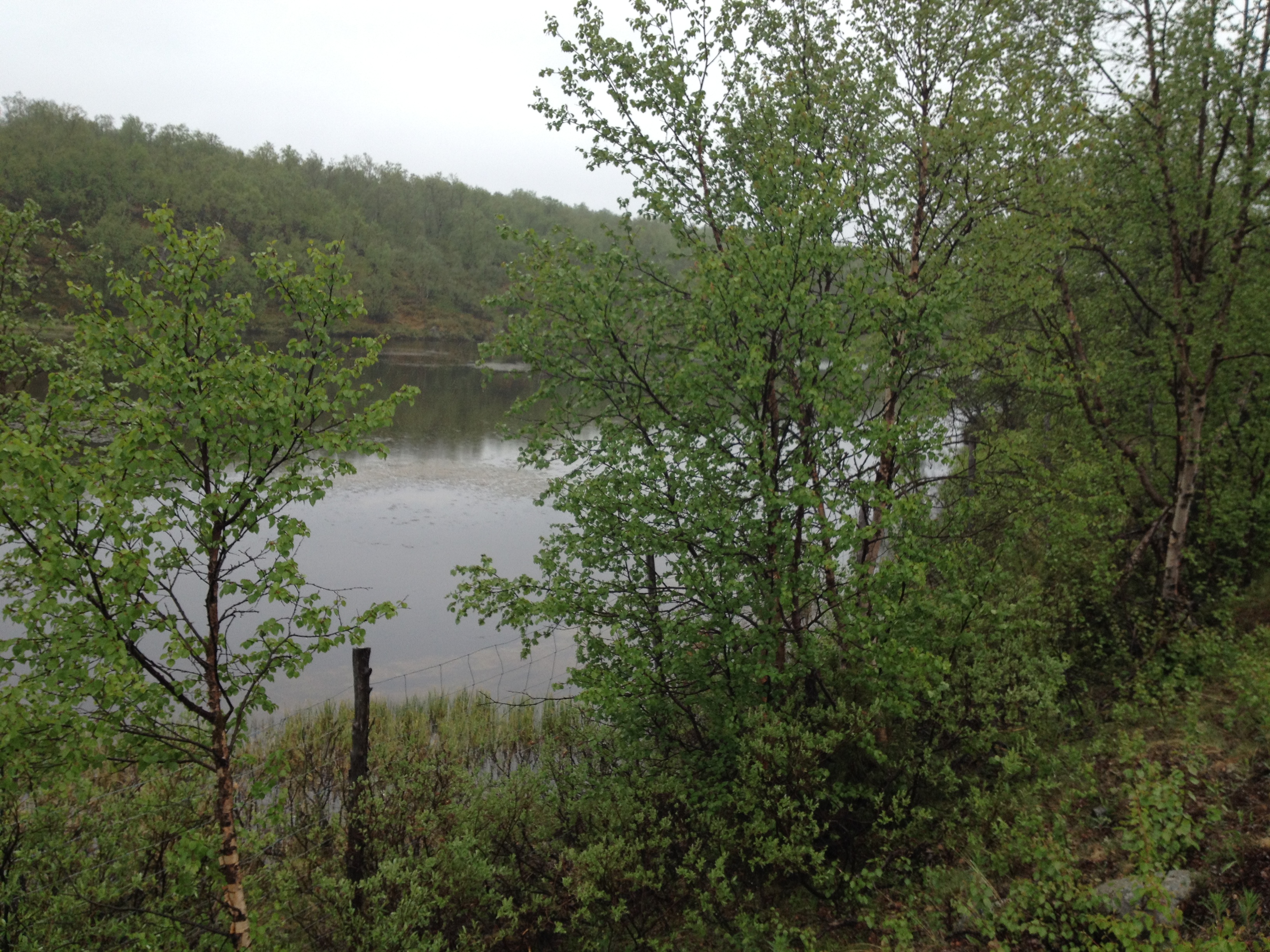
View from one of the sacred islands.
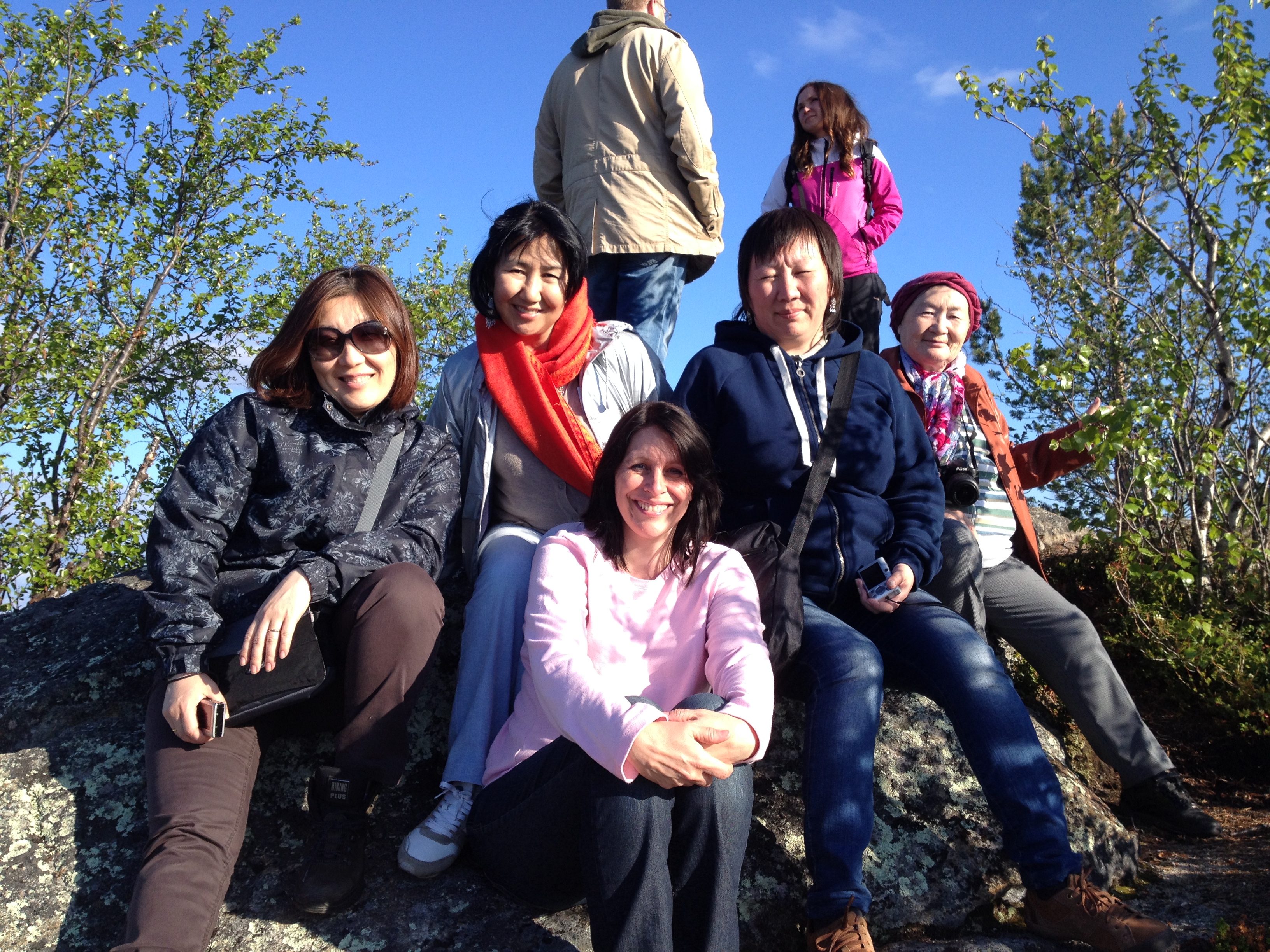
With some of my new friends from Russia.
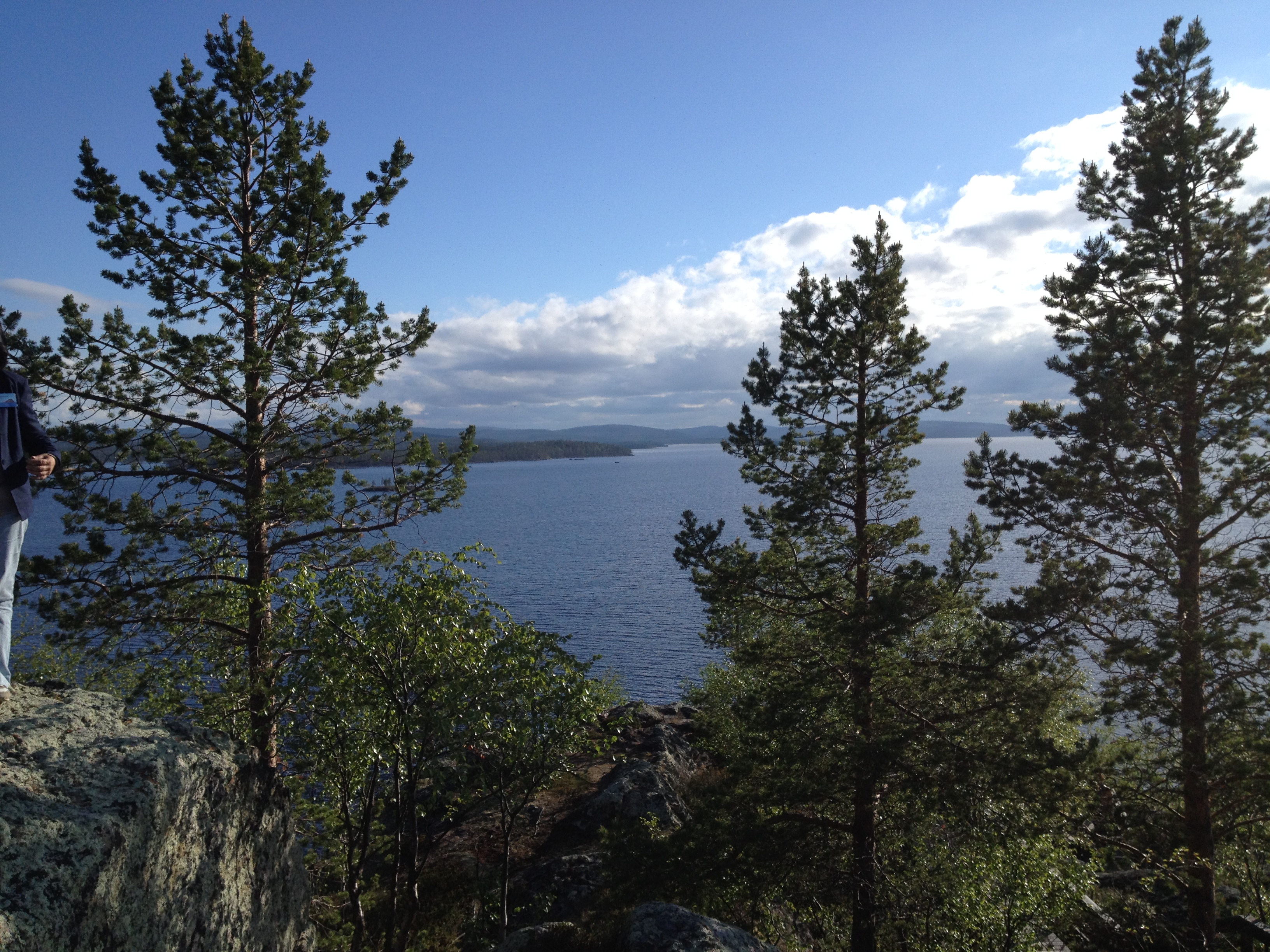
More beautiful views.
Demonstrating a traditional yoik (joik).
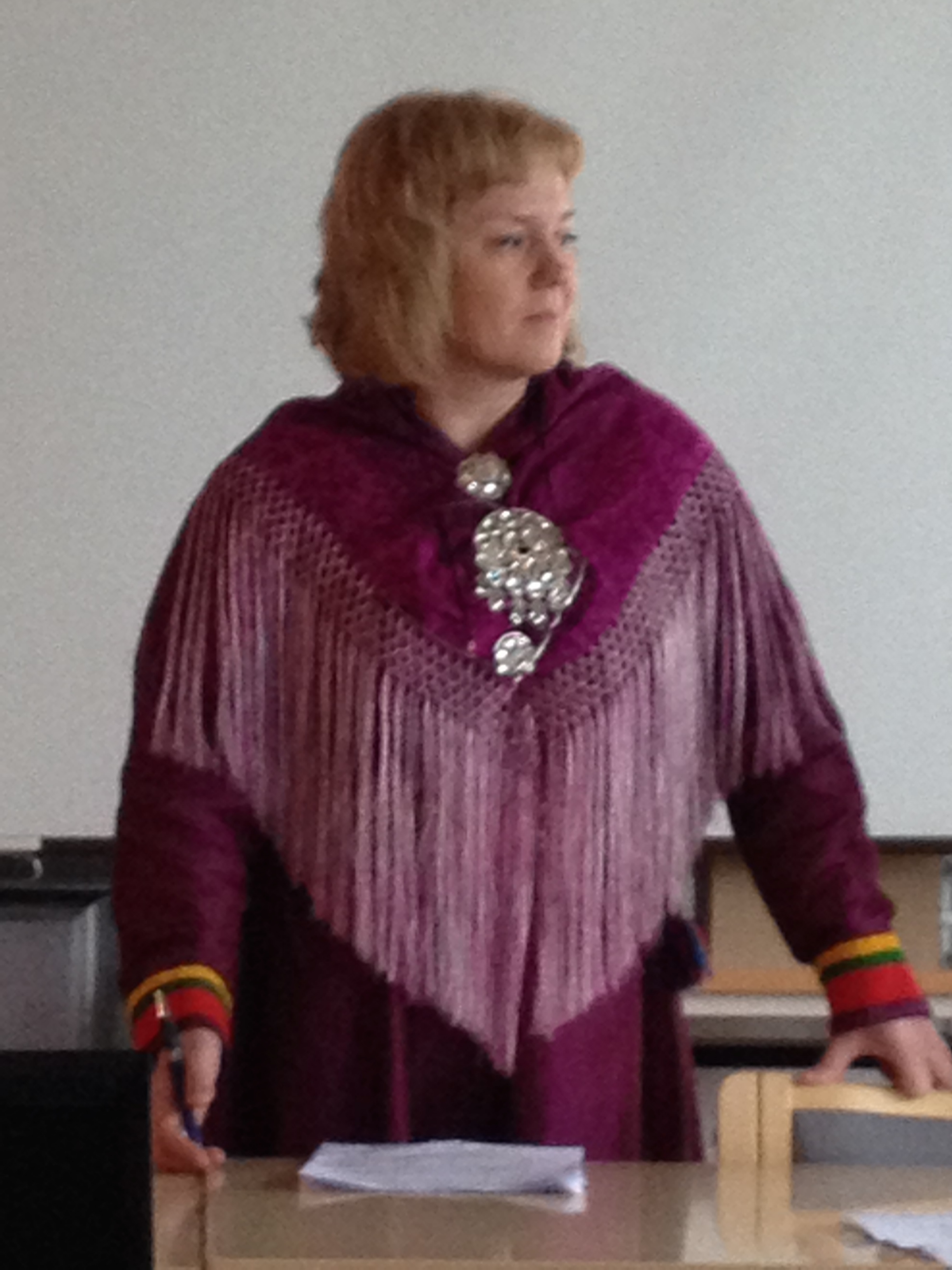
A sacred spring that is said to never freeze even in the coldest winter temperatures. Sweetest water I have ever tasted.
Young Finnish Saami posing in front of protest art, trying to raise awareness of the fight against mining developments within Saami territory that threaten sacred sites and traditional livelihoods.

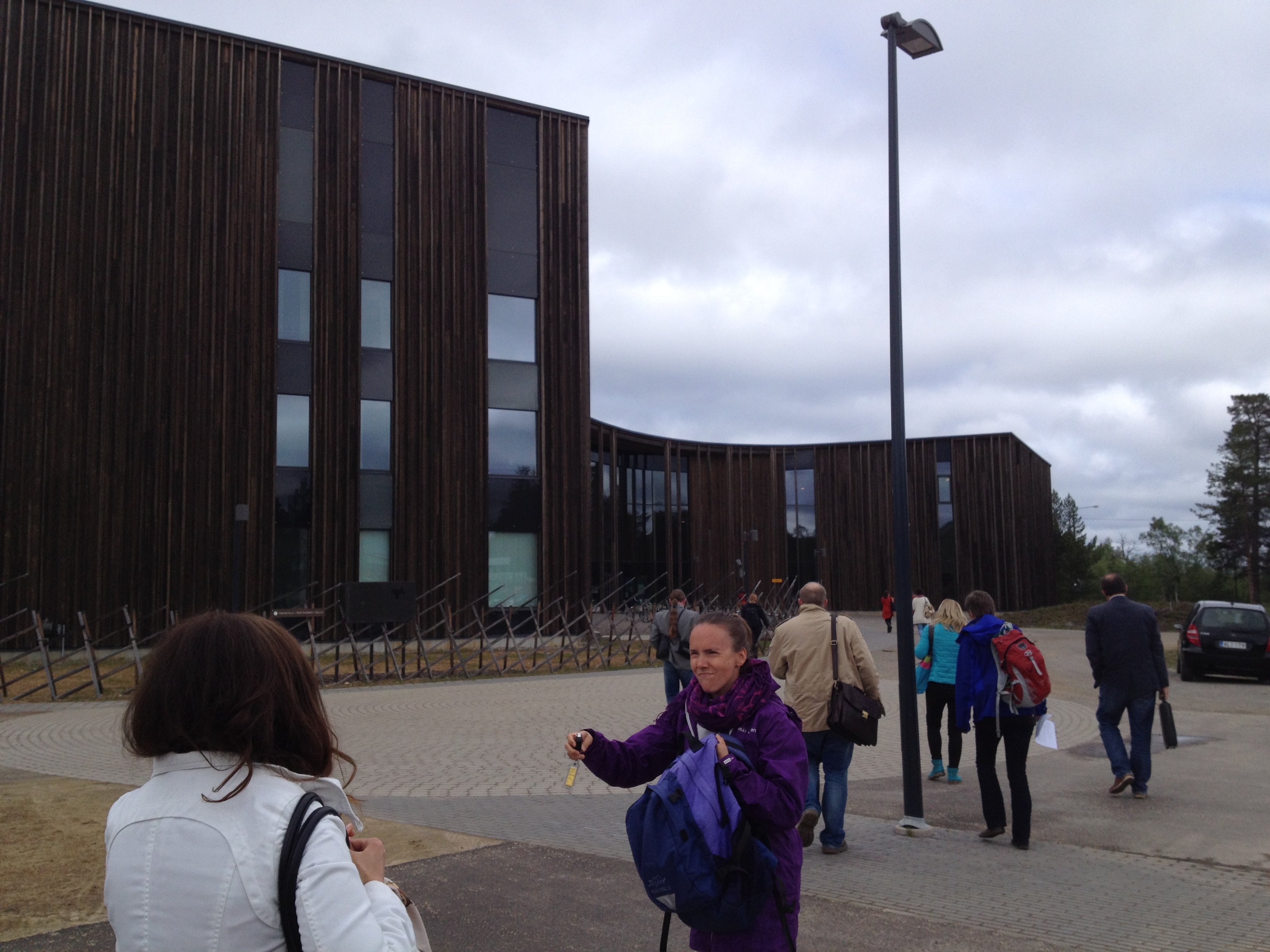
Outside of the Saami parliament building where keynote presentations were given on the first day.
Article on Maine Fisheries and the Passamaquoddy
Here.
For centuries, the Passamaquoddy people of Maine have faced a violation of their inherent rights as Indigenous Peoples. They have been repeatedly displaced from their original lands by European settlers since the 16th century, eventually limited to their current reservation in eastern Washington County, Maine. Now their fishing rights —an intrinsic part of Passamaquoddy culture and sustenance —are threatened, under the ironic pretext of equal protection for state fishermen. At issue are two pieces of legislation, both in conflict with the Maine Indian Claims Settlement Act and the Maine Implementing Act. The Passamaquoddy refused to comply with LD-451, a law that limited the tribe to issuing just 200 elver licenses in 2013, and this year’s LD-1625, which requires state fishery officials to approve each individual tribal elver license in writing. The tribe has been in discussion with the state since January on ways the Passamaquoddy can maintain its cultural identity throughout the fishing season “because our fishery is based on culture, conservation, and preservation of the eel,” says Passamaquoddy Tribal Councilman Newell Lewey.
Guest Post, Postcript 2014: Indian Country Completely Shut Out of New Markets Tax Credits … Once Again
Guest Post by Gavin Clarkson (an update from last year’s post, here):
For the second time in as many years, NO NATIVE CDEs were selected for an award of New Markets Tax Credits. Despite strong objections from Native financial leaders, The CDFI Fund once again ignored the stark economic development needs of the Nation’s Tribal Communities and froze Native CDEs out of this important economic development financing program.
The case for a Native Carve Out for NMTCs is stronger than ever. The time for political action is NOW. Congress will be considering permanent financing of the NMTC Program as part of the Tax Extenders Act of 2014. Native political leaders should insist that a central component of permanent financing must be a mandatory Native American NMTC Carve Out.
 Turtle Talk
You must be logged in to post a comment.