Here is the brief in City of Tacoma v. State of Washington Department of Ecology:

Here is the brief in City of Tacoma v. State of Washington Department of Ecology:
Elizabeth Ann Kronk Warner has posted “Sovereignty Over Box Checking: Effective Tribal Consultation Leading to Consent,” forthcoming in the Florida State University Law Review, on SSRN.
Here is the abstract:
In light of the federal government’s willingness to consider new methods of tribal consultation, this article builds on previous scholarly work by arguing that the goal of tribal consultation should be consent. This conclusion is buttressed by tribal treaty language, the federal trust relationship, and the dictates of the FPIC requirement. The federal government should adopt language suggesting that consent is the goal unless not legally possible. Federal officials must be educated on tribal sovereignty, treaties, and the federal trust relationship. Consultation must begin as soon as possible in the decision-making process. Tribes should be engaged to better understand how they wish to participate in consultation. Federal officials must collaborate with their tribal counterparts in a bilateral, respectful way. And, in addition to the federal government, it may also be in the best interest of third parties, such as corporations, to assist tribes and the federal government in finding effective and meaningful consultation, as failure to do so could prove costly. Incorporating these recommendations will hopefully move us away from the broken status quo toward meaningful, legal consultations leading to consent in most instances – promoting tribal sovereignty over box-checking.

M. Alexander Pearl has published “Green Colonialism: Sidelined While on the Front Lines” in the Case Western Reserve Journal of International Law.
An excerpt:
Environmental law and policy in the United States has historically ignored Native Nations as stakeholders or rights holders, thereby sidelining those Nations and forcing them to function as protestors rather than participants. This is a foundational error that tarnishes the otherwise well-intended policy underlying environmental protection of any sort. Both the international community and international rights associated with climate change must avoid these early missteps. There are additional benefits to treating Indigenous peoples as more than simply interest groups. In so many ways, Indigenous peoples represent the drivers and implementers of policy and contribute invaluable traditional ecological knowledge in understanding the interdependency and interconnectedness of the environment and communities. Across the globe, Indigenous peoples are on the front lines suffering from the effects of climate change, and they should have the opportunity to take a leading role in developing and protecting the newly identified U.N. Right to a Healthy Environment.

Here are the new materials in Grand Traverse Band of Ottawa and Chippewa Indians v. Burnette Foods Inc. (W.D. Mich.):
Complaint is here.

Here is the complaint in United States v. Crowley Marine Services Inc. (W.D. Wash.):

John Beaty has published “The Impact of the Inflation Reduction Act on Energy Justice and Green Energy Development in Indian Country” in the LSU Journal of Energy Law and Resources. PDF
Here is the abstract:
In the past two decades, many American Indian Tribes have been experimenting with generating power from renewable sources on reservations. The growth of tribal green energy is a positive step towards energy justice, but current projects are hampered by insufficient funding, jurisdictional confusion, lack of needed infrastructure, and a baroque permitting process that leaves necessary projects languishing. The recent omnibus spending bill, the Inflation Reduction Act (IRA) was trumped by Congress as the largest investment into tribal green energy ever. This Article critically analyzes the impact of the IRA on tribal energy. While the IRA represents a necessary move towards a more effective funding structure for tribal energy projects, it failed to address other barriers to tribal green energy development. The Article concludes by proposing steps Congress, States, and Tribes can take to improve upon the IRA.

Here are the materials in Sierra Club v. Dept. of Transportation:

Bethany R. Berger has published “Intertribal: The Unheralded Element in Indigenous Wildlife Sovereignty” in the Harvard Environmental Law Review.
Here is the abstract:
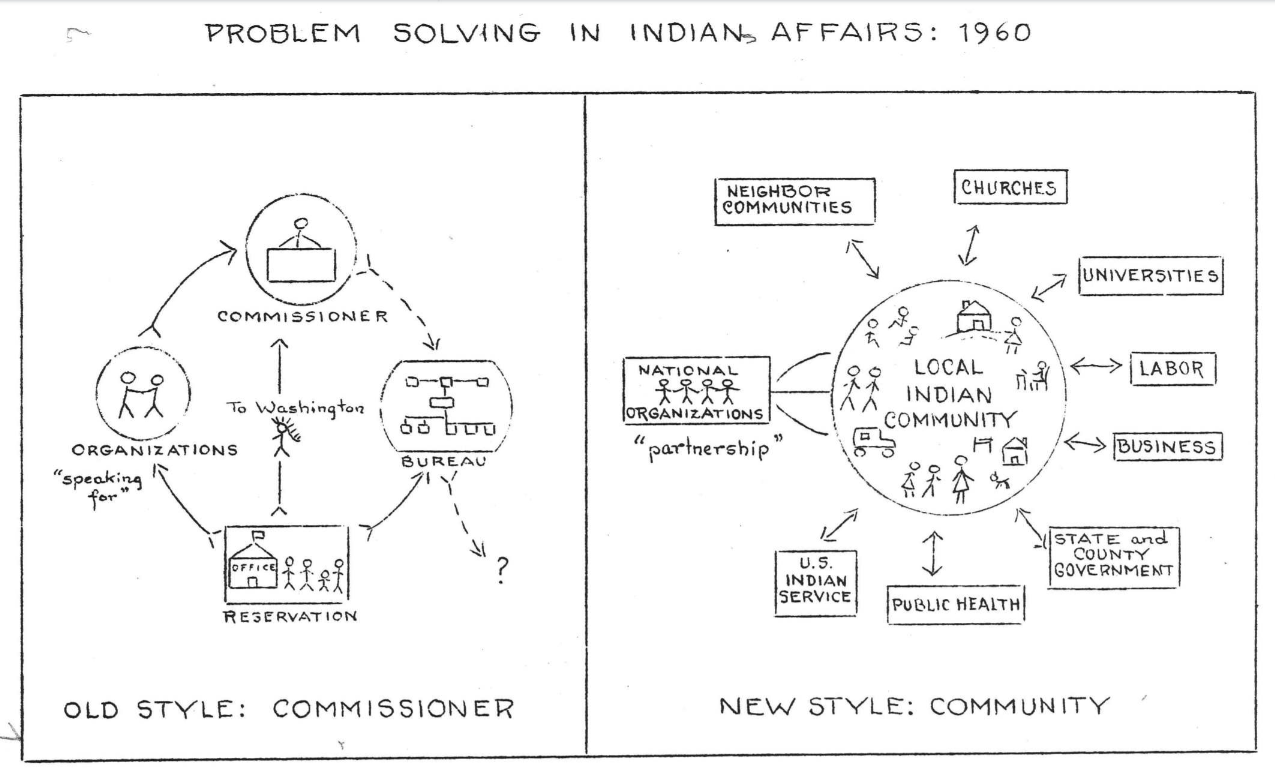
Intertribal organizations are a powerful and unheralded element behind recent gains in Indigenous wildlife sovereignty. Key to winning and implementing judicial and political victories, they have also helped tribal nations become powerful voices in wildlife and habitat conservation. Through case studies of these organizations and their impact, this Article shows why intertribal wildlife organizations are necessary and influential, and how the intertribal form reflects a distinct relational approach to wildlife governance. As the first article focused on the intertribal form, moreover, the Article also identifies an unexamined actor in tribal sovereignty and legal change.
Highly recommended!


 Turtle Talk
You must be logged in to post a comment.