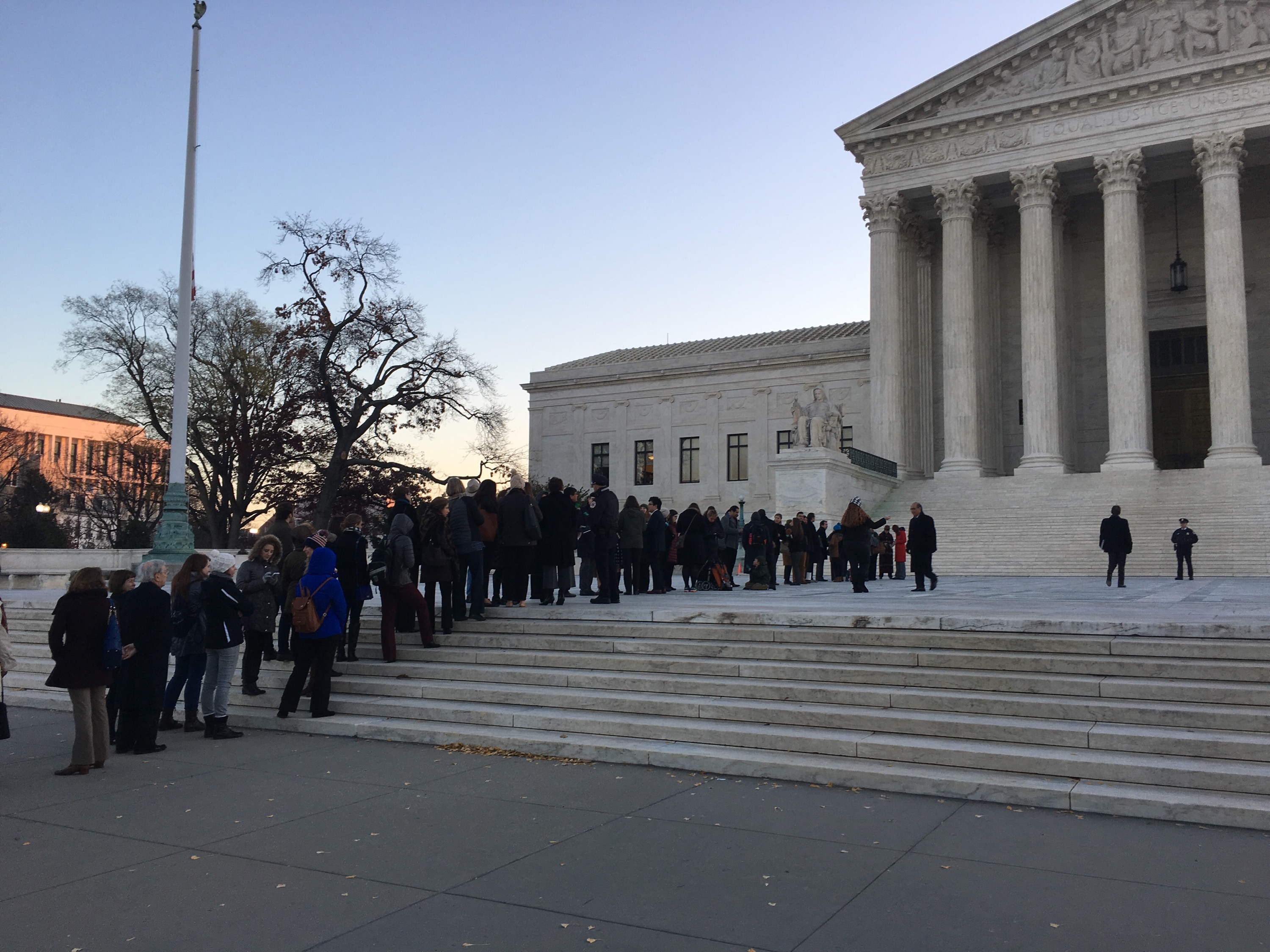

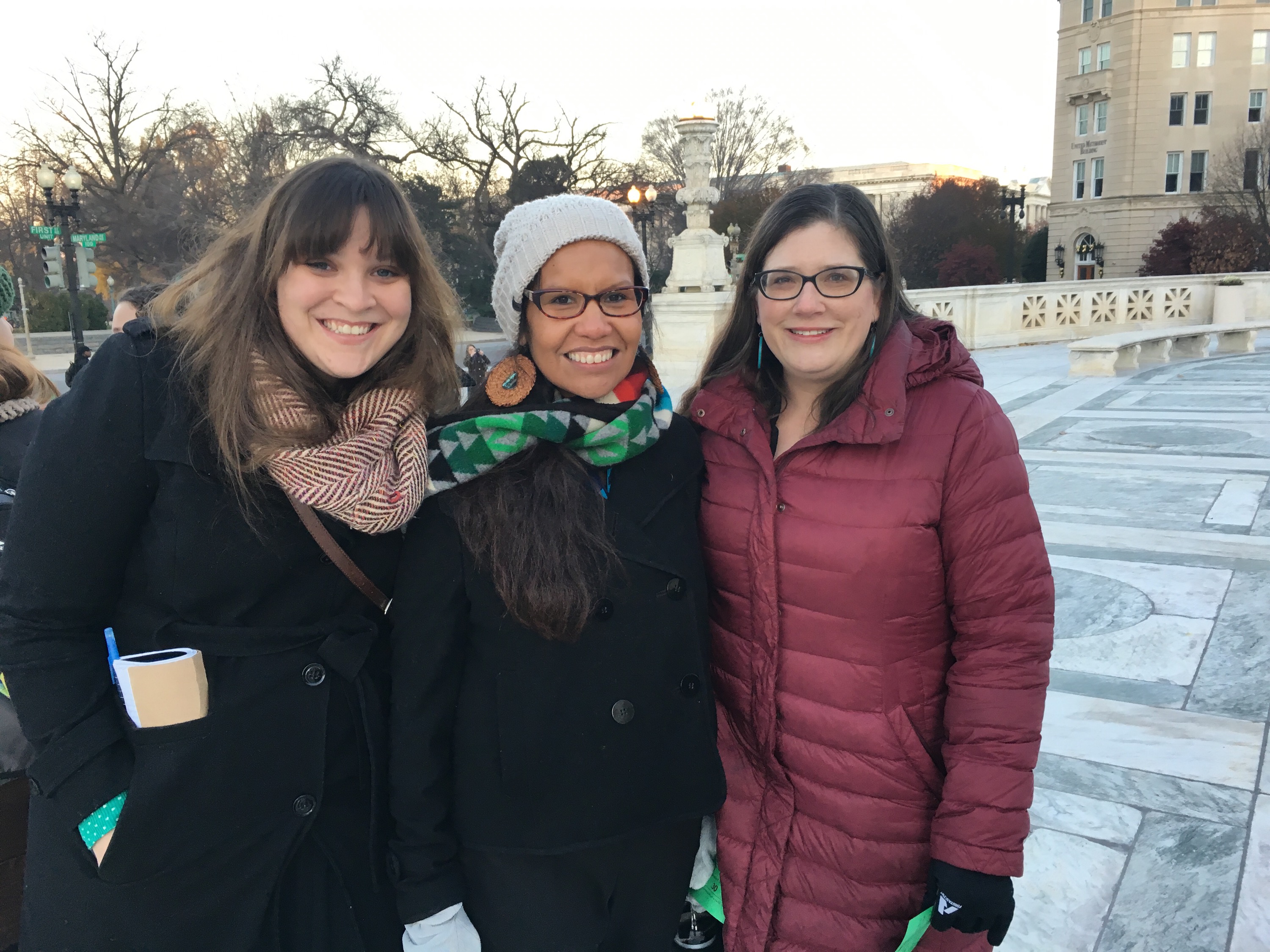
More SCOTUS Pics
Here is the pleading in United States v. Buchanan (W.D. Mich.):
From the GTB press release:
November 24, 2015, Peshawbestown, Michigan. On November 23, 2015, the United States filed a “Felony Information” against the former Information Technology Director of GTB, Michael Buchanan, alleging embezzlement from an Indian tribal organization, 18 U.S.C. 1163. The Felony Information is the result of extensive investigatory work by GTB’s Police Department in cooperation with the FBI. GTB anticipates that Mr. Buchanan will be arraigned on Monday at 2:00 p.m. in the Federal District Court in Grand Rapids, Michigan. The alleged scope of GTB’s loss is extensive, $233,176.12, which is the value of computer equipment purchased by Mr. Buchanan and resold to third parties over the time period 2008-2012. GTB anticipates that Mr. Buchanan will not contest the charges. Further information will be provided after the arraignment and further criminal court proceedings.
Judge Petoskey, Judge Connors, Chief Justice Young, and Justice McCormack

Spartans
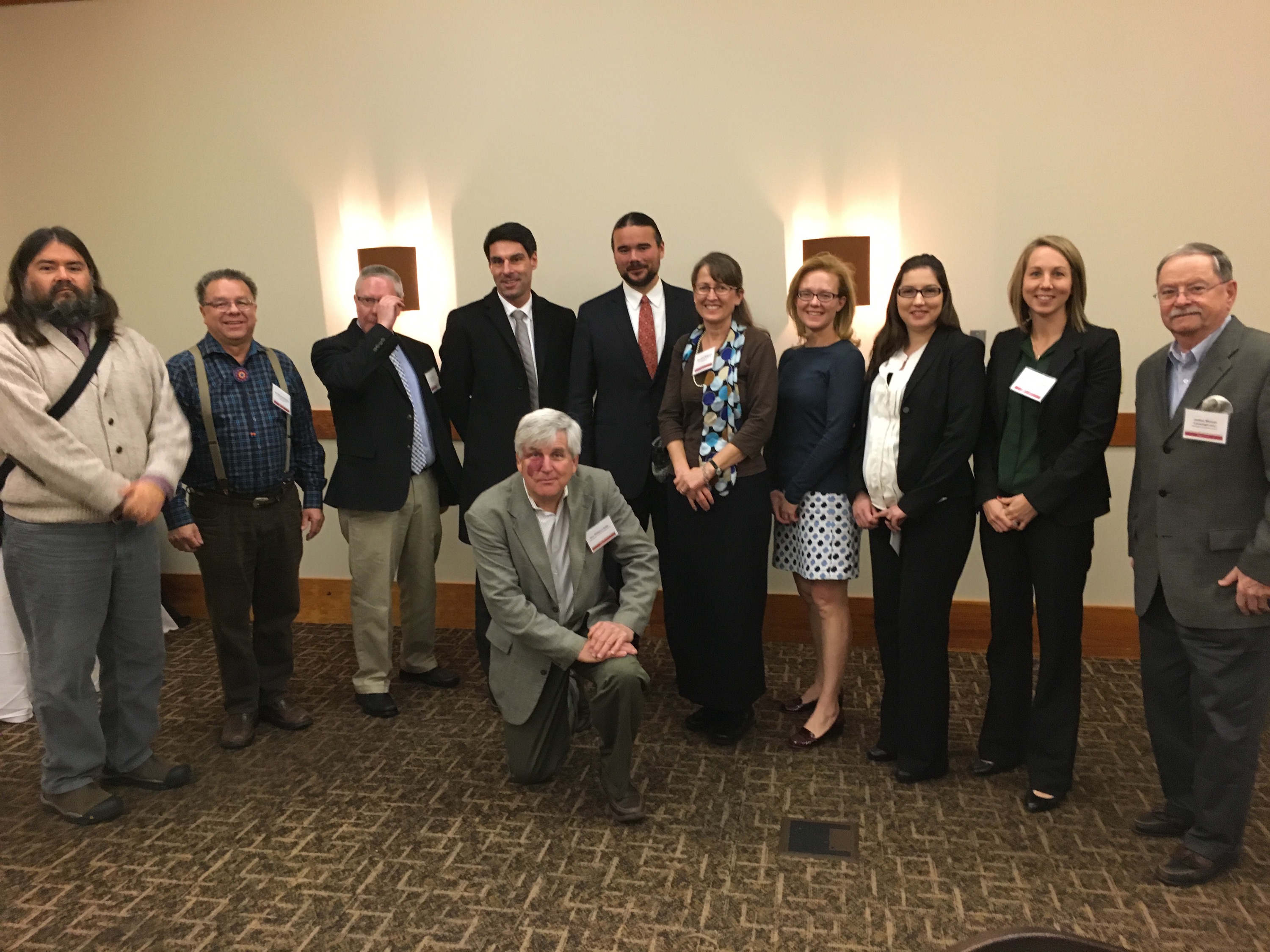
Wolverines

At Bahweting 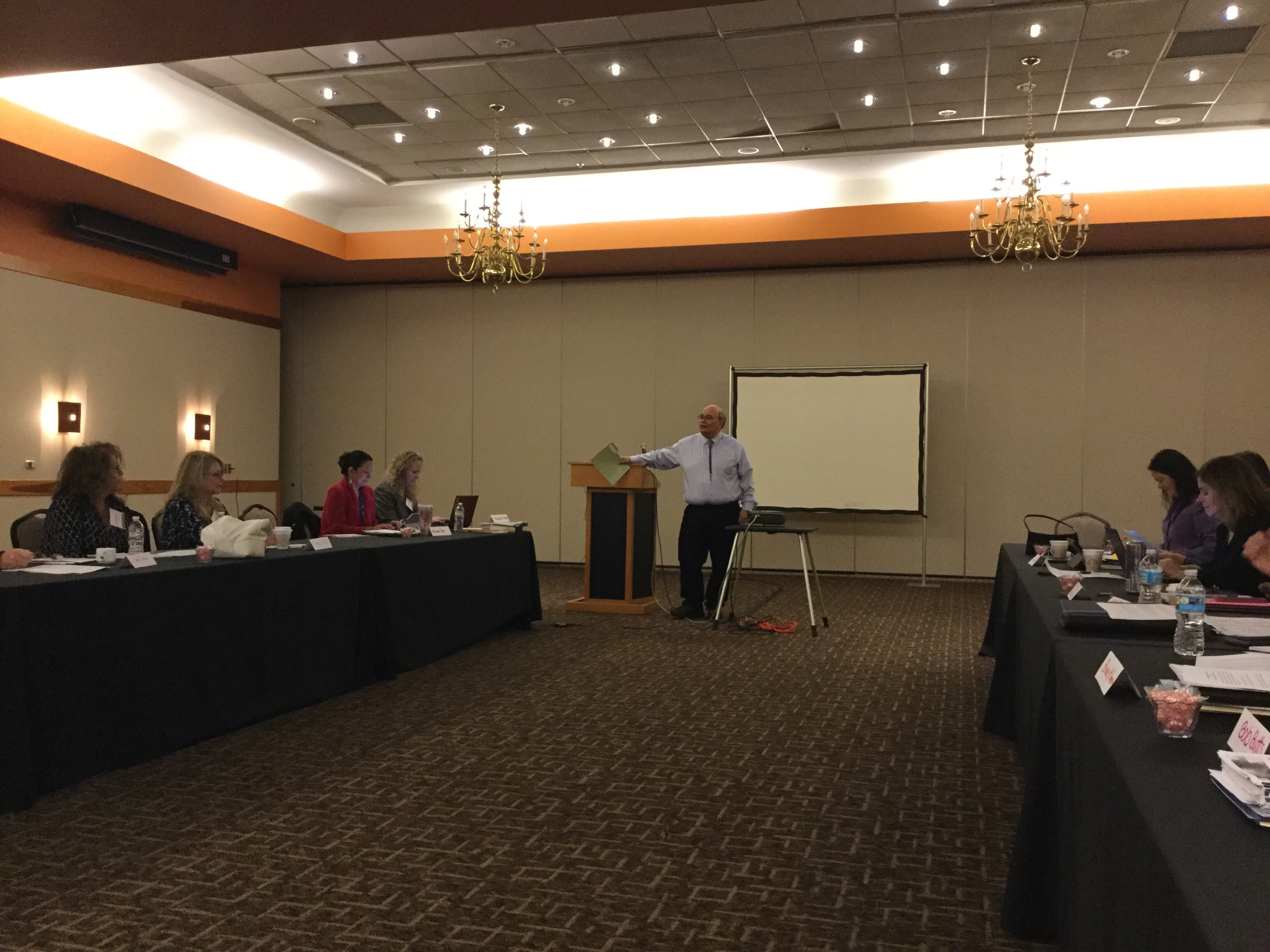
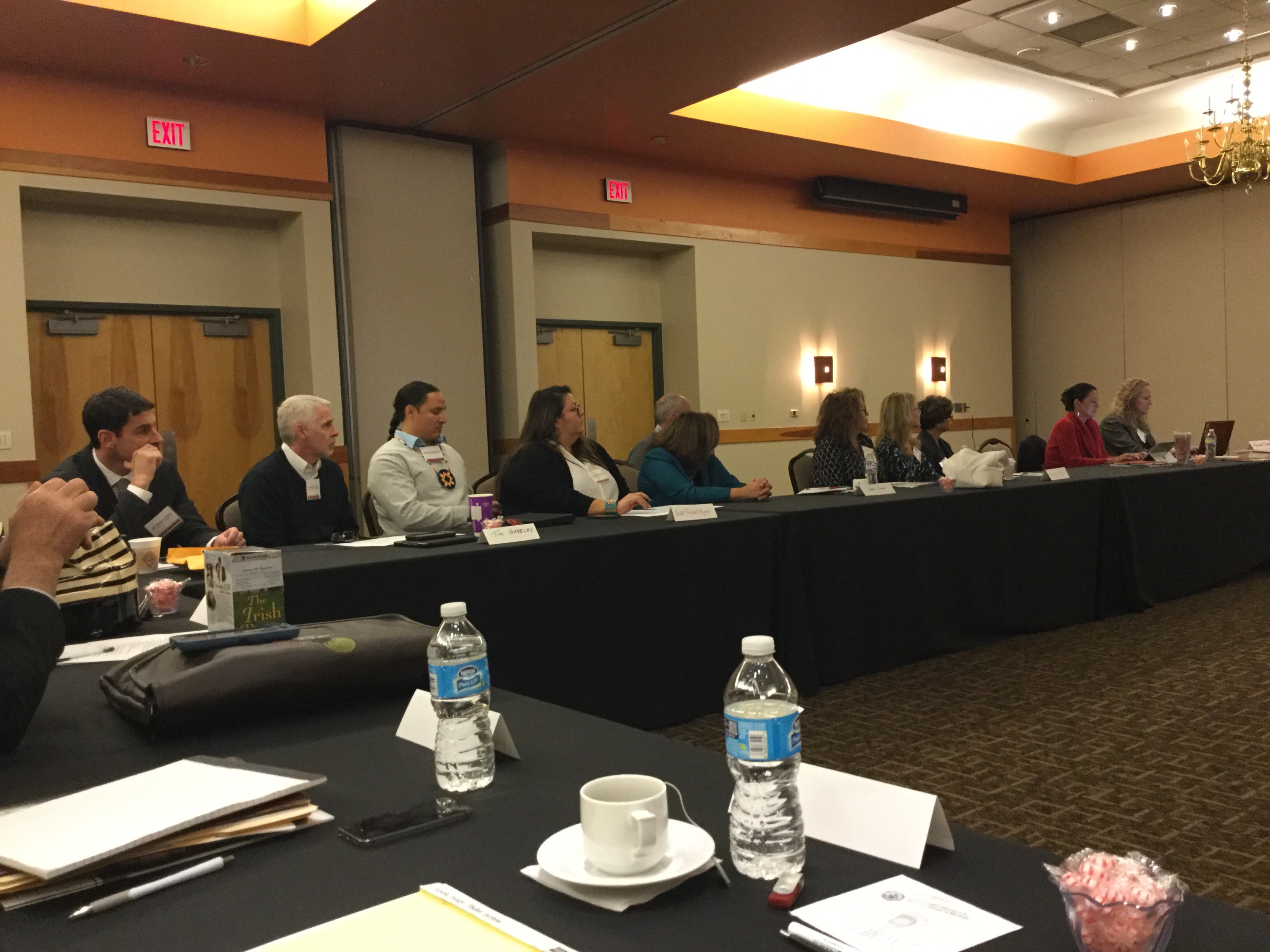

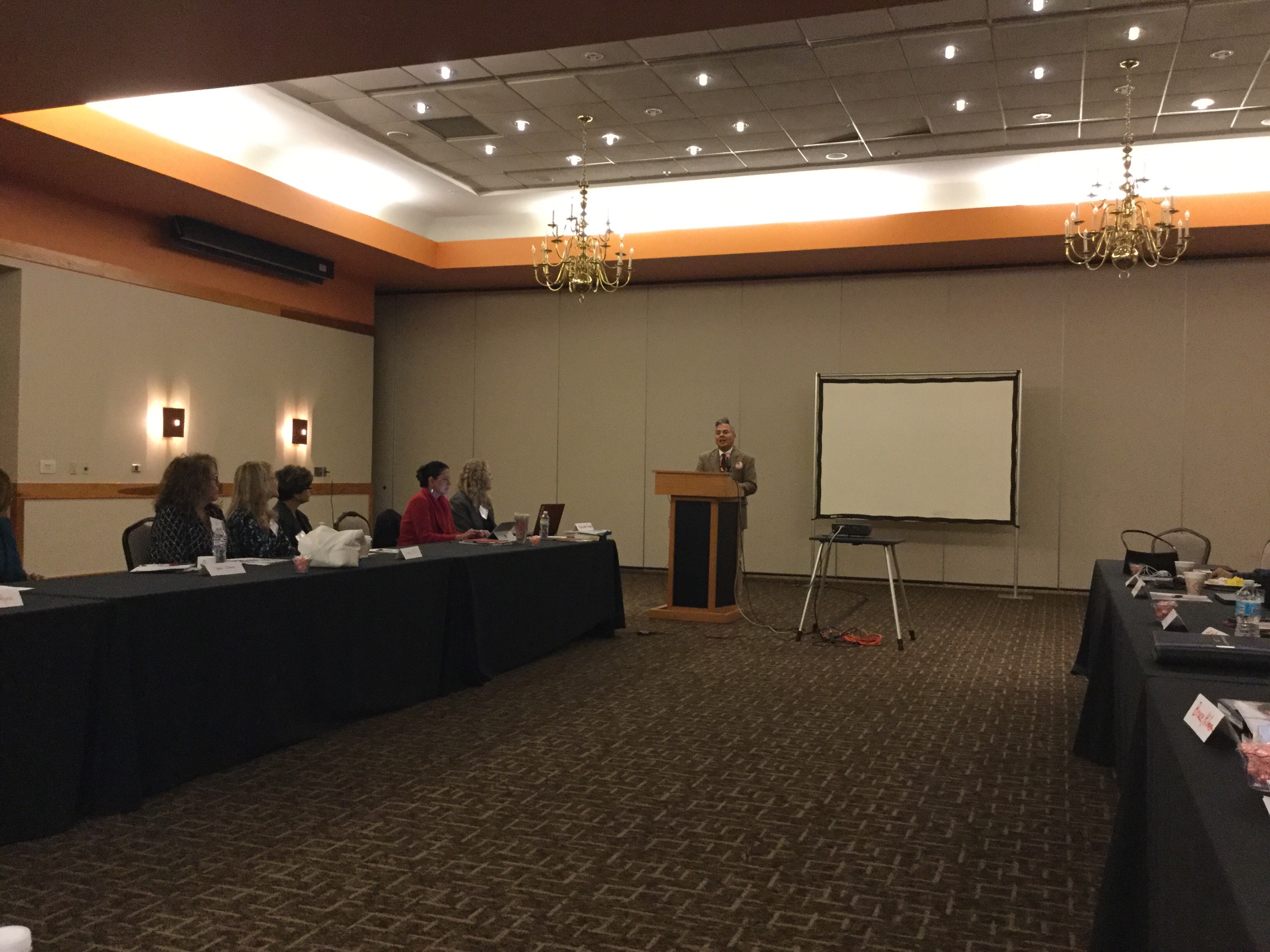
Here, from the Grand Traverse Record-Eagle.
Here is the complaint in Little River Band of Ottawa Indians and Its Employee Welfare Plan v. Blue Cross Blue Shield of Michigan (W.D. Mich.):
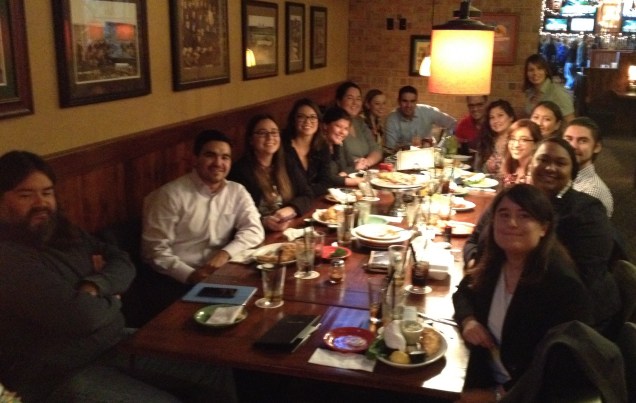
After much laziness and delay on my part, here is the 2015-16 NNALSA ed board about to devour a carb-heavy lunch at Pizza House in The EL (yes, it’s true I’m thinking about pizza in this pic, but having a great time!):
Here is John’s new blog. And the MSU Press site.
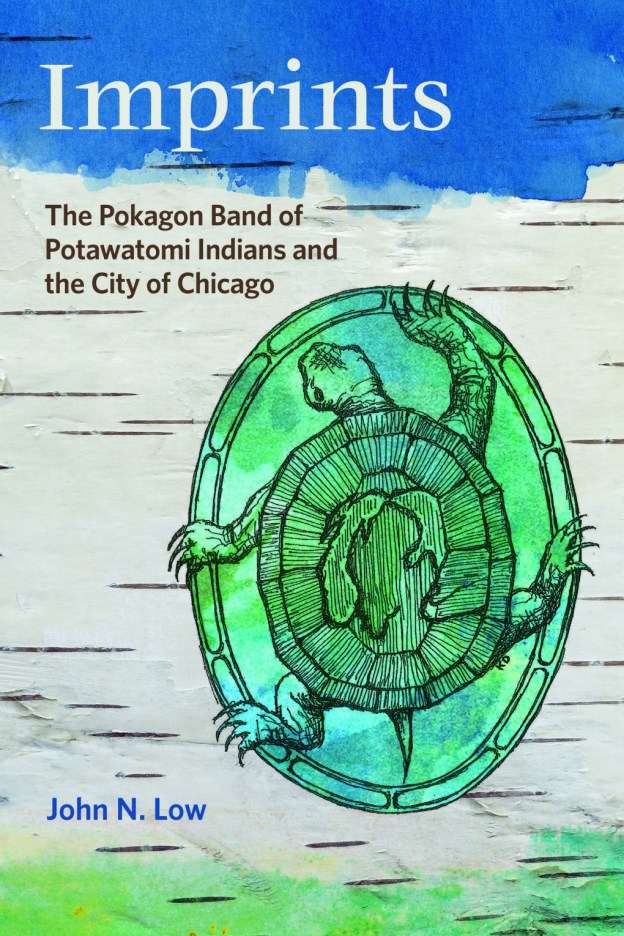
The description:
The Pokagon Band of Potawatomi Indians has been a part of Chicago since its founding. In very public expressions of indigeneity, they have refused to hide in plain sight or assimilate. Instead, throughout the city’s history, the Pokagon Potawatomi Indians have openly and aggressively expressed their refusal to be marginalized or forgotten—and in doing so, they have contributed to the fabric and history of the city.
Imprints: The Pokagon Band of Potawatomi Indians and the City of Chicago examines the ways some Pokagon Potawatomi tribal members have maintained a distinct Native identity, their rejection of assimilation into the mainstream, and their desire for inclusion in the larger contemporary society without forfeiting their “Indianness.” Mindful that contact is never a one-way street, Low also examines the ways in which experiences in Chicago have influenced the Pokagon Potawatomi. Imprints continues the recent scholarship on the urban Indian experience before as well as after World War II.
 Turtle Talk
You must be logged in to post a comment.