Excerpts:

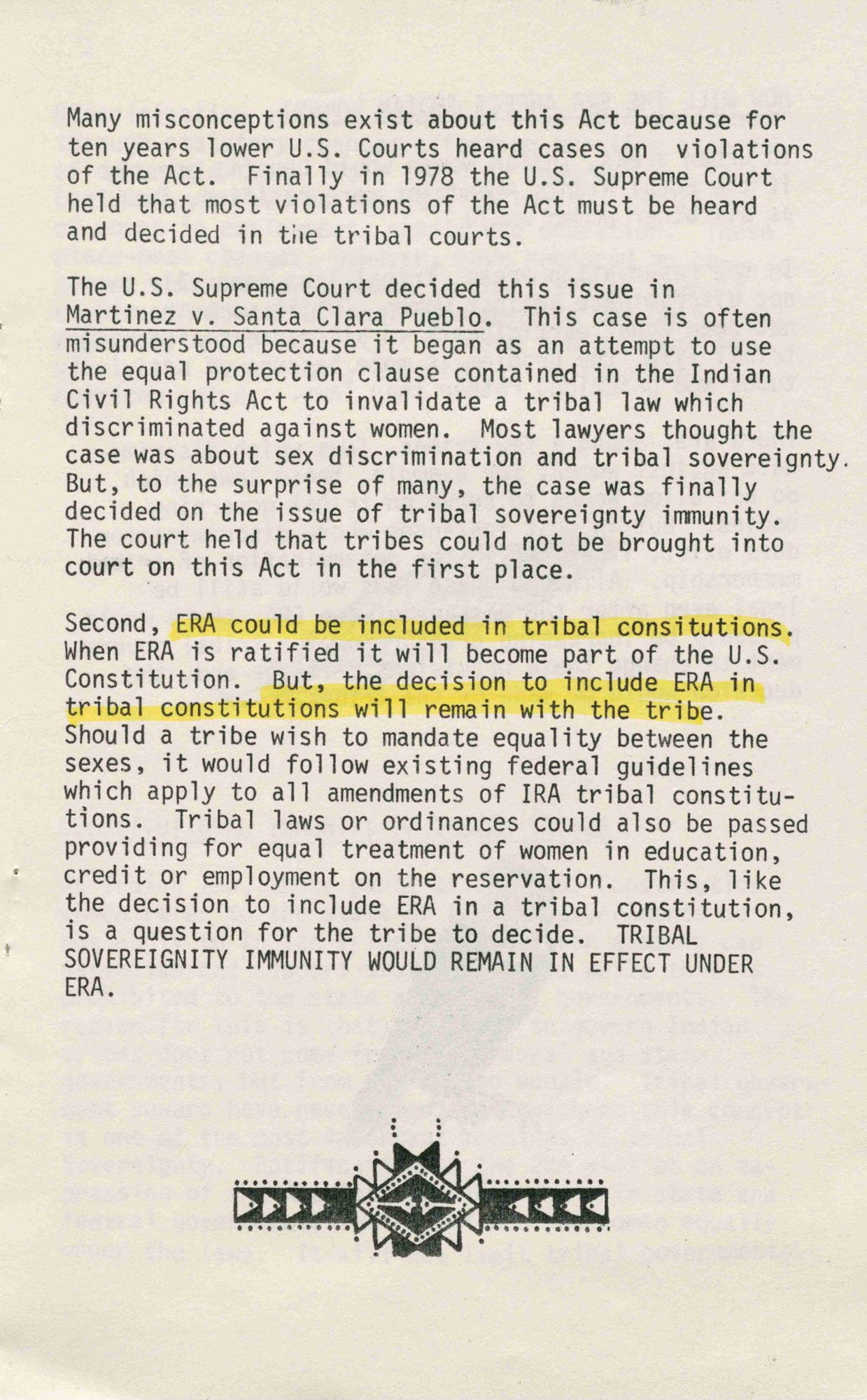


Here is the opinion in Parrotta v. Island Resort and Casino.
Briefs here.
Lower court materials here.

Here are the materials in Mazaska Owecaso Otipi Financial Inc. v. Montileaux (D.S.D.):
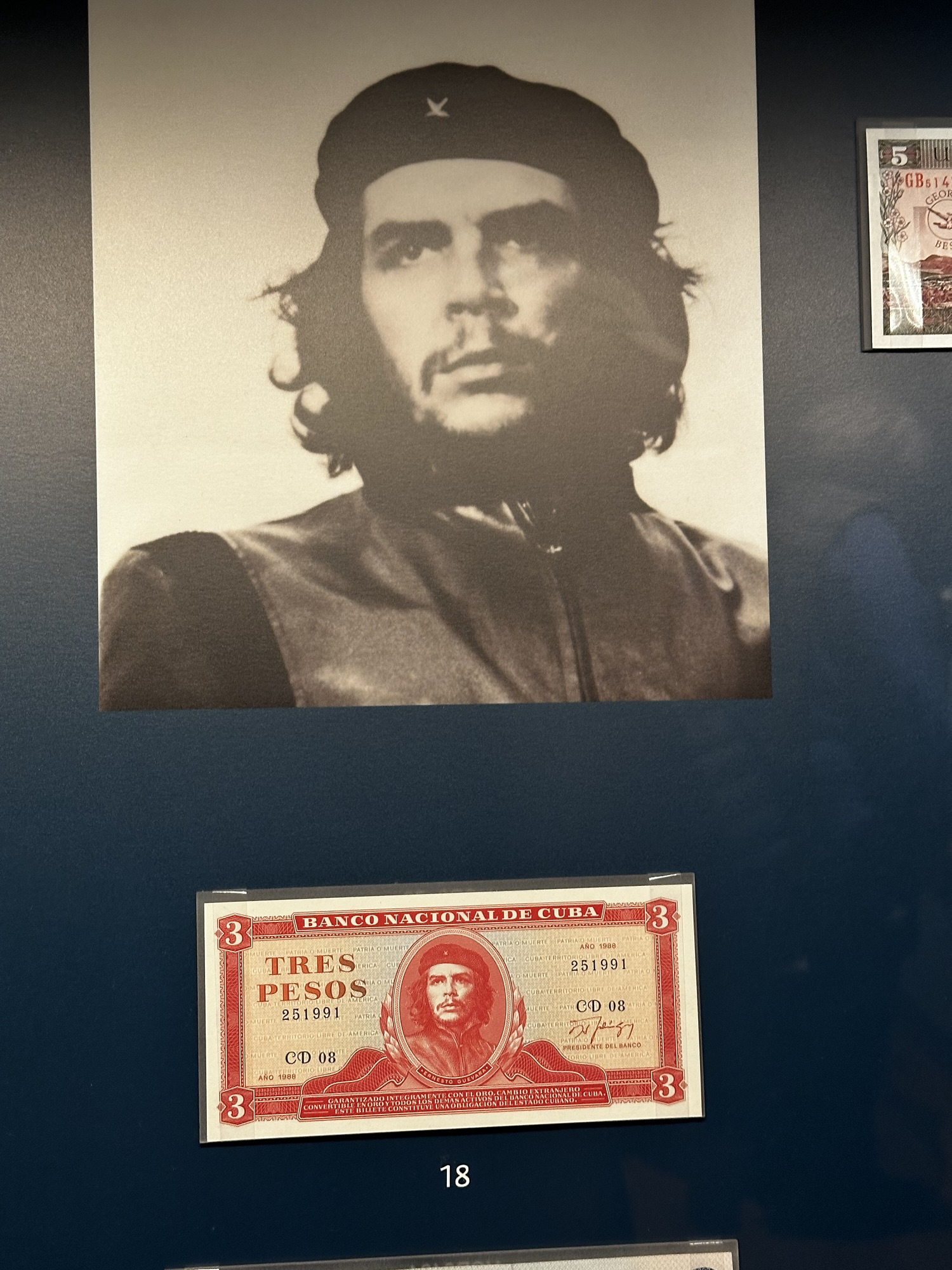
The Indigenous Law & Policy Center is honored to host this year’s Michigan Tribal State Federal Judicial Forum. The open sessions will be held on Monday, October 27th in the Castle Board Room, Rm 343 in the MSU College of Law.
The Michigan Tribal State Federal Judicial Forum was formally established in 2014 by the Michigan Supreme Court and consists of tribal judges from each of Michigan’s 12 federally-recognized tribes, 12 state court judges, as well as federal judges and officials. Michigan, which is home of 12 federally recognized Indian tribes and tribal court systems, has also enjoyed a long history of collaboration between state and tribal courts.
The Forum will include a presentation by Jeff Davis, Partner at Barnes & Thornburg in Grand Rapids and Chair of the firm’s Native American Law and Policy Practice Group from 12:15 – 1:15 pm in the Castle Board Room. Lunch will be provided. Jeff Davis is the former Executive Director of the Indian Law & Order Commission created by Congress, and he also spent several years as an AUSA in the Western District of Michigan, prosecuting crimes in Indian Country in the district and serving as the liaison for the District’s eleven federally recognized Indian tribes.
For the afternoon sessions, Forum members have dedicated time for a series of educational panels for law students in addition to time for informal networking with the students.
Please register to attend (in person only) at this link: https://bit.ly/MIStateTribalFedForum2025. We hope to see you there!
Here are the materials in Bertrand v. State of Oklahoma (Okla. Ct. Crim. App.):
Here is the complaint in Sioux half-breed lineal descendants v. United States (Fed. Cl.):

Flandreau Santee Sioux Tribe Flandreau, South Dakota
The Assistant Attorney General, under the direction of the Tribal Attorney General, will be tasked with the responsibility of prosecuting the Tribe’s Law and Order Code, and will work closely with Tribal Police and other local state and federal agencies to fulfill the position’s obligations. The attorney will also assist the Attorney General with assigned matters regarding the representation of the Tribe, its Housing Department, its Tribal Health Clinic, its tribally owned businesses. The attorney will also handle all adult criminal and juvenile delinquency matters for the Tribe.Licensed attorney in good standing with the State Bar of South Dakota, or any other state bar, and is able to be admitted in South Dakota within 10 months of employment.
Salary: 95,000 – 120,000 Open until Filled https://fsst-nsn.gov/employment
Earthjustice, Los Angeles
CPP is seeking a Senior Litigation Assistant to provide litigation and administrative support for the team’s litigation and advocacy activities. The Senior Litigation Assistant will: provide litigation services, including legal advocacy assistance, factual research, and drafting; assist in case development and management; and help ensure the overall effectiveness of litigation support in CPP. The Senior Litigation Assistant will report to the Legal Practice Manager.
Understanding that CPP’s work may range from intellectually challenging to more mundane administrative work. Passion for Earthjustice’s mission.
Salary: $81,700- $90,800 https://app.jobvite.com/j?cj=oZegyfwL&s=Turtle_Talk
NM Center on Law and Poverty, Albuquerque, NM “Contact a database of at least 200 settlement class members (with potential for more), in connection with the administration of a class action settlement. Manage contact lists and the documentation of client interactions. Contact and interview agricultural workers, as time allows. Assist with other paralegal assignments, as time allows. Demonstrates a deep understanding of and relentless commitment to NMCLP’s mission, and economic and racial justice for New Mexico’s communities.
Undergraduate degree with paralegal certification or equivalent experience.
Fluent in Spanish.
Pay: $55,295 to $77,000, commensurate with experience. Closes: 11/30/2025 https://www.nmpovertylaw.org/2025/10/14/temporary-full-time-paralegal/
Squaxin Island Tribe, Shelton, WA 98584
Approximately 40% of time will be devoted to Indian Child Welfare (ICWA) and related matters. Seeking a candidate with a demonstrated commitment to ICWA and child welfare related matters. Primary responsibility will be to serve the Tribe’s Department of Social and Health Services, particularly as related to planning, organizing and directing assigned ICW/Child Welfare, Youth, Truancy, Juvenile, and Vulnerable Adult civil cases within the Legal Department, and to serve as presenting officer for Tribe. Remaining 60% of time devoted to legal services covering a broad range of tribal government and federal Indian law issues as a member of the attorney staff. Principal areas of Tribal practice include general government infrastructure needs, real estate transactions, commercial transactions, zoning and land use, water rights, housing and utilities, environmental protection, Indian gaming, business transactions, employment matters and economic development. Seeking a candidate with willingness to work collaboratively with other staff attorneys as needed, including as aide to principal attorney in litigation and administrative hearings. https://recruiting.paylocity.com/Recruiting/Jobs/Details/3638806
Mille Lacs Band of Ojibwe Band Member Legal Service, Onamia, Minnesota We are on the lookout for a diligent and talented Full-time Staff Attorney to become a part of the Mille Lacs Band Member Legal Service. This position plays an essential role in delivering important legal representation for qualified Mille Lacs Band Members, engaging with a range of legal matters in both criminal and civil domains within State and Tribal Courts. Applicants should hold a Juris Doctor (JD) from an ABA-accredited law school and must be either licensed or willing to seek licensure to practice in Minnesota, along with membership in the Mille Lacs Band of Ojibwe Bar. “The ideal candidate will have experience in civil advocacy, juvenile court exposure, and a strong background in trial and courtroom settings. We seek individuals who come with at least 1-3 years of progressive legal experience that showcases their commitment to the legal profession. Strong communication skills are crucial for effective client representation.
Those interested must exhibit the ability to perform independently, handling an entire caseload with minimal oversight, while also being prepared to accept new cases as necessary. A background check and pre-employment drug and alcohol testing will be necessary for this role. Additionally, candidates who identify as Native American are strongly encouraged to apply, reflecting our mission to uplift Native American attorneys within our legal service.
https://millelacsband.com/jobs/staff-attorney
Mashantucket Pequot Tribal Nation, Mashantucket, CT
Under the direction of the Tribal Council, and subject to the provisions of 31 M.P.T.L. ch. 2, the incumbent oversees and directs the day-to-day functions of the Mashantucket Employment Rights Office (MERO), an agency of the Tribe charged with carrying out all tasks assigned to it by Tribal law related to the regulation of employment on the Reservation. Administers and enforces laws and programs within the MERO’s jurisdiction. Prepares annual budgets and supervises expenditures pursuant to each Tribal Council approved budget. Assists in developing laws and amendments to existing laws. Must be licensed to practice law and be in good standing in the state of Connecticut and have practiced in labor and employment law for a minimum of 10 years. Alternatively, must possess a Juris Doctor or a master’s degree and have a minimum of 10 years of experience in government regulation, employment or administration. Must have familiarity with or experience in tribal employment rights or equivalent type of experience. Admission to the Mashantucket Pequot Tribal Court is required within 60 days of hire. A valid motor vehicle driver’s license is required. Must demonstrate excellent communication, project planning, organization and leadership skills. Must be of the highest ethical and moral character. Ability to communicate with tact and diplomacy and handle confidential and sensitive matters is essential. Although we have designated this position as a “”key”” position pursuant to the Tribal and Native American Preference Law, we encourage qualified Tribal members and other preference eligible individuals to apply.
Salary Negotiable 10/31/2025 Click here for MPTN job opportunities
Confederated Tribes and Bands of the Yakama Nation, Toppenish, Washington
Serves as the lead Prosecutor for the Yakama Nation by seeking enforcement by the duly enacted Tribal laws, improving safety in the communities by working to prevent and reduce criminal activity and victimization on the Yakama Reservation through vigorous and effective prosecution of civil and criminal cases in both the adult and juvenile courts. The Chief Prosecutor is expected to independently present and perform attorney functions in the Tribal and State Courts on behalf of the Yakama Nation. The Chief Prosecutor manages and supervises all Associate Prosecutors and support staff. Graduation from an accredited School of Law with a Juris Doctorate degree and must be or become an active member in good standing with the Washington State Bar and the Yakama Tribal Courts and eligible to practice before the Courts of any other State of the United States.
Salary: $58.84- $66.23 DOE Closes 10/28/25 https://yakama.isolvedhire.com/
or contact Tamara_Saluskin@yakama.com for direct inquiries
The Chickasaw Nation, Ardmore, Oklahoma
Appear in the Chickasaw Nation District Court and represent the Chickasaw Nation in the prosecution of adults, juveniles committing criminal/delinquent offenses within the Chickasaw Nation jurisdiction
J.D. from an ABA-accredited law school. Open until filled. https://css-chickasawnation-prd.inforcloudsuite.com/hcm/Jobs/form/JobPosting%5BJobPostingSet%5D%28CN,23038,2%29.JobPostingDisplay?navigation=JobPosting%5BJobPostingSet%5D%28CN,23038,2%29.JobPostingDisplayNav&csk.JobBoard=EXTERNAL&csk.HROrganization=CN
Oglala Sioux Tribe, Pine Ridge, So. Dakota
Oglala Sioux Tribe Chief Judge of inferior tribal court shall oversee the administration of justice of inferior tribal court. Juris Doctorate from an A.B.A. accredited law school and must be licensed to practice law in any state or federal jurisdiction. Negotiable Until Filled https://www.facebook.com/share/1CvqVyHPc7/?mibextid=wwXIfr
California Tribal Families Coalition, Remote
The Legal Deputy Director develops and implements legal and programmatic strategies of the LC4T Project in partnership with the Legal Director to align with the organization’s annual objectives and overall mission. The Legal Deputy Director leads the day-to-day supervision of the Legal Counsel for Tribes attorney and support team, investigating, managing and appearing on cases on behalf of Tribal Nations in cases governed by ICWA and associated state law. California license; 7+ years of litigation experience; experience with dependency and juvenile justice legal representation; excellent writing, verbal and interpersonal skills.
Salary: $132,000 – $152,000 11/20/2025 https://caltribalfamilies.org/ctfc-opportunities/
California Tribal Families Coalition, Remote
The Senior Staff Attorney co-leads the day-to-day of the Legal Counsel for Tribes team with other Senior Staff Attorneys, investigating, managing and appearing on cases on behalf of Tribal Nations in cases governed by ICWA and associated state law. Senior Staff Attorneys shall have a minimum of five years of experience as a practicing attorney, including litigation experience that prepares the applicant to handle dependency litigation in California. Senior Staff Attorneys are expected to possess experience sufficient to allow them to work with substantial independence in furtherance of CTFC’s mission, require little direct supervision, and will have supervisory responsibility and other significant Legal Counsel for Tribes responsibilities in addition to handling an individual docket of cases and investigations. California license; 5+ years of litigation experience; experience with dependency and juvenile justice legal representation; excellent writing, verbal and interpersonal skills.
Salary: $115,000 – $132,000 Closes 11/20/2025 https://caltribalfamilies.org/wp-content/uploads/2025/10/CTFC-Job-Description_Senior-Staff-Attorneys.pdf
California Tribal Families Coalition, Remote
Reporting to a Senior Attorney, the Staff Attorney investigates, manages and represents Tribal Nation clients in cases governed by ICWA and associated state law. Applicants for the Staff Attorney position should have a minimum of one year of experience as a practicing attorney, including litigation experience that prepares the applicant to handle dependency litigation in California. Staff Attorney applicants are expected to possess experience sufficient to allow them to work with substantial independence in furtherance of CTFC’s mission. Non-litigation advocacy is also required, including writing and publishing reports, planning and participating in community events and tribal listening sessions, legislative research and advocacy, working with law clerks, and training attorney and non-attorney audiences. California license; 1+ years of litigation experience; experience with dependency and juvenile justice legal representation; excellent writing, verbal and interpersonal skills.
Salary: $85,000 – $105,000 Closes 11/15/2025 https://caltribalfamilies.org/wp-content/uploads/2025/10/CTFC-Job-Description_Staff-Attorney.pdf

 Turtle Talk
You must be logged in to post a comment.