Menominee Sues Social Media

Here is the complaint in Menominee Indian Tribe of Wisconsin v. Meta Platforms Inc. (Cal. Super.):

Ninth Circuit Reverses Dismissal of Purported Whistleblower’s Suit against BIA

Here are the materials in Kent v. Lacounte:

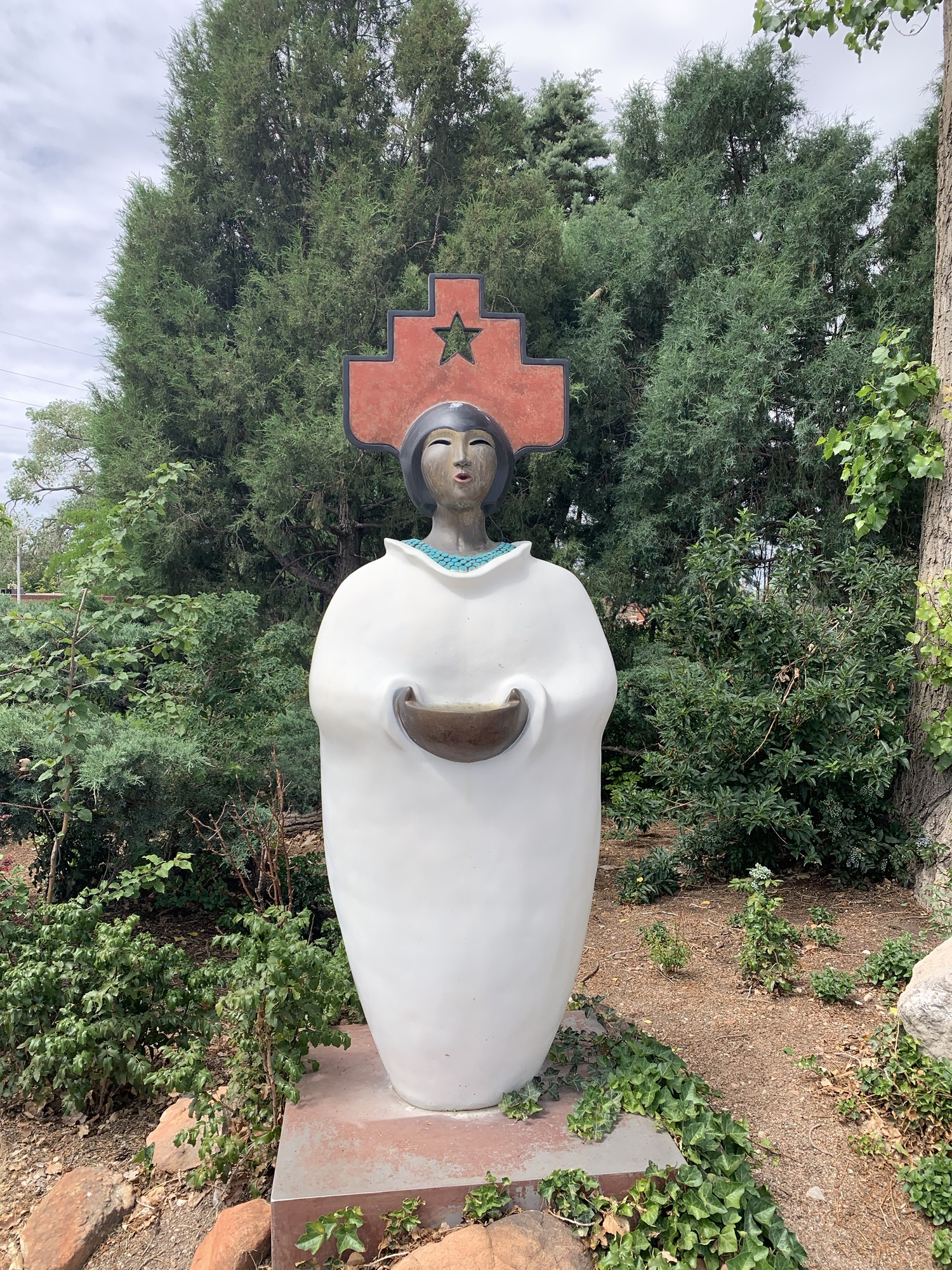
Shelly Niro

Prior post here.

California Federal Court Holds that Federal Courts Have No Jurisdiction Eviction Action re: Trust Allotment(!)

Here are the materials in The Tamarisk Rd. Trust UDT v. Prieto (C.D. Cal.):

Wyoming Federal Court Vacates Repsis Decision

Here is the order in Crow Tribe of Indians v. Repsis (D. Wyo.):

Tenth Circuit order here.

Lower court materials here.

Casper Star-Tribune, Oct. 16, 1997

Alaska Federal Court Affirms Alaska Native Subsistence Rights

Here are the materials in United States v. State of Alaska (D. Alaska):

New Mexico Federal Court Dismisses San Felipe Pueblo Challenge to Boundary Claim Settlement with Santa Ana Pueblo

Here is the order in Pueblo of San Felipe v. Haaland (D.N.M.):

Briefs here.

The Bad Old Days of the Smithsonian

From the NAES newsletter, “NAES Rule,” Nov. 1986:

The Attack on Talton v. Mayes During the Navajo Peyote Ban Case

Arthur Lazarus, the general counsel of the Association on American Indian Affairs (and the drafter of the original bill that became the Indian Child Welfare Act), filed amicus briefs in a suit by a Navajo tribal citizen challenging the power of the Secretary of the Interior to approve the Navajo Tribal Council’s ban on peyote use by the Native America Church. The case was filed as Oliver v. Seaton (D.D.C.):

The challenge really was against the Navajo ban, but Mr. Oliver challenged the Secretary’s approval of the ban, alleging that the approval violated the Exercise Clause. An important aspect of the AAIA’s amicus brief was that Talton v. Mayes, which seemingly held the federal Constitution did not regulate tribal power, did not govern the violation of “fundamental rights.”

There’s an interesting effort to compare tribal nations to the American territories here. We know from cases as recent as Puerto Rico v. Sanchez-Valle regarding Puerto Rico’s sovereignty that tribal sovereignty is more robust that Lazarus credits here. Note the conclusion, invoking the axiom that the “Constitution . . . follows the flag,” usually invoked in war crimes commission law like in the Guantanamo Bay cases.

Needless to say, the Navajo Nation was upset that the AAIA threw its support behind the Native American Church and not the tribe.

Mr. Oliver ultimately did not prevail. See Oliver v. Udall, 306 F.2d 819 (D.C. Cir. 1962).

SCOTUS Oral Argument Audio in Becerra v. San Carlos Apache/Northern Arapaho Tribe [now updated with transcript]

Via CSPAN, here.

Briefs here.

Transcript here.