Report on Washington Plan to Change Its Water Pollution Levels

Here’s the press release:

New Report Documents Threat to Tribal Treaty Rights and Environmental Justice

(Seattle) – The Washington State Department of Ecology is soon expected to propose new, higher, default fish consumption rates (FCRs) used to calculate allowable levels of contaminants dumped into state waters by industrial polluters. A new report from Borderlands Research and Education documents how big business and conservative and far right groups are opposing increased FCRs, threatening tribal treaty rights, environmental justice and ecological health in the state.

The report, No Justice on the Plate: Transnational Companies and the Right Oppose Fish Consumption Justice and Tribal Treaty Rights, explains how major companies and business associations are opposing higher FCRs by attacking the environmental justice principle that public policy should end disproportionate environmental impacts on communities of color. In Washington State, this includes Indian Nations and Asian and Pacific Islander communities that consume large quantities of fish. Low FCRs also affect recreational fishers in the state more than the general public.

“This effort by big business and the right poses a threat to tribal treaty rights, community health, and environmental justice,” said Borderlands Research and Education co-coordinator Chuck Tanner. “It affects us all by threatening to keep water quality in the state degraded.”

No Justice on the Plate describes how conservatives, libertarians and the far right have joined big business in opposing higher FCRs and environmental justice. The report details troubling actions of opponents of higher FCRs, including former Attorney General Rob McKenna’s alliance with far right anti-Indian leaders; the Washington Policy Center and Freedom Foundation’s opposition to tribal sovereignty; the Enumclaw-based Citizens Alliance for Property Rights’ promotion of far right conspiracy theories and outright rejection of environmental justice.

“This report addresses a critical issue for treaty and civil rights in Washington State,” said Devin Burghart, Vice-President of the Institute for Research and Education on Human Rights. “And it looks at how environmental issues, and a narrow vision of property rights, can foster a convergence between big business, conservatives and the far right.”

The report is available from the Institute for Research and Education on Human Rights at http://www.irehr.org/news/special-reports/580-no-justice-on-the-plate.
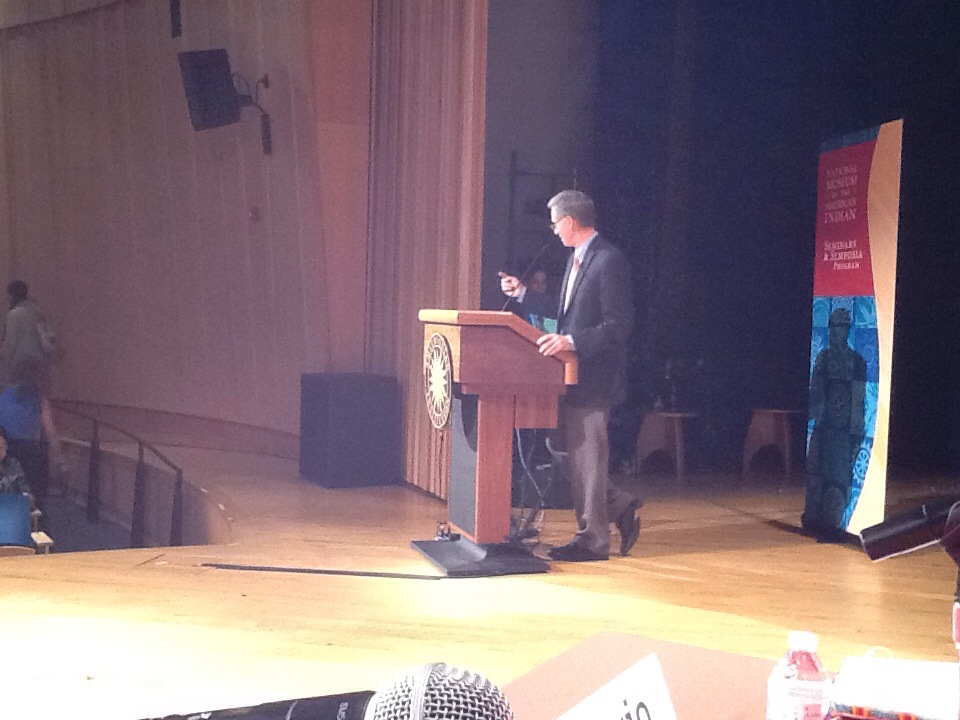
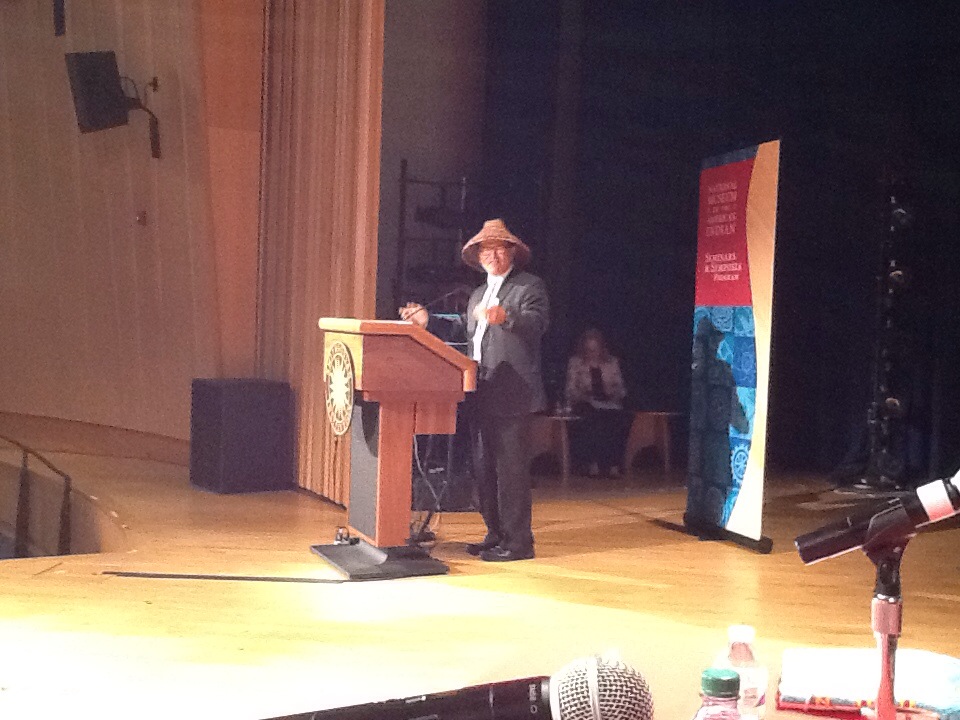
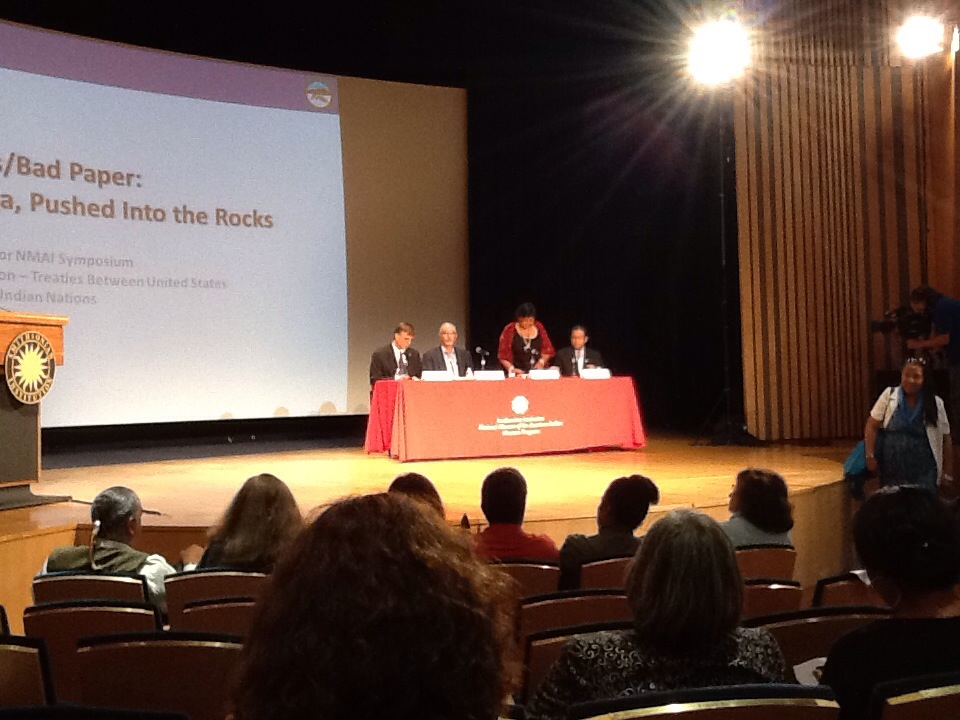
NMAI Treaties Symposium Final Panel

Phil Deloria

IMG_0833.JPG

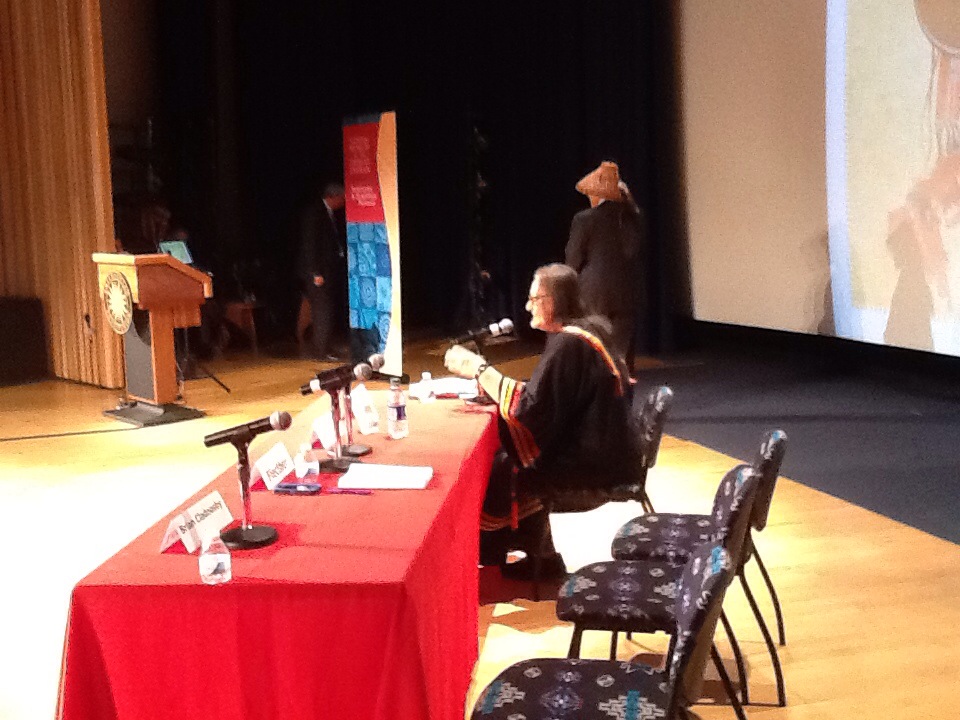
Hon. Brian Cladoosby

IMG_0834.JPG

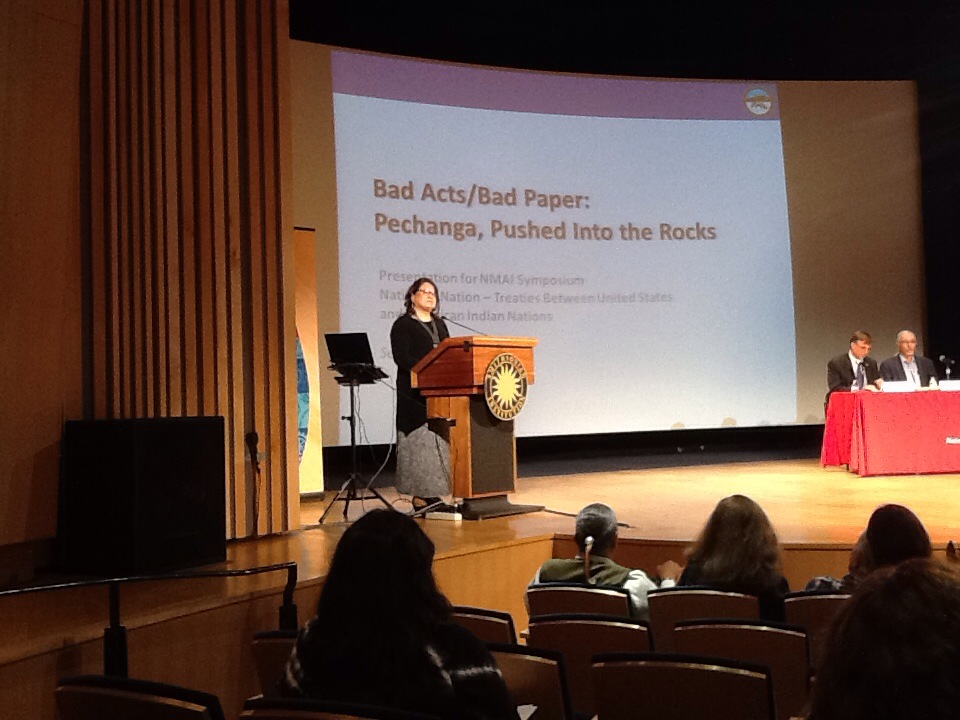
Suzan Shown Harjo

IMG_0841.JPG

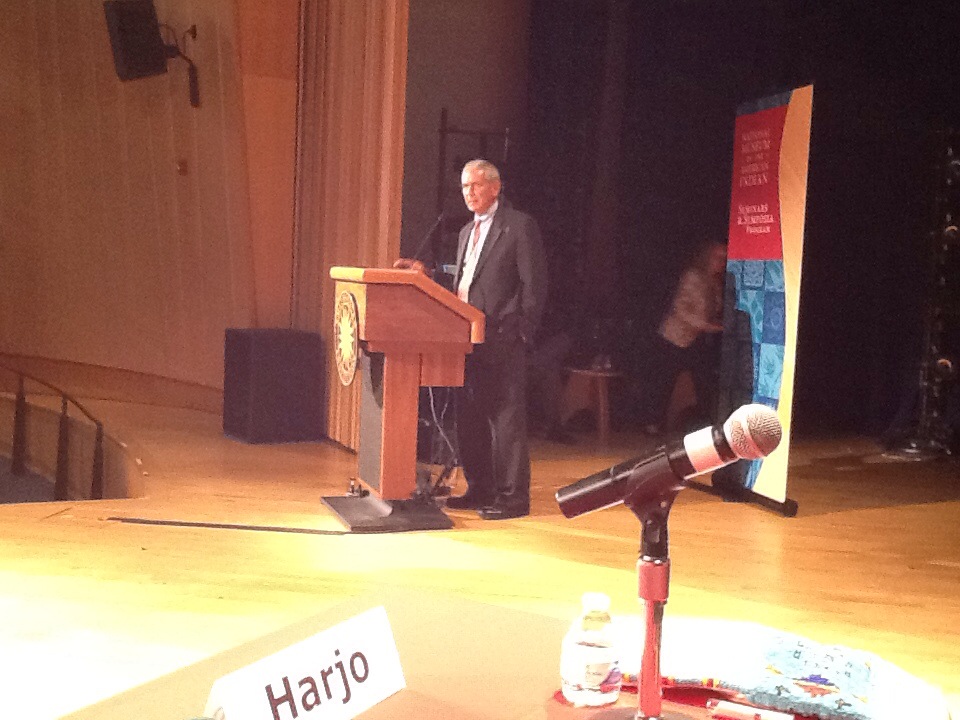
Kevin Gover

IMG_0840.JPG

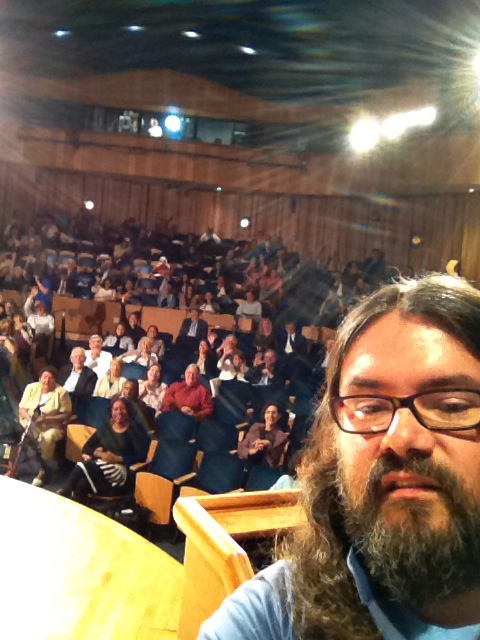
Audience shots

IMG_0836.JPG

IMG_0837.JPG

IMG_0838.JPG

NMAI Treaties Symposium — Afternoon Panels

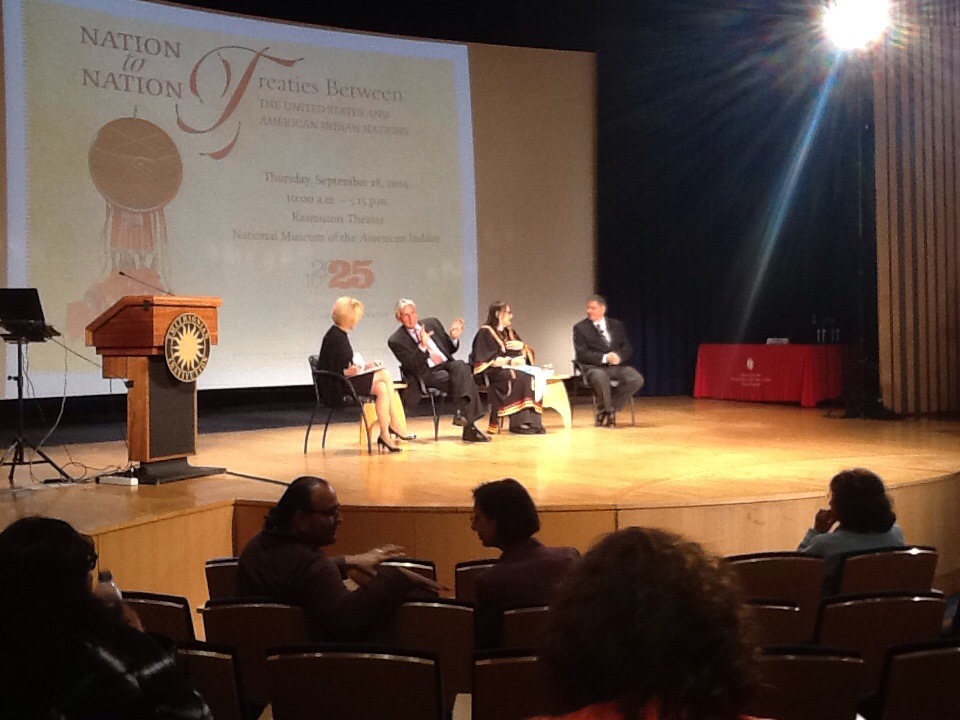
Judy Woodruff, Kevin Gover, Suzan Harjo, and Mark Trahant

IMG_0824.JPG

Brenda Child

IMG_0826.JPG

Lindsay Robertson, James Riding In, Jennifer Nez Denetdale, and Mark Macarro

IMG_0827.JPG

NMAI Treaties Symposium Morning Plenary Speakers

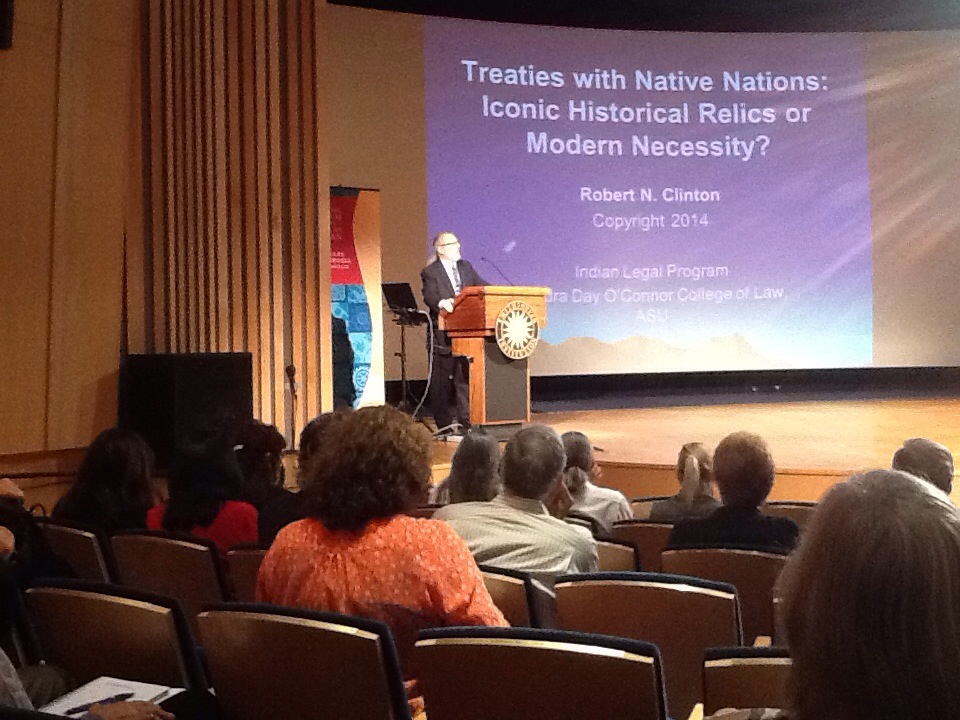
Bob Clinton

IMG_0820.JPG

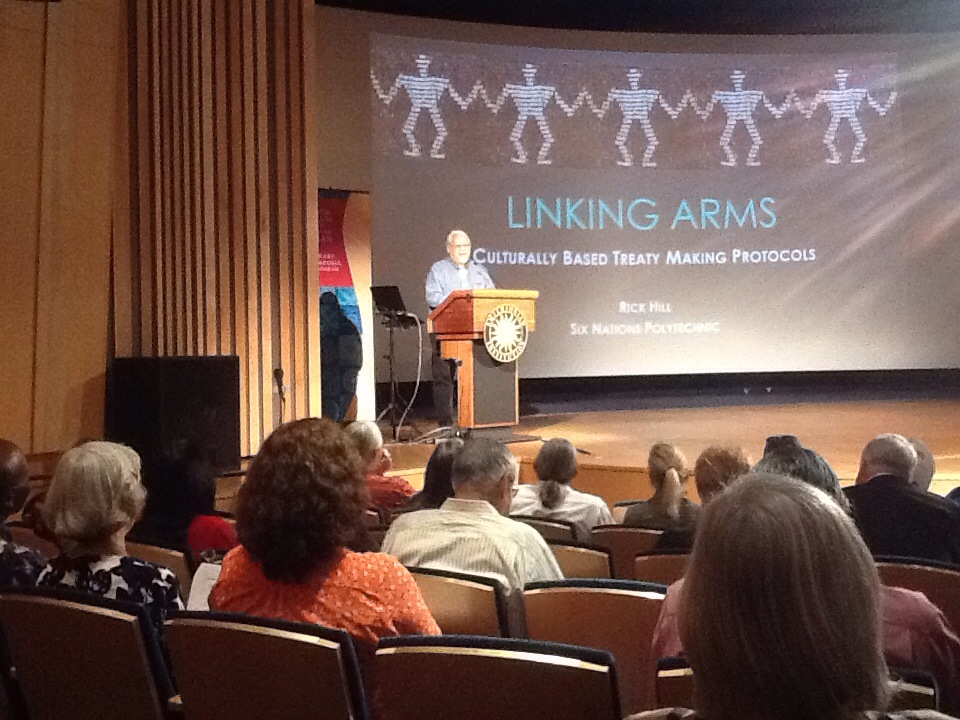
Rick Hill

IMG_0822.JPG

NMAI Treaties Symposium Introductory Remarks

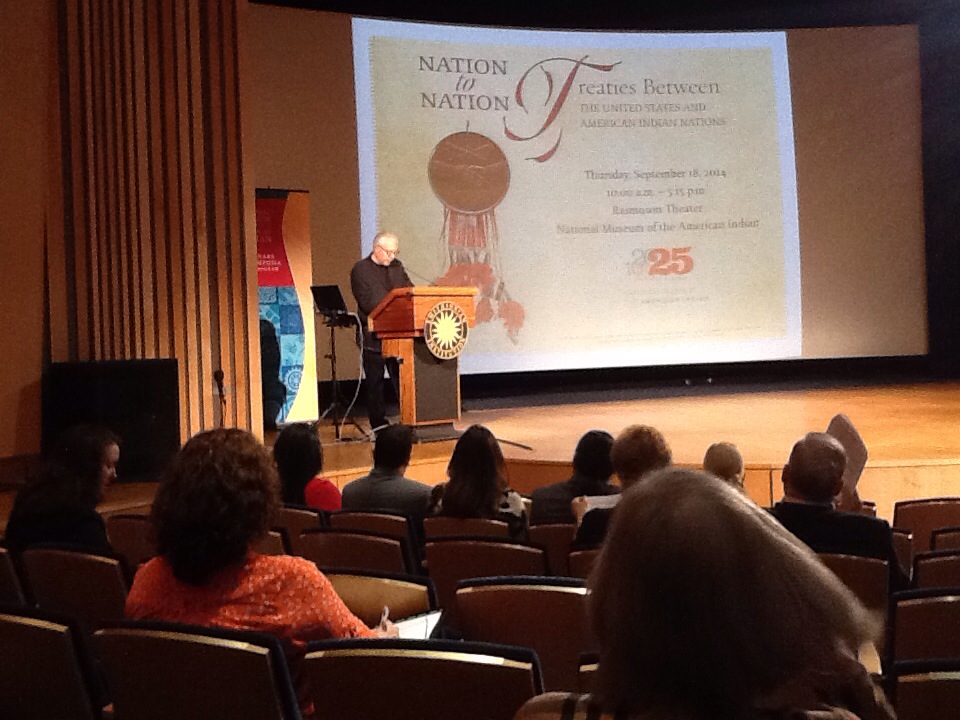
Tim Johnson

IMG_0814.JPG

Sen. Jon Tester

IMG_0817.JPG

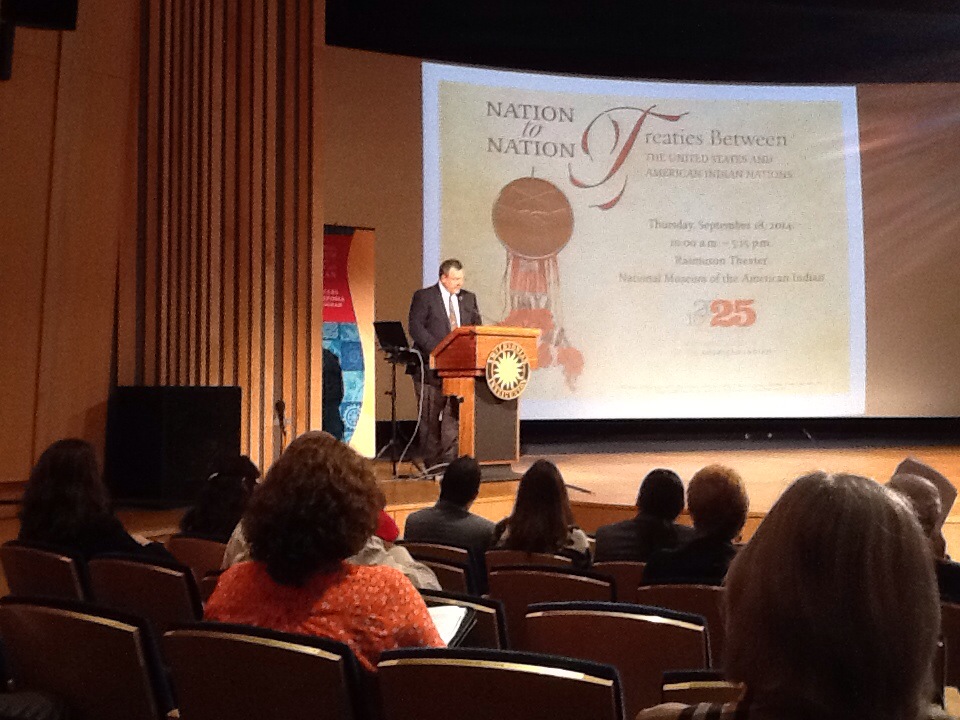
Assistant Secretary Kevin Washburn

IMG_0818.JPG

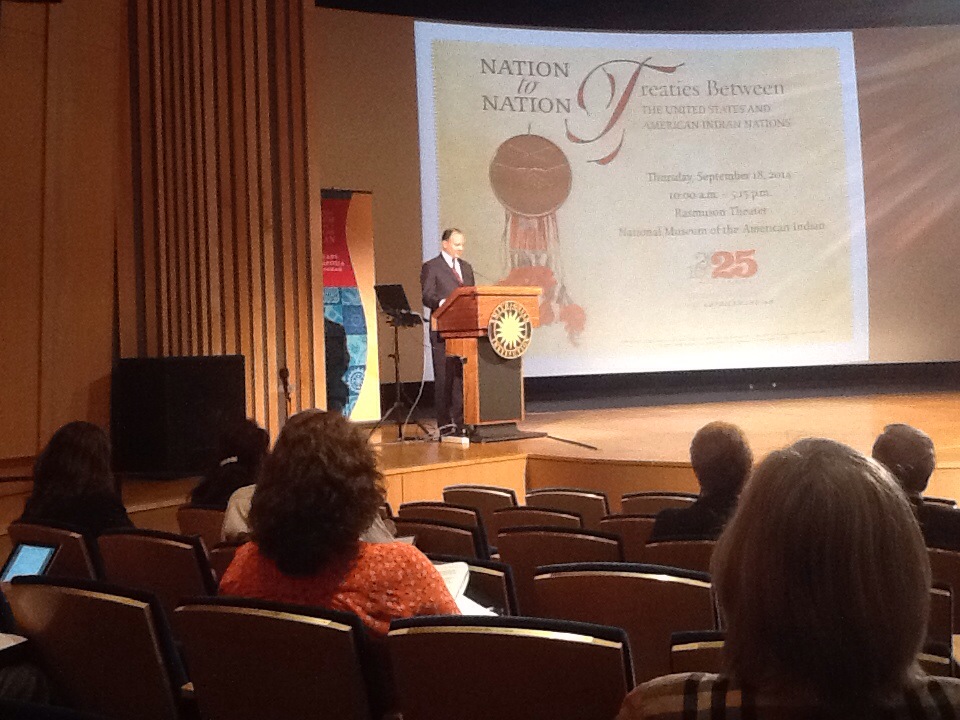
Treaties Symposium at NMAI Today

Here:

IMG_2250.JPG

Symposium website here.

Webcast here.

New Scholarship on “the Unparalleled Rights Enjoyed by American Indians Born in Canada to Freely Access the United States”

The Seattle Journal of Environmental Law has published “Canadian Indians, Inuit, Métis, and Métis: An Exploration of the Unparalleled Rights Enjoyed by American Indians Born in Canada to Freely Access the United States.”

Here is the abstract:

This article expands on an earlier work published in October 2013, jointly by Bender’s Immigration Bulletin and Western Washington University’s Border Policy Research Institute.

Certain American Indians born in Canada enjoy access to the United States unrestricted by the Immigration and Nationality Act, a right stemming from the Jay Treaty of 1794. An examination of this right, reflected by codification as § 289 of the INA, reveals qualifying ABCs are entitled to privileges unparalleled by all but United States citizens to enter and remain in the U.S. “for the purpose of employment, study, retirement, investing, and/or immigration” or any other reason.

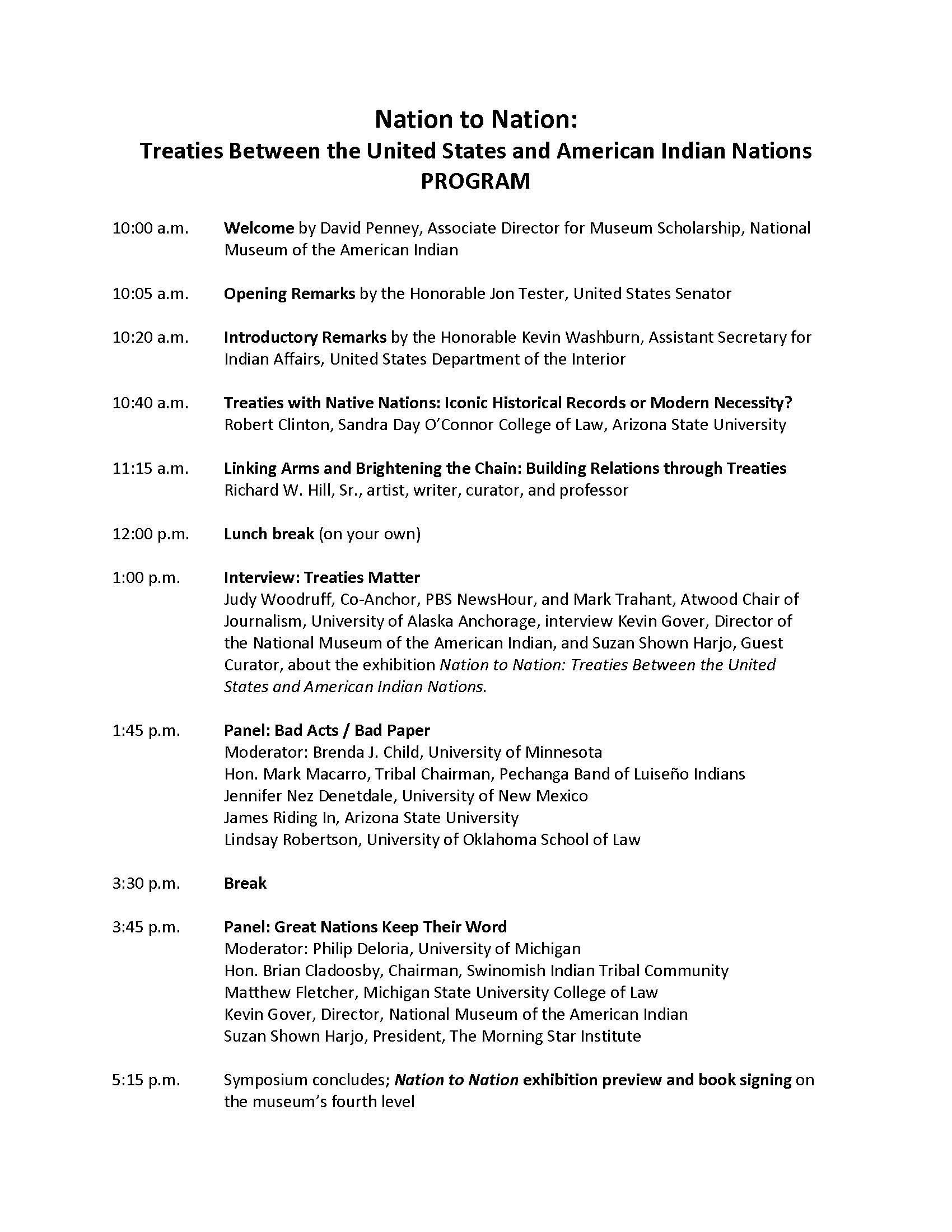
Treaty Symposium at National Museum of American Indian This Thursday

Here is the agenda:

Program agenda for Nation to Nation Symposium_Page_1 Program agenda for Nation to Nation Symposium_Page_2

Kirsten Carlson on The Supreme Court of Canada and Aboriginal and Treaty Rights

Kirsten Matoy Carlson has posted her paper, “Political Failure, Judicial Opportunity: The Supreme Court of Canada and Aboriginal and Treaty Rights,” just published in the American Review of Canadian Studies, on SSRN.

Here is the abstract:

What role do courts play in public policymaking? Fifty years ago, Robert Dahl found that courts largely defer to the political process in public policymaking. Accepted by the majority of scholars today, Dahl’s view suggests skepticism that courts play a significant role in the policymaking process. The few scholars, who concede that courts play a role in policymaking, often see that role as less direct or as in response to public opinion. Using the development of Aboriginal and treaty rights policy in Canada as a case study, I find that the Supreme Court of Canada succeeded in revitalizing the making of Aboriginal and treaty rights policy in the 1990s even without the support of politicians or the public. In 1990, the Court irrevocably altered Aboriginal and treaty rights policy by establishing Aboriginal and treaty rights in section 35(1) of the Constitution and curtailing Parliament’s ability to extinguish these rights. Most notably, the Court reinvigorated the policymaking process by encouraging politicians to revisit Aboriginal and treaty rights policies. When they failed, the Court re-entered the policymaking arena by recognizing and protecting a wide range of Aboriginal and treaty rights from governmental incursion over the next six years. The Court’s emergence as a significant and influential policymaker was the product of historical and institutional forces. While legal mobilization, growing public support, and the judicialization of politics contributed to the development of the Court’s role, I use interviews with political and legal players as well as the Court’s own language to show how the failure of the political process influenced the Court to reinvigorate Aboriginal and treaty rights policymaking. My emphasis on political failure illuminates a more complex relationship between courts, the political process, and policymaking. It also highlights how courts can play an influential role in public policy making.


US Prevails in Tax Assessments Dispute with King Mountain Tobacco

Here are the materials in United States v. King Mountain Tobacco Co. Inc. (E.D. Wash.):

48 US Motion to Summary J

62 DCT Order Granting Summary J in 11-3038

70 US Renewed Motion for Summary J

74 King Mountain Response

80 US Reply

87 DCT Order Granting Renewed Motion for Summary J

Related case here.