Nooksack Update [Updated 2/17/20]

Here is “A woman took a stand against tribal disenrollment and paid for it” in High Country News.

Updates in pending litigation….

Doucette v. Bernhardt (W.D. Wash.):

Doucette v. Bernhardt 45. 1-29-20 Rule 62.1 Motion for Indicative Ruling on Plaintiffs’ Rule 60(b) and 15(a)(2) Motions

Doucette v. Bernhardt 46-1. 1-29-20 Exhibit A

Doucette v. Bernhardt 46-2. 1-29-20 Exhibit B

Doucette v. Bernhardt 46-3. 1-29-20 Exhibit C

Doucette v. Bernhardt 46-4. 1-29-20 Exhibit D

Doucette v. Bernhardt Ninth Circuit 8. 1-29-20 Notice of Rule 62.1 Motion for Indicative Ruling on Plaintiffs’ Rule 60(b) and 15(a)(2) Motions

Rabang v. Kelly (W.D. Wash.):

Rabang v. Kelly 175. 1-29-20 Notice of Rule 62.1 Motion for Indicative Ruling on Plaintiffs’ Rule 60(b) and 15(a)(2) Motions

Rabang v. Kelly Ninth Circuit 42. 1-29-20 Notice of Rule 62.1 Motion for Indicative Ruling on Plaintiffs’ Rule 60(b) and 15(a)(2) Motions

UPDATE:

Tribe Response to Motion

U.S. Response

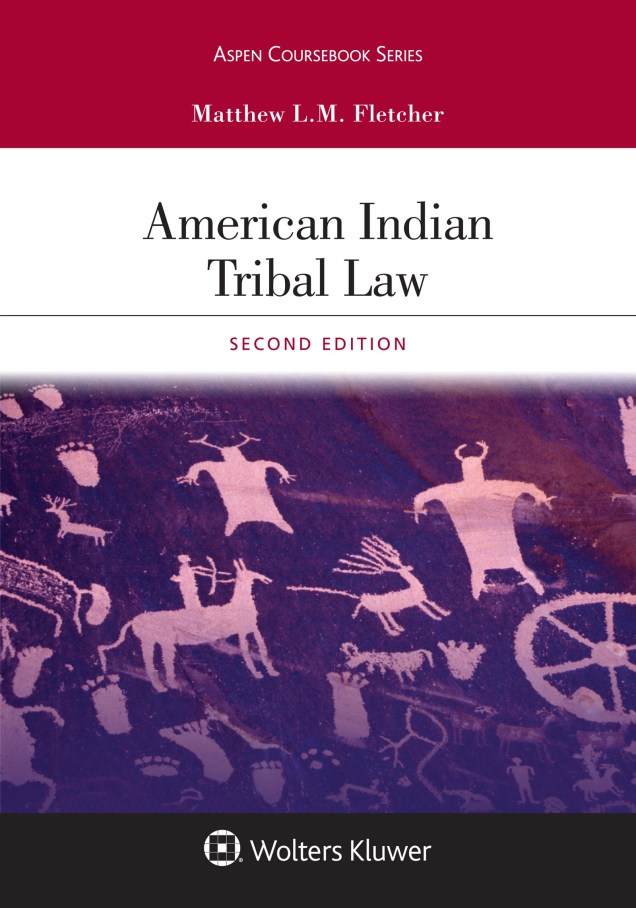
Wolters Kluwer (Aspen) Publishes Second Edition of Fletcher’s American Indian Tribal Law

Website here.

Nooksack Federal/State Litigation Update

Tageant v. Ashby (state court tort suit removed to federal court)

1-0.-7-12-19-notice-of-removal-to-federal-court.pdf

1-1.-7-12-19-complaint.pdf

6.-7-17-19-defendant-michael-ashbys-motion-for-certification-of-employment.pdf

11.-7-23-19-plaintiffs-response-in-opposition-to-defendant-ashbys-motion-for-certification-of-employment.pdf

14.-8-5-19-united-states-opposition-to-defendants-motion-for-certification-of-federal-employment.pdf

16.-8-9-19-defendant-mike-ashbys-reply-in-support-of-motion-for-certification-of-employment.pdf

Adams v. Elfo (federal court habeas corpus suit)

6.-8-13-19-amended-petition-for-writ-of-habeas-corpus.pdf

Adams v. Dodge (state court tort suit)

8-13-19-first-amended-complaint.pdf

Doucette v. Zinke (federal APA suit)

41.-8-13-19-order-on-summary-judgment.pdf

Update in San Pasqual Band Membership Suits

Here are the materials in Alegre v. United States (S.D. Cal.):

44 second Amended Complaint

46-1 US Motion to Dismiss

48 Response

49 Reply

50-1 Individual Defendants MTD

53 Response

59 DCT Order Dismissing SAC

62 Third Amended Complaint

68-1 US Motion to Dismiss

79 Response

83 Individual Defendants Reply

85 US Reply

98 DCT Order Dismissing Third Amended Complaint

Nooksack Update: Rabang v. Kelly II (9th Cir.); Doucette v. Bernhardt (W.D. Wash))

District court materials (prior post here):

28 Doucette v. Bernhardt 3-7-19 Plaintiffs’ Motion for Summary Judgment

32 Doucette v. Bernhardt 4-18-19 Defendants’ Consolidated Memorandum in Opposition to Plaintiffs’ Motion for Summary Judgment and in Support of Defendants’ Cross-Motion for Summary Judgment

33 Doucette v. Bernhardt 5-10-19 Plaintiffs’ Consolidated Reply in Support of Motion for Summary Judgment and in Opposition to Defendants’ Cross-Motion for Summary Judgment

34 Doucette v. Bernhardt 5-31-19 Reply re Defendants’ Cross-Motion for Summary Judgment

Ninth Circuit materials:

35 Rabang v. Kelly II 6-13-19 Stay Order

Muscogee Freedmen Descendants Forced to Exhaust Tribal Remedies

Here is the order in Muscogee Creek Indian Freedmen Band v. Bernhardt (D.D.C.):

29 DCT Order

Briefs here.

Morning Sun: “Tribal appeals panel hears three family enrollment cases”

Here.

Fletcher: “Law, Politics, and the Constitution”

Here, on SSRN.

The abstract:

The question whether Congress may create legal classifications based on Indian status under the Fifth Amendment’s Due Process Clause is now reaching a critical point. Critics claim the Constitution allows no room to create race or ancestry based legal classifications. The critics are wrong. 

When it comes to Indian affairs, the Constitution is not colorblind. Textually, I argue, the Indian Commerce Clause and Indians Not Taxed Clause serve as express authorization for Congress to create legal classifications based on Indian race and ancestry, so long as those classifications are not arbitrary, as the Supreme Court stated a century ago in United States v. Sandoval and more recently in Morton v. Mancari. 

Should the Supreme Court reconsider those holdings, I suggest there are significant structural reasons why the judiciary should refrain from applying strict scrutiny review of Congressional legal classifications. The reasons are rooted in the political question doctrine and the institutional incapacity of the judiciary. Who is an Indian is a deeply fraught question to which judges have no special institutional capacity to assess. 
Saginaw Chippewa Disenrollees’ Suit Dismissed

Here is the order in Cavazos v. Zinke (D.D.C.):

16 DCT Order

Briefs here.

Rabang v. Kelly I: Ninth Circuit Awards Nooksack Disenrollees $91K in Prevailing Party Fees

Here:

51 11-21-18 Supplemental Opposition to the Amount of Fees Requested

52 11-26-18 Appellees’ Supplemental Reply in Support of Application for Attorney’s Fees

53 12-13-18 Order