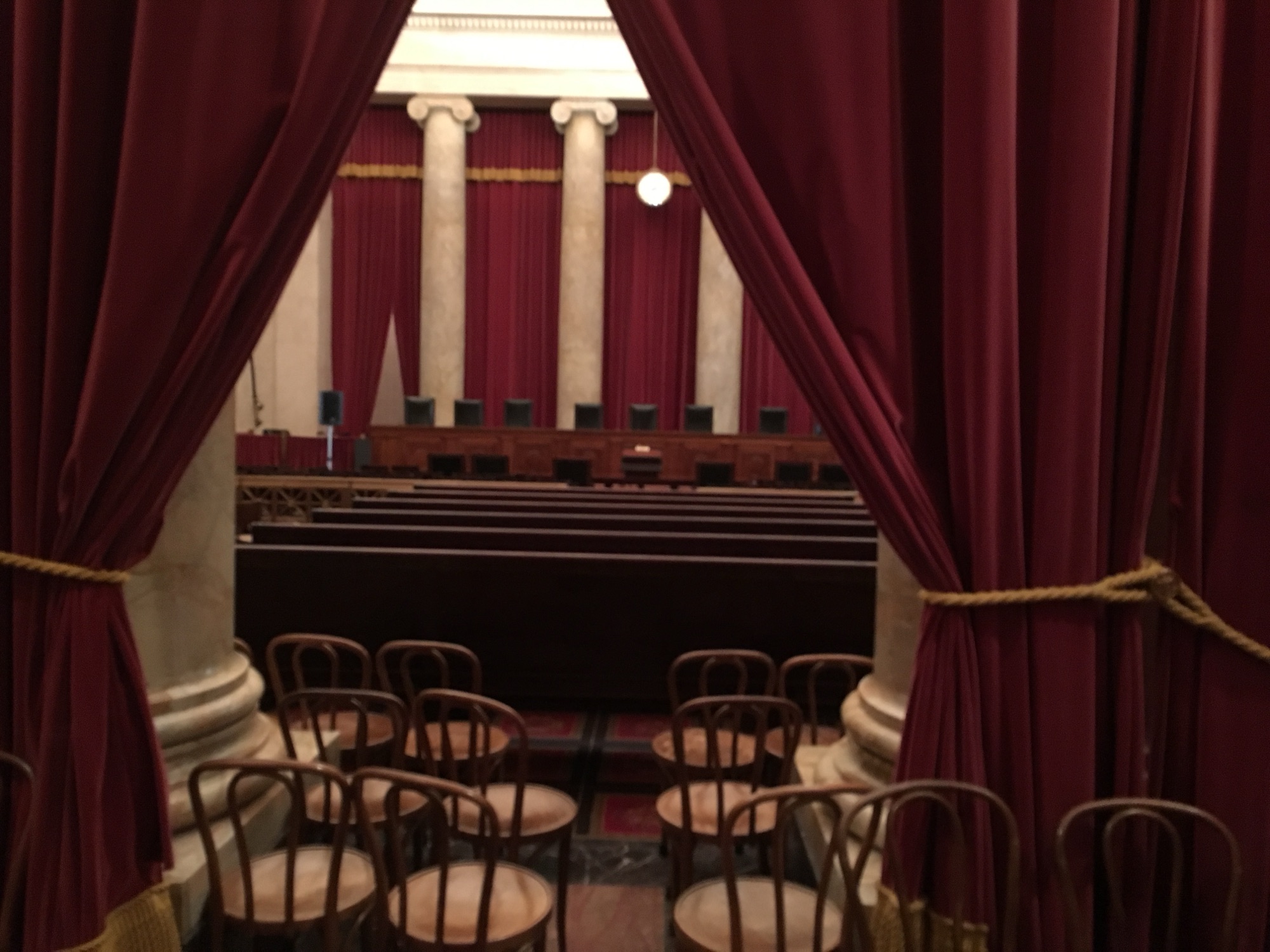
The denied petitions are Lexington Ins. Co. v. Suquamish Tribe and Lexington Ins. Co. v. Mueller.
The denied petitions are Lexington Ins. Co. v. Suquamish Tribe and Lexington Ins. Co. v. Mueller.
Here are the available materials in Tulalip Tribes v. Lexington Insurance Co.:
Here are the materials in Mashantucket Pequot Tribal Nation v. Factory Mutual Insurance Co.:
Mitchell Forbes has published “Beyond Indian Country: The Sovereign Powers of Alaska Tribes Without Reservations” in the Alaska Law Review. PDF
Here is the abstract:
The Alaska Native Claims Settlement Act of 1971 (ANCSA) devised a land entitlement system markedly different from the Indian reservation system that prevailed in the Lower 48 states. It directed the creation of twelve, for-profit Alaska Native regional corporations and over 200 private, for-profit Alaska Native village corporations, which would receive the bulk of Native land in the state. This corporate model left nearly all tribes in Alaska without a land base. As such, there is very little Indian Country land in the state over which tribes can exercise territorial-based sovereignty. Yet, the Supreme Court has long recognized the power of tribes to exercise membership-based jurisdiction. This Comment analyzes a range of state and federal court decisions addressing the authority of tribes and argues that Alaska tribes, through membership-based jurisdiction, can exercise various sovereign powers, like the exclusion of nonmembers. Importantly, this membership-based jurisdiction does not depend on lands over which tribes can exercise jurisdiction. Therefore, the exclusionary orders imposed by several Alaska Native tribes during the Covid-19 pandemic in 2020 were valid exercises of the tribes’ sovereign powers.

Highly recommended.
Here are (many of) the materials in Cherokee Nation v. Lexington Insurance Co.:

Fletcher published a paper as part of a symposium on John Fabian Witt’s book American Contagions: “Pandemics in Indian Country: The Making of the Tribal State.”
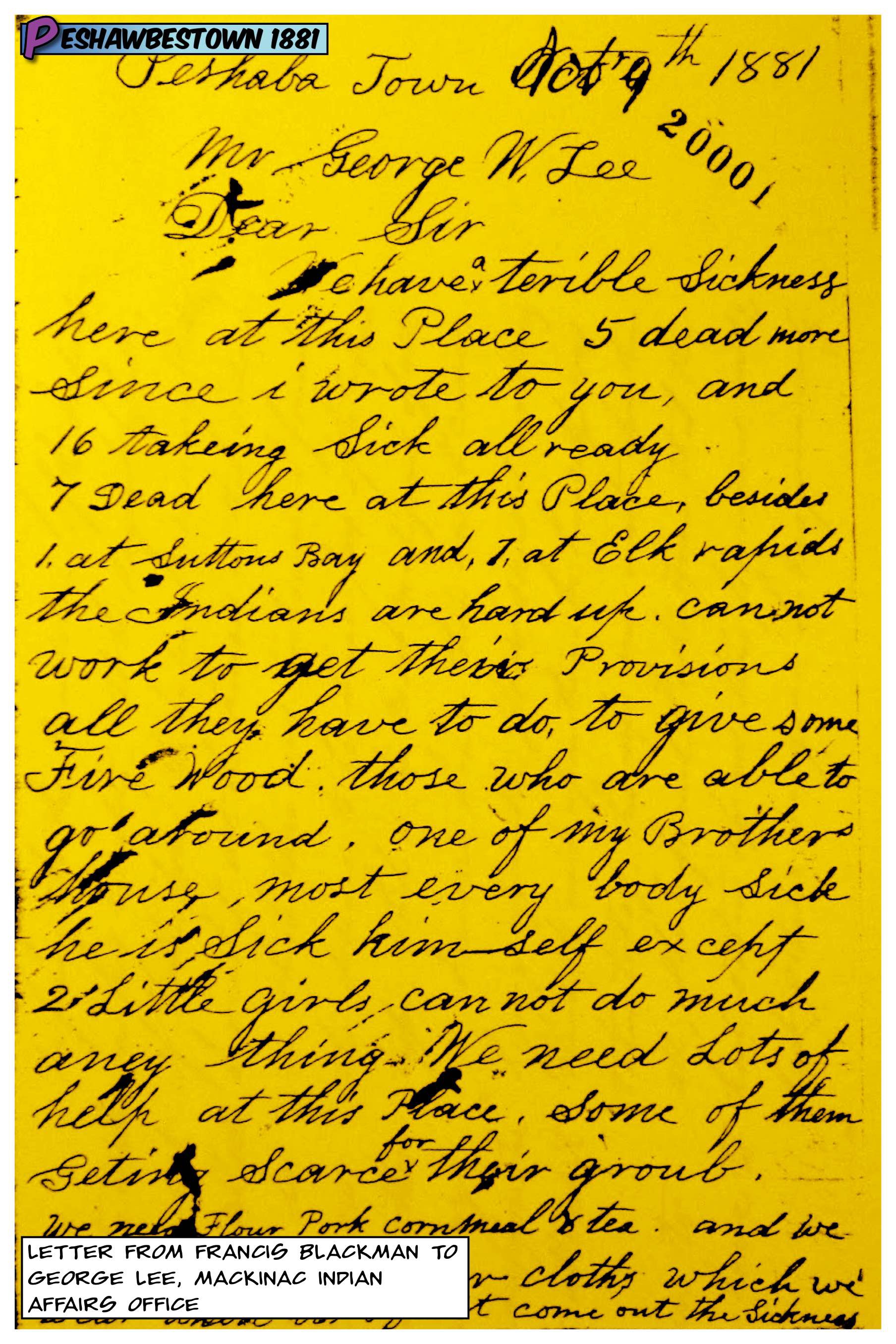
Here.
Native youth have suffered the highest rate of caregiver loss from the pandemic—4.5 times higher than that of White children. This means that 1 of every 168 Native children have lost their primary caregivers to COVID, as compared with 1 of every 310 Black children, 1 of every 412 Hispanic children, and 1 in every 753 White children.
Thanks to Fred Fisher to sending this on to us.
Here are the materials in Menominee Indian Tribe v. Lexington Ins. Co. (N.D. Cal.):
Here are the materials in Mashantucket Pequot Tribal Nation v. Factory Mutual Ins. Co. (Conn. Super. Ct.):
 Turtle Talk
You must be logged in to post a comment.