Here is the opinion in Runningeagle v. Ryan.
Ninth Circuit Rejects Habeas Petition of Native Man Sentenced to Death
Here is the opinion in Runningeagle v. Ryan.
Here is the opinion in Runningeagle v. Ryan.
Here is the opinion in Protect Our Communities v. Jewell.
From the syllabus:
The panel affirmed the district court’s summary judgment in favor of federal agencies and officials and intervenor Tule Wind, LLC in an action challenging the Bureau of Land Management’s decision to grant a right-of-way on federal lands in southeast San Diego County, permitting Tule Wind to construct and operate a wind energy project.
Briefs:
Backcountry Against Dumps Opening Brief
Related lower court materials here.
Here is the opinion in Timbisha Shoshone Tribe v. Dept. of Interior.
The court’s syllabus:
The panel dismissed, as moot, an appeal from the district court’s dismissal of a case challenging the Department of the Interior’s recognition of the election results for leadership authority over the Timbisha Shoshone Tribe. The panel held that the Tribe’s recent adoption of a new constitution, which overhauled tribal membership requirements, mooted the appeal because there was no chance that a remand to the Bureau of Indian Affairs would make any difference whatsoever in the election results.
Briefs here.
Here are the briefs in California v. Pauma Band of Luiseño Mission Indians of the Pauma and Yuima Reservation:
And Pauma Band of Luiseño Mission Indians of the Pauma and Yuima Reservation v. California:
California Cert Opposition Brief
Lower court materials here (panel, en banc).
Here are the materials in Allied World Assurance Company:
CA9 unpublished memorandum
Here are the briefs in Alto v. Jewell:
Lower court briefs here.
Here are the briefs in County of Amador v. Dept. of Interior:
Other briefs TK
Here are the briefs in No Casino in Plymouth v. Jewell:
Lower court materials for both cases here.
Here is the opinion in Oklevueha Native American Church v. Lynch.
From the syllabus:
The panel affirmed the district court’s summary judgment in favor of federal officials, and held that the district court properly denied the plaintiffs – Oklevueha Native American Church of Hawaii, Inc. and its founder, Michael Rex “Raging Bear” Mooney – an exemption from federal laws prohibiting the possession and distribution of cannabis.
Concerning plaintiffs’ claimed violation of the Religious Freedom Restoration Act, the panel held that even assuming that plaintiffs’ use of cannabis constituted an “exercise of religion,” no rational trier of fact could conclude on the record that a prohibition of cannabis use imposed a “substantial burden” on plaintiffs’ exercise of religion. Specifically, the panel held that nothing in the record demonstrated that a prohibition on cannabis forced plaintiffs to choose between obedience to their religion and criminal sanction, such that they were being coerced to act contrary to their religious beliefs; and this was fatal to their claim. The panel also held that plaintiffs’ admission that cannabis was merely a substitute for peyote also distinguished their case from Holt v. Hobbs, 135 S. Ct. 853 (2015) (holding that there was a Religious Land Use and Institutionalized Persons Act violation where the prison’s refusal to grant a Muslim inmate a religious exemption to grow a half-inch beard forced him to choose between a violation of his religious beliefs or face serious disciplinary action).
Briefs here.
Here is the opinion in Navajo Nation v. Dept. of Interior.
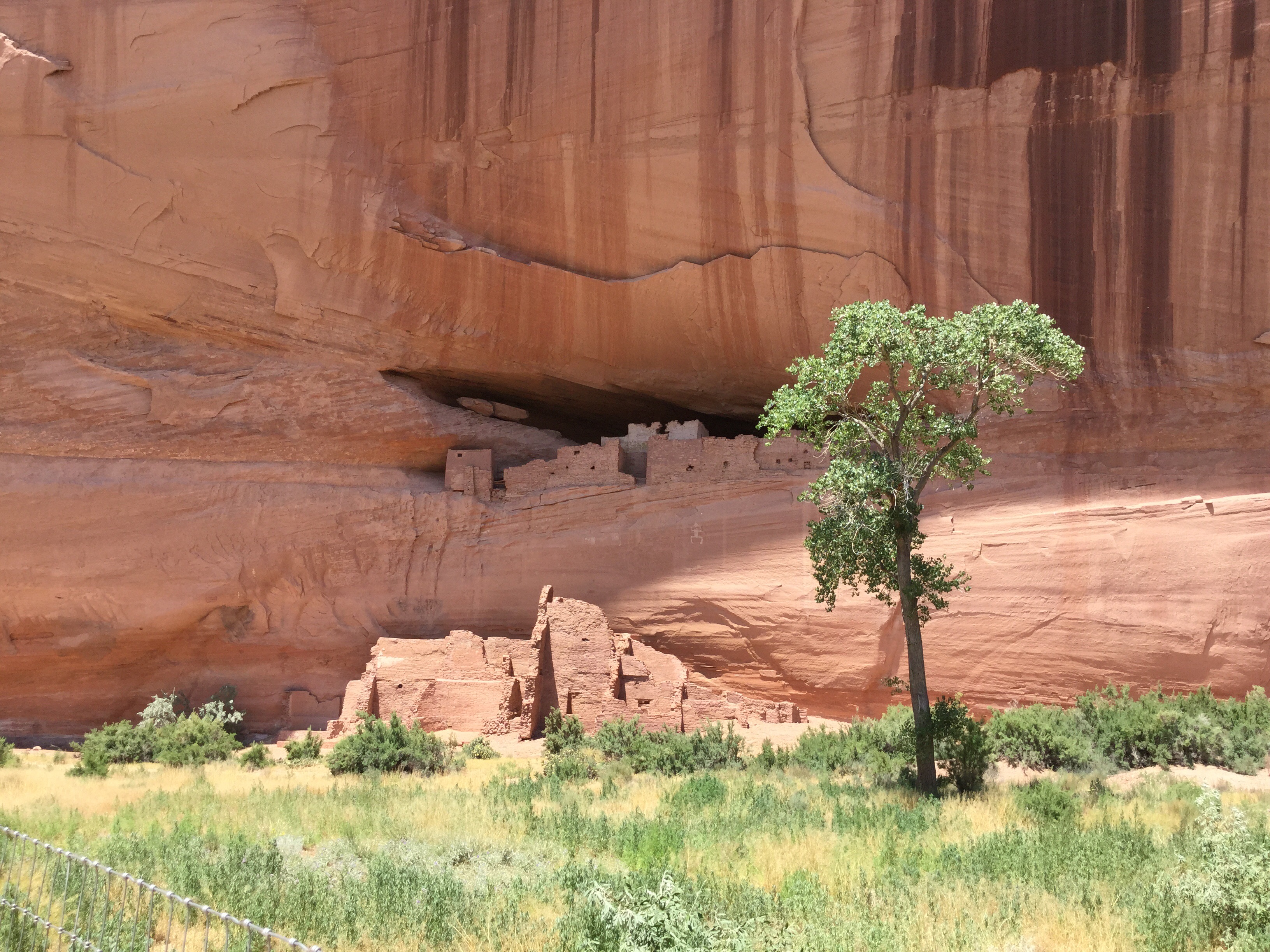 From the syllabus:
The panel reversed the district court’s dismissal of the Navajo Nation’s suit seeking an injunction ending the National Park Service’s inventory, pursuant to the Native American Graves Protection and Repatriation Act (“NAGPRA”), of human remains and funerary objects removed from the Canyon de Chelly National Monument on the Navajo Reservation; and the immediate return of the objects taken from the reservation.
The panel held that the district court had jurisdiction to consider the Navajo Nation’s claims because the Park Service’s decision to inventory the remains and objects was a final agency action within the meaning of the Administrative Procedure Act. The panel also held that by deciding to undertake NAGPRA’s inventory process, the Park Service conclusively decided that it, and not the Navajo Nation, had the present right to “possession and control” of the remains and objects. 25 U.S.C. § 3003(a). The panel remanded for further proceedings.
Judge Ikuta dissented.
Materials here.
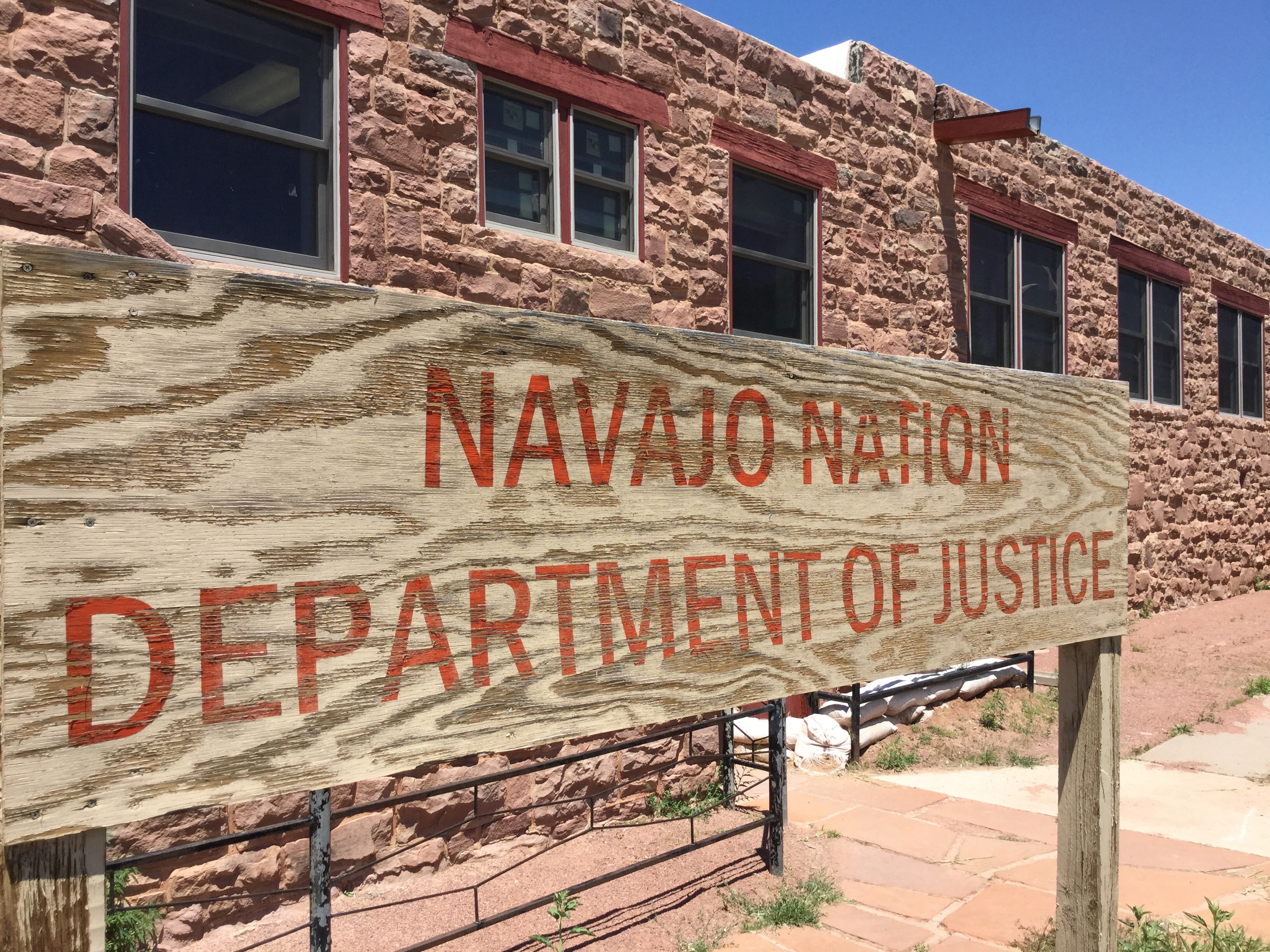
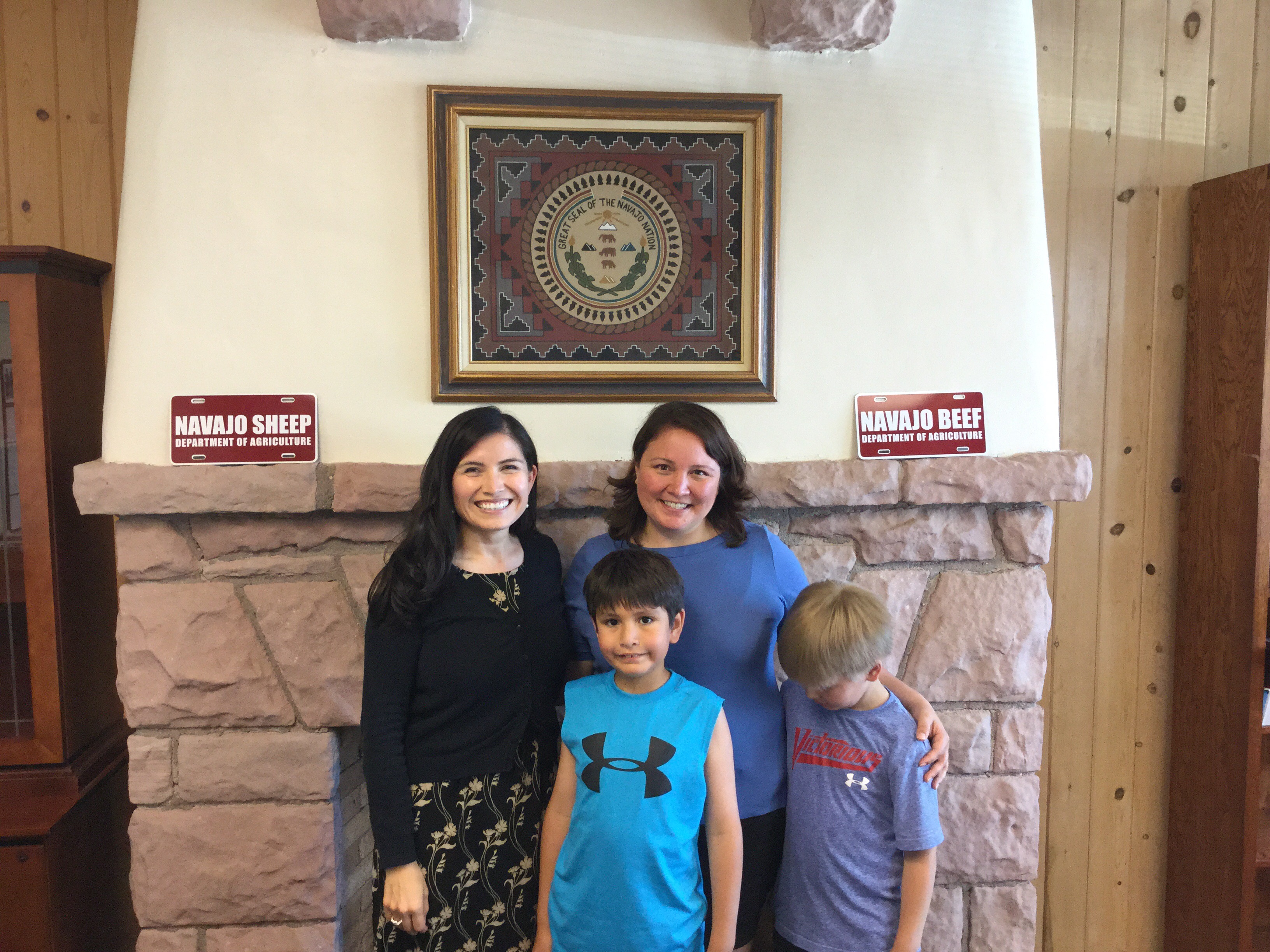
Congrats to the Navajo DOJ!


 Turtle Talk
You must be logged in to post a comment.