Nebraska v. Parker Background Materials

Here are the materials we’ve collected on Nebraska v. Parker.

Supreme Court Merits Briefs

Nebraska Opening Brief

Omaha Tribal Council Brief

US Brief

Merits Stage Amicus Briefs

Village of Hobart Amicus Brief

NCAI Amicus Brief

Scholars Brief

Cert Stage Briefs

State of Nebraska v Parker cert petition

United States Cert Opp Brief

Eighth Circuit Materials

CA8 Opinion

Nebraska Opening Brief

Tribe Brief

US Brief

Nebraska Reply Brief

District Court Materials

The 2nd amended complaint is here: Complaint

The tribal motion to dismiss is here: Motion to Dismiss

The opposition is here: Opposition to Motion to Dismiss

The reply is here: Reply Brief

The court’s stay order and opinion is here: DCT Order Denying Motion to Dismiss

DCT Order Granting Nebraska Motion to Intervene

Nebraska Motion to Intervene

Opposition to Motion to Intervene

Nebraska Reply in Support of Motion to Intervene

118 Village of Pender Brief

114 Omaha Tribe Brief

127 Federal Brief

126 Nebraska Brief

134 Nebraska Response

135 US Response

136 Village of Pender Response

138 Omaha Tribe Response

140 Opinion

Tribal Court

Village of Pender v Morris — Omaha Tribal Court

Menominee Tribe’s Reply in Supreme Court Case

Reply brief for Petitioner here.

Previous briefs and materials posted here.

Dollar General Reply Brief

“Petitioners are the non-Indian operators of a
business on a tribal reservation. Respondent Doe is a
member of the tribe. Doe seeks to hale petitioners
into his tribal court, asking the tribe to award him
millions of dollars in damages (including punitive
damages) for an alleged violation of unwritten tribal
tort law by one of petitioners’ employees.”

Dollar General Reply Brief

Additional Briefs HERE


Wasatch County v. Ute Indian Tribe Cert Petition

Here:

Cert Petition

Question presented:

In Hagen v. Utah, 510 U.S. 399, 409 (1994), this Court granted certiorari “to resolve the direct conflict between” the Tenth Circuit and the Utah Supreme Court over whether Congress has diminished the lands of the Uintah Valley and Uncompaghre Indian Reservation. This Court adopted the state court’s holding that the lands have been diminished, such that those lands are not Indian Country.
The Tenth Circuit is not giving up, however. It has held that its prior precedent justifies expressly refusing to follow Hagen,except to the limited extent absolutely compelled with respect to the precise facts of this Court’s ruling. In this case, the Tenth Circuit went substantially further still and held that its earlier (admittedly erroneous) holding that the reservation has not been diminished binds even petitioner Wasatch County, which was not a party to any of the prior litigation. Despite this Court’s determination to resolve the conflict between the federal and state courts in Hagen, that conflict continues to persist.
The Question Presented is:
Did the court of appeals err in defying this Court’s decision in Hagen v. Utah and enjoining a proper state court prosecution of a tribal member on lands that this Court has held have been diminished by Congress?
Lower court materials here.

Navajo Nation Amicus Brief in Harris v. Arizona Independent Redistricting Commission

Here:

Navajo Amicus Brief in Harris v Arizona Independent Redistricting Commission

Petition for Hearing in Torres v. Santa Ynez Band of Chumash Indians

Here:

Petition for Rehearing

Cert petition has already been denied, here.

Cert Stage Briefing Complete in Jensen v. EXC Inc.

Here:

Jensen Cert Petition

EXC Cert Opp

Jensen Reply

Lower court materials here.

Yale Native Study Group Overview of Dollar General v. Mississippi Choctaw Case

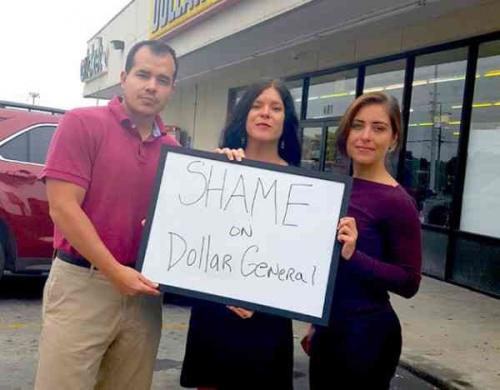
Here, “YGSNA Members Prepare Amicus Briefs for the U.S. Supreme Court, DOLLAR GENERAL CORP. vs. MISSISSIPPI BAND OF CHOCTAW INDIANS.” An excerpt:Shame on Dollar General
In 2000, the Dollar General Corporation entered into a series of agreements with the Mississippi Band Choctaw Indians to open a Dollar General store on the Tribe’s lands in Mississippi.  Numerous national chains and corporations maintain commercial establishments on tribal lands, leasing lands, facilities, and related commercial venues for their enterprises.  Such leases and agreements form contracts that are executed by both tribal and corporate attorneys.

Dollar General agreed not only to lease lands from the Tribe for its retail business but also to enter into the Tribe’s Youth Opportunity Program, which places tribal youth in working environments.  In Summer 2003, a 13-year-old entered this program and was placed within the Dollar General store under the supervision of a store manager who, the minor and his parents allege, sexually assaulted him.  Since the United States Supreme Court, in 1978, declared that Tribal Governments may no longer exercise their inherent criminal jurisdiction over Indians who commit crimes on tribal lands, the minor, his family, and the Tribe looked to the local U.S. Attorney’s Office for prosecution. The United States declined to proceed with a criminal complaint, and the minor and his parents then sued Dollar General and its employee in tribal court, seeking damages relating to the child’s injuries. The District Court and Mississippi Band of Choctaw Supreme Court both sided with the minor.
Menominee Indian Tribe v. United States Materials

Here are the briefs and other materials:

Merits Briefs

Menominee Tribe Brief

US Brief

Amicus Briefs

NCAI Amicus Brief

Cert Stage Materials

Menominee Indian Tribe Cert Petition

US cert response brief

Lower Court Materials

–D.C. Circuit 

opinion

Menominee Opening Brief 2013

IHS Brief

Menominee Reply Brief

–DCT

DCT Order Dismissing Menominee Claims

IHS Motion to Dismiss

Menominee Motion for Summary J

–D.C. Circuit (2010)

Opinion

Respondents Brief in Menominee Indian Tribe v. United States

Here:

US Brief