Here is the complaint in Miccosukee Tribe v. EPA (S.D. Fla.):
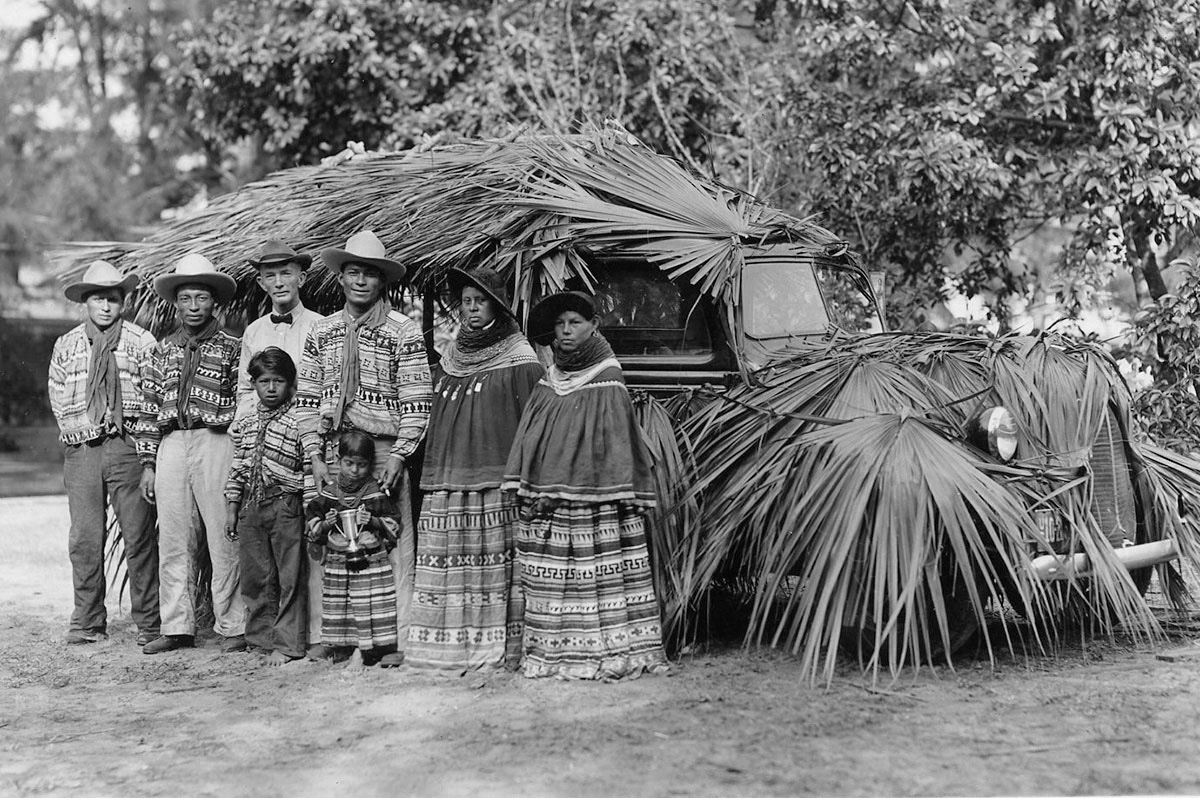
Here is the complaint in Miccosukee Tribe v. EPA (S.D. Fla.):
Here is the complaint in Miccosukee Tribe v. EPA (S.D. Fla.):
Here:
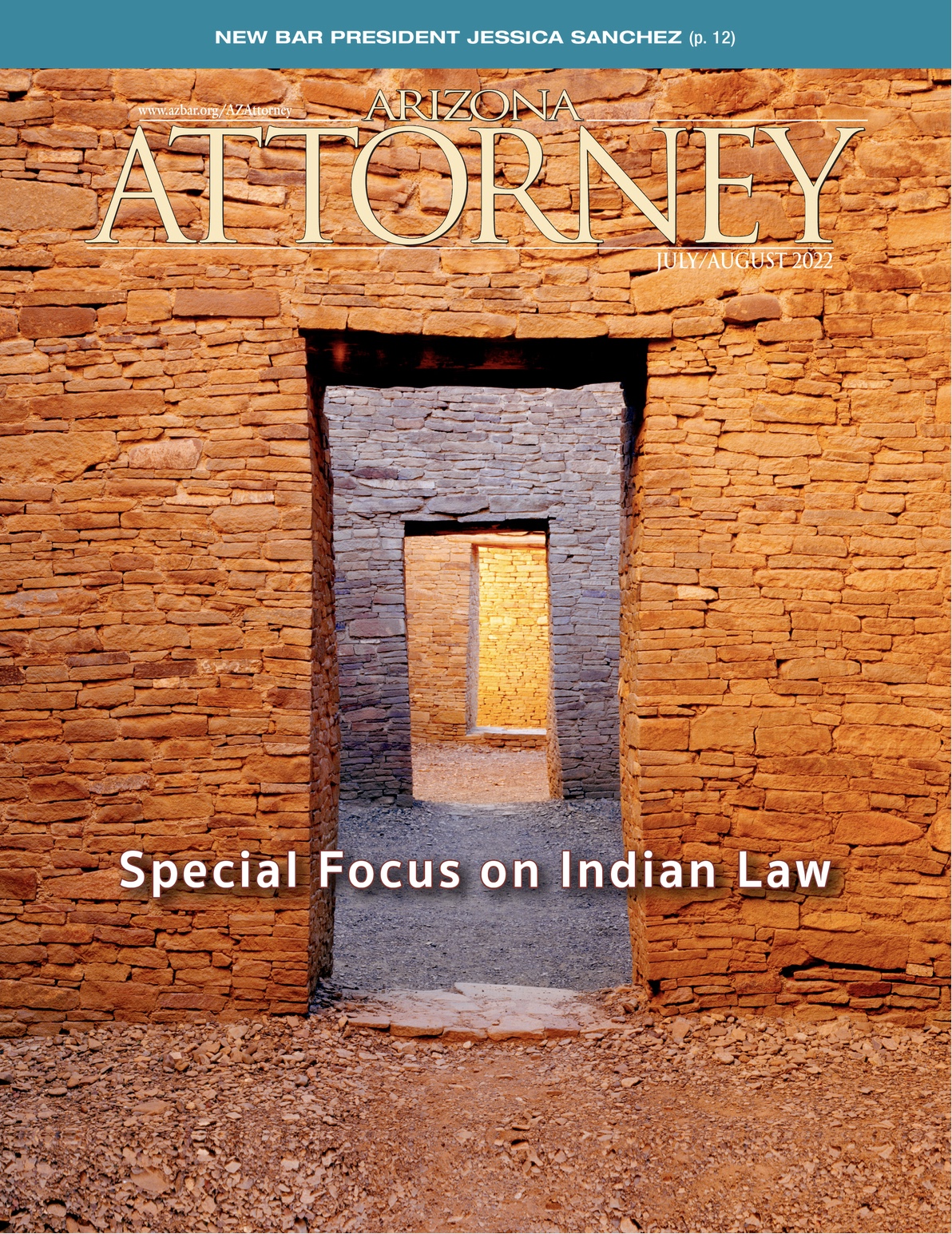
Special Feature: Indian LawThe Impact of “McGirt v. Oklahoma”by: Robert J. Miller
Indigenous Erasure in Public Schools: Critical Race Theory, Discrimination, Remediesby: Mia Montoya Hammersley, Adriana M. Orman and Wouter Zwart
ICWA: The Gold Standard, Golden Nuggets of Evidence from Arizonaby: Tara Hubbard and Fred Urbina
Reforming Evidence Rule 902 To Reflect Tribal Sovereigntyby: Henry Oostrom-Shah
Tribal Labor and Employment Law: The Navajo Preference in Employment Actby: Paul Spruhan
Oral History on Trialby: Robert Alan Hershey
The Cabazon Decision, 35 Years Onby: Glenn M. Feldman
Indian Law From Behind the Bench: A Law Clerk’s Perspectiveby: Alexander Mallory
Fletcher published a paper as part of a symposium on John Fabian Witt’s book American Contagions: “Pandemics in Indian Country: The Making of the Tribal State.”

Here are the materials in Confederated Tribes and Bands of the Yakama Nation v. City of Yakima (E.D. Wash.):
Here are the materials so far in Stimson Lumber Co. v. Coeur d’Alene Tribe (D. Idaho):
Here is the opinion in Casey v. Muscogee (Creek) Nation:
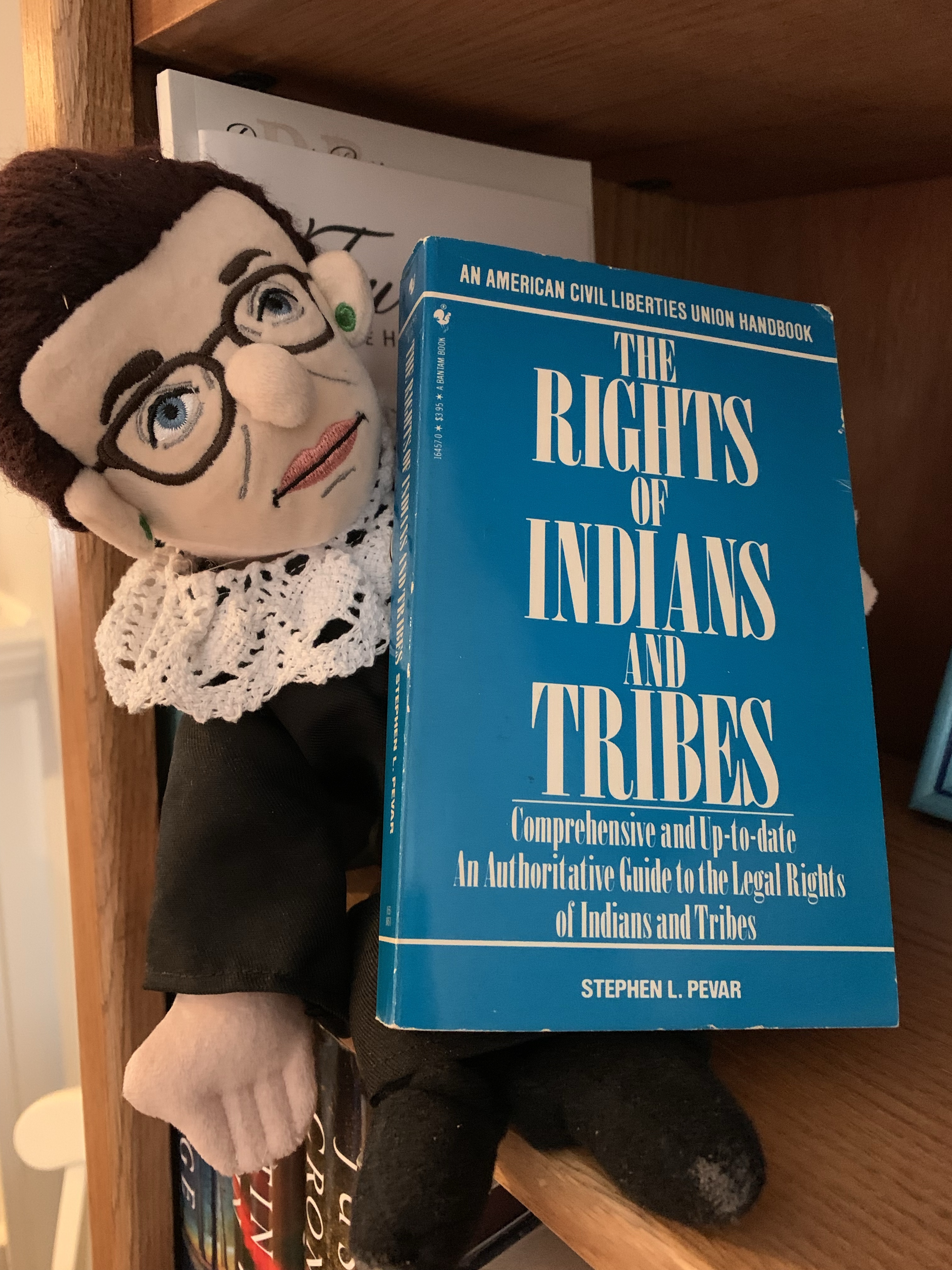
Robert Snigaroff and Craig Richards have posted “Alaska Native Corporation Endowment Models,” published in the Alaska Law Review.
The abstract:
New settlement trust provisions in the Tax Cuts and Jobs Act of 2017 have significant implications for Alaska Native Corporation business longevity and the appropriateness of an operating business model given ANC goals as stated in their missions. The Alaska Native Claims Settlement Act authorized the creation of for-profit corporations for the benefit of Alaska Native shareholders. But for Alaska Natives, cultural continuation was and continues to be a desired goal. Considering the typical life span of U.S. corporations and the inevitability of eventual failure, the for-profit corporate model is inconsistent with aspects of the ANC mission. Settlement trust amendments to ANCSA facilitate ANC cultural continuation goals solving the problem of business viability risk. We make a normative case that ANCs should consider increasing endowment business activity. We also discuss the Alaska Permanent Fund and lessons that those structuring settlement trusts might learn from literature on sovereign wealth funds and endowments.
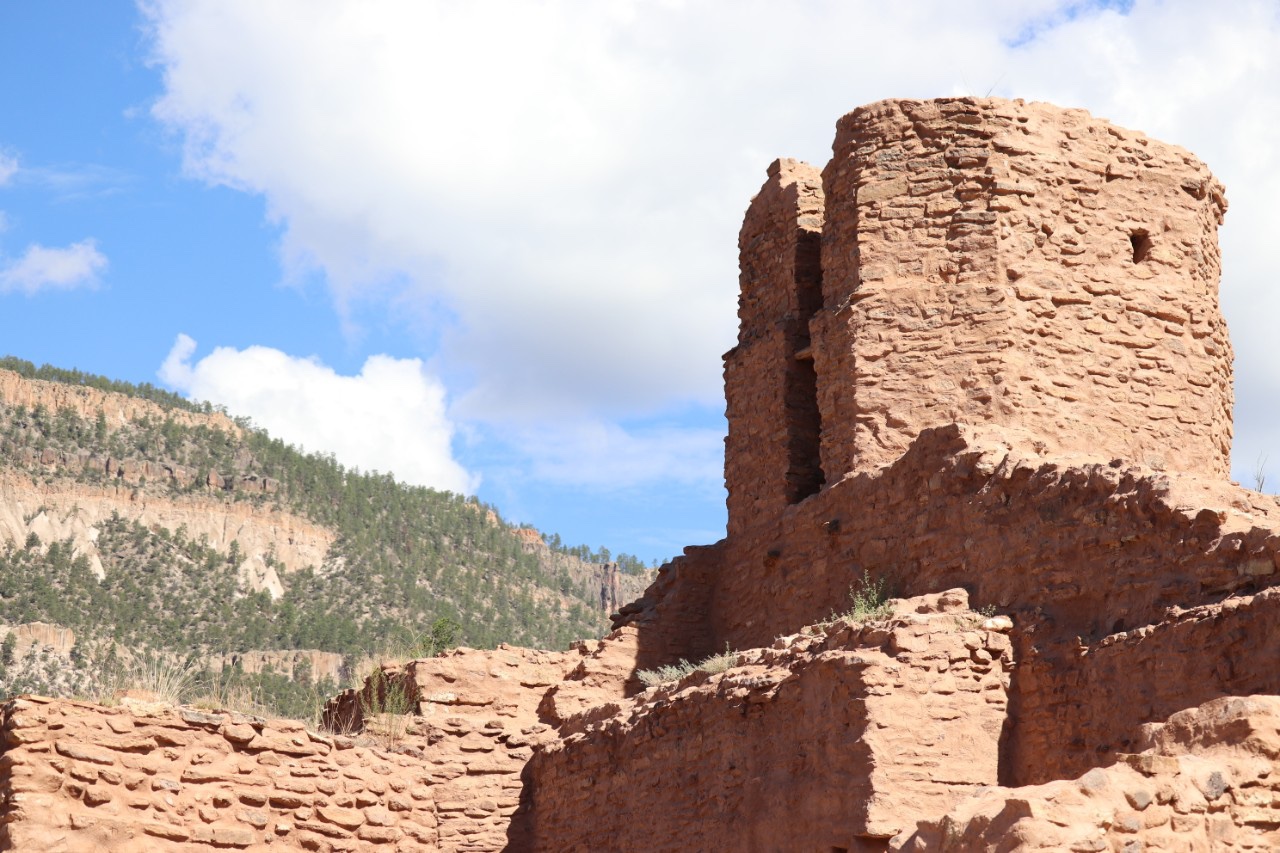
Here is the complaint in Pueblo of Jemez v. United States (D.N.M.):


 Turtle Talk
You must be logged in to post a comment.