Here are the relevant materials in United States v. Portillo (W.D. Okla.):
Author: Matthew L.M. Fletcher
Wisconsin Law School’s Hastie Program — Applications Due 2/1/22
Highly recommended!
The University of Wisconsin Law School invites applications for its William H. Hastie Fellowship Program. For over 40 years, the Hastie Fellowship has provided aspiring scholars an outstanding opportunity to prepare for a career in law teaching. Hastie Fellows have succeeded at securing tenure-track positions at law schools throughout the country, including Columbia, UCLA, Indiana, Colorado, ASU, Texas A&M, Ohio State, UNC, Washington & Lee, UC Irvine, and USC. The Fellowship reflects a commitment to diversity and inclusion in the legal profession and especially encourages applications from candidates of color and other underrepresented communities in the legal academy. Hastie Fellows devote the majority of their time to their own research agenda, researching and writing scholarly articles with support from a faculty advisor and the Hastie Fellowship Committee. Fellows also have the option of teaching a course or seminar during the program. The Hastie Fellowship Program encourages scholarship in the full range of law studies. Wisconsin has a particularly strong tradition supporting interdisciplinary work.
For further information, please visit https://law.wisc.edu/grad/hastie/index.html. Applications are due February 1, 2021.
Prior Native Hastie fellows now teaching in law schools (clockwise from upper left, Stacy Leeds, Richard Monette, and Mike Oeser).

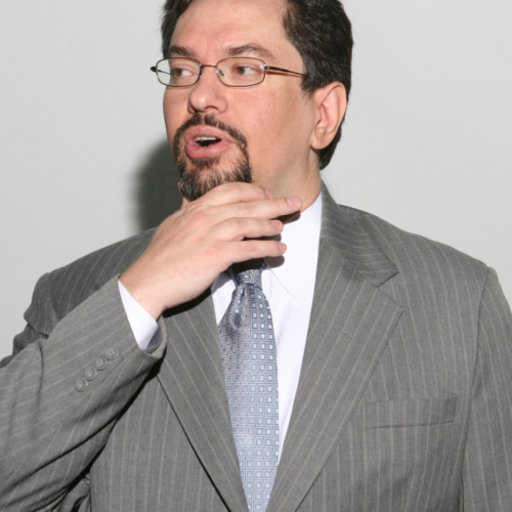
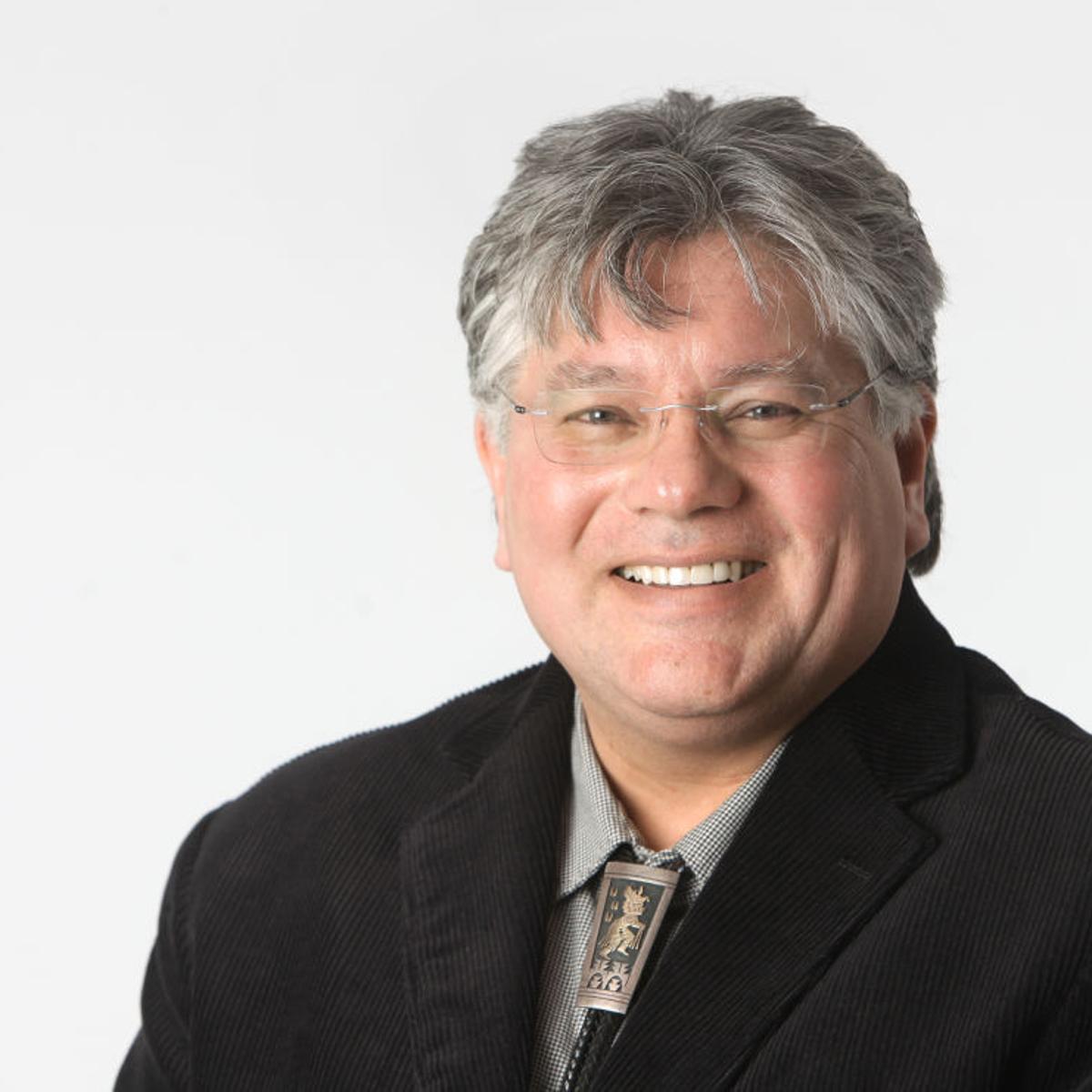
State Court Dismisses Charges Against Hazen Shopbell, Anthony Paul On Treaty Grounds
Here are the materials in State v. Shopbell (Wash. Super. Ct.):
7. CrR 8.3(b) Motion to Dismiss for Governmental Misconduct
11. Memo In Support of Motion to Dismiss for Bad Faith
13. CrR 8.3(c) Motion to Dismiss
29. Memorandum in Opposition to Motions to Suppress Evidence and or Dismiss
30. Reply in Support of Motions to Dismiss
38. Supplemental Reply in Support of Motions to Dismiss
42. Motion for Bill of Particulars
46. Response to Motion for Bill of Particulars
52. Joint Reply In Support of Motion for Bill of Particulars
63. Supplemental Motion to Dismiss Pursuant to CrR 8.3(c)
66. Defendants’ Joint Motion to Dismiss and Renewed Motion to Dismiss per CrR 8.3
68. Defendants’ Supplemental Motion to Dismiss
69. Response to Pretrial Dismissal Motions
70. Reply on Pretrial Dismissal Motions
There was no written ruling, but from the bench the Judge explained:
“My decision is consistent with the heart of the Treaty & Rafeedie Consent Decree, preserving Treaty rights that were gained many years ago. This court shouldn’t be involved in those issues.”
Native America Calling Show on Post-McGirt Oklahoma Tuesday January 4
Here.
Former Navajo Nation President Peterson Zah Receives Grand Canyon Trust Lifetime Achievement Award
From the presser — Flagstaff, AZ – On Tuesday, January 11, 2022, at 3:00 pm MST, former Navajo Nation Chairman and first President of the Navajo Nation, Peterson Zah, will receive the 2021 Grand Canyon Trust Lifetime Achievement Award, which recognizes exceptional individuals who have accomplished significant conservation for the Grand Canyon and the Colorado Plateau.
Zah will be honored for his life’s work, including significant contributions to conservation of the environment and advancing tribal sovereignty.
During his long career, Zah led national tribal efforts in Congress to strengthen many federal environmental laws. In his time as president and chairman, Zah renegotiated mineral, coal, oil, and gas leases with major energy companies to better benefit the Navajo people, and created permanent trust funds, now valued at several billion dollars, dedicated to culture, language, education, health, governance, infrastructure, and land restoration.
The award will be presented during a small private ceremony. Members of the public can attend the ceremony virtually at https://us02web.zoom.us/j/83197071336 or by phone at 1 (602) 753-0140 using webinar ID: 831 9707 1336.
“Peterson Zah’s extraordinary leadership made clear that within the ambiguity of modernism and tradition, righteousness and tremendous influence could come from homegrown legitimacy and purpose,” said Grand Canyon Trust Board Chair Jim Enote.
“Peterson has truly been a giant in this region, and well beyond. We are so honored to recognize Peterson, his achievements, and his profoundly positive impacts on this world,” said Grand Canyon Trust Executive Director Ethan Aumack.
Past recipients of the Grand Canyon Trust Lifetime Achievement Award include former Secretary of the Interior Bruce Babbitt (2003), former Arizona Congressman and Secretary of the Interior Stewart Udall (2004), and the writer Terry Tempest Williams (2010). The award, established in 2003, has been given only six other times; Zah will be the seventh recipient.
#
Founded in 1985, the Grand Canyon Trust is a non-profit conservation organization dedicated to safeguarding the wonders of the Grand Canyon and the Colorado Plateau, while supporting the rights of its Native peoples.
Recent American Indian Legal Scholarship
It’s None of Your Business: State Regulation of Tribal Businesses Undermines Sovereignty and Justice
New York University Journal of Law and Business, Vol. 18, No. 1, 2021; Sam Carter and Robin Rotman
Native American Representation: What the Future Holds
Idaho Law Review, Vol. 56, 2020; Emily Rong Zhang
Universal Access to Clean Water for Tribes: Recommendations for Operational, Administrative, Policy, and Regulatory Reform
University of Utah College of Law Research Paper No. 475; Bidtah Becker, Anne Castle, Heather Tanana, Ana Olaya, Jaime Garcia and Chelsea Colwyn
‘We Want Our Land Back’: Returning Land to First Peoples in the Land Return Era Using the Native Land Claims Commission to Reverse Centuries of Land Dispossession
Vol. 24 The Scholar: St. Mary’s Law Review on Race and Social Justice I (Forthcoming); William Y. Chin
Federal Statutes and Environmental Justice in the Navajo Nation: The Case of Fracking in the Greater Chaco Region
American Journal of Public Health; Mario AtencioMA, Hazel James-Tohe, Samuel Sage, David J. TsosieEdD, Ally BeasleyJD, MPH, Soni GrantPhD, MA, and Teresa SeamsterEdS, MS
Slaves, Indians, and Legal Formalism in 19th Century America
Walker Lake and the Public Trust in Nevada’s Waters
Virginia Environmental Law Journal, Vol. 40, No. 1, 2022; Michael C. Blumm and Michael Benjamin Smith
Synching Science and Policy to Address Climate Change in Tribal Communities
Natural Resources & Environment (2021 Forthcoming), University of Utah College of Law Research Paper No. 467; Heather Tanana and John Ruple
Universal Access to Clean Water for Tribes in the Colorado River Basin
University of Utah College of Law Research Paper No. 466; Heather Tanana, Jaime Garcia, Ana Olaya, Chelsea Colwyn, Hanna Larsen, Ryan Williams and Jonathan King
Liz Reese and Abby Abinanti on Tribal Criminal Laws
From Stanford, here is “Imagining Justice: American Indian Tribal Laws of Criminal Responsibility.”
Oklahoma Appellate Court Decides Kiowa/Comanche/Apache Reservation Disestablished
Here are the materials in Martinez v. State (Okla. Ct. Crim. App.):

Ninth Circuit Decides Grondal v. United States [20-35694]
Here.
An excerpt:
The panel affirmed the district court’s grant of the Bureau of Indian Affairs’ motion for summary judgment and ejectment order in an action brought by a group of recreational vehicle owners seeking to retain their rights to remain on a lakeside RV park located on American Indian land held in trust by the Bureau.
Briefs here.
Wyoming Appellate Court Orders Hearing in Herrera Matter; State Appeals to State SCT
Here is the opinion in Herrera v. State of Wyoming:
State SCT cert stage briefs:
ResponseObjection – Petition for review
Prior post here.
 Turtle Talk
You must be logged in to post a comment.